Table of Contents
- How to Open a Business Bank Account for LLC Online: Step‑by‑Step
- Step 1: Gather the Required Documentation
- Step 2: Choose the Right Bank for Your LLC
- Step 3: Complete the Online Application
- Step 4: Fund Your New Account
- Step 5: Set Up Banking Tools and Integrations
- Key Features to Look for in a Business Bank Account for LLC Online
- Low or No Monthly Fees
- Free ACH and Wire Transfers
- Integration with Accounting Software
- Robust Mobile App
- Customer Support Availability
- Common Pitfalls and How to Avoid Them
- Pitfall 1: Mixing Personal and Business Funds
- Pitfall 2: Ignoring State‑Specific Banking Regulations
- Pitfall 3: Overlooking Fee Structures
- Pitfall 4: Forgetting to Add Authorized Signers
- Special Considerations for Multi‑Member LLCs
- Choosing the Primary Signer
- Documenting Ownership Percentages
- Setting Up Internal Controls
- Choosing Between a Business Checking vs. Savings Account
- How to Upgrade or Switch Your Business Bank Account for LLC Online
- Final Thoughts on Securing a Business Bank Account for LLC Online
Starting an LLC is an exciting milestone, but the paperwork doesn’t stop at the state filing. One of the most crucial next steps is setting up a business bank account. A dedicated business bank account for LLC online keeps personal and company finances separate, simplifies tax reporting, and builds credibility with vendors and customers.
In today’s digital age, you no longer need to drive across town to a brick‑and‑mortar branch. Most major banks and credit unions now let you complete the entire onboarding process from the comfort of your home office. The convenience of an online account can be a game‑changer for busy founders who are juggling product development, marketing, and hiring.
But the convenience comes with its own set of questions: Which banks accept LLCs? What documents do you need? How do you avoid hidden fees? Below we’ll walk through everything you need to know to open a business bank account for LLC online—from preparation to the final click of “Submit.”
How to Open a Business Bank Account for LLC Online: Step‑by‑Step
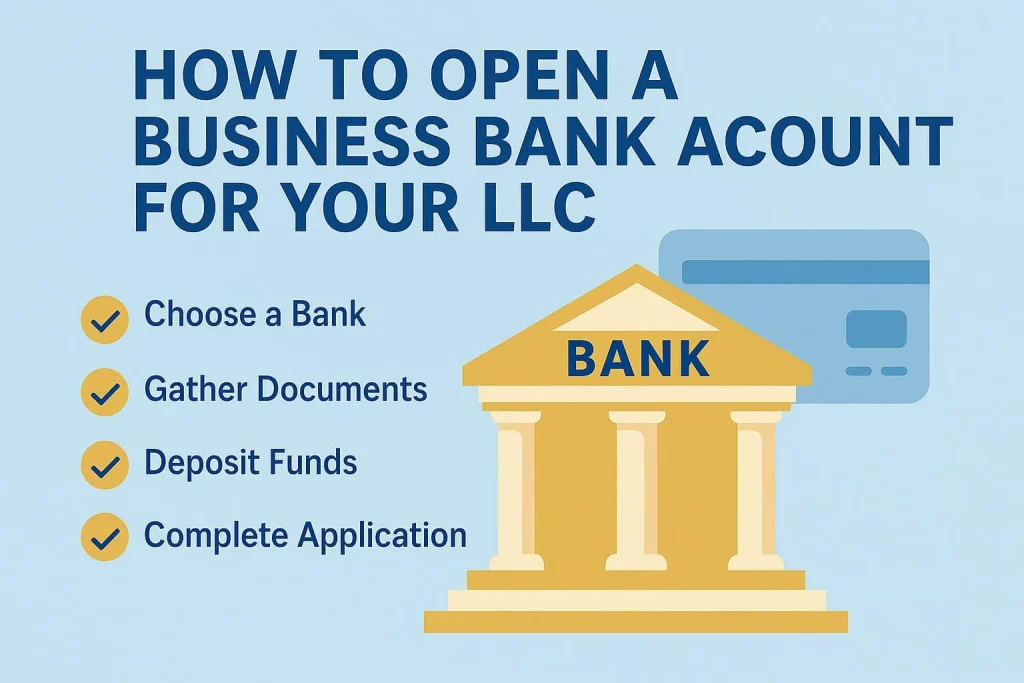
Getting a business bank account for LLC online is a process that can be broken down into clear, manageable steps. Follow this roadmap to ensure you’re ready when you click “Apply.”
Step 1: Gather the Required Documentation
- Articles of Organization – The official filing that proves your LLC exists.
- Employer Identification Number (EIN) – Issued by the IRS; think of it as a Social Security Number for your business.
- Operating Agreement – While not always required, many banks ask to see how ownership and management are structured.
- Personal Identification – A valid driver’s license or passport for each authorized signer.
If you’re missing any of these, you can typically request digital copies from your state’s business portal or the IRS website. Having them ready speeds up the online application.
Step 2: Choose the Right Bank for Your LLC
Not all banks are created equal. Some excel in low fees, while others offer robust integrations with accounting software. Below are a few categories to consider:
- Traditional Big Banks – Nationwide presence, strong security, and often a wide range of business services.
- Online‑Only Banks – Lower overhead means fewer fees, but you’ll need a reliable internet connection for every transaction.
- Credit Unions – Member‑owned, often more personalized service, but may have eligibility requirements.
For entrepreneurs seeking a hassle‑free start, the easy business bank account to open guide offers a concise comparison of popular options.
Step 3: Complete the Online Application
Most banks will walk you through a series of screens where you’ll upload your documents, answer questions about your business model, and set up online banking credentials. Keep these tips in mind to avoid common roadblocks:
- Double‑check that the EIN matches the name on your Articles of Organization.
- Use a stable internet connection; large PDF uploads can time out on shaky Wi‑Fi.
- Save your progress frequently—many platforms let you resume later.
Step 4: Fund Your New Account
Once approved, you’ll need to make an initial deposit. This can be done via ACH transfer from a personal account, a wire, or even a mailed check, depending on the bank’s policy. Some online banks require as little as $1, while others set a minimum balance of $100 or more.
Step 5: Set Up Banking Tools and Integrations
After the account is live, take advantage of the digital tools that come with it. Link your account to accounting platforms like QuickBooks or Xero, set up automated bill payments, and enable two‑factor authentication for added security. If you trade stocks or need to move money to an investment platform, the How to Add Bank Account to E*TRADE – Step‑by‑Step Guide can walk you through that integration.
Key Features to Look for in a Business Bank Account for LLC Online
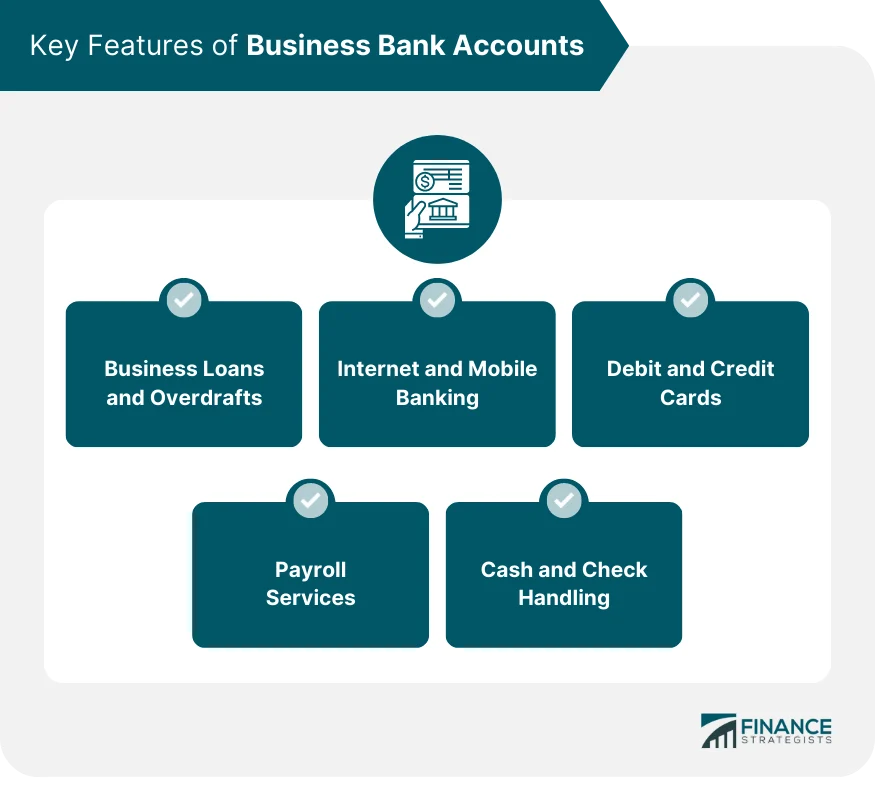
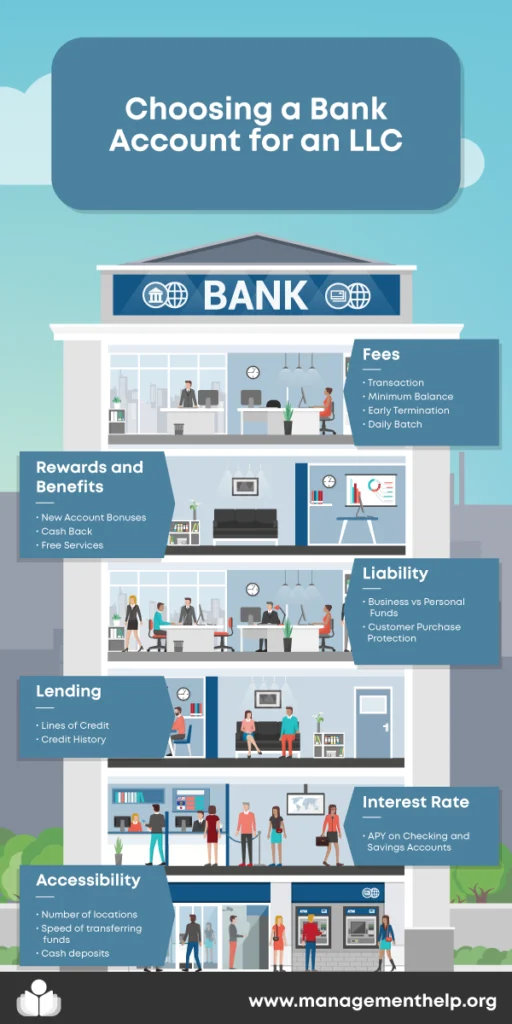
When comparing options, focus on features that directly impact your day‑to‑day operations and long‑term financial health.
Low or No Monthly Fees
Fees can quickly erode profit margins, especially for early‑stage startups. Look for banks that offer a “no‑fee” tier when you maintain a minimum balance or meet a monthly transaction threshold.
Free ACH and Wire Transfers
Receiving payments from clients or sending payroll often involves ACH transfers. Some banks charge per‑transaction fees, while others include unlimited ACH in their basic plan. International wire fees are also worth checking if you do cross‑border business.
Integration with Accounting Software
Seamless syncing with QuickBooks, Xero, or Wave can save hours of manual entry each month. Many banks provide direct API access or pre‑built connectors—essential for maintaining clean books.
Robust Mobile App
Running a business on the go means you need real‑time alerts, mobile check deposit, and the ability to transfer funds without logging into a desktop portal. Test the app’s usability before committing.
Customer Support Availability
Even with an online‑only bank, you’ll sometimes need live help. Choose a provider that offers phone, chat, or email support during business hours, and ideally 24/7 for emergencies.
Common Pitfalls and How to Avoid Them
Even with a smooth online process, certain pitfalls can trip up new LLC owners. Here’s what to watch out for.
Pitfall 1: Mixing Personal and Business Funds
Using a personal account for LLC expenses can jeopardize your limited liability protection. Keep the business bank account for LLC online strictly for business transactions, and avoid personal purchases on that card.
Pitfall 2: Ignoring State‑Specific Banking Regulations
Some states require businesses to maintain a local banking presence. Verify that the online bank you choose is authorized to operate in your LLC’s state of formation.
Pitfall 3: Overlooking Fee Structures
A low monthly fee might be offset by high transaction or cash‑deposit fees. Use a spreadsheet to forecast your average monthly activity and compare total cost of ownership across candidates.
Pitfall 4: Forgetting to Add Authorized Signers
If you have co‑founders or a hired bookkeeper, make sure they’re listed as authorized signers during the online application. Adding them later can involve paperwork and delays.
Special Considerations for Multi‑Member LLCs
When more than one person holds ownership, the banking setup becomes a bit more nuanced.
Choosing the Primary Signer
Most banks will ask for a “primary account holder.” This person will have full control over the account, so choose someone you trust to manage day‑to‑day banking tasks.
Documenting Ownership Percentages
Some banks request a copy of the operating agreement that outlines each member’s ownership share. This helps them verify that the signers have authority to act on behalf of the LLC.
Setting Up Internal Controls
Even though the account is digital, establish internal controls: dual‑approval for large transfers, regular reconciliation, and periodic review of who has access.
Choosing Between a Business Checking vs. Savings Account
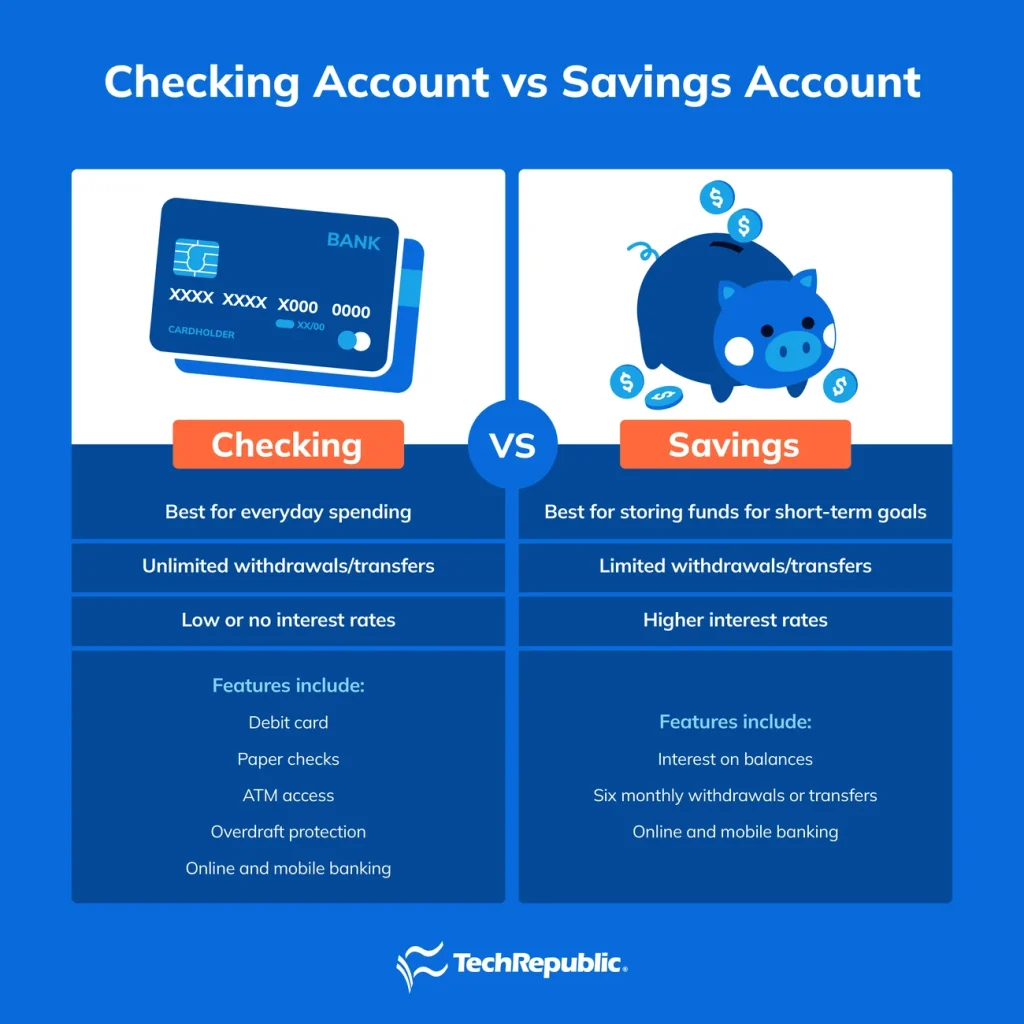
Most LLCs start with a checking account to handle everyday expenses. However, opening a savings account alongside can help you set aside tax reserves or emergency funds. Many online banks let you link both accounts under a single dashboard, making transfers instantaneous.
How to Upgrade or Switch Your Business Bank Account for LLC Online
As your business grows, your banking needs may evolve. Here’s a quick guide to upgrading:
- Assess Usage – Review transaction volume and fee reports every six months.
- Contact Support – Many banks allow you to upgrade to a premium tier with higher limits and additional services.
- Switch Providers – If fees become prohibitive, you can close the existing account (after clearing all transactions) and open a new one. The Second Chance Bank Account Wells Fargo – Your Full Guide offers tips for moving accounts without disrupting cash flow.
Final Thoughts on Securing a Business Bank Account for LLC Online
Opening a business bank account for LLC online is no longer a daunting, paper‑heavy task. With the right preparation—gathering documents, choosing a bank that matches your fee tolerance, and leveraging digital tools—you can have a fully functional account in just a few days.
Remember that the account is more than a place to store money; it’s a cornerstone of your financial infrastructure. Use it to streamline payments, integrate with accounting software, and protect your personal assets. By staying mindful of common pitfalls and regularly reviewing your banking needs, you’ll set a solid foundation for sustainable growth.
Whether you’re a solo founder or part of a multi‑member LLC, the steps outlined here will help you navigate the online landscape with confidence. Happy banking!