Table of Contents
- Step‑by‑Step Guide to Open Joint Bank Account Wells Fargo
- 1. Choose the Right Joint Account Type
- 2. Gather Required Identification and Personal Information
- 3. Decide on Account Ownership Structure
- 4. Apply In‑Branch, Online, or Via Mobile
- 5. Fund the Account
- 6. Set Up Account Features and Preferences
- 7. Review Fees, Limits, and Benefits
- Why Choose a Joint Account at Wells Fargo?
- Extensive Physical Presence and Customer Service
- Robust Digital Tools
- Integrated Financial Products
- Transparent Ownership and Survivorship Options
- Potential Drawbacks and How to Mitigate Them
- Shared Liability
- Impact on Credit
- Complexity When Splitting Up
- Potential Fees
- Frequently Asked Questions About Joint Accounts at Wells Fargo
- Can I open a joint account online without both owners present?
- What happens to the account if one owner passes away?
- Is there a limit on how many debit cards we can get?
- Can we set separate spending limits for each owner?
- Do joint accounts affect our eligibility for personal loans?
- Tips for Managing a Joint Wells Fargo Account Effectively
Thinking about sharing finances with a partner, spouse, or business associate? A joint bank account can simplify bill payments, streamline savings goals, and give both parties a clear picture of cash flow. Wells Fargo, one of the largest banks in the United States, offers several joint‑account options that cater to everyday consumers as well as small‑business teams. This article walks you through everything you need to know to open joint bank account Wells Fargo—from eligibility rules and required documents to the pros and cons of different account types.
Whether you’re newly married, moving in with a roommate, or launching a partnership, the process is surprisingly straightforward. You’ll discover how to avoid common pitfalls, which features are worth the extra fee, and how to keep the account secure for both owners. By the end, you’ll feel confident to sit down with your co‑owner and start the paperwork, either in a branch or online.
Step‑by‑Step Guide to Open Joint Bank Account Wells Fargo

Wells Fargo structures its joint‑account opening process much like a single‑owner account, but with a few extra checks to make sure both parties are on the same page. Below is a detailed walkthrough, broken into digestible steps.
1. Choose the Right Joint Account Type
- Wells Fargo Everyday Checking – No monthly fee if you meet the minimum balance or direct deposit requirements. Ideal for couples who want a simple, low‑maintenance option.
- Wells Fargo Preferred Checking – Comes with a small monthly fee but includes perks like higher ATM reimbursements and waived fees for certain services.
- Wells Fargo Portfolio by Wells Fargo – A hybrid checking‑savings product that offers interest on balances and tiered rewards.
- Joint Business Checking – If the account is for a partnership or LLC, you might consider a business checking product instead.
Each of these products can be opened as a joint account, meaning both owners have equal ownership and access. The right choice depends on how often you expect to use the account, your balance habits, and whether you value extra features like interest or fee waivers.
2. Gather Required Identification and Personal Information
Wells Fargo follows standard “Know Your Customer” (KYC) regulations. Both parties will need:
- Valid government‑issued photo ID (driver’s license, passport, or state ID).
- Social Security Number (or Individual Taxpayer Identification Number).
- Proof of address (utility bill, lease agreement, or mortgage statement).
- Contact information (phone number, email address).
- If you’re opening a joint business account, additional documents such as the partnership agreement, EIN, and business licensing may be required.
3. Decide on Account Ownership Structure
Wells Fargo offers two primary ownership designations for joint accounts:
- Joint Tenants with Right of Survivorship (JTWROS) – If one owner passes away, the surviving owner automatically inherits the full balance.
- Tenants in Common (TIC) – Each owner’s share is defined (e.g., 50/50, 60/40) and can be bequeathed to a different heir.
Choosing the right structure is a personal decision, often guided by estate planning considerations. If you’re unsure, a quick chat with a Wells Fargo representative can clarify the implications.
4. Apply In‑Branch, Online, or Via Mobile
You have three convenient ways to open joint bank account Wells Fargo:
- In‑person: Visit a local Wells Fargo branch with both owners present. A banker will walk you through the forms, verify IDs, and answer any questions on the spot.
- Online: Both owners can log onto the Wells Fargo website, select “Open an Account,” and follow the prompts. You’ll upload photos of your IDs and sign electronically.
- Mobile app: The Wells Fargo mobile app mirrors the online experience, letting you start the application from your phone. You’ll need to capture a selfie for identity verification.
For those who love a fully digital experience, the online route is often the fastest. However, having a branch visit can be handy if you have questions about fee structures or want to set up additional services like overdraft protection.
5. Fund the Account
Most Wells Fargo joint accounts require an opening deposit. The exact amount varies by account type. For example, the Everyday Checking account may require as little as $25, while the Preferred Checking could ask for $100. You can fund the new joint account via:
- Bank transfer from an existing account.
- Cash or check deposited at a branch or ATM.
- Direct deposit from an employer (especially useful for meeting fee‑waiver thresholds).
If you’re curious about minimum deposits, check out the related article Wells Fargo Bank Minimum Opening Deposit – What You Need to Know for a deeper dive.
6. Set Up Account Features and Preferences
Once the joint account is live, you’ll want to customize a few settings:
- Online banking access: Both owners should enroll in online banking and set up separate login credentials if desired.
- Alerts & notifications: Enable low‑balance, large‑transaction, and bill‑pay alerts to stay on top of activity.
- Debit cards: Order two debit cards—one for each owner—to keep spending separate yet linked.
- Automatic transfers: Set up recurring transfers to a savings account or investment vehicle to meet shared goals.
7. Review Fees, Limits, and Benefits
Understanding the fee structure up front can prevent unpleasant surprises. Typical fees include:
- Monthly maintenance fee (often waived with direct deposit or minimum balance).
- ATM surcharge reimbursements (limits may apply).
- Overdraft protection fees (optional).
On the upside, joint accounts inherit all the benefits of the underlying product—interest on balances for Portfolio accounts, free checks for Everyday Checking, and access to Wells Fargo’s extensive branch network.
Why Choose a Joint Account at Wells Fargo?
Wells Fargo’s scale and reputation bring a few unique advantages to joint account holders.
Extensive Physical Presence and Customer Service
With over 5,000 branches across the United States, you can pop into a location for cash deposits, in‑person assistance, or to resolve disputes. This physical footprint is especially comforting when both owners have different banking preferences.
Robust Digital Tools
Even though you might open the account in person, the digital experience is top‑notch. The Wells Fargo mobile app supports:
- Real‑time balance updates for both owners.
- Split‑bill features that let you allocate expenses between co‑owners.
- Secure messaging for quick questions.
Integrated Financial Products
If you later decide to expand your relationship with the bank—adding a mortgage, credit card, or investment account—the joint account can serve as a hub. For instance, you might qualify for a lower‑interest mortgage by demonstrating a solid joint cash‑flow history.
Transparent Ownership and Survivorship Options
Because Wells Fargo lets you pick between JTWROS and TIC, you can tailor the account to your estate‑planning goals. This flexibility isn’t always offered by smaller banks or credit unions.
Potential Drawbacks and How to Mitigate Them
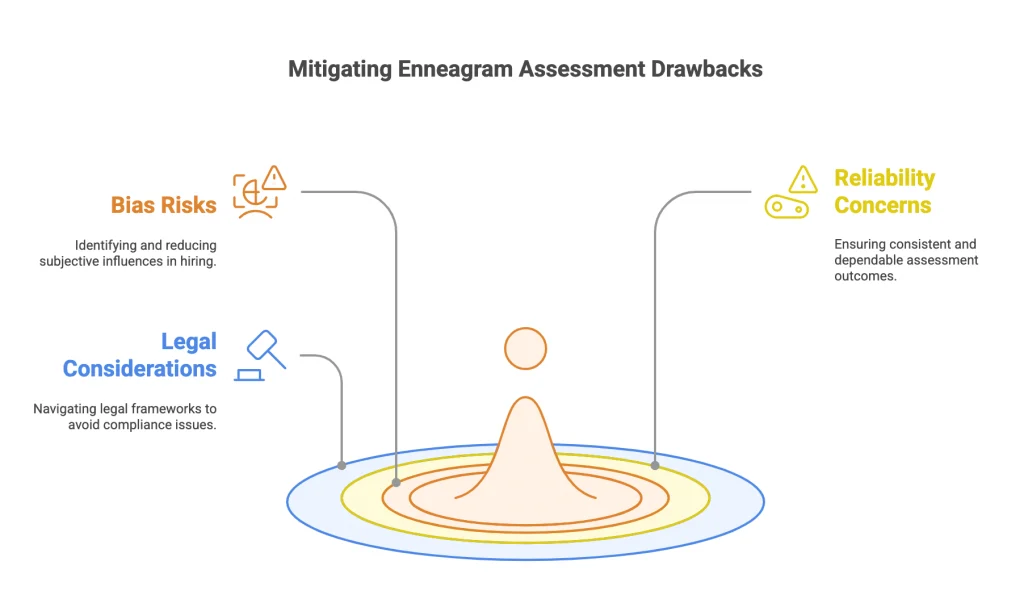
No financial product is perfect. Here are some considerations to keep in mind when you open joint bank account Wells Fargo and tips to handle them.
Shared Liability
Both owners are equally responsible for any overdrafts, fees, or legal judgments against the account. If one person’s spending habits are unpredictable, set clear rules about monitoring balances and establishing alerts.
Impact on Credit
While a joint checking account itself doesn’t directly affect credit scores, related services like overdraft protection or linked credit cards can. Keep an eye on any credit‑building products you tie to the joint account.
Complexity When Splitting Up
If the relationship ends, untangling a joint account can be messy. To simplify, consider:
- Documenting each owner’s contributions and intended split percentages.
- Setting up separate savings accounts for personal funds while using the joint account for shared expenses only.
- Agreeing in writing on how to close the account or transfer ownership if needed.
Potential Fees
Even though many joint accounts waive monthly fees with a direct deposit, you could still encounter charges for out‑of‑network ATM use or paper statements. Review the fee schedule early and enable electronic statements to avoid unnecessary costs.
Frequently Asked Questions About Joint Accounts at Wells Fargo
Can I open a joint account online without both owners present?
Yes. The online application allows each owner to upload their ID and sign electronically. However, some states may require an in‑person verification step, especially for larger balances.
What happens to the account if one owner passes away?
If you selected JTWROS, the surviving owner automatically inherits the entire balance. For TIC, the deceased’s share passes according to their will or state intestacy laws.
Is there a limit on how many debit cards we can get?
Wells Fargo typically issues up to two debit cards per joint account, one per owner. If you need additional cards (e.g., for a teenage child), you can request supplementary cards, but they’ll be linked to the primary owners.
Can we set separate spending limits for each owner?
Direct limits aren’t built into the checking product, but you can use budgeting apps or Wells Fargo’s internal alerts to monitor individual spending.
Do joint accounts affect our eligibility for personal loans?
Lenders usually assess individual credit histories, but they may also consider shared financial obligations like joint accounts when evaluating debt‑to‑income ratios.
Tips for Managing a Joint Wells Fargo Account Effectively

- Communicate regularly: Schedule a monthly “money meeting” to review balances, upcoming bills, and savings goals.
- Use alerts wisely: Set low‑balance alerts for both owners to avoid accidental overdrafts.
- Keep personal expenses separate: Consider a personal checking account for individual purchases, using the joint account strictly for shared obligations.
- Leverage the budgeting tools: Wells Fargo’s online platform offers categorization of transactions—use it to see who’s spending where.
- Revisit ownership designations: Life changes (marriage, divorce, new business partners) may prompt a switch between JTWROS and TIC.
If you’re still weighing options, you might also explore other banking solutions. The article Easy Online Bank Accounts to Open – Your Simple Guide offers a quick comparison of top digital banks, which can serve as a supplement or alternative to a joint Wells Fargo account.
Finally, remember that the decision to open joint bank account Wells Fargo should align with your financial goals, trust level between co‑owners, and the convenience you expect from both digital and brick‑and‑mortar services. By following the steps above, you’ll be equipped to make an informed choice and start managing your shared finances with confidence.
Happy banking, and may your joint financial journey be smooth, transparent, and rewarding.
[FINANCE]