
Table of Contents
- Debt Consolidation for Credit Card Debt: Why It Matters
- How Debt Consolidation for Credit Card Debt Works
- Choosing the Right Consolidation Route
- 1. Personal Loans
- 2. Balance‑Transfer Credit Cards
- 3. Home Equity Loans or HELOCs
- 4. Debt Management Plans (DMPs)
- Assessing the True Cost of Consolidation
- Hidden Fees to Watch For
- Steps to Prepare for a Successful Consolidation
- 1. Check Your Credit Report
- 2. Calculate Your Total Debt
- 3. Create a Budget
- 4. Shop Around
- Potential Pitfalls and How to Avoid Them
- When Consolidation Might Not Be the Best Choice
- Real‑World Example: From Chaos to Control
- Frequently Asked Questions
- Can I consolidate credit card debt if I have a low credit score?
- Will consolidating affect my credit score?
- Is a balance‑transfer card considered debt consolidation for credit card debt?
- How long does the consolidation process take?
- Do I need a co‑signer?
- Putting It All Together
Carrying a handful of credit card balances can feel like juggling flaming torches—one slip and the whole situation can go up in smoke. The high‑interest rates, confusing due dates, and the sheer mental load often leave many of us wondering if there’s a smarter way to get back on track. That’s where debt consolidation for credit card debt steps onto the stage, offering a potential lifeline that bundles those multiple obligations into a single, more manageable payment.
But before you rush into any program or loan, it’s worth taking a step back to understand what debt consolidation truly means, who it helps the most, and what red flags to watch out for. In this guide we’ll unpack the mechanics, compare the main routes you can take, and hand you practical tips to decide whether it’s the right move for your financial health.
Debt Consolidation for Credit Card Debt: Why It Matters
At its core, debt consolidation for credit card debt means replacing several high‑interest balances with one new loan or line of credit that typically carries a lower rate. The immediate benefits are clear:
- Simplified payments: One due date, one amount, one statement.
- Lower interest rates: Savings on interest can shave months off the repayment timeline.
- Potential credit score boost: Reducing credit utilization and on‑time payments can improve your score over time.
These advantages sound almost too good to be true, but they hinge on disciplined use of the new credit line and a realistic assessment of your ability to meet the new payment schedule.
How Debt Consolidation for Credit Card Debt Works
When you opt for consolidation, you essentially take out a new loan that covers the total amount you owe on your credit cards. The loan can come from a variety of sources—banks, credit unions, online lenders, or even a balance‑transfer credit card. Once the loan is funded, you use the money to pay off each card in full. From that point forward, you make monthly payments to the lender instead of juggling multiple card payments.
It’s crucial to remember that the consolidation loan itself isn’t a magic eraser; it’s a new debt that must be repaid. The key difference is the terms—usually a longer repayment period, a fixed interest rate, and a predictable monthly amount.
Choosing the Right Consolidation Route

Not all consolidation options are created equal. Your choice will depend on factors like your credit score, the total amount of debt, and your comfort with variable versus fixed rates. Below are the most common paths:
1. Personal Loans
Traditional personal loans are a popular route for debt consolidation for credit card debt. They often feature fixed interest rates and set repayment terms ranging from 2 to 7 years. If you have a solid credit history, you might qualify for rates as low as 5‑7% APR, which can be a significant drop from the 18‑25% you might be paying on credit cards.
2. Balance‑Transfer Credit Cards
Balance‑transfer cards let you move existing balances to a new card that offers a 0% introductory APR for a set period, typically 12‑18 months. This can be an excellent short‑term strategy if you’re confident you can pay off the transferred amount before the promotional period ends. Just watch out for balance‑transfer fees (usually 3‑5% of the transferred amount) and the regular APR that kicks in afterward.
3. Home Equity Loans or HELOCs
If you own a home and have equity, a home equity loan or line of credit can provide lower rates because the debt is secured against your property. However, this comes with the risk of losing your home if you default, so it’s only advisable for borrowers who are absolutely sure they can meet the payments.
4. Debt Management Plans (DMPs)
A DMP is a structured repayment plan set up through a credit counseling agency. They negotiate with your creditors to lower interest rates or waive fees, then you make a single monthly payment to the agency, which distributes the funds. While not a loan, a DMP can effectively consolidate payments without taking on new debt.
Assessing the True Cost of Consolidation
Before signing on the dotted line, crunch the numbers. A lower monthly payment can be tempting, but extending the repayment term may increase the total amount of interest you’ll pay over the life of the loan. Use a simple loan calculator to compare:
- The total interest you’d pay on your current credit cards.
- The interest you’d incur with the consolidation loan.
- The impact of any fees (origination, balance‑transfer, prepayment penalties).
For many borrowers, the immediate cash‑flow relief outweighs the slightly higher total cost, especially if it helps avoid missed payments and the associated penalty fees.
Hidden Fees to Watch For
Even reputable lenders can have fees that eat into your savings. Common culprits include:
- Origination fees (typically 1‑5% of the loan amount).
- Late payment fees.
- Prepayment penalties for paying off the loan early.
Read the fine print, and ask the lender directly about any charges that aren’t clearly disclosed.
Steps to Prepare for a Successful Consolidation
Getting your finances in order before you apply will improve your odds of approval and help you secure the best terms.
1. Check Your Credit Report
Pull your credit report from the three major bureaus (Equifax, Experian, TransUnion). Look for errors, dispute inaccuracies, and note your current credit score. A higher score translates to lower rates.
2. Calculate Your Total Debt
List every credit card balance, interest rate, and minimum payment. Knowing the exact total will guide you toward the right loan amount and help you compare offers accurately.
3. Create a Budget
Identify how much you can realistically allocate each month toward debt repayment. Use this figure to determine the maximum monthly payment you can afford, then match it against potential loan terms.
4. Shop Around
Don’t settle for the first offer. Compare rates from banks, credit unions, online lenders, and even peer‑to‑peer platforms. Use tools like credit card processing services for small business – a complete guide to understand how different financial products affect cash flow.
Potential Pitfalls and How to Avoid Them

While debt consolidation for credit card debt can be a powerful tool, it’s not a cure‑all. Here are common mistakes and ways to sidestep them:
- Continuing to rack up new debt: Consolidation only works if you stop adding to your balances. Consider freezing your cards or using them only for essential purchases.
- Choosing a loan with a longer term just for a lower payment: This can lead to paying more interest overall. Aim for a term that balances affordability with a reasonable payoff horizon.
- Ignoring the impact on credit utilization: Paying off cards can boost your score, but opening a new loan also adds a hard inquiry. Give your score a few months to adjust.
- Missing the promotional period on a balance‑transfer card: Set calendar reminders to pay off the transferred amount before the 0% APR expires.
When Consolidation Might Not Be the Best Choice
If your credit score is very low, you may only qualify for high‑interest personal loans, which could negate the benefits. In such cases, a Debt Management Plan through a reputable credit counseling agency might be a better first step.
Real‑World Example: From Chaos to Control
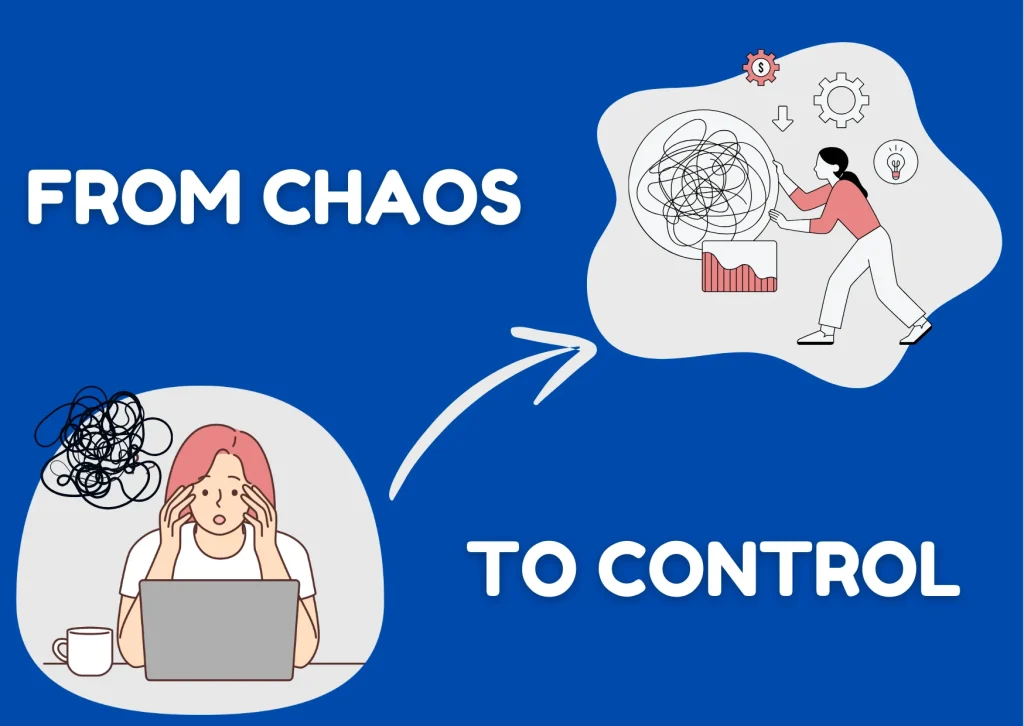
Consider Sarah, a 34‑year‑old graphic designer who carried balances on four credit cards: $2,500 at 22% APR, $1,800 at 19%, $3,200 at 24%, and $1,000 at 18%. Her total debt was $8,500 with a minimum monthly payment of $420.
Sarah applied for a personal loan of $8,500 at a 7% fixed APR for a 4‑year term. Her new monthly payment became $200, saving her $220 each month. Over the life of the loan, she paid $9,600 total—$1,100 more than her original balances—but the lower monthly outlay allowed her to stay current, avoid late fees, and gradually improve her credit score. Within 18 months, she had paid off the loan early, saving an additional $300 in interest.
Sarah’s story illustrates how the right consolidation strategy can transform an overwhelming debt situation into a manageable plan, provided you stay disciplined.
Frequently Asked Questions
Can I consolidate credit card debt if I have a low credit score?
Yes, but options may be limited to higher‑interest personal loans or secured loans like a home equity line. A Debt Management Plan is another viable alternative.
Will consolidating affect my credit score?
Initially, opening a new loan can cause a small dip due to a hard inquiry. However, as you pay down the consolidated balance and reduce credit utilization, your score typically rebounds and can improve over time.
Is a balance‑transfer card considered debt consolidation for credit card debt?
Absolutely. Transferring multiple balances onto a single card with a promotional 0% APR is a form of consolidation, though it’s temporary and requires careful planning to avoid high rates after the intro period.
How long does the consolidation process take?
Personal loans can be funded within a few days to a week after approval. Balance transfers may take 7‑10 business days for the funds to appear on your new card.
Do I need a co‑signer?
Only if your credit profile isn’t strong enough to qualify on your own. A co‑signer can help secure a lower rate, but both parties are responsible for repayment.
Putting It All Together

Debt consolidation for credit card debt offers a structured pathway out of the high‑interest maze that many consumers find themselves trapped in. By consolidating, you gain a clearer picture of what you owe, potentially lower your interest costs, and simplify your monthly budgeting. The success of this strategy hinges on disciplined spending, a realistic budget, and choosing the right product for your financial situation.
Take the time to evaluate your credit report, calculate your total balances, and compare loan offers. Beware of hidden fees and the temptation to keep using your credit cards after consolidation. If you stay committed, you’ll likely see a reduction in stress, an improvement in your credit score, and a faster road to financial freedom.
Remember, consolidation is a tool—not a guarantee. It works best when paired with a solid budgeting plan and a genuine commitment to avoid new debt. With the right approach, you can turn the chaotic juggling act of multiple credit card payments into a single, manageable stride toward a healthier financial future.
[Finance]: Finance