Table of Contents
- credit card fraud prevention for businesses: Building a Strong Foundation
- Technology – The First Line of Defense
- Process – Policies That Keep You Safe
- People – Training Your Team to Spot Fraud
- Advanced Tactics in Credit Card Fraud Prevention for Businesses
- Address Verification Service (AVS) & CVV Matching
- Device Fingerprinting & Geolocation
- Machine Learning Models
- Collaborative Intelligence
- Integrating Fraud Prevention with Your Existing Systems
- API‑Driven Controls
- POS Software Compatibility
- Reporting & Analytics
- Cost vs. Benefit: Investing Wisely in Fraud Prevention
- Maintaining a Culture of Continuous Improvement
- Regular Audits
- Feedback Loops
- Stay Informed
Running a business in today’s digital world means accepting credit cards both in‑store and online. While this opens the door to more sales, it also creates a tempting target for fraudsters looking to exploit any weak spot in the payment flow. The good news? With the right blend of technology, policies, and employee awareness, you can dramatically lower the risk of costly chargebacks and data breaches.
In this article we’ll walk through a comprehensive strategy for credit card fraud prevention for businesses of any size. From choosing the right payment processor to training your staff on spotting red flags, each step builds a layered defense that’s both practical and scalable. Whether you’re a brick‑and‑mortar shop or an e‑commerce platform, the principles stay the same—protect the card data, verify the transaction, and stay compliant.
Before diving into the nitty‑gritty, remember that fraud prevention isn’t a one‑time checklist; it’s an ongoing program that evolves alongside new attack vectors. Let’s start by laying the foundation.
credit card fraud prevention for businesses: Building a Strong Foundation

Establishing a solid groundwork begins with three core pillars: technology, process, and people. Ignoring any one of these leaves gaps that criminals can exploit.
Technology – The First Line of Defense
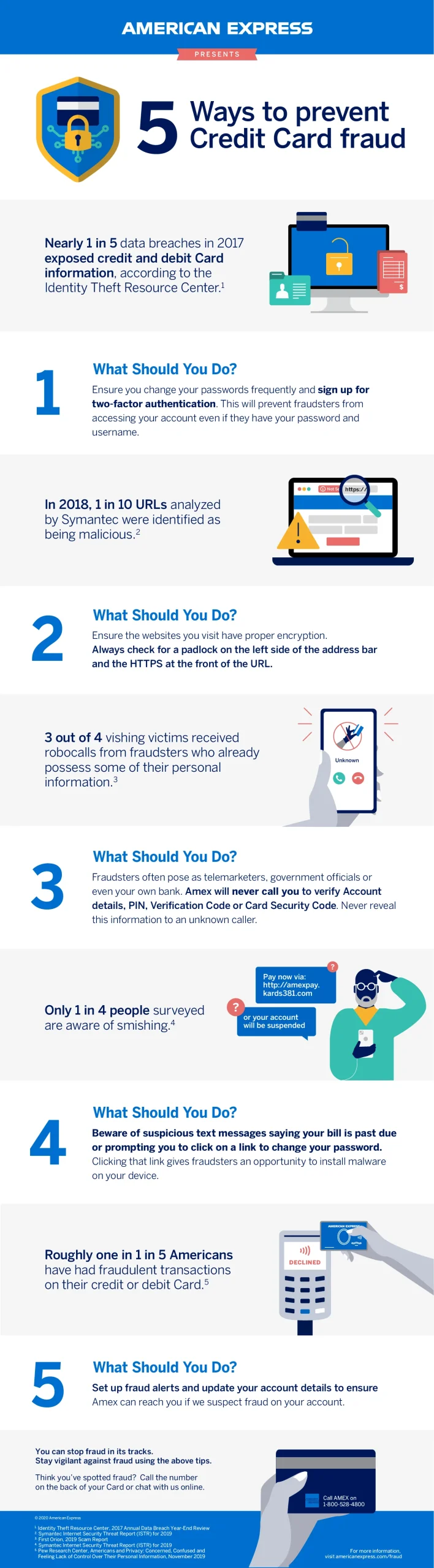
- EMV Chip & Contactless Readers: Upgrading to chip‑enabled terminals reduces counterfeit card fraud dramatically. If you still rely on magnetic stripe readers, consider a phased replacement plan.
- Tokenization & Encryption: These methods replace the actual card number with a random token, making intercepted data useless to thieves.
- 3‑D Secure (3DS): Implementing 3DS adds an authentication step for online purchases, shifting liability away from your business in many cases.
- Real‑Time Fraud Scoring: Modern processors offer AI‑driven scoring that flags high‑risk transactions before they’re approved.
When selecting a payment processor, make sure they support these tools out of the box. If you’re still evaluating options, Small Business Credit Card Processing Companies: How to Choose the Best Partner offers a solid framework for comparing features that matter for fraud prevention.
Process – Policies That Keep You Safe
- PCI DSS Compliance: Adhering to the Payment Card Industry Data Security Standard isn’t optional; it’s the baseline requirement for any merchant handling card data.
- Transaction Limits & Velocity Checks: Set sensible limits on the number of transactions per card per hour and flag spikes that deviate from normal purchasing patterns.
- Manual Review Triggers: Establish clear criteria (e.g., mismatched billing and shipping addresses, high‑value orders) that route orders to a manual review queue.
- Chargeback Management: Keep detailed records and respond promptly to disputes. A well‑documented defense can reduce chargeback fees.
Documenting these processes in an easily accessible SOP manual helps maintain consistency, especially as staff turnover occurs.
People – Training Your Team to Spot Fraud
Even the smartest software can miss a cleverly disguised scam. Your front‑line staff and customer‑service reps need to recognize warning signs such as:
- Rush orders with no clear reason.
- Multiple failed PIN attempts at the point‑of‑sale.
- Orders placed from high‑risk countries without prior customer history.
Regular training sessions—quarterly webinars or short in‑house workshops—keep your team sharp. Pair this with a clear escalation path so employees know who to contact when they suspect fraud.
Advanced Tactics in Credit Card Fraud Prevention for Businesses
Once the basics are in place, you can layer on more sophisticated defenses that target specific fraud types.
Address Verification Service (AVS) & CVV Matching
AVS compares the billing address entered online with the address on file with the issuing bank. While not foolproof, it adds an extra hurdle for fraudsters. Combining AVS with mandatory CVV entry creates a two‑factor verification for card‑not‑present transactions.
Device Fingerprinting & Geolocation
By capturing data about the device (browser version, OS, screen resolution) and cross‑referencing the IP address location, you can detect anomalies such as a user logging in from a different country than usual. When a mismatch occurs, trigger a secondary authentication step—like a one‑time password sent via SMS.
Machine Learning Models
Many payment processors now offer built‑in machine learning that continuously learns from your transaction history. These models can identify subtle patterns that rule‑based systems miss, such as a series of low‑value purchases that later culminate in a high‑value fraud attempt.
Collaborative Intelligence
Join industry groups or fraud‑sharing platforms. Sharing data about known bad actors helps everyone stay ahead. Some processors provide “shared threat intelligence” feeds that automatically update your fraud rules.
Integrating Fraud Prevention with Your Existing Systems
Seamless integration ensures that security measures don’t become a bottleneck for genuine customers.
API‑Driven Controls
Modern payment gateways expose APIs that let you embed fraud checks directly into your checkout flow. For example, you can call a fraud‑scoring endpoint before finalizing the transaction, and only proceed if the risk score is below a defined threshold.
POS Software Compatibility
Make sure your point‑of‑sale system can push transaction data to your fraud detection service in real time. This is especially crucial for high‑traffic retailers where latency can affect the customer experience.
Reporting & Analytics
Dashboards that visualize fraud trends help you spot spikes early. Look for metrics such as “percentage of declined transactions due to fraud” and “average chargeback rate per month.” Use these insights to fine‑tune your rules.
For a deeper dive into choosing a processor that supports these integrations, see Credit Card Processing Company for Small Business – What You Need to Know. The guide outlines key questions to ask vendors about fraud‑prevention capabilities.
Cost vs. Benefit: Investing Wisely in Fraud Prevention

Every security measure carries a cost—whether it’s a subscription fee for a fraud‑detection platform or the expense of new hardware. Weigh these against the potential loss from a single breach. According to the 2023 Identity Theft Resource Center report, the average cost of a data breach for small businesses exceeds $150,000, not including reputational damage.
Start with high‑impact, low‑cost steps:
- Enable AVS and CVV checks (often free with your processor).
- Enforce strong password policies for employee accounts.
- Schedule quarterly PCI compliance scans.
Then allocate budget for advanced solutions like AI‑driven scoring or tokenization, especially if your transaction volume justifies the ROI.
Maintaining a Culture of Continuous Improvement
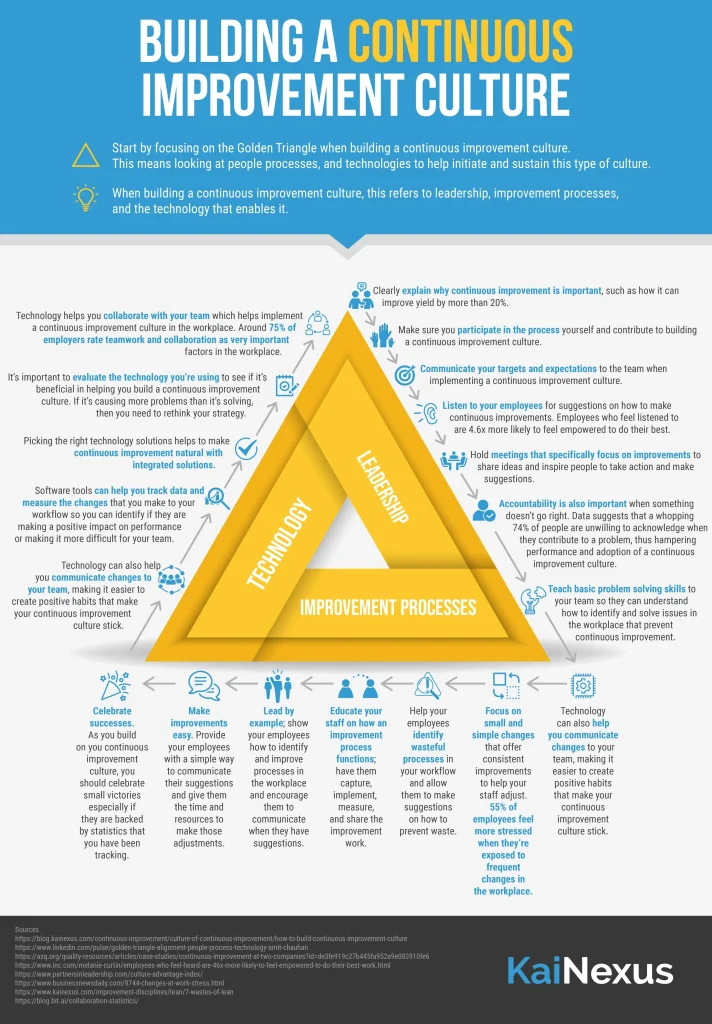
Fraudsters adapt quickly, so your prevention strategy must be a living program.
Regular Audits
Conduct internal audits at least twice a year. Review transaction logs, assess whether any new fraud patterns have emerged, and verify that all security patches are applied to POS devices.
Feedback Loops
Encourage staff to report suspicious activity without fear of repercussions. Create a simple ticketing system where observations are logged and reviewed by the fraud‑prevention team.
Stay Informed
Subscribe to industry newsletters, attend webinars, and keep an eye on updates to PCI DSS. Knowledge is your best weapon against emerging scams.
Finally, remember that fraud prevention isn’t just about technology—it’s about building trust with your customers. When shoppers see visible security cues—like a padlock icon, clear privacy statements, and transparent return policies—they’re more likely to complete a purchase, knowing their data is protected.
Implementing a layered defense, staying compliant, and fostering a security‑first mindset will keep your business resilient against the ever‑evolving threat landscape. Keep revisiting these strategies, adjust as needed, and you’ll turn fraud prevention from a reactive chore into a proactive advantage.