Table of Contents
- What to Use to Buy Crypto: Choosing the Right Platform
- Centralized Exchanges – The Powerhouse for Traders
- Broker Platforms – Simplicity Meets Regulation
- Non‑Custodial Wallets with Integrated Buying – Control Meets Convenience
- Key Factors to Consider When Deciding What to Use to Buy Crypto
- Security and Custody
- Fees Structure
- Regulatory Environment
- User Experience (UX)
- Asset Availability
- Practical Steps to Get Started: From Account Creation to First Purchase
- 1. Choose Your Platform Based on the Criteria Above
- 2. Complete Identity Verification (KYC)
- 3. Deposit Funds
- 4. Place Your First Order
- 5. Secure Your Holdings
- Advanced Options: Exploring Hybrid and Emerging Solutions
- Decentralized Exchanges (DEXs) with Fiat On‑Ramps
- Crypto‑Enabled Banking Apps
- IRA and Retirement Accounts
- Common Pitfalls and How to Avoid Them
- Neglecting Security Practices
- Overlooking Transaction Fees
- Chasing Hype Without Research
- Failing to Diversify
- Wrapping Up Your Journey: Making Informed Decisions on What to Use to Buy Crypto
Stepping into the world of digital assets can feel like learning a new language. You’ve probably heard friends talk about Bitcoin, Ethereum, or the latest meme coin, but the first question that pops up for most newcomers is simple yet crucial: what to use to buy crypto?
There’s a surprisingly wide variety of options, ranging from traditional brokerage accounts that now offer crypto services, to dedicated crypto exchanges, and even specialized wallets that let you purchase tokens directly. Each route has its own set of advantages, fees, security considerations, and user experiences. Understanding these nuances will help you pick the right tool that matches your goals, risk tolerance, and technical comfort level.
In this article we’ll walk through the main categories of platforms, break down the key factors to weigh when deciding what to use to buy crypto, and provide actionable tips so you can start your crypto journey with confidence. Whether you’re looking for a quick, low‑fee purchase or a robust ecosystem for long‑term holding and trading, you’ll find the guidance you need.
What to Use to Buy Crypto: Choosing the Right Platform
When you ask yourself what to use to buy crypto, the answer typically falls into three broad buckets: centralized exchanges, broker‑type platforms, and non‑custodial wallets that integrate buying features. Let’s dive into each, highlighting the pros, cons, and ideal user scenarios.
Centralized Exchanges – The Powerhouse for Traders
Centralized exchanges (CEXs) such as Binance, Coinbase, and Kraken dominate the market with deep liquidity, a massive selection of coins, and advanced trading tools. If you’re asking what to use to buy crypto for active trading or access to a wide variety of tokens, a CEX is often the go‑to solution.
- Liquidity & Price Efficiency: Large order books mean you’ll get close to the market price with minimal slippage.
- Feature Set: From limit orders and futures to staking and lending, these platforms offer a suite of financial products.
- Security Model: While CEXs hold your assets in hot wallets for convenience, they also implement insurance funds and multi‑factor authentication to mitigate risks.
- Fees: Typically a maker‑taker fee structure, ranging from 0.1% to 0.3% per trade, plus withdrawal fees.
For a practical example, you might read our deep dive comparing Coinbase and Crypto.com to see which exchange aligns better with your needs.
Broker Platforms – Simplicity Meets Regulation
If the phrase what to use to buy crypto brings to mind a quick, user‑friendly purchase without worrying about order books, broker platforms like Robinhood, eToro, or PayPal could be the answer. These services often act as a middleman: you buy crypto, but the underlying asset is held by the broker.
- Ease of Use: One‑click buying, intuitive mobile apps, and familiar account verification processes.
- Regulatory Shield: Brokers are typically registered with financial authorities, offering an extra layer of consumer protection.
- Limited Asset List: Expect a smaller selection—usually the major coins and a handful of popular altcoins.
- Ownership Nuances: Many brokers do not give you direct control of private keys, meaning you cannot transfer assets to an external wallet. Check out our guide on whether Robinhood has a crypto wallet for deeper insight.
Non‑Custodial Wallets with Integrated Buying – Control Meets Convenience
For those who ask what to use to buy crypto while still wanting full ownership of their assets, non‑custodial wallets that embed fiat‑on‑ramp services are a sweet spot. Wallets like MetaMask, Trust Wallet, or Phantom allow you to purchase crypto directly within the app, then store it under your own private keys.
- Full Custody: You hold the private keys, so you have complete control over your funds.
- Integrated Services: Many wallets partner with services like MoonPay or Simplex to enable credit‑card purchases.
- Security Responsibility: With great power comes great responsibility—backup your seed phrase securely.
- Fees: Usually higher than CEXs due to the convenience layer, often 2%–5% per transaction.
A step‑by‑step walkthrough on using a wallet for purchases can be found in our article How to Buy Crypto on Phantom Wallet.
Key Factors to Consider When Deciding What to Use to Buy Crypto

Now that we’ve outlined the main categories, let’s focus on the decision‑making matrix. Below are the critical criteria you should weigh before answering the question what to use to buy crypto for your personal situation.
Security and Custody
Security is non‑negotiable. If you plan to hold a substantial amount of crypto, look for platforms that offer cold storage, two‑factor authentication (2FA), and hardware‑wallet integration. Centralized exchanges often have insurance funds, but they remain prime targets for hackers. Non‑custodial wallets put security in your hands—so the onus is on you to protect your seed phrase.
Fees Structure
Fee transparency varies widely. Some platforms advertise “zero‑fee” trades but hide spreads in the price. Always compare both the explicit trading fees and the implicit costs (withdrawal fees, deposit fees, and spread). For frequent traders, a maker‑taker model might be cheaper, while occasional investors may prefer the simplicity of a flat fee broker.
Regulatory Environment
Regulations differ by jurisdiction. If you’re in the United States, platforms that are registered with the SEC or FinCEN provide added consumer protections. In contrast, some offshore exchanges may have lax KYC but also higher risk of sudden shutdowns. Understanding the legal landscape helps you decide what to use to buy crypto without running into compliance headaches.
User Experience (UX)
A slick, intuitive interface can make a huge difference, especially for newcomers. Broker platforms often win on UX, while advanced exchanges may have a steeper learning curve. If you value simplicity, a broker may be the answer to what to use to buy crypto. If you crave deeper analytics and charting tools, a full‑featured exchange is preferable.
Asset Availability
Not all platforms list every token. If you’re eyeing niche altcoins, you’ll likely need a CEX with a broad market listing. Conversely, if your focus is on Bitcoin, Ethereum, and a few major tokens, most brokers will suffice.
Practical Steps to Get Started: From Account Creation to First Purchase
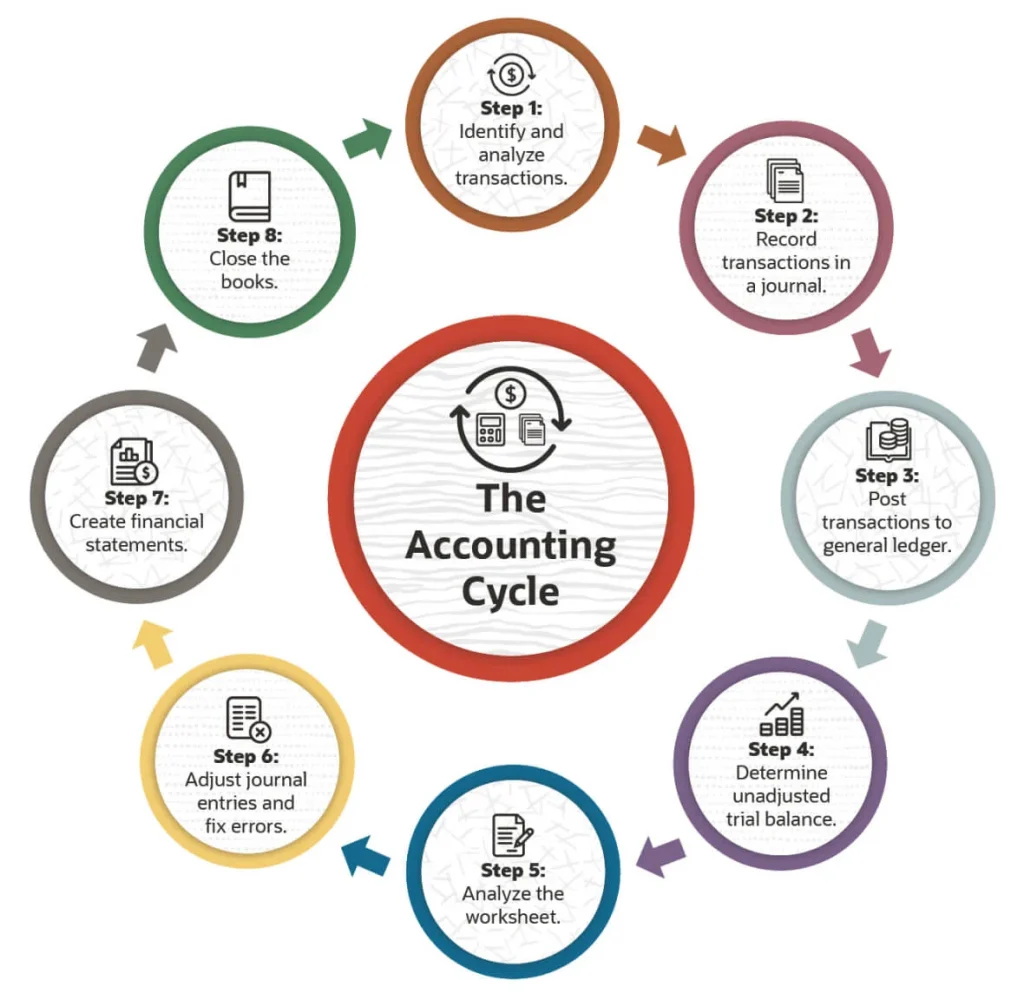
Now that you’ve decided what to use to buy crypto, let’s walk through the typical onboarding workflow. While the exact steps may vary by platform, the core process remains consistent.
1. Choose Your Platform Based on the Criteria Above
Take a moment to rank the factors that matter most—security, fees, asset variety, and user experience. This will guide you toward the most suitable service, whether it’s a centralized exchange, a broker, or a non‑custodial wallet.
2. Complete Identity Verification (KYC)
Most reputable platforms require Know‑Your‑Customer verification. Prepare a government‑issued ID, a selfie, and proof of address. The process typically takes minutes to a few days, depending on the provider.
3. Deposit Funds
You can fund your account via bank transfer, credit/debit card, or even other cryptocurrencies. Be aware of the differing processing times: ACH transfers may take 2‑3 business days, while card purchases are instant but often carry higher fees.
4. Place Your First Order
On an exchange, you’ll choose between market, limit, or stop orders. For beginners, a market order—buying at the current price—is the simplest. On a broker, you usually just specify the amount you want to spend, and the platform handles the rest.
5. Secure Your Holdings
If you used a broker, consider transferring your assets to a personal wallet for greater control. If you purchased directly through a non‑custodial wallet, ensure you’ve safely backed up the seed phrase and consider enabling additional security layers like biometric lock or hardware‑wallet integration.
Advanced Options: Exploring Hybrid and Emerging Solutions

Beyond the traditional choices, the crypto ecosystem now offers hybrid solutions that blend the best of both worlds. These are worth considering if you’re looking to answer what to use to buy crypto with a more future‑proof approach.
Decentralized Exchanges (DEXs) with Fiat On‑Ramps
Platforms like Uniswap and SushiSwap traditionally operate purely on-chain, meaning you need crypto to trade. However, new services are layering fiat on‑ramps onto DEXs, allowing you to purchase tokens directly via credit card and swap them in a decentralized manner. The trade‑off is usually higher fees and limited fiat support.
Crypto‑Enabled Banking Apps
Fintech apps such as Revolut or N26 now offer crypto buying features within their banking interface. These solutions answer the question of what to use to buy crypto for users who want a seamless experience integrated with their everyday banking, though they often limit withdrawals to the platform itself.
IRA and Retirement Accounts
For long‑term investors, you might ask what to use to buy crypto within a tax‑advantaged wrapper. Self‑directed IRAs now allow crypto holdings, letting you hold Bitcoin, Ethereum, and select altcoins in a retirement account. Our guide on Can I Buy Crypto in IRA? explains the process in detail.
Common Pitfalls and How to Avoid Them
Even after you’ve chosen the perfect tool for what to use to buy crypto, there are common mistakes that can erode your gains or expose you to unnecessary risk.
Neglecting Security Practices
Leaving 2FA disabled, reusing passwords, or storing seed phrases in plain sight are all red flags. Adopt a password manager, enable hardware‑based authentication, and keep your recovery phrase offline.
Overlooking Transaction Fees
Network congestion can cause gas fees to spike, especially on Ethereum. If you’re buying on a platform that passes these costs directly to you, consider timing your purchase during off‑peak hours or using layer‑2 solutions.
Chasing Hype Without Research
Impulse buying based on social media hype often leads to buyer’s remorse. Always research the token’s fundamentals, team, and market dynamics before allocating funds.
Failing to Diversify
Putting all your capital into a single coin is risky. Diversify across different assets, and consider allocating a portion to stablecoins for liquidity.
Wrapping Up Your Journey: Making Informed Decisions on What to Use to Buy Crypto

Answering the core question of what to use to buy crypto is less about finding a one‑size‑fits‑all solution and more about aligning the platform’s features with your personal goals. If you value deep liquidity and a wide token selection, a centralized exchange is likely the best fit. If simplicity and regulatory protection top your list, a broker platform may be the answer. And if you’re keen on owning your private keys while still enjoying a seamless purchase experience, a non‑custodial wallet with integrated fiat on‑ramps is worth exploring.
Remember to weigh security, fees, regulatory status, and user experience before committing. Start small, practice good security hygiene, and gradually expand your holdings as you grow more comfortable. The crypto landscape evolves rapidly, but the fundamentals of prudent investing—research, diversification, and risk management—remain timeless.
Now that you have a comprehensive map of the options, go ahead and take that first step. Whether you’re buying Bitcoin as a store of value, dabbling in DeFi tokens, or exploring emerging NFT‑related assets, the right tool is out there waiting for you.