Table of Contents
- can you buy crypto under 18: Legal Landscape Around the World
- can you buy crypto under 18: Custodial Accounts and How They Work
- Choosing the Right Platform When You’re Under 18
- Platforms that Accept Minors with Parental Consent
- Low‑Fee Options for Young Traders
- Safety First: How to Protect Your Crypto as a Minor
- Strong Passwords and Two‑Factor Authentication
- Understanding Private Keys and Wallet Types
- Tax Implications for Minors
- Practical Steps to Get Started (If You’re Under 18)
Cryptocurrency has become the go‑to playground for anyone looking to dip their toes into digital finance—whether it’s a seasoned trader or a teenager scrolling through TikTok memes about Bitcoin. The excitement is real, but so are the legal roadblocks, especially for people under the age of 18. If you’ve ever asked yourself “can you buy crypto under 18?”, you’re not alone. This article unpacks the rules, walks you through the platforms that might let you start early, and gives practical tips to stay safe while you explore the world of crypto.
Before we dive into the nitty‑gritty, it’s worth understanding why age matters. Most countries treat crypto like a financial asset, which means the same regulations that apply to stocks, bonds, and bank accounts also apply to digital coins. In short, age restrictions are designed to protect young people from high‑risk investments they might not fully grasp. But the landscape is shifting fast, and a few platforms are already offering teen‑friendly solutions that let you learn without breaking the law.
can you buy crypto under 18: Legal Landscape Around the World
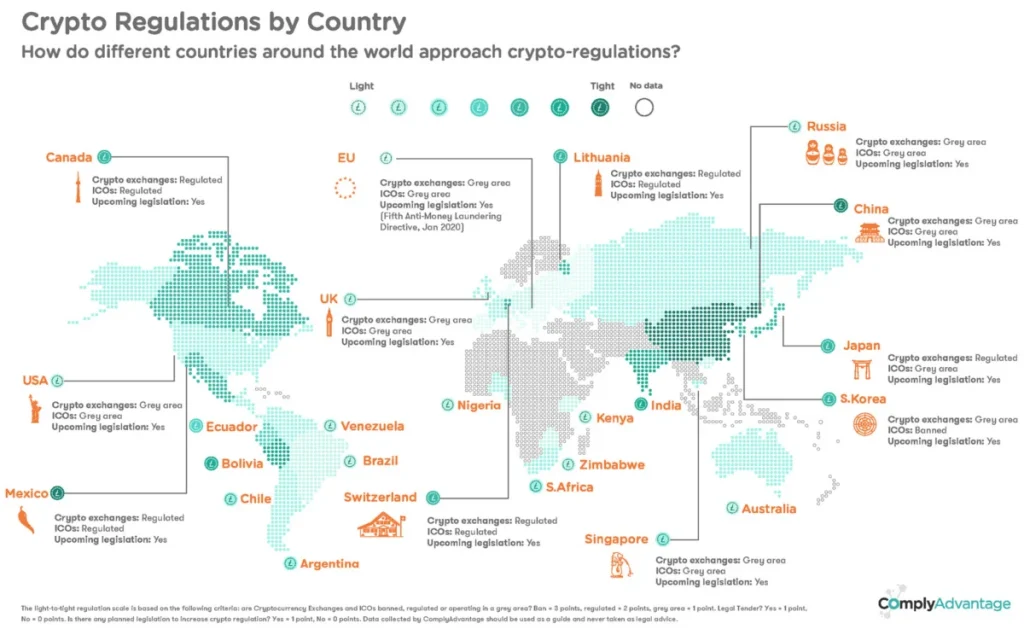
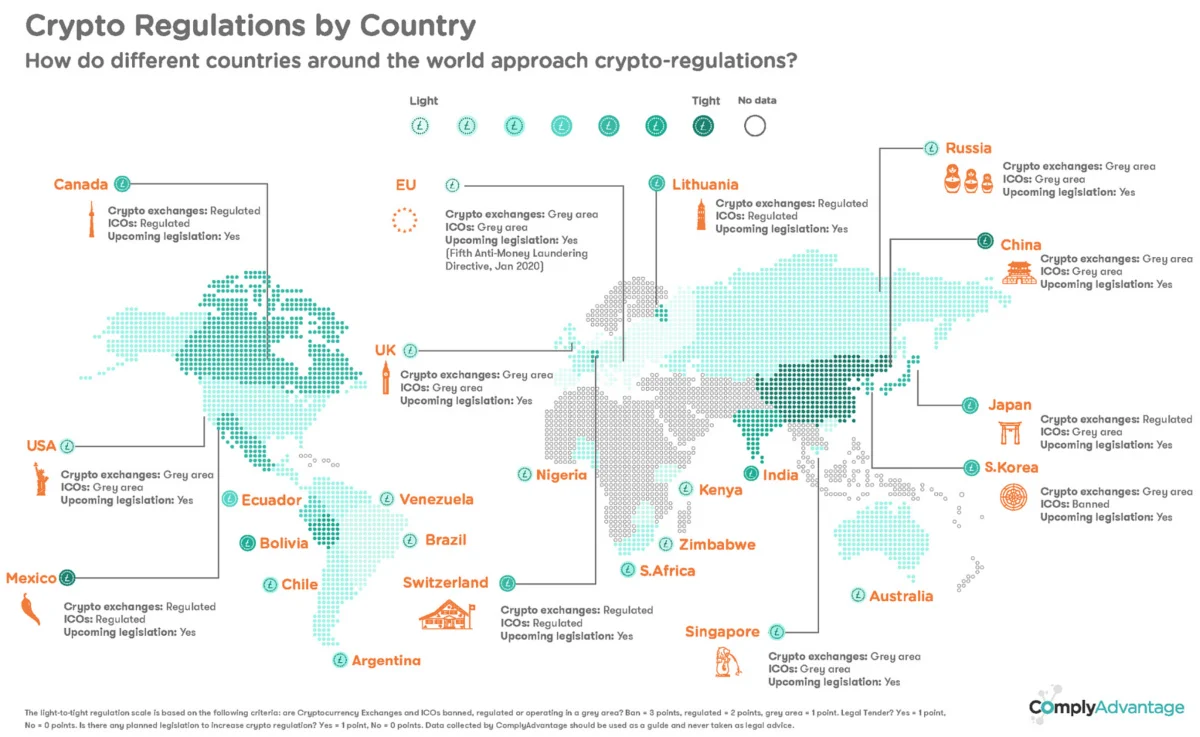
When it comes to the core question—can you buy crypto under 18?—the answer varies by jurisdiction. In the United States, the Securities and Exchange Commission (SEC) and the Financial Crimes Enforcement Network (FinCEN) require most exchanges to verify the user’s age, effectively blocking anyone under 18 from opening a standard account. The European Union follows a similar “Know Your Customer” (KYC) approach, and many Asian markets impose age limits as well.
That said, a few exceptions exist:
- Parental or Guardian Accounts: Some platforms let an adult create a custodial account where the teen can trade under supervision.
- Educational Sandbox Apps: Certain apps are built purely for learning, offering “paper trading” or simulated crypto with no real money involved.
- Crypto Debit Cards: In limited regions, prepaid crypto cards can be issued to minors with parental consent.
Even when a platform technically allows a minor, you’ll still need to navigate KYC checks, tax obligations, and the risk of losing money. Knowing the legal backdrop helps you answer “can you buy crypto under 18?” with confidence and caution.
can you buy crypto under 18: Custodial Accounts and How They Work
Custodial accounts are the most common legal pathway for minors to own cryptocurrency. Here’s how they typically function:
- Account Creation: A parent or legal guardian registers an account on a compliant exchange, providing their own identification documents.
- Permission Settings: The adult sets spending limits, withdrawal approvals, and can monitor transaction history.
- Ownership Transfer: Once the minor reaches the legal age (usually 18), ownership can be transferred to their name.
Popular exchanges like Robinhood and Cash App have experimented with custodial features, though availability may depend on your state or country. Always read the fine print—some custodial setups treat the crypto as the adult’s property until the transfer, which could affect tax reporting.
Choosing the Right Platform When You’re Under 18
Finding a platform that lets you buy crypto under 18 can feel like searching for a needle in a haystack. The key is to focus on three pillars: compliance, education, and parental involvement.
Platforms that Accept Minors with Parental Consent
While most mainstream exchanges lock out under‑18 users, a handful of services make an exception if a parent signs off:
- eToro – Offers a “Junior Account” in selected regions, allowing parents to manage the portfolio while teens learn.
- Coinbase – Does not directly support minors, but a parent can open a regular account and grant limited access via the “Family” feature.
- Bitpanda – In Europe, they provide a “Family” mode where the adult maintains control over withdrawals.
If you’re looking for a pure learning environment without real money, try a sandbox app that simulates market conditions. These tools are great for answering “can you buy crypto under 18?” in the sense that they let you practice buying, selling, and tracking without any legal hurdles.
Low‑Fee Options for Young Traders
Fees can eat into a teen’s modest budget quickly. When you finally get the green light to purchase, consider platforms with the lowest transaction costs. The article What Crypto App Has the Lowest Fees? A Deep Dive provides a detailed comparison that’s useful for anyone—especially those with limited funds.
Safety First: How to Protect Your Crypto as a Minor
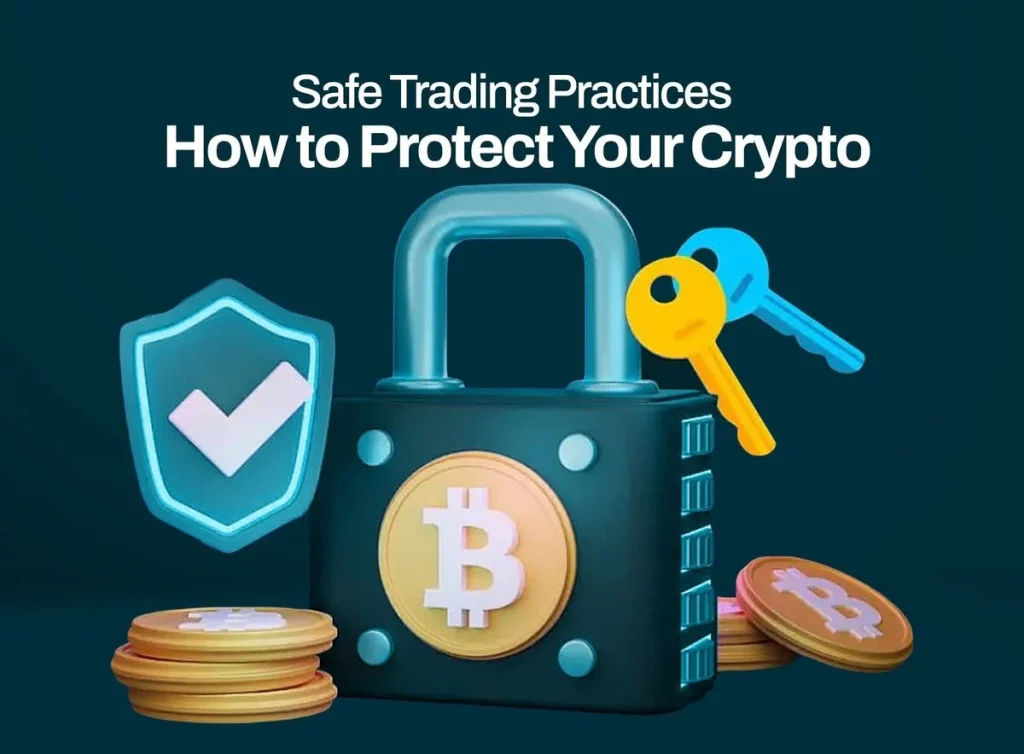
Even if you manage to answer “can you buy crypto under 18?” with a yes, protecting your assets is a whole other challenge. Young investors often underestimate the importance of security, which can lead to loss through hacks, phishing, or simple mistakes.
Strong Passwords and Two‑Factor Authentication
Never reuse passwords across sites. Use a password manager to generate a unique, complex password for every crypto platform. Then, enable two‑factor authentication (2FA) using an authenticator app rather than SMS—SMS codes can be intercepted.
Understanding Private Keys and Wallet Types
When you finally own crypto, you’ll face a choice: keep it on the exchange (custodial) or move it to a personal wallet (non‑custodial). If you decide on the latter, learn how to securely store your private key. The guide How to Find Your Crypto Wallet Address – A Complete Guide walks you through the process step by step.
- Hardware Wallets: Physical devices like Ledger or Trezor that store keys offline—ideal for long‑term holding.
- Software Wallets: Mobile or desktop apps—more convenient but require diligent security practices.
Tax Implications for Minors
Even if you’re under 18, the IRS (or your country’s tax authority) treats crypto gains as taxable events. Keep records of every purchase, sale, and exchange. Some platforms automatically generate tax reports, but it’s wise to double‑check. Ignoring taxes can turn a fun hobby into a costly legal issue.
Practical Steps to Get Started (If You’re Under 18)

- Talk to a Parent or Guardian: Explain why you want to invest and ask for their help setting up a custodial account.
- Choose a Platform: Look for one that offers a junior or family account, or start with a sandbox app for practice.
- Complete KYC: The adult will need to provide identification documents to satisfy regulatory requirements.
- Fund the Account: Use a bank transfer or debit card—many platforms have minimum deposit limits.
- Buy Your First Coin: Start small; Bitcoin and Ethereum are the most liquid, but consider diversified exposure through a stablecoin or a crypto index fund.
- Secure Your Assets: Enable 2FA, write down recovery phrases, and consider moving larger balances to a hardware wallet.
- Track Performance and Learn: Use portfolio trackers, read market news, and revisit your strategy regularly.
Remember, the goal isn’t just to own a coin; it’s to build financial literacy that will serve you for decades. Even if the answer to “can you buy crypto under 18?” is “not directly,” the pathway through parental accounts and educational tools gives you a head start.
Lastly, keep an eye on evolving regulations. Lawmakers worldwide are still figuring out how to treat minors in the crypto space, and new legislation could open—or close—opportunities. Staying informed ensures you’ll be ready to act when the rules shift in your favor.
So, can you buy crypto under 18? The short answer: not on your own, but with the right guidance, parental involvement, and a compliant platform, you absolutely can start learning and even investing responsibly. Dive in, stay safe, and let the world of decentralized finance become a part of your financial education.