Table of Contents
- How to Compare Auto Insurance Policies: A Step‑by‑Step Guide
- 1. Gather Your Personal and Vehicle Information
- 2. Identify the Coverage Types You Need
- 3. Use an Online Comparison Tool
- 4. Examine the Premium Breakdown
- 5. Evaluate Discounts and Bundling Opportunities
- 6. Check the Insurer’s Reputation and Claims Process
- 7. Review Policy Terms and Exclusions
- Key Factors That Influence How to Compare Auto Insurance Policies Effectively
- Geographic Location and State Regulations
- Driving Record and Credit Score
- Vehicle Age, Make, and Safety Features
- Deductible Choices
- Policy Limits and Add‑Ons
- Practical Tools and Resources to Simplify the Comparison Process
- Insurance Comparison Websites
- Mobile Apps for Policy Management
- State Insurance Department Resources
- Common Mistakes to Avoid When Comparing Auto Insurance Policies
- Real‑World Example: From Quote to Policy Selection
Choosing the right auto insurance can feel like navigating a maze of jargon, numbers, and fine print. You want coverage that protects you and your vehicle, but you also don’t want to overpay for features you’ll never use. Whether you’re a first‑time driver, a seasoned motorist, or simply looking to switch providers, mastering how to compare auto insurance policies is essential for making an informed decision.
In this article we’ll break down the process into bite‑size steps, spotlight the hidden costs that can creep into your premium, and share practical tools that help you line up the best options side‑by‑side. By the end, you’ll have a clear roadmap to evaluate policies like a pro and feel confident that you’re getting the most bang for your buck.
Before diving deep, remember that the “best” policy isn’t always the cheapest one. It’s about the right mix of coverage, cost, and customer service that matches your driving habits, vehicle type, and personal risk tolerance.
How to Compare Auto Insurance Policies: A Step‑by‑Step Guide
Comparing auto insurance policies can be overwhelming if you don’t have a systematic approach. Follow these seven steps to streamline the process and ensure you cover every critical aspect.
1. Gather Your Personal and Vehicle Information
Insurers need a snapshot of who you are and what you drive. Collect the following details before you start requesting quotes:
- Driver’s license number and driving history (tickets, accidents, claims).
- Vehicle identification number (VIN), make, model, year, and mileage.
- Current address and any previous insurance policies.
- Typical annual mileage and primary use (commuting, business, leisure).
Having this information ready will make the quoting process smoother and ensure the quotes you receive are based on the same data, making it easier to compare.
2. Identify the Coverage Types You Need
Auto insurance isn’t one‑size‑fits‑all. The core coverage categories include:
- Liability (Bodily Injury & Property Damage) – required by law in most states.
- Collision – covers damage to your car from a crash.
- Comprehensive – protects against non‑collision events like theft, fire, or natural disasters.
- Uninsured/Underinsured Motorist – crucial if you’re hit by a driver without adequate coverage.
- Medical Payments / Personal Injury Protection (PIP) – helps with medical expenses.
Determine which of these you truly need based on your vehicle’s value, your financial situation, and state requirements. This step directly influences how to compare auto insurance policies because you’ll be matching like‑for‑like coverage across providers.
3. Use an Online Comparison Tool
Instead of calling each insurer individually, leverage technology. Tools like the one described in How to Get Multiple Car Insurance Quotes at Once – The Ultimate Guide let you input your data once and receive several quotes side‑by‑side. This not only saves time but also reduces the chance of human error when transcribing figures.
4. Examine the Premium Breakdown
When you receive quotes, don’t just glance at the total premium. Look at the components that make up the price:
- Base rate – the core cost of the coverage you selected.
- Discounts – safe driver, multi‑policy, anti‑theft device, good student, etc.
- Fees & surcharges – policy fee, administrative fee, or state taxes.
- Deductibles – higher deductibles lower premiums but increase out‑of‑pocket costs after a claim.
Understanding each piece helps you see where you might negotiate or adjust coverage to lower your cost.
5. Evaluate Discounts and Bundling Opportunities
Many insurers reward drivers who bundle policies. If you already have homeowners or renters insurance, ask about a Home and Car Insurance Bundle Quotes: How to Save Big. Common discounts include:
- Multi‑car discount
- Good student or veteran discount
- Safe driver (no accidents or tickets)
- Low mileage discount
- Pay‑in‑full or automatic payment discount
Stacking discounts can shave off 10‑25% from the baseline premium, dramatically affecting the outcome of how to compare auto insurance policies.
6. Check the Insurer’s Reputation and Claims Process
Price isn’t everything. A cheap policy that drags its feet on claims can cost you more in the long run. Look for:
- Customer satisfaction scores (J.D. Power, Consumer Reports).
- Claims handling time and payout ratios.
- Financial strength ratings from A.M. Best or Standard & Poor’s.
- Online reviews focusing on real‑world experiences.
Choosing a reputable insurer ensures that when you need to file a claim, the process is smooth and transparent.
7. Review Policy Terms and Exclusions
Finally, read the fine print. Some policies may exclude certain drivers, have mileage caps, or limit coverage for specific parts (e.g., aftermarket modifications). Make sure the policy you select aligns with your lifestyle and that you’re not surprised by hidden exclusions.
Key Factors That Influence How to Compare Auto Insurance Policies Effectively
While the steps above give you a roadmap, there are broader factors that subtly shift the balance when you’re weighing options.
Geographic Location and State Regulations
Insurance requirements differ state by state. For example, “no‑fault” states require Personal Injury Protection, while others focus heavily on liability limits. Your location also affects risk assessment—urban drivers often face higher premiums than rural drivers due to increased accident likelihood.
Driving Record and Credit Score
Most insurers use a combination of driving history and credit-based insurance scores to set rates. A clean record and strong credit can lower your premium substantially, while a recent ticket or low credit score can bump it up.
Vehicle Age, Make, and Safety Features
Newer cars equipped with advanced safety tech (e.g., automatic emergency braking, lane‑keep assist) often qualify for lower rates because they reduce the probability of an accident. Conversely, high‑performance or luxury vehicles may attract higher premiums due to higher repair costs.
Deductible Choices
Adjusting your deductible is a quick way to influence premium costs. A $1,000 deductible typically saves you more than a $250 deductible, but you must be comfortable covering the higher out‑of‑pocket amount if a claim arises.
Policy Limits and Add‑Ons
Higher limits provide more protection but increase the premium. Optional add‑ons like roadside assistance, rental reimbursement, or gap coverage should be evaluated based on your actual need. If you seldom travel far, roadside assistance might be unnecessary, saving you money.
Practical Tools and Resources to Simplify the Comparison Process
Beyond the basic steps, a few digital tools can make the entire exercise of how to compare auto insurance policies faster and more accurate.
Insurance Comparison Websites
Sites such as NerdWallet, The Zebra, or Compare.com aggregate quotes from multiple carriers. They often include filter options for coverage limits, deductible amounts, and discount eligibility, letting you fine‑tune results before you even talk to an agent.
Mobile Apps for Policy Management
Many insurers now offer apps where you can view your policy, file claims, and even request a quote for a new policy with a few taps. Having your existing policy on hand helps you compare side‑by‑side with new offers.
State Insurance Department Resources
State regulators publish consumer guides and complaint statistics. Checking these resources can give you insight into an insurer’s complaint ratio and overall compliance with state laws.
Common Mistakes to Avoid When Comparing Auto Insurance Policies
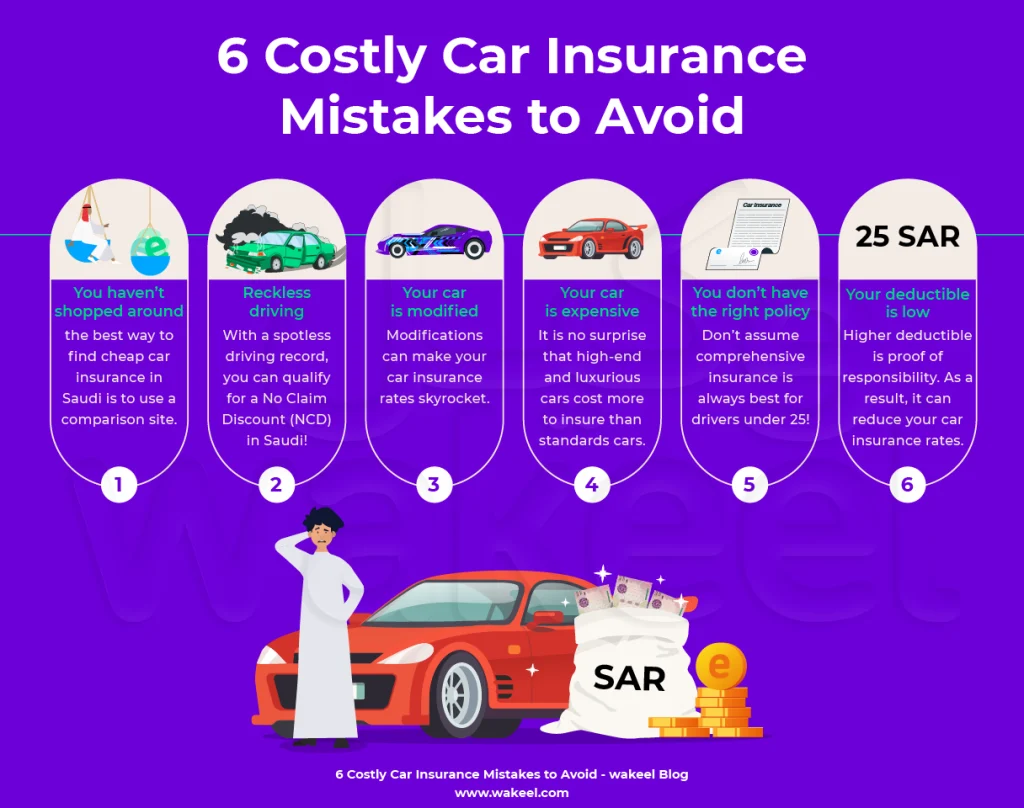
Even seasoned shoppers can fall into traps that skew the results of how to compare auto insurance policies. Keep an eye out for these pitfalls:
- Focusing only on the monthly premium – Ignoring deductibles, coverage limits, and fees can lead to a higher overall cost.
- Assuming the cheapest quote is best – Low rates may come with minimal coverage or poor claim service.
- Skipping the fine print – Exclusions, mileage caps, and driver eligibility clauses can nullify a seemingly great deal.
- Not updating your policy annually – Life changes (marriage, moving, new vehicle) can open up new discounts.
- Overlooking bundling opportunities – Combining auto with home, renters, or umbrella policies often yields significant savings.
Real‑World Example: From Quote to Policy Selection

Let’s walk through a hypothetical scenario. Jane, a 32‑year‑old teacher living in Orlando, drives a 2018 Honda Civic. She has a clean driving record, a good credit score, and currently pays $1,200 annually for liability only.
- She gathers her driver’s license, VIN, and mileage (12,000 mi/yr).
- She decides she wants full coverage (liability, collision, comprehensive) with a $500 deductible.
- Using a comparison site, she receives three quotes:
- Insurer A: $1,450 – includes multi‑car discount (she also owns a second car).
- Insurer B: $1,380 – offers a safe driver discount and a $100 loyalty credit.
- Insurer C: $1,320 – lower base rate but no discount for bundling.
- She examines the premium breakdown and discovers Insurer C’s lower price comes from a higher deductible ($1,000) and no roadside assistance.
- She checks J.D. Power scores: Insurer A (4.5/5), B (4.2/5), C (3.8/5).
- After weighing cost, discount eligibility, and claim reputation, Jane chooses Insurer B, saving $80 over her old policy while gaining added benefits she values.
This example illustrates how a systematic approach to how to compare auto insurance policies leads to a balanced decision that isn’t solely price‑driven.
In summary, comparing auto insurance isn’t a one‑time task but an ongoing habit. By gathering accurate data, understanding coverage needs, leveraging comparison tools, and scrutinizing the fine print, you’ll be equipped to make smarter choices. Remember to revisit your policy every 12‑18 months, especially after life events that could unlock new discounts.
Armed with the strategies outlined above, you can confidently navigate the insurance marketplace, protect yourself on the road, and keep more money in your pocket.