Table of Contents
- Understanding e & o insurance for real estate agents
- Key components of e & o insurance for real estate agents
- Why every real estate agent needs e & o insurance
- How to choose the right e & o insurance for real estate agents
- Step 1: Assess your risk profile
- Step 2: Compare coverage limits and deductibles
- Step 3: Evaluate the insurer’s reputation
- Step 4: Review policy exclusions
- Step 5: Get multiple quotes
- Step 6: Consider bundling options
- Common misconceptions about e & o insurance for real estate agents
- Myth 1: “My brokerage’s policy covers me automatically.”
- Myth 2: “I don’t need e & o insurance if I have a solid contract.”
- Myth 3: “The cheapest policy is the best value.”
- Real‑world examples: What can go wrong without proper coverage?
- Tips for maintaining a healthy e & o insurance program
- How e & o insurance ties into broader business protection
Real estate agents juggle dozens of responsibilities every day—from showing homes to negotiating contracts and handling escrow paperwork. While most agents focus on closing deals, a single misstep can trigger a costly lawsuit that threatens both personal finances and the reputation of the entire brokerage. That’s where **e & o insurance for real estate agents** steps in, acting as a safety net that lets professionals work with confidence.
In this article we’ll break down exactly what e & o insurance is, why it’s a non‑negotiable part of a real‑estate career, and how agents can pick a policy that matches their unique risk profile. We’ll also sprinkle in practical tips, common pitfalls, and a few handy resources to keep you ahead of the curve. Whether you’re a rookie agent, a seasoned broker, or a brokerage owner looking to protect your team, you’ll find actionable insights that go beyond the typical sales copy you see on insurance websites.
Understanding e & o insurance for real estate agents
“E & O” stands for **Errors and Omissions**. In the context of real‑estate, it’s also called professional liability insurance. The policy is designed to cover the costs associated with lawsuits that allege a mistake, negligence, or failure to perform professional duties. Unlike general liability insurance—which deals with slip‑and‑fall accidents on office premises—e & o insurance specifically protects against claims like:
- Misrepresentation of property facts (e.g., square footage, zoning).
- Failure to disclose known defects.
- Missing a critical deadline in a contract.
- Incorrect advice on financing or tax implications.
- Claims of discrimination or breach of fiduciary duty.
When a client sues, the insurer typically covers legal defense fees, settlement amounts, and any court‑ordered judgments—up to the policy’s limit. This can be a lifesaver, as legal costs in real‑estate disputes can quickly climb into six‑figure territory.
Key components of e & o insurance for real estate agents
Every policy shares a core set of elements, but the specifics can vary widely between carriers. Understanding these components helps you compare quotes and avoid hidden gaps:
- Coverage limits: The maximum amount the insurer will pay for a single claim (per‑occurrence limit) and in total over the policy period (aggregate limit). Common limits range from $250,000 to $2 million.
- Deductibles: The amount you pay out‑of‑pocket before the insurer steps in. Higher deductibles usually lower premiums.
- Claims-made vs. occurrence policies: A claims‑made policy only covers claims filed while the policy is active, whereas an occurrence policy covers any claim arising from an incident that took place during the coverage period—even if the claim is filed later.
- Exclusions: Situations the policy won’t cover, such as intentional wrongdoing, fraudulent acts, or claims arising from activities performed before the policy’s start date.
- Additional endorsements: Optional riders that can broaden coverage—think cyber‑liability for online listings or “home‑based office” coverage for agents who work remotely.
Why every real estate agent needs e & o insurance
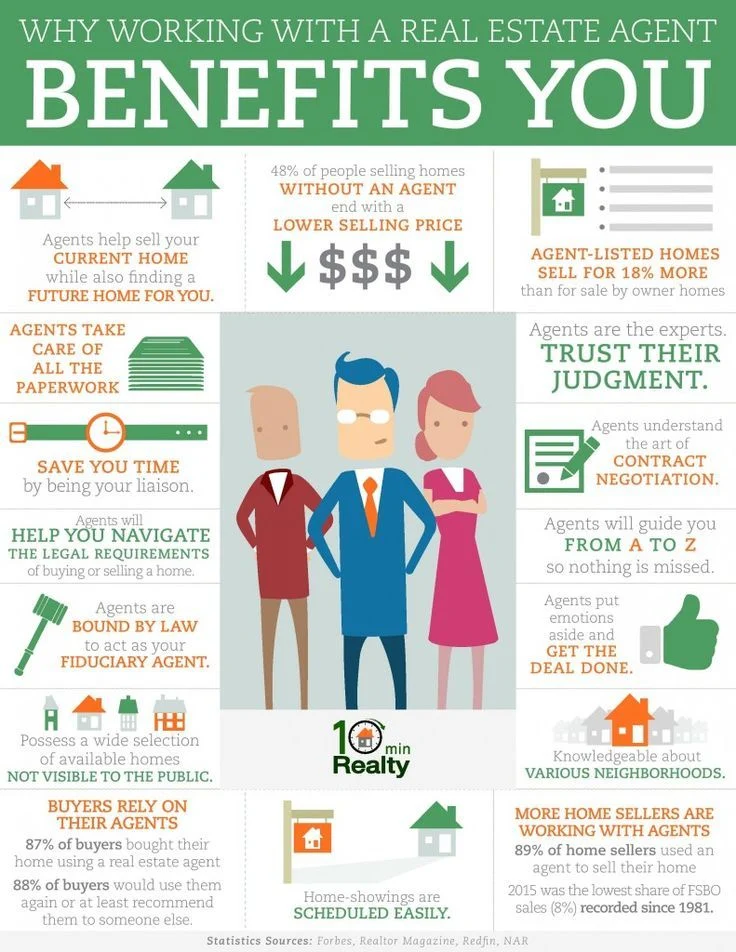
Even the most diligent agents can be caught off‑guard by a client’s misunderstanding or a simple clerical error. Here are three compelling reasons why e & o insurance for real estate agents isn’t just a nice‑to‑have—it’s essential:
- Financial protection: Legal defense fees alone can drain a modest savings account. A robust e & o policy shields you from unexpected out‑of‑pocket expenses.
- Client confidence: Prospective buyers and sellers feel more secure knowing their agent is covered. It’s a subtle trust signal that can set you apart in a crowded market.
- Brokerage compliance: Many broker‑owners require agents to carry a minimum e & o coverage as a condition of employment. Failure to comply can lead to termination or loss of licensure.
In addition, many state real‑estate commissions encourage—or even mandate—agents to hold e & o insurance. For example, California requires agents to maintain a minimum $100,000 per‑occurrence limit, while Texas recommends at least $300,000. Checking your local licensing board’s requirements is a smart first step.
How to choose the right e & o insurance for real estate agents
Choosing the right policy can feel overwhelming, especially when you’re already juggling listings and client calls. Below is a step‑by‑step framework that keeps the decision process organized and ensures you don’t overlook critical factors.
Step 1: Assess your risk profile
Consider the following variables:
- Geographic market: High‑value markets (e.g., Manhattan, Beverly Hills) typically demand higher coverage limits due to larger transaction sizes.
- Transaction volume: More deals mean a higher probability of a claim.
- Specializations: Luxury homes, commercial properties, or short‑sale transactions often carry unique exposures.
Step 2: Compare coverage limits and deductibles
Don’t automatically go for the cheapest premium. A policy with a low per‑occurrence limit may leave you exposed if a claim exceeds that amount. Use a simple rule of thumb: set your limit at least three times the average value of the transactions you handle.
Step 3: Evaluate the insurer’s reputation
Look for carriers with strong financial ratings (A‑, A+, or higher from agencies like A.M. Best) and solid claim‑handling reviews. A quick search for “best insurance for real estate agents” can give you a sense of market leaders, but remember to read the fine print.
Step 4: Review policy exclusions
Make a checklist of common exclusions and see if they align with your business practices. For instance, if you frequently use digital signatures, ensure the policy covers electronic document errors.
Step 5: Get multiple quotes
Just like shopping for a home, gathering several quotes helps you spot pricing anomalies and negotiate better terms. Tools like How to Compare Auto Insurance Policies – The Complete Guide illustrate the value of side‑by‑side comparison, even if the guide focuses on auto coverage.
Step 6: Consider bundling options
If you already have other business policies (general liability, workers’ comp, or cyber liability), many insurers offer discounts for bundling. This can reduce overall costs while maintaining comprehensive protection.
Common misconceptions about e & o insurance for real estate agents
Even seasoned agents sometimes operate under false assumptions. Let’s debunk a few myths that could cost you dearly.
Myth 1: “My brokerage’s policy covers me automatically.”
While many broker‑owned policies extend coverage to agents, the limits may be insufficient for individual needs, especially if you handle high‑value transactions. Always verify the exact scope and consider supplemental personal coverage.
Myth 2: “I don’t need e & o insurance if I have a solid contract.”
Contracts are essential, but they don’t prevent lawsuits. A well‑drafted contract can mitigate liability, but it can’t eliminate the risk of a client alleging negligence.
Myth 3: “The cheapest policy is the best value.”
Low premiums often come with lower limits, higher deductibles, or restrictive exclusions. A policy that appears cheap today could leave you exposed when a claim arises.
Real‑world examples: What can go wrong without proper coverage?

To illustrate the stakes, here are two anonymized case studies drawn from industry reports:
- Case A – Undisclosed foundation issue: An agent failed to disclose a known foundation crack in a suburban home. The buyer later sued for $750,000 in repair costs and damages. Because the agent’s policy had a $500,000 per‑occurrence limit, the brokerage had to cover the remaining $250,000 out‑of‑pocket.
- Case B – Missed deadline on escrow: A rookie agent missed a critical escrow deadline, causing the deal to fall through. The seller sued for lost profit, claiming $300,000. The agent’s insurance covered legal fees and the settlement, but the deductible of $10,000 still hit the agent’s personal savings.
Both scenarios underscore how a well‑structured e & o policy can absorb the bulk of financial fallout, while inadequate limits or high deductibles can still strain personal finances.
Tips for maintaining a healthy e & o insurance program
Insurance isn’t a “set it and forget it” solution. Keep your coverage effective with these ongoing practices:
- Annual policy review: Reassess limits and endorsements each year, especially after a significant change in transaction volume or market focus.
- Continuous education: Stay updated on state licensing requirements and industry best practices. Many professional associations offer risk‑management webinars that can lower your premium.
- Document everything: Keep detailed records of client communications, disclosures, and signed agreements. Solid documentation is your first line of defense in a lawsuit.
- Risk‑management checklist: Use a checklist for each listing—verify property facts, confirm disclosures, and double‑check contract dates. A systematic approach reduces the chance of human error.
How e & o insurance ties into broader business protection
While e & o insurance focuses on professional errors, it works best when paired with complementary policies. For instance, Professional Liability Insurance for Small Businesses – What You Need to Know provides a broader umbrella that can cover other professional services you might offer, such as property management or consulting. Bundling these policies often yields cost savings and simplifies renewal processes.
Moreover, a solid e & o policy can enhance your credibility with lenders, investors, and partners who evaluate risk before entering joint ventures. In an industry where reputation is currency, having comprehensive coverage signals professionalism and foresight.
In summary, e & o insurance for real estate agents is far more than a regulatory checkbox—it’s a strategic asset that protects your finances, reinforces client trust, and safeguards your brokerage’s long‑term viability. By understanding the nuances of coverage, comparing quotes intelligently, and staying proactive with risk‑management habits, you can focus on what you do best: helping clients find their dream homes.