Table of Contents
- Understanding e&o Insurance for Real Estate
- Key Components of e&o Insurance for Real Estate
- Why Every Real Estate Professional Needs e&o Insurance
- Financial Protection
- Client Confidence
- Regulatory Compliance
- Risk Management Tool
- Choosing the Right e&o Insurance for Real Estate
- 1. Assess Your Exposure
- 2. Compare Coverage Limits and Deductibles
- 3. Look for Industry‑Specific Endorsements
- 4. Check the Carrier’s Reputation
- 5. Evaluate the Claims Process
- 6. Review the Policy’s Fine Print
- Cost Factors: What Influences Your Premium?
- Common Misconceptions About e&o Insurance for Real Estate
- Myth 1: “I’m covered by my brokerage’s policy.”
- Myth 2: “General liability is enough.”
- Myty 3: “I’ll never make a mistake, so I don’t need it.”
- How to File a Claim: A Step‑by‑Step Walkthrough
- Beyond Insurance: Complementary Risk‑Management Practices
- Real‑World Example: How e&o Insurance Saved a Deal
- Wrapping It All Up
When you step into the world of real estate, you quickly realize that success isn’t just about closing deals or finding the perfect property. It’s also about protecting yourself against the unexpected – lawsuits, client complaints, and costly mistakes. That’s where e&o insurance for real estate comes into play. This specialized form of professional liability coverage is designed to shield agents, brokers, and even property managers from the financial fallout of errors, omissions, or negligence.
In this article we’ll break down the nuts and bolts of e&o insurance for real estate, explore why it’s a must‑have, and give you practical tips on selecting a policy that fits your business model. Whether you’re a solo agent, part of a boutique brokerage, or managing a large portfolio of rental properties, the right coverage can mean the difference between weathering a claim and watching your hard‑earned reputation crumble.
Understanding e&o Insurance for Real Estate
e&o insurance for real estate (errors and omissions insurance) is essentially a safety net that covers legal defense costs and any settlements or judgments that arise from professional mistakes. Unlike general liability insurance, which protects against bodily injury or property damage caused by your physical operations, e&o focuses on the intangible risks tied to the advice and services you provide.
Typical scenarios that trigger a claim include:
- Misrepresenting a property’s square footage or zoning status.
- Failing to disclose known defects or environmental hazards.
- Providing inaccurate market analysis that leads a client to overpay.
- Negligent handling of escrow funds or contract deadlines.
Even a single slip‑up can result in a lawsuit that drags on for months, racking up attorney fees and potentially a hefty payout. That’s why many states mandate e&o coverage for licensed real estate professionals, and why savvy agents treat it as a core part of their risk‑management strategy.
Key Components of e&o Insurance for Real Estate
When you shop for e&o insurance for real estate, you’ll encounter several critical components that shape the protection you receive:
- Coverage Limits: The maximum amount the insurer will pay per claim and in aggregate over the policy period. Common limits range from $250,000 to $1 million, but high‑volume brokerages may opt for $5 million or more.
- Deductibles: The out‑of‑pocket amount you must cover before the insurer steps in. Lower deductibles reduce your premium but increase your immediate cost if a claim occurs.
- Retroactive Date: The date from which the policy will cover incidents. If you switch insurers, make sure the new policy’s retroactive date precedes any prior claims.
- Exclusions: Specific situations that aren’t covered, such as fraudulent acts, bodily injury, or claims arising from non‑licensed activities.
- Claims-Made vs. Occurrence Policies: Most e&o policies are claims‑made, meaning they cover claims filed while the policy is active, regardless of when the error happened. An occurrence policy would cover any incident that occurred during the policy period, even if the claim is filed later.
Why Every Real Estate Professional Needs e&o Insurance
The real estate market is a high‑stakes arena where a single miscommunication can spiral into a legal battle. Below are the top reasons why e&o insurance for real estate is non‑negotiable:
Financial Protection
Legal defense fees can easily exceed $100,000, and settlements can climb even higher. Without e&o coverage, you’d have to shoulder these costs personally, which could cripple a small brokerage or force a solo agent into bankruptcy.
Client Confidence
Clients feel more secure knowing their agent has professional liability protection. It signals that you take your responsibilities seriously and are prepared for the unexpected.
Regulatory Compliance
Many state real estate commissions require agents to maintain e&o insurance as a condition of licensure. Failure to comply can result in fines, license suspension, or even revocation.
Risk Management Tool
Insurers often provide risk‑management resources, such as best‑practice checklists and training webinars. By staying proactive, you reduce the likelihood of a claim in the first place.
Choosing the Right e&o Insurance for Real Estate
Selecting a policy isn’t just about grabbing the cheapest quote. You need a blend of adequate coverage, reputable carrier, and tailored features that align with your business model. Here’s a step‑by‑step guide to help you navigate the selection process.
1. Assess Your Exposure
Start by listing the types of transactions you handle – residential sales, commercial leases, property management, or development consulting. Each line of work carries its own risk profile. For example, a property manager who handles multiple rental units may need higher limits than an agent who focuses on single‑family homes.
2. Compare Coverage Limits and Deductibles
Higher limits give you a broader safety net but usually raise the premium. Balance the two based on your annual revenue and the size of your typical deals. A rule of thumb is to set limits at least 2‑3 times the average transaction value you handle.
3. Look for Industry‑Specific Endorsements
Some insurers offer endorsements that cover niche activities, like landlord‑tenant disputes or escrow errors. If you wear multiple hats, make sure these optional add‑ons are available.
4. Check the Carrier’s Reputation
Read reviews, consult the Better Business Bureau, and ask fellow agents about their experiences. A financially stable carrier with a fast claims process can make a world of difference when you need support.
5. Evaluate the Claims Process
Ask the insurer about turnaround times, required documentation, and whether they assign a dedicated claims adjuster. The smoother the process, the less you’ll stress during a legal showdown.
6. Review the Policy’s Fine Print
Pay close attention to exclusions, especially around “known risks” and “fraudulent acts.” If you’re uncertain about any clause, consult a legal professional before signing.
Need a concrete example of how a well‑crafted e&o policy can protect you? Check out our detailed piece on e & o insurance for real estate agents: Essential Guide for a deep dive into real‑world scenarios.
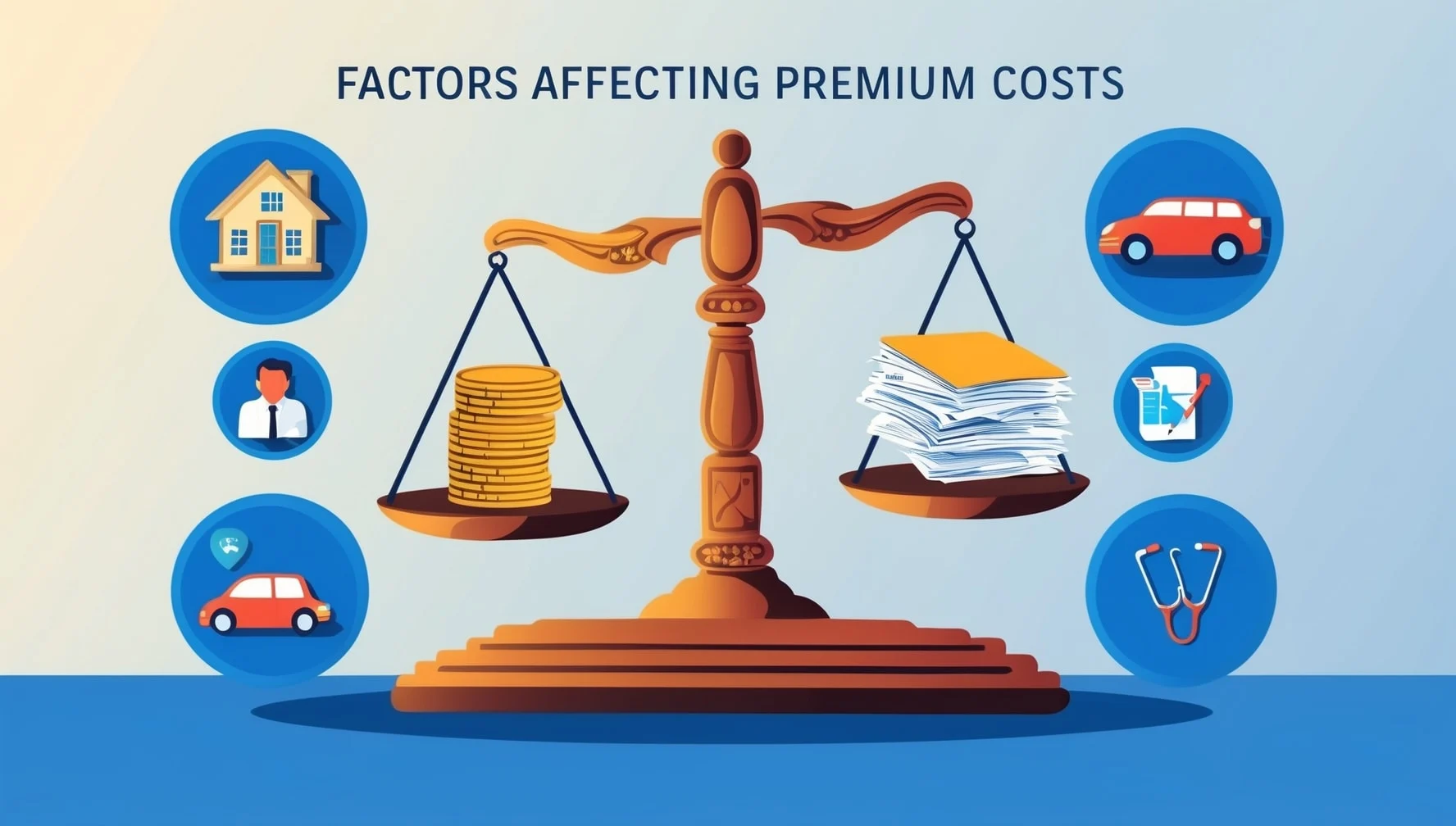
Cost Factors: What Influences Your Premium?
While the price of e&o insurance for real estate varies, several key factors drive the premium amount:
- Experience Level: New agents often face higher rates until they build a clean claims history.
- Geographic Location: Markets with higher transaction values or more litigious climates (e.g., California, New York) tend to have steeper premiums.
- Claims History: A clean record can earn discounts, whereas past claims will raise costs.
- Policy Limits & Deductibles: As mentioned, higher limits and lower deductibles increase the premium.
- Business Structure: Sole proprietors may pay less than larger brokerages, but the latter can negotiate group rates.
If you’re looking to shave off a few dollars while maintaining solid coverage, read our Cheap Insurance Quotes for Bad Driving Record – How to Save Big guide. The strategies for cutting premiums in auto insurance often translate well to professional liability policies.
Common Misconceptions About e&o Insurance for Real Estate
Even seasoned agents sometimes fall prey to myths that can leave them under‑protected. Let’s debunk a few:
Myth 1: “I’m covered by my brokerage’s policy.”
Many brokerages provide a “claims‑made” policy that only covers agents while they’re actively employed. Once you leave, you may lose coverage for any incidents that occurred during your tenure. It’s wise to maintain an individual “tail” endorsement to extend protection.
Myth 2: “General liability is enough.”
General liability covers bodily injury and property damage, but it does nothing for a client suing you over a mistaken appraisal or undisclosed defect. Both policies serve different purposes and should coexist.
Myty 3: “I’ll never make a mistake, so I don’t need it.”
Human error is inevitable. Even the most diligent agents can misinterpret a zoning map or overlook a title issue. Insurance isn’t an admission of incompetence; it’s a prudent safety net.
How to File a Claim: A Step‑by‑Step Walkthrough
When a claim lands on your desk, staying organized can save you time and money. Follow these steps:
- Notify Your Insurer Immediately: Most policies require prompt notification, typically within 30 days of becoming aware of the potential claim.
- Gather Documentation: Compile contracts, emails, listings, and any other relevant paperwork. The more evidence you provide, the smoother the investigation.
- Cooperate with the Adjuster: Answer questions honestly and provide requested records. Transparency helps avoid claim denial.
- Stay Informed: Request regular updates on the claim’s status. If the insurer offers a legal defense team, engage them early.
- Maintain Confidentiality: Discuss the claim only with your insurer, attorney, and necessary internal personnel.
Having a solid claims process in place not only protects your bottom line but also preserves your professional reputation.
Beyond Insurance: Complementary Risk‑Management Practices
While e&o insurance for real estate is essential, pairing it with proactive risk‑management tactics can further lower your exposure:
- Standardized Checklists: Use a pre‑transaction checklist to verify disclosures, inspections, and contract deadlines.
- Continuing Education: Stay updated on local regulations, fair housing laws, and emerging market trends.
- Client Communication Protocols: Document every conversation in writing and confirm key details via email.
- Professional Memberships: Organizations like the National Association of Realtors (NAR) often provide legal resources and liability protections.
Integrating these habits with your e&o coverage creates a robust shield that can withstand even the most aggressive lawsuits.
Real‑World Example: How e&o Insurance Saved a Deal
Consider the case of a mid‑size brokerage in Texas that inadvertently omitted a known flood risk from a property’s disclosure packet. The buyer later sued for $250,000 in damages after the home suffered severe water damage. Because the brokerage carried a $1 million e&o policy with a $10,000 deductible, the insurer handled the legal defense and settled the claim for $225,000. The brokerage’s out‑of‑pocket cost was limited to the deductible, preserving cash flow and allowing them to continue operations without major disruption.
This story underscores why e&o insurance isn’t a “nice‑to‑have” but a vital component of any real estate business strategy.
Wrapping It All Up

In the fast‑paced world of property transactions, mistakes happen. e&o insurance for real estate provides the financial cushion and peace of mind you need to navigate those inevitable bumps. From understanding coverage limits and policy types to selecting the right carrier and implementing solid risk‑management practices, you now have a comprehensive roadmap to protect yourself, your clients, and your business.
Remember, the right e&o policy is an investment in longevity. It safeguards not only your wallet but also your reputation—a priceless asset in a field built on trust. So, take the time to assess your exposure, compare quotes, and partner with an insurer that truly understands the nuances of real estate. Your future self will thank you when a claim comes knocking, and you’re already prepared to answer confidently.