Table of Contents
- Understanding: is vehicle registration the same as insurance?
- Key differences: is vehicle registration the same as insurance?
- Why states tie insurance to registration
- What happens if you mix them up?
- How to keep both in sync without stress
- Set calendar reminders
- Choose bundled coverage
- Use electronic proof
- Automate payments
- Special cases: what if your tags are expired?
- Frequently asked questions
- Do I need both registration and insurance to legally drive?
- Which one is more expensive?
- Can I register a vehicle without insurance if I’m not planning to drive it?
- What happens if I sell my car?
- Bottom line
When you hear the phrase “vehicle registration,” it often conjures images of license plates, renewal stickers, and a trip to the DMV. At the same time, “insurance” evokes thoughts of premiums, coverage limits, and claims after an accident. It’s easy to see why many drivers wonder if these two concepts overlap or even replace each other. In reality, they serve distinct legal and financial purposes, and confusing them can lead to costly mistakes.
In this article we’ll untangle the relationship between the two, break down the essential duties each imposes on vehicle owners, and give you practical tips to stay compliant without overpaying. Whether you’re a first‑time driver, a seasoned motorist, or simply curious about the paperwork that keeps your car legally on the road, you’ll find the answers you need.
Let’s start by laying out the basics: registration is a government‑issued acknowledgment that your vehicle is listed in the state’s records, while insurance is a private‑sector contract that protects you financially from loss or damage. Though both are mandatory in most jurisdictions, they operate under completely different rules.
Understanding: is vehicle registration the same as insurance?
Short answer: no. Vehicle registration is a state‑controlled process that confirms you own—or have the right to operate—a particular vehicle. It results in a registration certificate, a set of license plates, and often a renewal sticker. Insurance, on the other hand, is a contract with an insurance company that promises to pay for certain losses, such as bodily injury, property damage, or theft, in exchange for a premium.
The confusion usually stems from the fact that many states require proof of insurance before they’ll issue or renew a registration. This requirement creates a perceived link, but it’s a legal prerequisite rather than a substitution. Think of registration as the “right to drive” granted by the state, while insurance is the “financial safety net” that protects you and others if something goes wrong.
Key differences: is vehicle registration the same as insurance?
- Authority: Registration is administered by state motor vehicle agencies (DMV, RMV, etc.). Insurance is sold by private companies regulated by state insurance departments.
- Purpose: Registration validates ownership and ensures the vehicle meets safety and emissions standards. Insurance provides monetary compensation for accidents, theft, or other covered events.
- Renewal Cycle: Registrations typically renew annually or biennially, often with a fee based on vehicle type, weight, and age. Insurance policies can be renewed monthly, quarterly, or annually, with premiums calculated from risk factors like driving record and location.
- Legal Consequences: Driving with expired registration can result in tickets, fines, or even impoundment. Driving without insurance can lead to larger penalties, including license suspension, higher premiums, and liability for out‑of‑pocket costs.
Why states tie insurance to registration
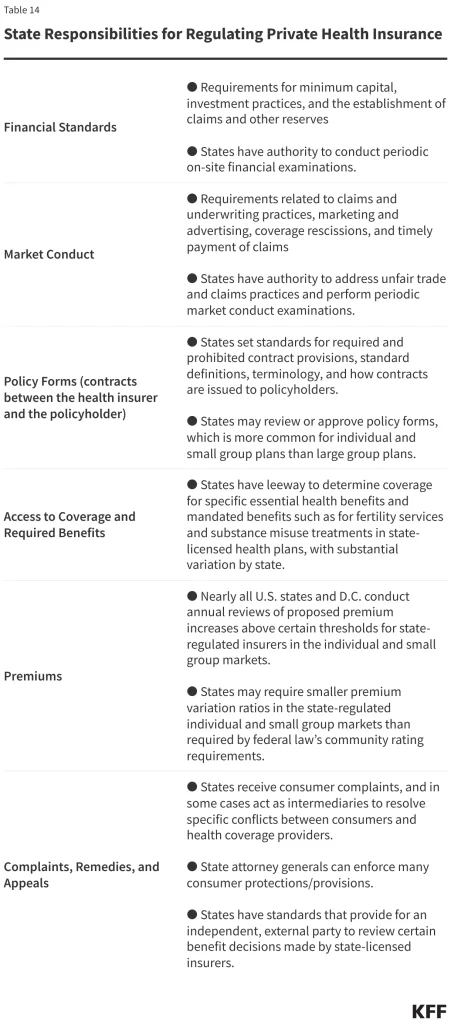
Most U.S. states have enacted “financial responsibility” laws that require drivers to demonstrate they can cover damages they might cause. The most straightforward way to enforce this is by demanding proof of insurance at the time of registration or renewal. This link ensures that a vehicle on public roads is at least minimally covered, protecting other road users and reducing the burden on state funds.
In practice, when you go to renew your plates, the clerk will ask for an insurance card or an electronic verification. If you can’t provide it, you’ll be denied registration until you secure a policy. This policy requirement does not change the fact that registration and insurance remain separate obligations.
What happens if you mix them up?

Failing to keep either one current can have serious ramifications:
- Expired registration: You may be pulled over and cited, face a fine, and your vehicle could be towed. Some states also assess a reinstatement fee on top of the standard renewal cost.
- No insurance: Beyond legal penalties, you risk personal financial ruin if you’re at fault in an accident. Medical bills, vehicle repairs, and legal fees can quickly exceed thousands of dollars.
- Both expired: Double trouble. You could be charged for both violations, and the combined costs often exceed the price of maintaining both on time.
One common myth is that if you have a valid registration, you’re automatically covered for accidents. This is simply not true. Conversely, some drivers think that a robust insurance policy exempts them from registration, which also isn’t accurate. Both are required and operate independently.
How to keep both in sync without stress
Staying on top of two separate deadlines can feel like juggling. Here are a few strategies to simplify the process:
Set calendar reminders
Mark the renewal dates for registration and insurance on your digital calendar, and set alerts a month in advance. Many insurance carriers also send renewal notices, but an extra reminder helps you avoid last‑minute scrambles.
Choose bundled coverage
If you already have a homeowners policy, look into Home and Auto Bundle Insurance Quotes: Save & Simplify. Bundling often yields discounts, reduces paperwork, and gives you a single point of contact for both policies. Some states even allow bundled discounts to reduce registration fees indirectly, though the discount applies to your insurance premium.
Use electronic proof
Most states now accept digital proof of insurance displayed on a smartphone. This eliminates the need to keep a paper card in the glove compartment and speeds up the registration process at the DMV kiosk.
Automate payments
Set up automatic monthly or annual payments for both registration fees (many states support online auto‑pay) and insurance premiums. This prevents missed payments due to oversight.
Special cases: what if your tags are expired?
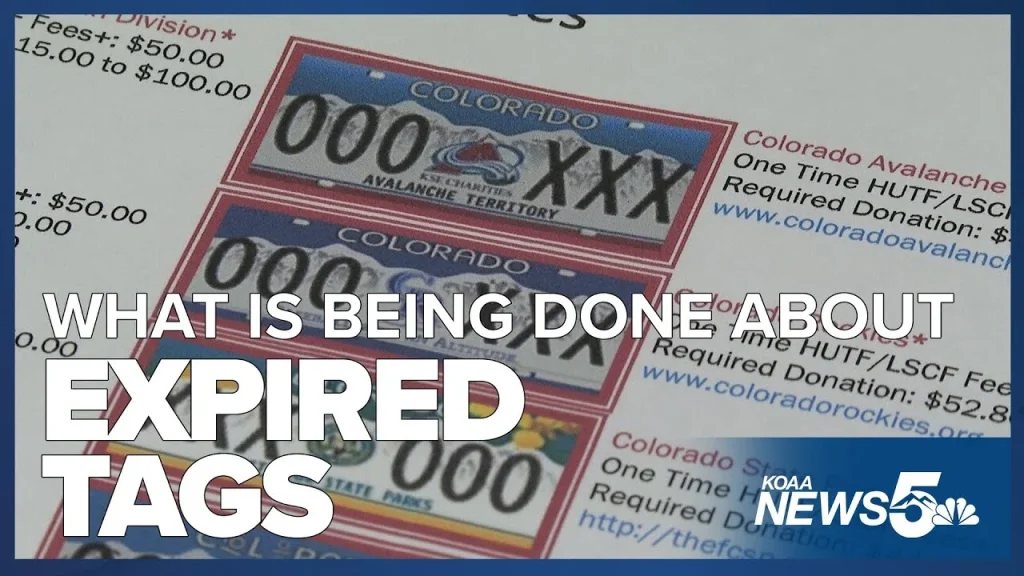
Many drivers wonder, “Can you have insurance with expired tags?” The short answer is yes—you can maintain insurance even if your registration has lapsed. However, most insurers will flag the lapse as a risk factor and might increase your premium. More importantly, you’ll still be breaking the law by driving with expired tags, which can lead to tickets and possible suspension of your insurance coverage if the insurer deems you a high‑risk client.
For a deeper dive into the nuances of driving with expired tags, check out Can You Have Insurance With Expired Tags? A Practical Guide. The article walks you through legal ramifications, insurance implications, and steps to get back on track quickly.
Frequently asked questions
Do I need both registration and insurance to legally drive?
Yes. Most jurisdictions require proof of both before you can legally operate a vehicle on public roads.
Which one is more expensive?
Cost varies widely. Registration fees are generally modest, based on vehicle value, weight, and local taxes. Insurance premiums depend on your driving record, coverage limits, deductible choices, and sometimes your credit score.
Can I register a vehicle without insurance if I’m not planning to drive it?
Some states allow “non‑operational” or “storage” registration, which often requires a lower fee and no proof of insurance. However, you cannot legally drive the vehicle until you provide insurance and obtain a regular registration.
What happens if I sell my car?
When you sell a vehicle, you must transfer the registration to the new owner and cancel your insurance. The buyer will need to register the car in their name and obtain their own insurance coverage before driving it.
Bottom line

Even though the phrase “is vehicle registration the same as insurance” pops up in many online searches, the answer is a definitive “no.” Registration confirms that the state recognizes you as the legal owner and that your vehicle meets specific standards. Insurance is a financial contract that shields you from the monetary fallout of accidents, theft, or damage. Both are essential, both are mandatory in most places, and both require separate attention.
By understanding their distinct roles, setting up reminders, and possibly bundling policies for convenience and savings, you can keep your wheels legally on the road and financially protected. Remember: a clean registration sticker doesn’t guarantee you’re covered in an accident, and a solid insurance policy won’t keep you from a ticket if your tags have expired. Managing both responsibly is the smartest way to enjoy the freedom of driving without unnecessary hassle.