Table of Contents
- Step‑by‑Step Guide on How to Get Multiple Car Insurance Quotes
- 1. Gather Your Personal and Vehicle Details
- 2. Choose the Right Comparison Tools
- 3. Submit Multiple Requests Simultaneously
- 4. Review Coverage Details, Not Just the Price
- 5. Leverage Discounts and Bundle Opportunities
- 6. Contact Agents for Personalized Quotes
- 7. Compare and Choose the Best Fit
- Common Mistakes to Avoid When Getting Multiple Car Insurance Quotes
- Skipping the Fine Print
- Relying on a Single Discount
- Ignoring Your Credit Score
- Failing to Update Personal Information
- Choosing the Cheapest Option Without Future Proofing
- Tools and Resources to Streamline the Process
- Online Comparison Portals
- Insurance Apps
- Spreadsheet Templates
- Agent Networks
- What to Do After You Choose Your Policy
- Confirm the Effective Date
- Set Up Payment and Alerts
- Keep Documentation Handy
- Review Annually
Finding the right car insurance can feel like navigating a maze—different providers, endless policy options, and a flood of numbers that don’t always add up. The good news? You don’t have to settle for the first offer that lands in your inbox. By learning how to get multiple car insurance quotes, you give yourself the leverage to compare, negotiate, and ultimately secure a policy that fits both your budget and your coverage needs.
In this article we’ll break down the whole process, from gathering the right information to using online tools and working with agents. You’ll also pick up practical tips on what to look for beyond the premium price, how to avoid common pitfalls, and ways to streamline the whole experience so it doesn’t become a time‑eating chore.
Whether you’re a first‑time driver, a seasoned motorist looking to switch providers, or someone whose life circumstances have changed (like a new car or a move), mastering the art of obtaining multiple car insurance quotes can save you hundreds of dollars each year.
Step‑by‑Step Guide on How to Get Multiple Car Insurance Quotes
Below is a systematic approach that walks you through each stage of the quote‑hunting journey. Follow these steps, and you’ll be armed with the data you need to make an informed decision.
1. Gather Your Personal and Vehicle Details
- Driver information: Full name, date of birth, address, marital status, and driving history (tickets, accidents, claims).
- Vehicle specifics: Make, model, year, VIN, mileage, safety features, and how often you drive it.
- Current coverage: Know your existing policy limits, deductibles, and any add‑ons you already have.
Having these details ready speeds up the process and reduces the chance of errors that could skew the quotes you receive.
2. Choose the Right Comparison Tools
There are two main routes you can take: dedicated comparison websites or direct insurer portals. Each has its pros and cons. Comparison sites aggregate data from multiple carriers, giving you a quick snapshot of rates. Direct insurer portals, on the other hand, often provide more detailed coverage breakdowns and sometimes exclusive discounts.
If you prefer a guided experience, check out our detailed walkthrough on how to get multiple auto insurance quotes – a step‑by‑step guide. The article walks you through the exact same steps we’re covering, but with screenshots and extra tips for each platform.
3. Submit Multiple Requests Simultaneously
To truly compare apples to apples, submit all your quote requests at the same time. This ensures the market conditions (like regional rate changes or seasonal discounts) are consistent across each estimate. Most comparison sites let you fill out a single form that automatically distributes your data to several insurers.
Tip: Use a disposable email address for the initial round of quotes. Some insurers will follow up with promotional offers, and you can filter those out later without cluttering your primary inbox.
4. Review Coverage Details, Not Just the Price
It’s tempting to pick the lowest premium, but that can be a false economy. Look closely at:
- Liability limits (bodily injury & property damage)
- Comprehensive and collision deductibles
- Optional coverages like uninsured motorist, rental reimbursement, or roadside assistance
- Discounts applied (multi‑policy, safe driver, good student, etc.)
Sometimes a slightly higher premium comes with significantly better coverage, which can save you money in the event of a claim.
5. Leverage Discounts and Bundle Opportunities
Many insurers reward you for bundling car insurance with other policies. If you already have homeowners or renters insurance, ask about a car insurance and home insurance bundle. Bundling can shave off anywhere from 5% to 25% off each policy, depending on the carrier.
Other common discounts include:
- Safe driver (clean record for 3+ years)
- Low mileage (under 7,500 miles per year)
- Anti‑theft devices or advanced safety tech
- Pay‑in‑full or automatic payment plans
6. Contact Agents for Personalized Quotes
Online tools are fantastic for speed, but a conversation with a live agent can uncover hidden discounts or tailor a policy to niche needs (like classic car coverage). When you’ve narrowed your list to three or four carriers, call their agents, reference the online quote you received, and ask if they can improve it.
7. Compare and Choose the Best Fit
Now that you have a spreadsheet of rates, coverage details, and discount breakdowns, it’s time to weigh the pros and cons. Consider the following decision matrix:
- Total cost over the policy term (including deductibles you might pay in a claim)
- Coverage breadth (does it meet your state’s minimums plus any personal preferences?)
- Company reputation (customer service ratings, claim settlement speed)
- Ease of management (online portal, mobile app, 24/7 support)
Pick the insurer that offers the best overall value—not just the cheapest premium.
Common Mistakes to Avoid When Getting Multiple Car Insurance Quotes
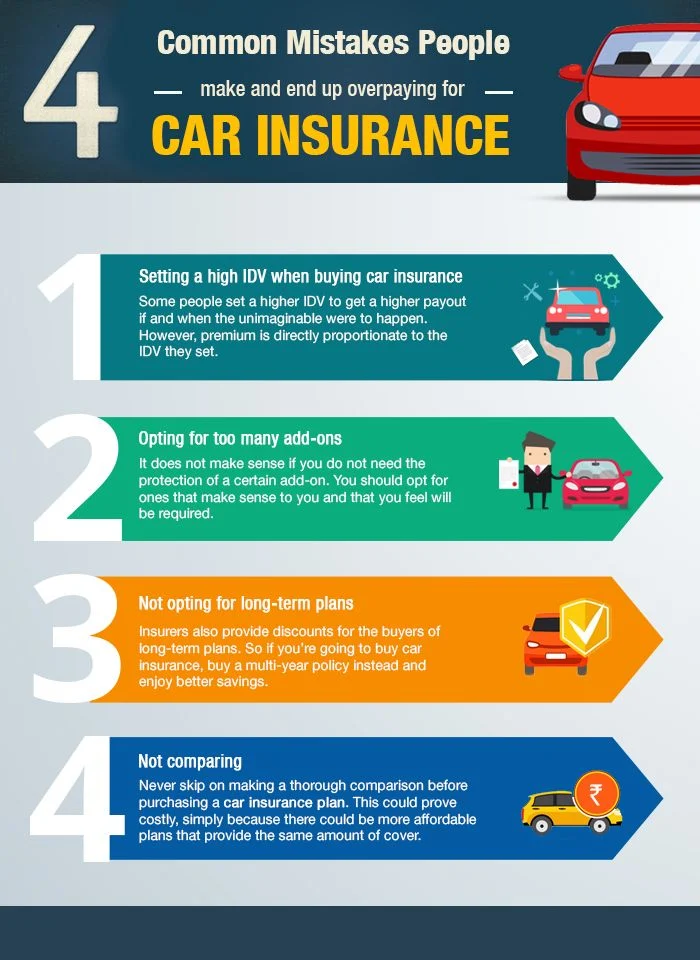
Even seasoned drivers can slip up during the quote‑shopping process. Here are pitfalls you should watch out for.
Skipping the Fine Print
Policies often contain clauses that limit coverage under certain conditions (e.g., using a rideshare app or driving out of state). Always read the policy excerpts linked in the quote, and ask the agent to clarify any ambiguous language.
Relying on a Single Discount
Many shoppers focus on one discount—like a safe‑driver credit—and ignore others that could stack on top of it. When you ask for a quote, specifically request a full discount inventory.
Ignoring Your Credit Score
In most states, insurers use credit-based insurance scores to gauge risk. A higher credit score can translate into lower premiums. If your score has improved recently, update it before you request new quotes.
Failing to Update Personal Information
Even small changes—like a new address or a change in marital status—can affect rates. Make sure the information you input reflects your current situation.
Choosing the Cheapest Option Without Future Proofing
Life changes fast. A policy that looks cheap now might lack the flexibility you need in a year or two (e.g., adding a teen driver). Look for policies that allow easy adjustments without hefty fees.
Tools and Resources to Streamline the Process

Technology has made it easier than ever to gather multiple quotes without spending hours on the phone. Below are some of the most effective tools you can use.
Online Comparison Portals
Websites like How to Shop Around for Car Insurance – A Smart Guide compile offers from major carriers in a single view, letting you sort by price, coverage, or discount level.
Insurance Apps
Many insurers now offer mobile apps that allow you to request quotes, manage policies, and file claims on the go. If you already have an insurer you like, check if they have an app—sometimes they give exclusive in‑app discounts.
Spreadsheet Templates
Creating a simple spreadsheet can help you visualize differences. Columns might include: Provider, Premium, Deductible, Liability Limits, Discounts Applied, and Customer Rating. This visual aid makes it easier to spot the best value.
Agent Networks
If you prefer a human touch, look for local broker networks. They often have relationships with multiple carriers and can pull quotes on your behalf, sometimes at no extra cost.
What to Do After You Choose Your Policy
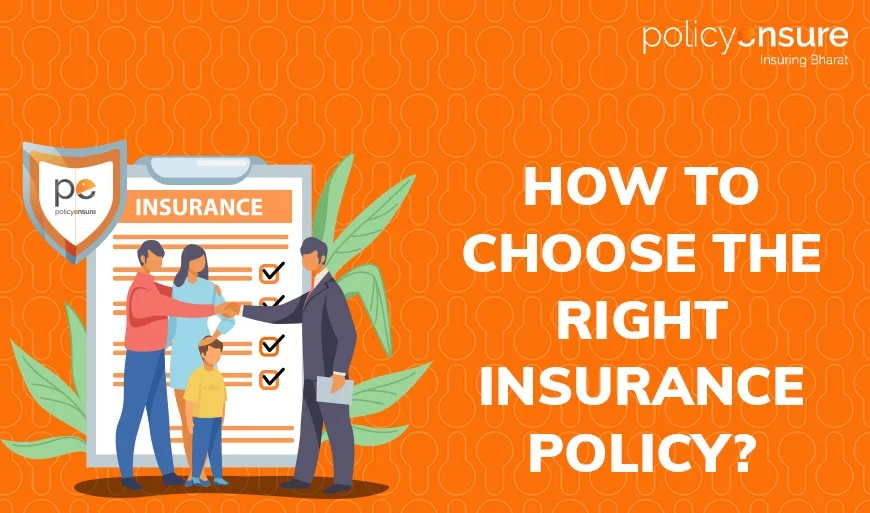
Congratulations on picking the right coverage! The final steps are just as important as the research phase.
Confirm the Effective Date
Make sure there’s no coverage gap between your old policy and the new one. Most insurers will set the start date to the day after your current policy expires.
Set Up Payment and Alerts
Choose a payment method that suits your cash flow—monthly, quarterly, or annual. Many insurers offer a discount for paying the full year upfront.
Keep Documentation Handy
Store your policy documents digitally and in a physical folder. You’ll need them for claims, renewals, or if you switch providers again down the road.
Review Annually
Insurance needs evolve. Schedule a yearly review of your policy, especially after life events like moving, buying a new car, or adding a driver.
By following this comprehensive roadmap on how to get multiple car insurance quotes, you’re not just hunting for the lowest price—you’re building a safety net that protects you, your vehicle, and your wallet for years to come.
Ready to start? Pull up a spreadsheet, fire up your favorite comparison site, and let the data guide you to a smarter, more affordable car insurance decision.