Table of Contents
- What It Means When Your Student Loans Are In A Forbearance
- How to Manage Your Finances While Your Student Loans Are In A Forbearance
- Types of Forbearance and Eligibility Criteria
- General (Discretionary) Forbearance
- Mandatory Forbearance
- Interest Accrual and Capitalization: What You Need to Know
- Strategic Steps to Take While in Forbearance
- 1. Build or Replenish an Emergency Fund
- 2. Review Your Employment Situation
- 3. Evaluate Your Debt Repayment Hierarchy
- 4. Explore Income‑Driven Repayment (IDR) Plans
- 5. Consider Refinancing (If Appropriate)
- 6. Plan for Future Homeownership
- Common Myths About Forbearance Debunked
- Myth 1: Forbearance Erases Your Debt
- Myth 2: Your Credit Score Will Drop Significantly
- Myth 3: You Can Stay in Forbearance Forever
- When the Forbearance Ends: Preparing for the Next Chapter
- Step 1: Calculate the New Balance
- Step 2: Choose a Repayment Plan
- Step 3: Reassess Your Budget
- Step 4: Keep an Eye on Refinancing Opportunities
- Step 5: Stay Informed About Forgiveness Programs
Finding out that your student loans are in a forbearance can feel like both a sigh of relief and a source of lingering uncertainty. On one hand, you get a temporary pause on those monthly payments, which can be a lifesaver during a rough patch. On the other hand, the “pause” often comes with hidden costs, interest that keeps ticking, and a looming question: what happens when the forbearance ends?
In this guide we’ll break down everything you need to know about the forbearance period, from the different types of forbearance and how interest is handled, to smart strategies you can employ right now to keep your credit healthy and your financial goals on track. Whether you’re a recent graduate just starting out, a professional navigating a career change, or someone who’s been juggling loan payments for years, understanding the nuances will help you make more informed decisions.
We’ll also sprinkle in a few practical tips—like when it might make sense to start looking at refinancing options, or how a forbearance could intersect with your plans to buy a home. By the end, you should feel equipped to turn a temporary pause into a stepping stone rather than a stumbling block.
What It Means When Your Student Loans Are In A Forbearance
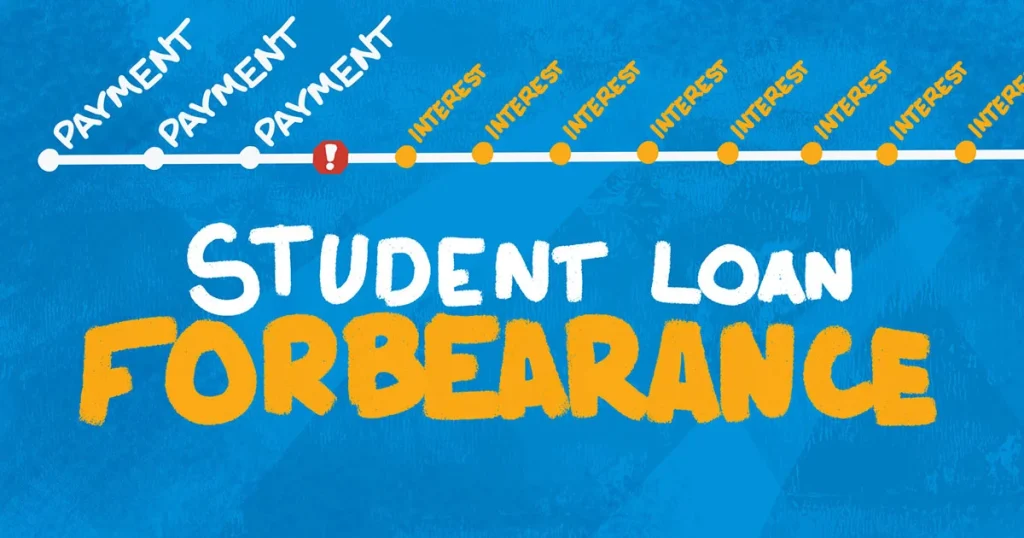
The phrase your student loans are in a forbearance simply means that your loan servicer has agreed to temporarily suspend or reduce your required monthly payments. The federal government, as well as many private lenders, offer forbearance as a safety net for borrowers facing financial hardship, enrollment in school, or other qualifying circumstances.
There are two main types of forbearance:
- General (or discretionary) forbearance – Usually granted at the lender’s discretion, often for up to 12 months at a time.
- Mandatory forbearance – Required by law under specific conditions, such as serving in a medical or teaching residency, or having a partial financial hardship.
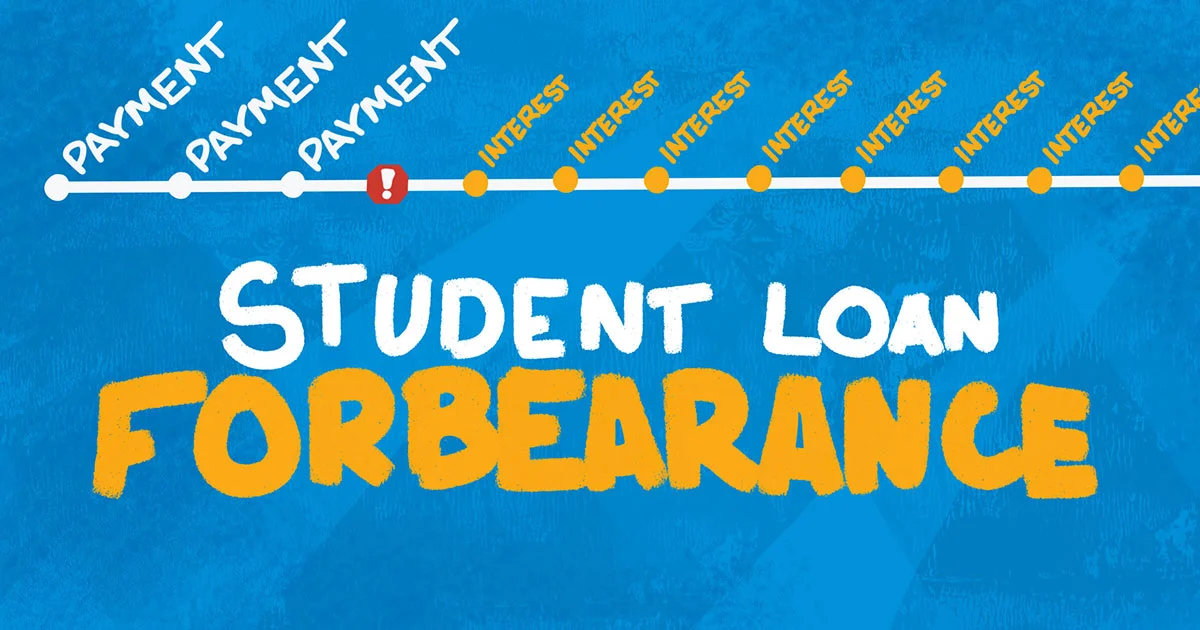
During this period, you won’t have to make the usual payment, but interest may continue to accrue. For subsidized federal loans, the government may cover the interest on subsidized portions, whereas unsubsidized loans and most private loans will see interest added to the principal balance, a process known as capitalization.
How to Manage Your Finances While Your Student Loans Are In A Forbearance
Even though the payments are on hold, the financial responsibility doesn’t disappear. Here are several actions you can take to stay ahead of the curve:
- Track accrued interest. Keep an eye on how much interest is building up each month. Knowing the numbers helps you decide whether paying a little voluntarily is worth it.
- Make optional payments. If you have extra cash, consider making voluntary payments toward the principal. This can prevent interest capitalization and reduce the overall cost.
- Update your budget. Use the forbearance window to re‑evaluate your spending habits. Redirect the money you’d normally allocate for loan payments toward an emergency fund or high‑interest debt.
- Check your credit report. A forbearance itself won’t hurt your credit score, but missed payments before the forbearance could. Verify that your servicer has correctly reported the status.
- Stay in touch with your servicer. Confirm the start and end dates, and ask about any paperwork you need to keep the forbearance active.
One common question that pops up is whether you should start thinking about refinancing your student loan while you’re still in a forbearance. The answer isn’t one‑size‑fits‑all, but if you anticipate a stable income in the near future and can secure a lower interest rate, refinancing could offset the extra interest that accrued during the pause.
Types of Forbearance and Eligibility Criteria
Understanding which kind of forbearance applies to you can affect how interest is handled and how long you can stay in the program.
General (Discretionary) Forbearance
This type is typically offered when you can demonstrate a temporary financial hardship—like a job loss, reduced income, or unexpected medical expenses. You usually need to provide documentation, and the lender can grant up to 12 months of forbearance at a time.
Mandatory Forbearance
Mandatory forbearance is less about your request and more about meeting specific legal criteria. Some common scenarios include:
- Being enrolled at least half‑time in a graduate program.
- Serving in a national service program (e.g., AmeriCorps, Peace Corps).
- Participating in a medical or teaching residency.
- Having a partial financial hardship (your monthly payment amount is greater than 15% of your discretionary income).
Under mandatory forbearance, the lender has no discretion to deny the request if you meet the criteria, which offers a layer of protection for borrowers in qualifying situations.
Interest Accrual and Capitalization: What You Need to Know
One of the biggest pitfalls of forbearance is the way interest behaves. For most loans, interest continues to pile up, and when the forbearance ends, that interest may be added to the principal balance—a process called capitalization. This can increase the total amount you owe and lengthen the repayment term.
Here’s a quick breakdown:
- Subsidized federal loans: The government covers interest on the subsidized portion during the forbearance.
- Unsubsidized federal loans: Interest accrues and is capitalized at the end of the forbearance period.
- Private loans: Most private lenders treat interest the same way as unsubsidized federal loans—interest accrues and usually capitalizes.
If you can afford it, paying the accrued interest during the forbearance can prevent capitalization. Even a small monthly contribution can make a noticeable difference over time.
Strategic Steps to Take While in Forbearance
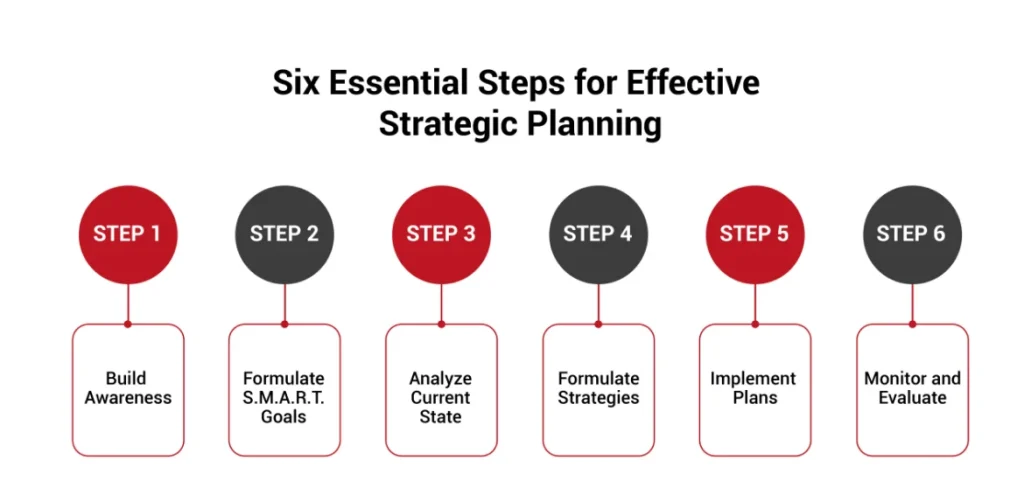
Turning a temporary pause into a strategic advantage requires a proactive approach. Below are some concrete steps you can implement today.
1. Build or Replenish an Emergency Fund
One of the core reasons many borrowers seek forbearance is an unexpected cash crunch. Use this period to create a cushion that can cover three to six months of living expenses. Having a safety net reduces the likelihood of needing another forbearance later on.
2. Review Your Employment Situation
If you’re between jobs or considering a career change, now is a good time to update your résumé, network, and perhaps upskill. A stable income will give you confidence when the forbearance ends and regular payments resume.
3. Evaluate Your Debt Repayment Hierarchy
Prioritize high‑interest debt (like credit cards) over student loans while you’re in forbearance, especially if you’re not paying the accrued interest. Paying down higher‑rate balances first can free up cash faster for future student loan payments.
4. Explore Income‑Driven Repayment (IDR) Plans
If you anticipate difficulty affording the standard repayment amount after forbearance, consider switching to an income‑driven plan such as Income‑Based Repayment (IBR) or Pay As You Earn (PAYE). These plans adjust your monthly payment based on your income and family size, potentially lowering it to as little as 10% of discretionary income.
5. Consider Refinancing (If Appropriate)
As mentioned earlier, refinancing your student loan could lock in a lower rate and eliminate accrued interest accumulation. However, be mindful that refinancing federal loans into a private loan means you’ll lose federal protections like IDR options and forgiveness programs.
6. Plan for Future Homeownership
Many borrowers wonder how forbearance impacts their ability to buy a house. While a forbearance itself isn’t a red flag, lenders will look at your overall debt‑to‑income (DTI) ratio and credit history. If you’re eyeing a mortgage, start gathering documentation now, and consider getting pre‑approved for a VA home loan or other loan programs well before the forbearance ends.
Common Myths About Forbearance Debunked

There’s a lot of misinformation floating around the internet. Let’s clear up some of the most prevalent myths.
Myth 1: Forbearance Erases Your Debt
False. Forbearance only postpones payments; it doesn’t forgive any portion of the principal. In fact, the accrued interest can increase the total amount you owe.
Myth 2: Your Credit Score Will Drop Significantly
Not necessarily. As long as your servicer reports the loan as “in forbearance” rather than “delinquent,” your credit score should remain largely unaffected. Late payments before the forbearance, however, will still impact your score.
Myth 3: You Can Stay in Forbearance Forever
Incorrect. Federal forbearance is limited to a maximum of three years total, and most private lenders have their own caps. Planning for the post‑forbearance period is essential.
When the Forbearance Ends: Preparing for the Next Chapter

Knowing that your forbearance is finite can be unsettling, but having a concrete plan can ease the transition.
Step 1: Calculate the New Balance
Contact your servicer to get an updated statement showing the principal, accrued interest, and any capitalization that has occurred. This will give you a clear picture of what you’re facing.
Step 2: Choose a Repayment Plan
If you’re not already on an IDR plan, now might be the time to switch. Alternatively, you could return to the standard 10‑year repayment schedule, but be prepared for a higher monthly payment.
Step 3: Reassess Your Budget
Factor the new payment into your monthly cash flow. Adjust discretionary spending, automate the loan payment, and set reminders to avoid missed payments.
Step 4: Keep an Eye on Refinancing Opportunities
Market rates fluctuate. If you notice rates dropping, revisit the idea of refinancing—especially if you have a stable job and a good credit score.
Step 5: Stay Informed About Forgiveness Programs
If you’re in a public service job, you might qualify for the Public Service Loan Forgiveness (PSLF) program. Keep track of qualifying payments and submit the necessary forms annually.
Remember, the end of a forbearance is not the end of your financial journey; it’s simply a new phase where you can apply the lessons you’ve learned about budgeting, debt management, and strategic planning.
In short, when your student loans are in a forbearance, you have a unique window to regroup, save, and set the stage for a healthier financial future. By staying proactive—monitoring interest, making optional payments if possible, and exploring repayment or refinancing options—you can minimize the long‑term cost and keep your credit on track. And when the forbearance lifts, you’ll be ready to tackle the payments with confidence, armed with a solid plan and perhaps even a bigger emergency fund than you started with.