Table of Contents
- Top Charities That Accept Real Estate Donations
- 1. Habitat for Humanity
- 2. United Way
- 3. The Nature Conservancy
- 4. Catholic Charities
- 5. Goodwill Industries
- 6. Local Community Foundations
- How the Donation Process Works
- Step 1: Identify a Qualified Charity
- Step 2: Get a Professional Appraisal
- Step 3: Review Tax Implications
- Step 4: Transfer Title
- Step 5: Documentation and Follow‑Up
- Maximizing the Impact of Your Real Estate Gift
- Consider a Conservation Easement
- Leverage a Donor‑Advised Fund (DAF)
- Combine with Other Giving Strategies
- Seek Professional Guidance
- Common Questions About Charities That Accept Real Estate Donations
- Real‑World Example: Turning a Commercial Building into Community Impact
- Resources for Donors
Donating a piece of property—whether it’s a single‑family home, an apartment building, or a vacant lot—can feel like a powerful way to give back. Unlike cash gifts, real estate donations often carry significant tax advantages and can provide a lasting legacy for both donor and recipient. However, navigating the world of charities that accept real estate donations can be a bit daunting. This article walks you through the top organizations that welcome property gifts, the steps involved, and practical tips to make the process smooth and rewarding.
First, it helps to understand why a charity might want to add a real‑estate asset to its portfolio. Properties can generate ongoing rental income, serve as a headquarters or shelter, or be sold to fund programs. For donors, the potential to deduct a large portion of the property’s fair market value—and possibly avoid capital gains tax—makes real estate a compelling charitable vehicle.
Below, we explore a curated list of charities that accept real estate donations, outline eligibility requirements, and share strategies to ensure your gift aligns with both your philanthropic goals and financial planning.
Top Charities That Accept Real Estate Donations
Not every nonprofit is equipped to handle property gifts. The following organizations have dedicated real‑estate donation programs, seasoned staff, and clear guidelines to help you through the process.
1. Habitat for Humanity
Habitat for Humanity is perhaps the most recognizable name when it comes to property donations. The organization purchases and renovates homes, then sells them to families at no‑profit prices. Donors can transfer ownership of a house, a piece of land, or even a multi‑family building. Habitat typically works with donors to either retain a mortgage (if the donor wishes to stay in the home) or to have the charity assume the mortgage and manage the property.
2. United Way
United Way’s local chapters often have real‑estate investment arms that acquire and manage properties to generate revenue for community programs. Because United Way operates on a regional level, you’ll need to contact your local chapter to determine if they can accept a particular type of property. Their flexibility makes them a solid choice for donors looking for a broad impact.
3. The Nature Conservancy
If your property includes undeveloped land, wetlands, or forested areas, The Nature Conservancy can be an ideal recipient. They focus on preserving natural habitats, and land donations can be placed under conservation easements, protecting the land forever while providing the donor with a charitable deduction.
4. Catholic Charities
Catholic Charities runs a nationwide network of social services, many of which rely on real‑estate assets for shelters, community centers, and affordable housing. They accept a wide range of property types, and their experienced legal team can help navigate any complexities.
5. Goodwill Industries
Goodwill often seeks commercial properties that can be transformed into job‑training facilities, thrift store locations, or administrative offices. Donors of retail spaces or warehouses find Goodwill’s model especially appealing because the organization can often repurpose the property without a full resale.
6. Local Community Foundations
Many community foundations have real‑estate grantmaking programs that acquire properties to support local initiatives. Because they operate at the local level, they can be highly responsive to the specific needs of your neighborhood, whether that’s a community garden, a youth center, or affordable housing.
How the Donation Process Works
Understanding the steps involved helps you avoid surprises and ensures that your donation of real estate is both tax‑efficient and beneficial for the charity.
Step 1: Identify a Qualified Charity
Make sure the organization is a 501(c)(3) public charity and has a proven track record of handling real‑estate gifts. Look for transparency in how they manage, sell, or use donated properties. The list above provides a solid starting point.
Step 2: Get a Professional Appraisal
The IRS requires an independent, qualified appraisal for any non‑cash donation over $5,000. A certified appraiser will determine the fair market value (FMV) of your property, which becomes the basis for your charitable deduction. For larger donations, a qualified appraisal report must be attached to your tax return.
Step 3: Review Tax Implications
Donating real estate can offer two main tax benefits: a charitable deduction for the FMV and, in many cases, an exemption from capital gains tax on the appreciation. However, the exact deduction you can claim depends on whether the charity sells the property or uses it for its mission. If the charity holds the property, you may be limited to the donor’s adjusted basis (the original purchase price plus improvements). Consulting a tax professional is essential.
Step 4: Transfer Title
The deed must be transferred to the charity’s name, which usually involves a quit‑claim deed or a warranty deed. If there’s an existing mortgage, you’ll need the lender’s permission to release the lien, or the charity may agree to assume the mortgage. Some donors choose to keep the mortgage and continue making payments while the charity takes ownership of the title.
Step 5: Documentation and Follow‑Up
After the transfer, the charity should provide a written acknowledgment that includes a description of the property, the date of transfer, and a statement that no goods or services were provided in exchange for the donation. This acknowledgment is crucial for your tax filing.
Maximizing the Impact of Your Real Estate Gift

Donating property is a generous act, but there are ways to enhance both the charitable impact and your financial benefit.
Consider a Conservation Easement
If you own land with ecological value, a conservation easement can preserve the land’s natural state while granting you a charitable deduction equal to the value of the development rights you forfeit. The Nature Conservancy frequently works with donors on easement agreements.
Leverage a Donor‑Advised Fund (DAF)
Some donors place the property into a DAF that has real‑estate capabilities. This approach allows you to receive an immediate tax deduction while the DAF’s trustees decide when and how to allocate the property to a specific charity.
Combine with Other Giving Strategies
Integrating a real‑estate donation with other philanthropic tools—like a charitable remainder trust (CRT) or a private foundation—can create a diversified giving portfolio. For instance, a CRT can provide you with an income stream for life, after which the remaining property passes to the charity.
Seek Professional Guidance
Because real‑estate donations intersect legal, tax, and charitable domains, assembling a team of professionals—real‑estate attorney, CPA, and a charitable advisor—will help you navigate complexities and avoid pitfalls.
Common Questions About Charities That Accept Real Estate Donations
- Can I donate a property that’s still under mortgage? Yes, many charities will accept mortgaged properties, but the lender must approve the transfer, and the charity may need to assume the loan.
- Do I need to live in the house to donate it? No, you can donate any property you own, but if you plan to stay, a “life‑estate” arrangement can allow you to remain as a tenant.
- What if the property is in poor condition? Some charities, like Habitat for Humanity, specialize in renovating distressed homes. Others may sell the property as‑is, so be prepared for a potential reduction in FMV.
- How long does the donation process take? From appraisal to title transfer, expect anywhere from 30 to 90 days, depending on the property’s complexity and the charity’s procedures.
- Will the charity sell the property? Policies vary. Habitat for Humanity often renovates and sells, while The Nature Conservancy may hold land permanently under a conservation easement.
Real‑World Example: Turning a Commercial Building into Community Impact
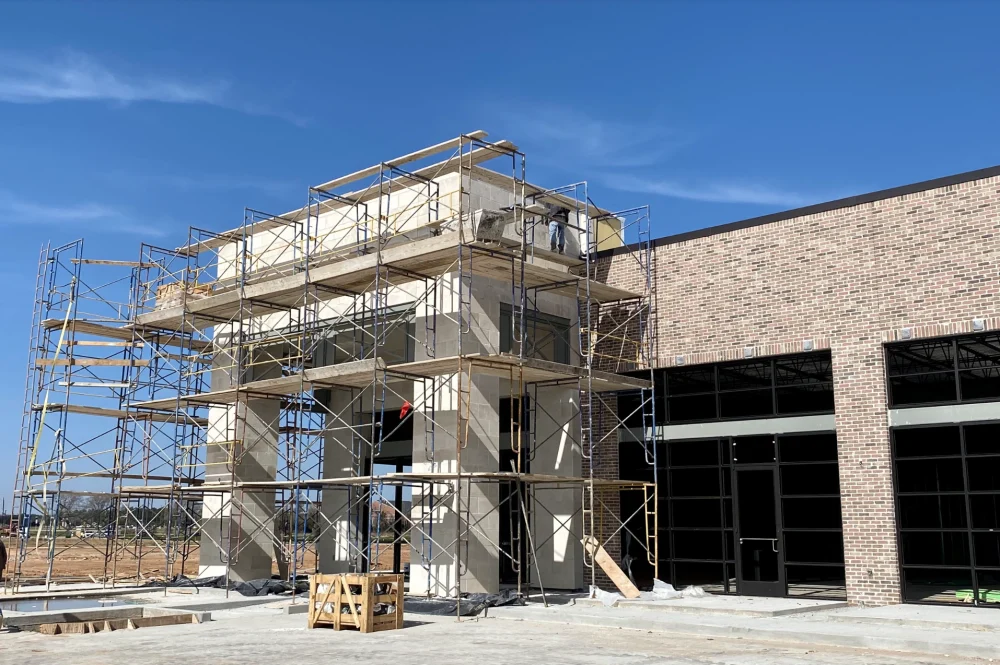
Imagine you own a downtown office building valued at $2 million. By donating it to United Way, you receive a charitable deduction based on the fair market value (subject to the charity’s use of the property). United Way could convert the building into a mixed‑use space—affordable housing on the lower floors and office space for local nonprofits on the upper levels—generating ongoing rental income that funds community programs.
During the process, you would secure an appraisal, coordinate with United Way’s real‑estate team, and work with your mortgage lender to release the lien. After the title transfer, United Way provides an acknowledgment, and your CPA files the appropriate forms (IRS Form 8283 for non‑cash gifts). The result? A substantial tax deduction for you and a tangible asset that fuels United Way’s mission for years to come.
Resources for Donors
For those looking to integrate real‑estate donations into a broader financial strategy, consider tools that streamline property management and analysis. For instance, the Project Management Software for Real Estate Development – A Complete Guide can help you track renovation costs and timelines if you’re renovating before donation. Likewise, Lead Generation Tools for Real Estate Agents – Top Picks can assist you in finding qualified appraisers and legal counsel.
Finally, if you’re exploring how a property donation fits into your overall financial plan, a custom software solution like the one described in Custom Real Estate Software Development Company: Build Your Competitive Edge might be worth considering for long‑term asset tracking and reporting.
Real‑estate philanthropy offers a unique blend of personal satisfaction, tax efficiency, and lasting community impact. By selecting the right charity that accepts real estate donations, understanding the procedural steps, and leveraging professional advice, you can turn bricks and land into a powerful force for good. Whether you’re donating a modest single‑family home or a sprawling commercial complex, the possibilities for positive change are as expansive as the property itself.