
Table of Contents
- Lead Generation for Real Estate Investors: Core Channels to Master
- Digital Acquisition Strategies for Lead Generation for Real Estate Investors
- Direct Outreach Techniques for Lead Generation for Real Estate Investors
- Strategic Partnerships for Lead Generation for Real Estate Investors
- Qualifying Leads: Turning Prospects Into Profitable Deals
- Key Questions to Ask During the First Call
- Using Technology to Automate Qualification
- Scaling Your Lead Generation Efforts
- Outsourcing and Team Building
- Data‑Driven Optimization
- Technology Stack Recommendations
- Common Pitfalls and How to Avoid Them
- Putting It All Together: A Sample 30‑Day Action Plan
Finding quality deals is the lifeblood of any real‑estate investing business. While market analysis, financing, and renovation skills get a lot of attention, the real engine that powers growth is a steady flow of fresh leads. Without a reliable source of motivated sellers or eager buyers, even the most seasoned investor can see the pipeline dry up.
In this article we’ll walk through the whole ecosystem of lead generation for real estate investors, from low‑cost online tricks to high‑touch networking methods. You’ll learn how to blend technology with human interaction, how to qualify prospects without wasting time, and how to turn raw data into actionable opportunities. By the end, you’ll have a playbook you can start applying today, whether you’re just getting started or looking to scale an existing portfolio.
Before diving into tactics, it’s worth reminding yourself why a systematic approach matters. Randomly calling property owners or relying on “lucky” word‑of‑mouth referrals creates an unpredictable income stream. A repeatable, data‑driven lead generation process, on the other hand, lets you forecast deal flow, allocate marketing spend wisely, and ultimately close more transactions with less friction.
Lead Generation for Real Estate Investors: Core Channels to Master

There’s no one‑size‑fits‑all answer, but most successful investors focus on a mix of three broad channels: digital acquisition, direct outreach, and strategic partnerships. Each channel has its own strengths, costs, and learning curve, so the key is to test, measure, and double down on what delivers the best return on investment (ROI).
Digital Acquisition Strategies for Lead Generation for Real Estate Investors
Online platforms give you access to thousands of potential leads with just a few clicks. Here are the most effective digital tactics:
- Search Engine Marketing (SEM): Running targeted Google Ads on keywords like “sell my house fast” or “cash home buyer” captures users who are already in a selling mindset. Pair the ads with a high‑converting landing page that collects name, phone, and property details.
- Social Media Advertising: Facebook and Instagram allow granular demographic and interest targeting. Use short video testimonials or before‑and‑after renovation clips to build trust, then direct viewers to a lead capture form.
- Content Marketing & SEO: Publishing blog posts that answer common seller questions (e.g., “How to avoid foreclosure”) can attract organic traffic over time. A well‑optimized post can rank for “lead generation for real estate investors” and bring in passive leads months after it’s published.
- Lead‑Gen Platforms: Services like Zillow, Realtor.com, and PropStream aggregate distressed‑property data. Paying for a subscription gives you direct access to homeowner contact information, which you can then nurture through phone or email.
One hidden gem is the CRM Software for Real Estate Investors: Boost Your Portfolio article, which explains how a good CRM can automatically tag leads from these campaigns, schedule follow‑ups, and track conversion rates—all without manual spreadsheets.
Direct Outreach Techniques for Lead Generation for Real Estate Investors
Even in a digital age, nothing beats the personal touch of a well‑crafted outreach call or letter. Below are proven methods that keep the human element front and center:
- Cold Calling & Warm Calling: Use a script that focuses on empathy (“I understand you might be facing a tough situation”) rather than a hard sell. Warm calling—reaching out to owners who have previously engaged with your ads—boosts response rates dramatically.
- Direct Mail Campaigns: Postcards, letters, and “We Buy Houses” flyers still perform well in certain markets, especially when they include a clear call‑to‑action and a limited‑time offer.
- Bandit Signs & Local Advertising: Simple roadside signs that read “Sell Your House Fast – Cash Offer” can generate a surprising number of inbound calls, especially in neighborhoods with older housing stock.
- Neighborhood Canvassing: Walking door‑to‑door with a professional appearance (branded shirts, business cards) can uncover off‑market opportunities that no online tool can reveal.
If you’re a newer investor looking for a structured approach, the Lead Generation for New Real Estate Agents: Practical Playbook breaks down how to set daily activity goals, track outcomes, and refine scripts based on real‑time feedback.
Strategic Partnerships for Lead Generation for Real Estate Investors
Partnering with professionals who already interact with potential sellers can dramatically expand your reach:
- Real Estate Agents: While agents focus on traditional listings, many also encounter motivated sellers who need a quick cash sale. Offering a referral fee can turn an agent into a steady lead source.
- Attorneys & Probate Courts: Executors of estates often need to liquidate property fast. Building relationships with probate attorneys gives you early access to these deals.
- Contractors & Home Inspectors: They see distressed homes daily. A simple referral agreement can bring you leads before the owner even lists the property.
- Local Businesses: Mortgage brokers, title companies, and even moving services can refer clients who are in transition and might consider selling.
For a deeper dive into partnership workflows, see the Lead Generation for Real Estate Agents – Proven Tactics & Tools guide, which outlines how to set up joint webinars, co‑branded content, and referral tracking mechanisms.
Qualifying Leads: Turning Prospects Into Profitable Deals
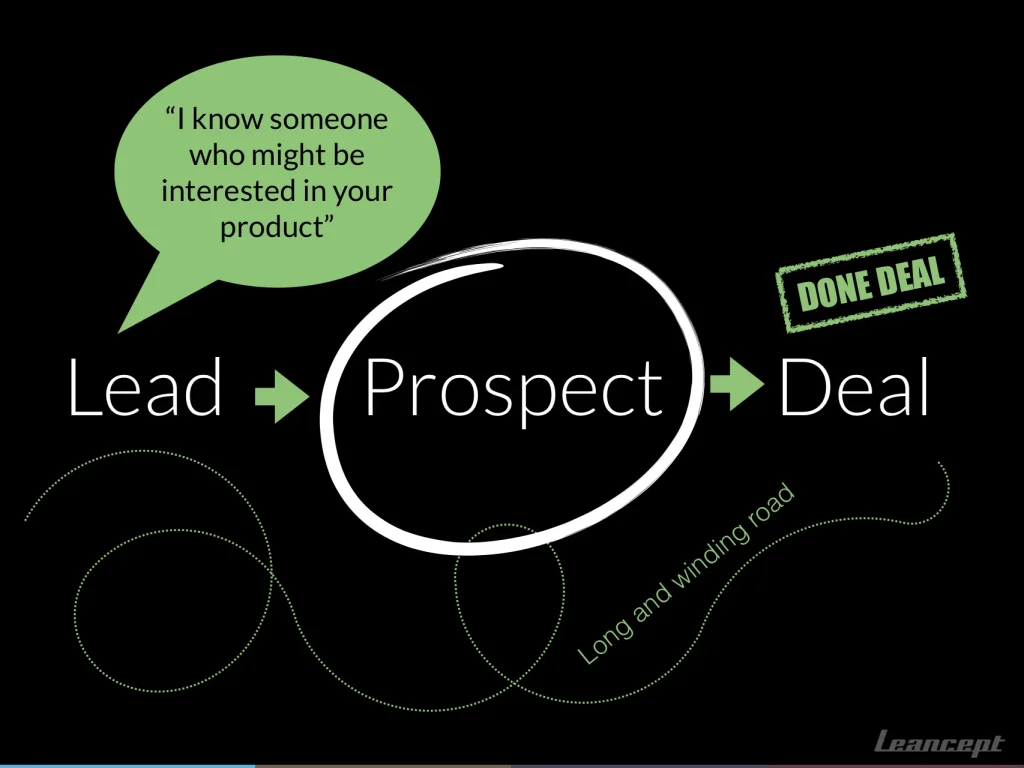
Generating leads is only half the battle. The next step is to separate the truly motivated sellers from the curious browsers. An efficient qualification system saves time and prevents you from chasing dead ends.
Key Questions to Ask During the First Call
- Why are you selling the property?
- What is your ideal timeline for closing?
- Are there any liens, mortgages, or title issues?
- What price range are you expecting?
- Is the property currently occupied or vacant?
Answers to these questions help you gauge urgency, risk, and the potential profit margin. If a seller mentions a looming foreclosure, for example, you can prioritize the deal and potentially negotiate a deeper discount.
Using Technology to Automate Qualification
A modern CRM can assign a lead score based on data points such as source, response time, and property condition. Leads that reach a certain threshold can be automatically routed to your “high‑priority” pipeline, while lower‑scoring leads are nurtured via drip email campaigns.
Automation doesn’t replace the human touch; it simply ensures that no hot lead slips through the cracks. A well‑tuned system can boost your conversion rate by 20‑30% simply by keeping follow‑ups timely and consistent.
Scaling Your Lead Generation Efforts

Once you’ve identified the channels that work best for your market, the next logical step is scaling. Scaling isn’t just about spending more money; it’s about replicating successful processes, hiring the right people, and leveraging data to fine‑tune every dollar spent.
Outsourcing and Team Building
- Virtual Assistants (VAs): Train VAs to handle cold‑calling, data entry, and basic lead qualification. This frees up your time for high‑value activities like deal analysis.
- Marketing Specialists: Hire or contract a digital marketer to manage ad budgets, test creative, and optimize landing pages.
- Acquisition Managers: As your volume grows, a dedicated acquisition manager can oversee the end‑to‑end process—from first contact to contract signing.
Data‑Driven Optimization
Track every metric: cost per lead (CPL), cost per acquisition (CPA), conversion rate by source, and average time to close. Use a simple spreadsheet or a robust analytics dashboard to visualize trends. When a particular ad set’s CPL spikes, pause it and reallocate budget to the better‑performing channel.
Remember, the goal isn’t just more leads; it’s more profitable leads. A high‑volume, low‑quality source can drain cash faster than a low‑volume, high‑quality one.
Technology Stack Recommendations
Beyond a CRM, consider integrating the following tools into your workflow:
- Lead Capture Forms: Typeform or JotForm, embedded on landing pages.
- Email Automation: Mailchimp or ConvertKit for drip campaigns.
- Call Tracking: CallRail to attribute phone calls to specific campaigns.
- Data Enrichment: Clearbit or ZoomInfo to fill in missing homeowner details.
These tools work best when they talk to each other via Zapier or native integrations, creating a seamless flow from ad click to contract signature.
Common Pitfalls and How to Avoid Them

Even seasoned investors can stumble if they ignore the fundamentals of lead generation for real estate investors. Here are a few mistakes that can cripple your pipeline:
- Chasing Quantity Over Quality: Flooding your inbox with unqualified leads wastes time and money. Focus on sources that consistently deliver motivated sellers.
- Neglecting Follow‑Up: Studies show that 80% of sales are closed after the fifth follow‑up. Set automated reminders and never let a promising lead go cold.
- Skipping Compliance: When using SMS or email, ensure you’re compliant with TCPA and CAN‑SPAM regulations. Violations can result in hefty fines and damage your reputation.
- Under‑Estimating Costs: Include all hidden expenses—design, copywriting, data purchases—when calculating ROI. A realistic budget prevents cash‑flow surprises.
Putting It All Together: A Sample 30‑Day Action Plan
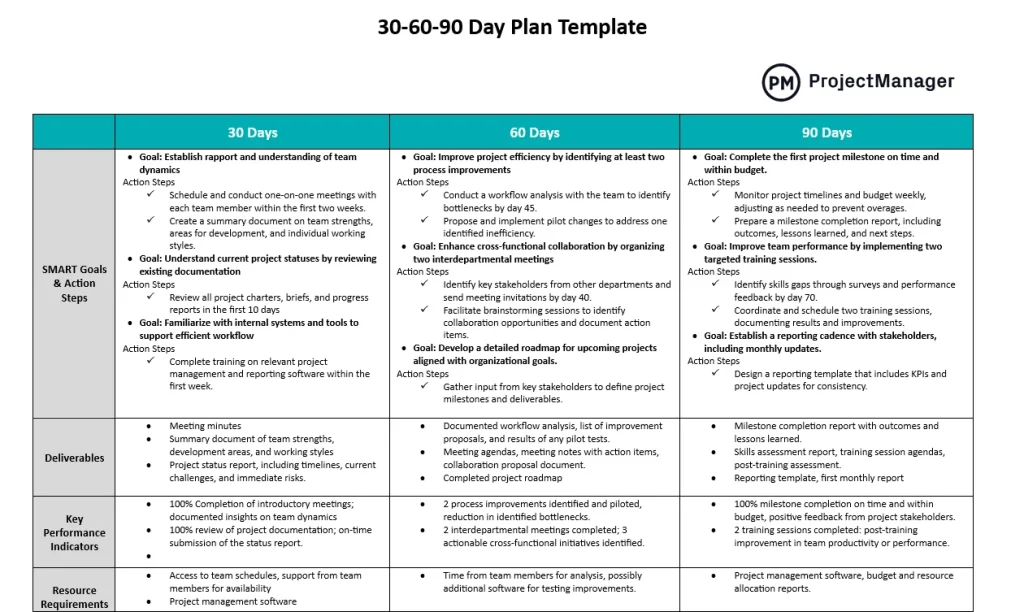
Below is a practical roadmap you can adapt to your market. Feel free to adjust timelines based on your resources.
- Week 1 – Research & Setup: Identify top ZIP codes with high distress levels. Create a Google Ads account, set up two ad groups (sell fast, cash buyer), and design a simple landing page with a form.
- Week 2 – Launch & Test: Start a $500 ad spend, run A/B tests on headline and call‑to‑action. Simultaneously, order a 1,000‑lead list from a reputable provider and begin cold‑calling using a refined script.
- Week 3 – Automate & Nurture: Connect the landing page to your CRM, set up an email drip sequence, and implement call tracking. Begin sending a weekly direct‑mail postcard to the same ZIP codes.
- Week 4 – Review & Scale: Analyze CPL, conversion rates, and deal flow. Pause under‑performing ads, increase budget on the top‑performing channel, and consider hiring a VA to handle inbound calls.
Following a disciplined plan like this helps you quickly identify what works and where to double down. Within a month, you should have a clear picture of your most cost‑effective lead sources and a pipeline ready for the next round of deals.
Lead generation for real estate investors isn’t a mystical art reserved for the elite; it’s a repeatable system that blends marketing savvy, data analysis, and genuine relationship building. By mastering the digital, direct, and partnership channels, qualifying leads efficiently, and scaling with the right technology and team, you’ll create a resilient flow of opportunities that can weather market cycles.
Take the concepts from this guide, test them in your local market, and keep refining based on real results. The more data you gather, the sharper your strategy becomes, and the faster your portfolio will grow.