Table of Contents
- Why Commercial Real Estate Lease Analysis Software Is a Game Changer
- Key Features to Look For
- Robust Data Extraction and Integration
- Customizable Rent Roll Modeling
- Compliance Engine for ASC 842 / IFRS 16
- Reporting & Dashboard Capabilities
- Collaboration & Security
- How to Choose the Right Commercial Real Estate Lease Analysis Software
- Assess Your Current Workflow
- Set a Realistic Budget
- Request a Live Demo and Trial
- Check References and Industry Reviews
- Consider Future Needs
- Real‑World Benefits: What Users Say
- Integrating Lease Analysis With Other Real Estate Tech
- Implementation Tips for a Smooth Transition
- Start With a Pilot Project
- Invest in Training
- Establish Data Governance Policies
- Monitor Performance Metrics
- Future Trends: What’s Next for Lease Analysis?
When it comes to managing a portfolio of office towers, retail centers, or industrial parks, the lease is the lifeblood of the business. Every clause, escalation, and renewal option can swing cash flow dramatically, especially when you’re juggling dozens of tenants across multiple properties. That’s why savvy landlords, brokers, and asset managers are turning to specialized tools that can dissect lease terms with the precision of a forensic accountant.
Enter commercial real estate lease analysis software – a niche but rapidly evolving category of applications designed to take the guesswork out of rent rolls, expense recoveries, and profitability forecasts. These platforms blend spreadsheet‑style calculations with intuitive dashboards, allowing users to model scenarios, spot red flags, and present data‑driven insights to investors or lenders.
Why Commercial Real Estate Lease Analysis Software Is a Game Changer

The traditional lease audit process is labor‑intensive. Teams often spend hours—sometimes days—manually pulling PDFs, extracting key dates, and inputting numbers into Excel. Errors creep in, and the final reports can be inconsistent. Commercial real estate lease analysis software automates much of this workflow, delivering three core advantages:
- Accuracy: Optical character recognition (OCR) and rule‑based parsing reduce manual data entry errors.
- Speed: Bulk upload capabilities let you process dozens of leases in minutes, not weeks.
- Insight: Built‑in analytics surface trends—like upcoming expirations or under‑recovered operating expenses—so you can act before it hurts the bottom line.
Beyond the obvious time savings, these tools also improve compliance. Many landlords must adhere to accounting standards such as ASC 842 or IFRS 16, which require detailed lease classification and measurement. Commercial real estate lease analysis software often includes templates that align with these frameworks, making audit trails more transparent and reducing the risk of regulatory penalties.
Key Features to Look For
Not all lease‑analysis platforms are created equal. When evaluating options, keep an eye on the following functionalities, each of which can dramatically impact your workflow.
Robust Data Extraction and Integration
Look for software that can ingest lease documents in multiple formats—PDF, Word, scanned images—and automatically extract fields like lease commencement date, rent escalations, and tenant improvement allowances. Integration with property management systems (PMS) or accounting suites (e.g., Yardi, MRI, QuickBooks) ensures that the numbers you see in the analysis tool match what’s recorded elsewhere.
Customizable Rent Roll Modeling
A solid rent roll model should let you apply rent escalations (fixed, CPI‑linked, step‑up), calculate operating expense recoveries, and factor in tenant‑specific concessions. The ability to create “what‑if” scenarios—such as a 5% market rent increase or a change in CAM (common area maintenance) charges—helps you forecast cash flow under different market conditions.
Compliance Engine for ASC 842 / IFRS 16
Because lease accounting standards are constantly evolving, the software should include a compliance engine that flags leases needing re‑classification, calculates right‑of‑use assets, and generates journal entries automatically. This reduces reliance on external consultants and speeds up month‑end close.
Reporting & Dashboard Capabilities
Interactive dashboards that visualize key metrics—like vacancy rates, lease expiration timelines, and net operating income (NOI) per square foot—are essential for communicating insights to stakeholders. Exportable reports (PDF, Excel, PowerPoint) should be customizable so you can tailor them for investors, lenders, or internal executives.
Collaboration & Security
Since lease data is sensitive, the platform must support role‑based permissions, encryption, and audit logs. Collaboration tools—comments, change tracking, and version control—ensure that multiple team members can work on the same lease file without stepping on each other’s toes.
How to Choose the Right Commercial Real Estate Lease Analysis Software

Choosing a solution that fits your organization’s size, complexity, and budget can feel like navigating a labyrinth of tech jargon. Below are practical steps to streamline the selection process.
Assess Your Current Workflow
Map out how your team currently handles lease data—from acquisition to reporting. Identify bottlenecks (e.g., manual data entry, frequent spreadsheet errors) and prioritize the features that will address those pain points. If you’re already using a property management system, check whether the lease analysis tool offers a native integration, which can save a lot of time.
Set a Realistic Budget
Pricing models vary: some vendors charge per lease, others per user, while enterprise solutions may require a flat annual fee. Remember to factor in hidden costs like implementation, training, and future upgrades. A modest‑sized firm might start with a subscription‑based platform that scales as the lease portfolio grows.
Request a Live Demo and Trial
Seeing the software in action is the best way to gauge usability. Ask the vendor to walk through a typical lease file from your portfolio—this will reveal how intuitive the UI is and whether the extraction engine picks up all the required fields. Many providers also offer a free trial period; take advantage of it to test bulk uploads and reporting capabilities.
Check References and Industry Reviews
Talk to existing customers, especially those with a similar lease mix (e.g., mixed‑use, retail‑heavy). Online reviews on sites like Capterra or G2 can also highlight common strengths and weaknesses. If possible, seek out case studies that quantify time savings or cost reductions achieved after implementation.
Consider Future Needs
Commercial real estate is dynamic—think of mergers, acquisitions, or a shift toward flexible workspaces. Choose a platform that can adapt, offering modules for sub‑leasing, co‑working agreements, or even integration with emerging IoT data for smart building analytics.
Real‑World Benefits: What Users Say
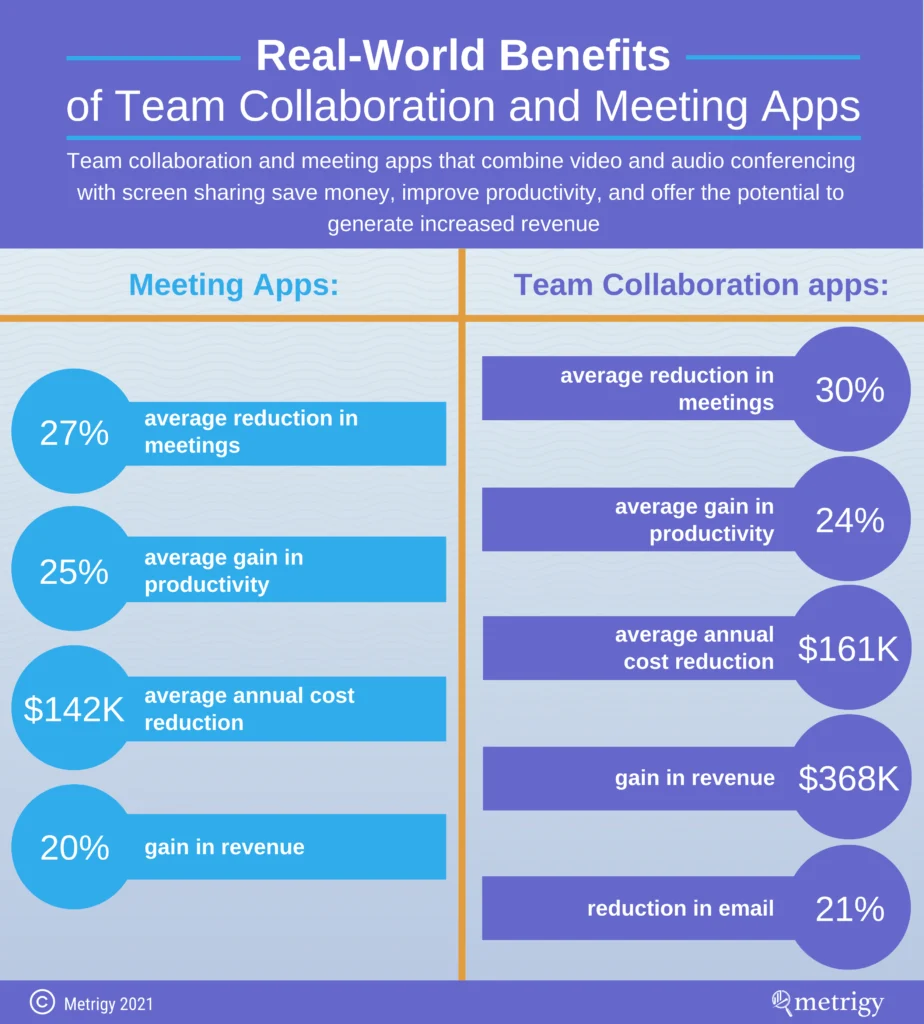
Companies that have adopted commercial real estate lease analysis software often report a 30‑50% reduction in lease‑audit turnaround time. One mid‑size property group noted that automated rent‑roll modeling helped them renegotiate several expiring leases, resulting in an average rent increase of 4% across their portfolio. Another user highlighted how the compliance engine prevented a costly misclassification under ASC 842, saving the firm from a potential $250,000 penalty.
If you’re curious about how data‑driven lease management can feed into broader investment strategies, check out our guide on commercial real estate investment management software – your guide to smarter investing. The synergy between lease analysis and investment dashboards can unlock new levels of portfolio optimization.
Integrating Lease Analysis With Other Real Estate Tech

Lease analysis doesn’t exist in a vacuum. When paired with asset management platforms, the insights can power capital allocation decisions, risk assessments, and even ESG (environmental, social, governance) reporting. For example, by linking lease terms to energy consumption data, you can identify tenants who are high energy users and negotiate sustainability clauses that align with corporate ESG goals.
Moreover, integrating lease analytics with a robust CRM can streamline lead generation for new tenants. A recent article on how to get real estate buyer leads – a complete playbook demonstrates how combining lease expiration alerts with targeted marketing campaigns can fill vacancies faster, improving overall occupancy rates.
Implementation Tips for a Smooth Transition
Even the best software can falter if the rollout isn’t managed well. Here are some practical pointers to ensure a seamless adoption.
Start With a Pilot Project
Choose a small, representative subset of leases—perhaps a single property or a specific asset class—and run them through the new system. This pilot will surface any data‑cleaning issues, allow you to fine‑tune extraction rules, and give the team a hands‑on feel before a full‑scale launch.
Invest in Training
Most vendors provide onboarding webinars, user manuals, and dedicated support. Schedule role‑specific training sessions—one for analysts who will build models, another for executives who will consume dashboards. The more comfortable users are, the quicker you’ll see ROI.
Establish Data Governance Policies
Define who can upload leases, who can edit rent‑roll assumptions, and who can approve final reports. A clear governance framework prevents data silos and ensures consistency across the organization.
Monitor Performance Metrics
Track key performance indicators (KPIs) such as time spent per lease, error rates, and the number of “what‑if” scenarios run each month. Use these metrics to justify the software investment and to identify areas for continuous improvement.
Future Trends: What’s Next for Lease Analysis?
The next wave of commercial real estate lease analysis software is likely to be powered by artificial intelligence (AI) and machine learning (ML). Expect smarter OCR that can handle handwritten addenda, predictive analytics that forecast lease renewal probabilities, and natural language processing (NLP) that can summarize complex clauses in plain English.
Another emerging trend is the integration of blockchain for lease contracts. By storing lease terms on an immutable ledger, parties can reduce disputes and streamline verification processes, especially in cross‑border transactions.
Finally, as the workplace evolves with hybrid models, lease analysis tools will need to accommodate flexible space arrangements—think hot‑desking agreements, shared‑office subleases, and short‑term pop‑up leases. Vendors that adapt quickly will become indispensable partners for landlords navigating this new reality.
In sum, commercial real estate lease analysis software is no longer a nice‑to‑have add‑on; it’s a strategic necessity for anyone serious about optimizing lease portfolios, staying compliant, and making data‑driven decisions. By selecting the right platform, investing in proper training, and staying attuned to emerging technologies, you’ll position your organization to thrive in an increasingly complex real estate landscape.