Table of Contents
- Step‑by‑step guide to create a website for real estate
- Key features to include when you create a website for real estate
- Choosing the right platform
- Designing for user experience (UX)
- Clear navigation hierarchy
- Strategic call‑to‑actions (CTAs)
- Fast loading times
- Consistent branding
- SEO fundamentals for your real‑estate site
- Integrating lead generation tools
- Content strategy that drives traffic and trust
- Analytics and continuous improvement
- Maintaining security and compliance
- Budgeting and timeline
- Future‑proofing your site
In today’s digital age, the first impression of any property business often happens online. Whether you’re a solo agent, a boutique brokerage, or a large development firm, having a polished, user‑friendly site can be the difference between a cold lead and a closed deal. But building that digital storefront isn’t as mysterious as it once seemed. With the right plan, tools, and a dash of creativity, you can create a website for real estate that not only looks great but also drives traffic, captures leads, and supports your brand.
This guide walks you through every stage of the process—starting from the initial concept, moving through design and development, and finishing with ongoing optimization. You’ll discover practical tips, essential features, and a few hidden gems that seasoned agents swear by. By the end, you’ll feel confident enough to launch a site that works as hard as you do.
Step‑by‑step guide to create a website for real estate

Before you dive into code or pick a theme, spend a little time clarifying the purpose of your site. Are you showcasing luxury homes, generating leads for rentals, or providing market insights? Knowing the primary goal will shape every decision that follows, from layout to the type of content you publish.
Key features to include when you create a website for real estate
Here’s a quick checklist of must‑have components that keep visitors engaged and push them toward action:
- Responsive design – Your site must look flawless on smartphones, tablets, and desktops. Over 70 % of home searches start on mobile devices.
- Advanced property search – Filters for price, bedrooms, location, and property type make browsing intuitive.
- High‑quality images and videos – Professional photos, 3‑D tours, and drone footage help prospects visualize the space.
- Lead capture forms – Simple, strategically placed forms (e.g., “Get a free valuation”) turn visitors into contacts.
- CRM integration – Connect the site to a real‑estate CRM or back‑office software so leads flow directly into your pipeline.
- SEO‑optimized blog – Regular market updates, neighborhood guides, and buying tips improve organic visibility.
- Testimonials and reviews – Social proof builds trust and differentiates you from competitors.
When you create a website for real estate, think of each feature as a room in a house: every room should have a purpose, be easy to navigate, and contribute to the overall experience.
Choosing the right platform

There are three main routes you can take:
- Hosted website builders – Squarespace, Wix, and Weebly offer drag‑and‑drop simplicity. Ideal for agents who want to launch quickly without technical headaches.
- Content Management Systems (CMS) – WordPress remains the most flexible option. With real‑estate plugins like IDX and Realtyna, you can add powerful search functions and lead tools.
- Custom development – For larger brokerages that need unique workflows or deep integration with internal systems, hiring a developer team may be worth the investment.
If you’re not sure where to start, a good compromise is a WordPress site paired with a reliable IDX plugin. This combo gives you the ease of a template while still letting you fine‑tune SEO, speed, and security.
Designing for user experience (UX)

Great UX is about anticipating the visitor’s needs. Here are some design principles that work especially well for real‑estate sites:
Clear navigation hierarchy
Keep the main menu short—Home, Listings, About, Blog, Contact. Use a sticky header so visitors can jump to any section without scrolling back up.
Strategic call‑to‑actions (CTAs)
Every page should have a visible CTA. For example, a property detail page could feature “Schedule a Showing” next to the photo carousel, while the blog sidebar might have “Get Market Updates – Subscribe”.
Fast loading times
Large images are essential, but they shouldn’t slow the site down. Use modern formats like WebP, lazy‑load galleries, and a CDN to keep load times under three seconds.
Consistent branding
Colors, fonts, and logo placement should echo your offline marketing materials. Consistency reinforces brand recall when a client meets you in person.
SEO fundamentals for your real‑estate site
Even the most beautiful site won’t bring traffic if search engines can’t find it. Here are the core SEO actions to embed while you create a website for real estate:
- Keyword research – Target phrases like “homes for sale in [city]”, “luxury condos [neighborhood]”, and, of course, “create a website for real estate” for niche content.
- On‑page optimization – Include the primary keyword in the title tag, meta description, H1, and naturally within the first 100 words of each page.
- Local schema markup – Implement LocalBusiness schema so Google can display your address, phone, and business hours directly in search results.
- Backlink strategy – Guest post on local news sites, partner with mortgage brokers, or write a guide on “how to create a website for real estate” to earn authoritative links.
- Mobile‑first indexing – Google primarily uses the mobile version of a page for ranking, so ensure your responsive design is flawless.
One often‑overlooked tactic is to create a resource hub. For instance, you could write a detailed post about “online MBA with real estate concentration – Your Complete Guide”. Linking to that article from your site not only provides value but also builds internal linking strength. (online MBA with real estate concentration – Your Complete Guide)
Integrating lead generation tools
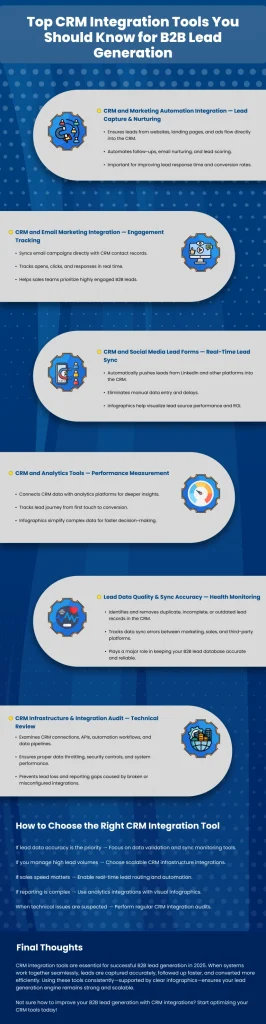
Lead generation is the lifeblood of any real‑estate business. While your site’s forms are a solid start, pairing them with specialized services can amplify results. Consider partnering with a lead generation company for real estate that offers pay‑per‑lead or pay‑after‑closing models. These services often provide pre‑qualified buyer and seller leads that fit your target market.
Another powerful addition is a back‑office solution that syncs directly with your CRM. A platform like real estate broker back office software can automate follow‑ups, track deal stages, and generate performance reports—all from the same dashboard that receives website leads.
Content strategy that drives traffic and trust
Content isn’t just filler; it’s a strategic asset that educates, inspires, and ranks. Here’s a simple framework to keep your blog engine humming:
- Market updates – Monthly posts about price trends, inventory levels, and upcoming developments in your target neighborhoods.
- Neighborhood guides – “Living in Downtown Austin: Schools, Nightlife, and Commute” style articles rank for location‑specific searches.
- Buyer/seller tips – How‑to guides (e.g., “Steps to secure a mortgage”, “Staging your home for a quick sale”).
- Case studies – Showcase successful transactions, including before‑and‑after photos and client testimonials.
When you create a website for real estate, embed a content calendar into your workflow. Consistency matters more than frequency; a well‑researched post every two weeks will outperform a daily stream of low‑value articles.
Analytics and continuous improvement
Launching the site is only half the battle. Ongoing analysis tells you what works and what needs tweaking. Set up the following tools:
- Google Analytics – Track page views, bounce rates, and conversion paths.
- Google Search Console – Monitor indexing issues, keyword performance, and click‑through rates.
- Heatmaps (e.g., Hotjar) – Visualize where users click, scroll, and linger on key pages.
Review the data monthly. If a property page has a high bounce rate, maybe the images are too large or the contact form is hidden. Small adjustments—like moving the CTA higher—can boost conversion by 10‑15 %.
Maintaining security and compliance
Real‑estate sites often collect personal information, so security is non‑negotiable. Follow these best practices:
- Install an SSL certificate (HTTPS) to encrypt data.
- Keep the CMS, plugins, and themes updated to patch vulnerabilities.
- Use a reputable web host with daily backups and DDoS protection.
- If you operate in states with strict privacy laws, add a clear privacy policy and cookie consent banner.
Budgeting and timeline
Here’s a realistic timeline for a typical small‑to‑mid‑size agency:
| Phase | Duration | Cost Estimate (USD) |
|---|---|---|
| Planning & research | 1‑2 weeks | $500‑$1,000 |
| Design mockups | 1‑2 weeks | $800‑$1,500 |
| Development & integration | 2‑4 weeks | $2,000‑$4,000 |
| Content creation | Ongoing | $300‑$800 per month |
| Testing & launch | 1 week | $300‑$600 |
Adjust these numbers based on whether you choose a DIY builder (lower cost, faster) or a custom solution (higher upfront, greater flexibility).
Future‑proofing your site
The real‑estate market evolves, and so should your digital presence. Keep an eye on emerging trends:
- AI‑driven property recommendations – Algorithms that suggest homes based on browsing behavior.
- Virtual reality (VR) tours – Immersive experiences that let buyers walk through a property from their living room.
- Voice search optimization – More users ask Alexa or Google Assistant for “homes for sale near me”.
- Chatbots – 24/7 assistance that qualifies leads before a human steps in.
Implementing these features doesn’t have to happen overnight. When you create a website for real estate, start with a solid foundation, then layer in innovations as your budget and expertise grow.
Building a high‑performing real‑estate website is a journey, but with a clear roadmap, the right tools, and a focus on user experience, you’ll see traffic turn into qualified leads and, ultimately, closed deals. Remember to monitor performance, stay adaptable, and keep the content fresh—your site will become an indispensable asset in your business arsenal.