Table of Contents
- Understanding the Adoption Process for Retired Military Working Dogs
- Eligibility Criteria When Learning How to Adopt Retired Military Working Dogs
- Paperwork and Preparation: The Administrative Side of Adoption
- Funding the Transition: Costs and Support
- Preparing Your Home for a Retired Military Working Dog
- Creating a Safe and Stimulating Environment
- Introducing the Dog to Existing Pets and Family Members
- Training Adjustments: From Military Discipline to Household Harmony
- Maintaining Core Commands
- Addressing Specialized Behaviors
- Health Monitoring and Veterinary Care
- Building a Lifelong Bond: The Emotional Side of Adoption
- Celebrating Milestones
- Frequently Asked Questions About How to Adopt Retired Military Working Dogs
There’s something undeniably special about the bond between a service member and their four‑legged partner. Military working dogs (MWDs) endure intense training, demanding missions, and countless hours alongside soldiers in some of the world’s toughest environments. When their service concludes, many of these heroic canines are looking for a forever home where they can enjoy a well‑deserved retirement.
Adopting a retired military working dog isn’t just about adding a pet to your family; it’s about honoring a legacy of dedication, sacrifice, and loyalty. The process can feel a bit daunting at first—there are eligibility requirements, paperwork, and a whole new set of responsibilities that come with caring for a dog trained for specialized tasks. But with the right information and a little preparation, you can make the transition smooth for both you and the dog.
Below, we’ll walk through everything you need to know about how to adopt retired military working dogs, from understanding the adoption programs and meeting the criteria, to preparing your home, handling training adjustments, and ensuring a lifelong happy partnership.
Understanding the Adoption Process for Retired Military Working Dogs
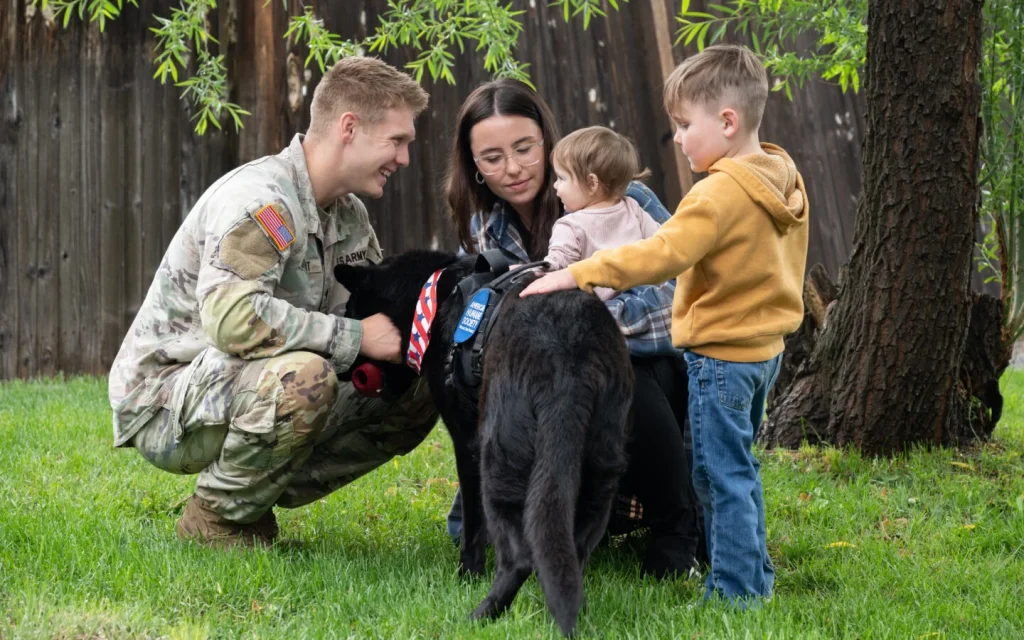
The first step in learning how to adopt retired military working dogs is to grasp the structure of the adoption programs that exist across the United States. Most branches of the armed forces—Army, Navy, Air Force, Marine Corps, and Coast Guard—partner with nonprofit organizations that specialize in rehoming these dogs once they’re deemed fit for retirement.
Key organizations include:
- Veterans’ Service Dog Program (VSDP)
- Paws for Warriors
- Military Working Dog Adoption Program (MWDAP)
- Best Friends Animal Society’s Military Working Dog Rescue
Each organization follows a similar but distinct set of guidelines. While some adoptives are veterans themselves, others are civilians with a passion for canine welfare. Knowing which program aligns with your background will streamline the journey of how to adopt retired military working dogs.
Eligibility Criteria When Learning How to Adopt Retired Military Working Dogs
Eligibility can vary, but most programs consider the following factors:
- Veteran Status: Many organizations prioritize veterans, especially those with combat experience, as they understand the unique challenges faced by service dogs.
- Living Situation: A stable, dog‑friendly environment is essential. This includes a fenced yard, no history of dog abandonment, and sufficient space for the dog to move.
- Experience with Dogs: Prior dog‑ownership or professional experience (e.g., trainers, handlers) is often required.
- Financial Commitment: Prospective adopters must demonstrate the ability to cover veterinary care, food, and any special equipment the dog may need.
- Background Check: A clean criminal record, especially concerning animal cruelty, is mandatory.
If you meet these criteria, you’re well on your way to mastering how to adopt retired military working dogs. The next step is to gather the necessary documentation.
Paperwork and Preparation: The Administrative Side of Adoption
When you’ve decided to move forward, the administrative side can feel a bit like a mission briefing. You’ll need to complete an application, provide references, and often undergo an interview.
Typical documents include:
- Proof of veteran status (DD‑214, discharge papers) – if applicable.
- Proof of residence (utility bill, lease agreement).
- Veterinary records for any current pets (to ensure compatibility).
- Financial statements or a letter confirming ability to cover pet expenses.
Some programs also ask for a home visit. This isn’t a hassle; it’s a chance for the adoption team to see how you’ve prepared your space for a dog trained to respond to specific cues and commands.
Once the paperwork is approved, you’ll receive a “adoption contract.” This legally binds you to care for the dog for its lifetime, mirroring the commitment you’d expect when adopting any pet—but with an added layer of respect for the dog’s military background.
Funding the Transition: Costs and Support
Adopting a retired MWD often involves a nominal adoption fee, which helps cover medical spay/neuter procedures, vaccinations, and transportation. While the fee is modest, you should budget for ongoing costs such as:
- High‑quality dog food (many retired MWDs are large breeds with high energy needs).
- Routine veterinary care, including annual exams and dental cleanings.
- Specialized gear like protective boots or a weighted vest if the dog still enjoys activity.
- Training refresher sessions, especially if you’re new to handling a dog with a working background.
If you’re looking for creative ways to fund these expenses, you might find inspiration in other financial topics. For instance, the article How to Get a Retirement Account – A Practical Step‑by‑Step Guide explains how disciplined budgeting can free up resources for pet care.
Preparing Your Home for a Retired Military Working Dog
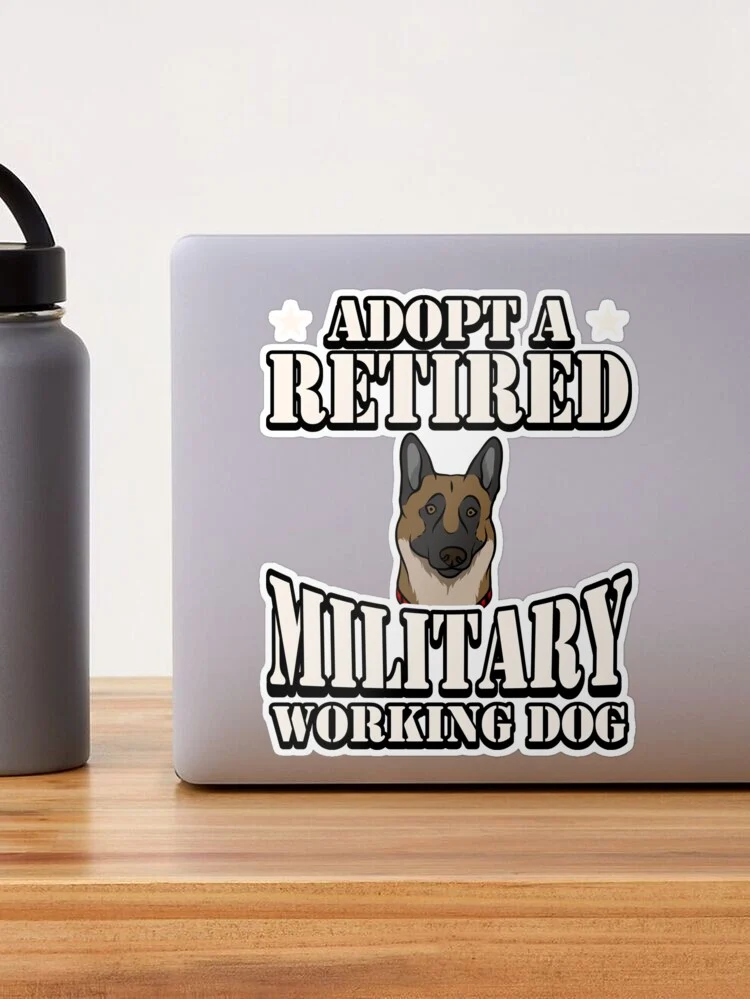
Transitioning a highly trained canine from a base environment to a civilian home requires thoughtful preparation. The goal is to create a space that feels safe and comfortable while allowing the dog to adjust at its own pace.
Creating a Safe and Stimulating Environment
Retired MWDs often have strong instincts for vigilance and may be more alert than typical household dogs. Here’s how to cater to those traits:
- Secure Yard: Ensure fences are tall enough (at least 6 feet) and have no gaps. Many MWDs are escape artists, having learned to navigate obstacles during training.
- Designated Rest Area: Provide a quiet, temperature‑controlled space with a comfortable bed. Dogs coming from a busy base may need a calm retreat.
- Mental Enrichment: Puzzle toys, scent work kits, and interactive games keep the dog’s mind engaged, preventing boredom‑related behaviors.
- Exercise Routine: Even retired dogs need regular walks and play sessions. Plan for at least 30‑60 minutes of activity daily, adjusting intensity based on the dog’s age and health.
Don’t forget to “dog‑proof” any areas with exposed wires or hazardous objects. While these dogs are intelligent, they can still get curious, especially when exploring a new home.
Introducing the Dog to Existing Pets and Family Members
Socialization is key. If you already have pets, introduce them gradually in a neutral location—like a park—before bringing the retired MWD home. Observe body language and keep interactions short initially.
Family members, especially children, should learn the dog’s “working” signals. Many retired dogs respond to commands like “stay,” “down,” and “heel.” Teaching your family these cues not only respects the dog’s training but also helps maintain safety.
Training Adjustments: From Military Discipline to Household Harmony
One of the biggest questions when figuring out how to adopt retired military working dogs is how much training is required. The answer depends on the dog’s specific background and current temperament.
Maintaining Core Commands
Retired MWDs usually retain a solid foundation of obedience. Reinforcing commands like “sit,” “stay,” “come,” and “leave it” helps translate their military discipline into everyday life. Use positive reinforcement—treats, praise, or a favorite toy—to keep sessions enjoyable.
Addressing Specialized Behaviors
Some dogs were trained for detection (narcotics, explosives) or patrol. They may still exhibit “search” behavior, sniffing around intensely. This isn’t a problem; it’s a natural expression of their skill set. You can channel it into structured activities such as scent‑work games or agility courses.
If the dog shows signs of anxiety or over‑alertness (e.g., barking at every passerby), consider consulting a professional trainer familiar with working dogs. Many trainers offer “transition counseling” specifically for retired MWDs.
Health Monitoring and Veterinary Care
Military service can take a toll on a dog’s joints and overall health. Regular veterinary check‑ups are essential. Look out for signs of arthritis, hearing loss, or dental issues. Early intervention with supplements, physiotherapy, or medication can greatly improve quality of life.
In some cases, the adoption agency may provide a health record summary, but it’s wise to schedule a comprehensive exam within the first month of adoption.
Building a Lifelong Bond: The Emotional Side of Adoption

Beyond logistics and training, the emotional connection with a retired military working dog is profound. These dogs have experienced the highs and lows of service, and they often form deep attachments to their new families.
Patience is key. Some dogs may be eager to please, while others could be more reserved, still processing the transition from a structured environment to a civilian home. Consistency in routine, gentle affection, and respecting the dog’s personal space will nurture trust.
Participating in community events—like veteran pet walks or dog‑friendly fundraisers—can also help both you and the dog feel part of a larger support network. Sharing stories with other adopters provides valuable insights and reinforces the sense of camaraderie that mirrors the dog’s original military unit.
Celebrating Milestones
Mark the dog’s adoption anniversary with a small celebration—a special treat, a new toy, or a day trip to a favorite park. These milestones not only honor the dog’s service but also strengthen the bond you share.
Frequently Asked Questions About How to Adopt Retired Military Working Dogs
- Can I adopt if I’m not a veteran? Yes. Many programs welcome civilians who demonstrate the necessary commitment and environment.
- Do I need a fenced yard? While not always mandatory, a secure outdoor space greatly enhances safety and comfort for most retired MWDs.
- What about insurance? Some organizations recommend pet insurance to cover unexpected medical costs, especially for breeds prone to joint issues.
- Will the dog still wear a vest? Some adopters keep the tactical vest for familiarity; others transition to a regular harness. It’s a personal choice.
- Can I train my own commands? Absolutely. While preserving core obedience is important, you can teach new cues that suit your lifestyle.
For those interested in broader financial planning related to pet ownership, you might explore resources like Vanguard Target Retirement 2040 Trust Select – In‑Depth Review & Tips, which outlines budgeting strategies that can also apply to long‑term pet expenses.
In the end, mastering how to adopt retired military working dogs is about more than just paperwork; it’s about honoring a shared history of service, providing a loving home, and continuing a partnership built on trust and respect. The journey may involve a few hurdles, but the reward—a loyal companion who has given everything for the country—is priceless.
So, if you’ve been considering opening your heart and home to a retired MWD, take the first step today. Reach out to a reputable adoption organization, assess your readiness, and prepare for a unique, rewarding relationship that will enrich both your lives for years to come.