
Table of Contents
Setting up a retirement account is one of the most important financial decisions you can make for your future. It’s a way to ensure that you have a steady income stream after you retire, and it can provide peace of mind knowing that you’re preparing for the next stage of your life. With so many different types of retirement accounts available, it can be overwhelming to decide which one is right for you. In this article, we’ll break down the steps to set up a retirement account and provide tips and guidance to help you get started.
Before we dive into the details, it’s essential to understand why setting up a retirement account is crucial. Retirement accounts offer tax benefits, compound interest, and a sense of security that can help you achieve your long-term financial goals. Whether you’re just starting your career or nearing retirement age, it’s never too early or too late to start planning for your future. By setting up a retirement account, you’ll be taking the first step towards securing your financial future and ensuring that you can enjoy the retirement you deserve.
As you begin to explore your options, you may want to consider reading about The Changing World of Retirement Planning: Adapting to a New Era to get a better understanding of the current landscape. Additionally, if you’re an employee of the state of Texas, you may want to look into the Employee Retirement System of Texas Health Insurance Explained to learn more about your options.
Understanding Your Options: Types of Retirement Accounts

There are several types of retirement accounts to choose from, each with its own unique benefits and characteristics. The most common types of retirement accounts include 401(k), IRA, Roth IRA, and annuities. When deciding which type of account to set up, consider your income level, employment status, and financial goals. For example, if you’re self-employed, you may want to consider setting up a SEP-IRA or a solo 401(k). If you’re looking for a more hands-off approach, you may want to consider a target date fund or a robo-advisor.
Tips for Choosing the Right Retirement Account
When selecting a retirement account, it’s essential to consider the fees associated with the account, the investment options available, and the level of control you have over your investments. You should also consider the tax implications of your retirement account, as some accounts offer tax-deferred growth or tax-free withdrawals. To get started, you may want to read How to Get a Retirement Account – A Practical Step-by-Step Guide to learn more about the process.
Another important consideration is the contribution limit for your retirement account. Contribution limits vary depending on the type of account and your income level, so it’s essential to understand how much you can contribute each year. You may also want to consider setting up automatic contributions from your paycheck or bank account to make saving for retirement easier and less prone to being neglected.
Setting Up Your Retirement Account: A Step-by-Step Guide
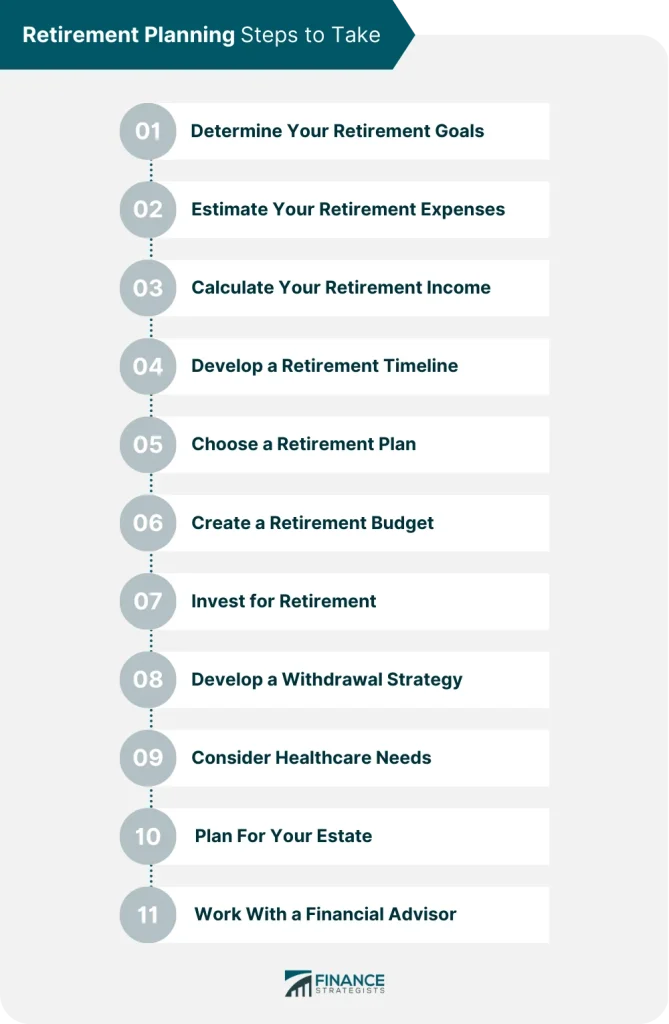
Once you’ve chosen the type of retirement account that’s right for you, it’s time to set it up. The process typically involves the following steps: selecting a provider, opening the account, funding the account, and selecting your investments. You may also want to consider consulting with a financial advisor to get personalized advice and guidance.
How to Set Up a Retirement Account: A Detailed Guide
To set up a retirement account, start by researching and selecting a provider that meets your needs. Look for a provider that offers low fees, a range of investment options, and excellent customer service. Once you’ve selected a provider, you can open the account online or by phone. You’ll typically need to provide personal and financial information, such as your name, address, and Social Security number. After the account is open, you can fund it by transferring money from your bank account or setting up automatic contributions from your paycheck.
After funding your account, you’ll need to select your investments. This can be a daunting task, especially if you’re new to investing. Consider consulting with a financial advisor or using a robo-advisor to help you get started. You may also want to read Vanguard Target Retirement 2040 Trust Select – In-Depth Review & Tips to learn more about target date funds and how they can help you achieve your retirement goals.
As you continue to contribute to your retirement account, it’s essential to monitor your progress and make adjustments as needed. You may want to consider increasing your contributions, changing your investment mix, or consulting with a financial advisor to ensure that you’re on track to meet your retirement goals. By following these steps and staying committed to your retirement plan, you can secure your financial future and enjoy the retirement you deserve.
Finally, remember that setting up a retirement account is just the first step in securing your financial future. You may also want to consider other financial planning strategies, such as Using Retirement Funds to Start a Business – A Practical Guide or Life Insurance as a Retirement Plan: A Comprehensive Guide. By taking a proactive and informed approach to your financial planning, you can achieve financial freedom and enjoy the retirement you’ve always dreamed of.
As you look to the future, remember that setting up a retirement account is a crucial step in securing your financial well-being. By understanding your options, selecting the right account, and following a step-by-step guide, you can take control of your retirement planning and achieve your long-term financial goals. Whether you’re just starting out or nearing retirement age, it’s never too early or too late to start planning for your future. So why wait? Take the first step today and start building the retirement you deserve.