Table of Contents
Accounting software has become an essential tool for accounting firms to manage their financial operations efficiently. With the increasing complexity of financial transactions and the need for accuracy, accounting software has evolved to meet the demands of the industry. In this article, we will explore the various types of accounting software used by accounting firms and their features.
The use of accounting software has revolutionized the way accounting firms operate. It has streamlined financial processes, reduced errors, and increased productivity. Accounting software provides a comprehensive solution for managing financial transactions, including invoicing, billing, and accounting. It also offers advanced features such as budgeting, forecasting, and financial analysis. With the help of accounting software, accounting firms can make informed decisions and provide better services to their clients.
One of the key benefits of using accounting software is that it automates many tasks, freeing up staff to focus on more complex and high-value tasks. For example, accounting software can automatically generate invoices, track expenses, and reconcile accounts. This not only saves time but also reduces the risk of errors. Additionally, accounting software provides real-time visibility into financial performance, enabling accounting firms to identify areas for improvement and make adjustments as needed. To learn more about how accounting software can benefit your firm, consider checking out the Benefits of Practice Management Software for CPA Firms.
Types of Accounting Software Used by Accounting Firms
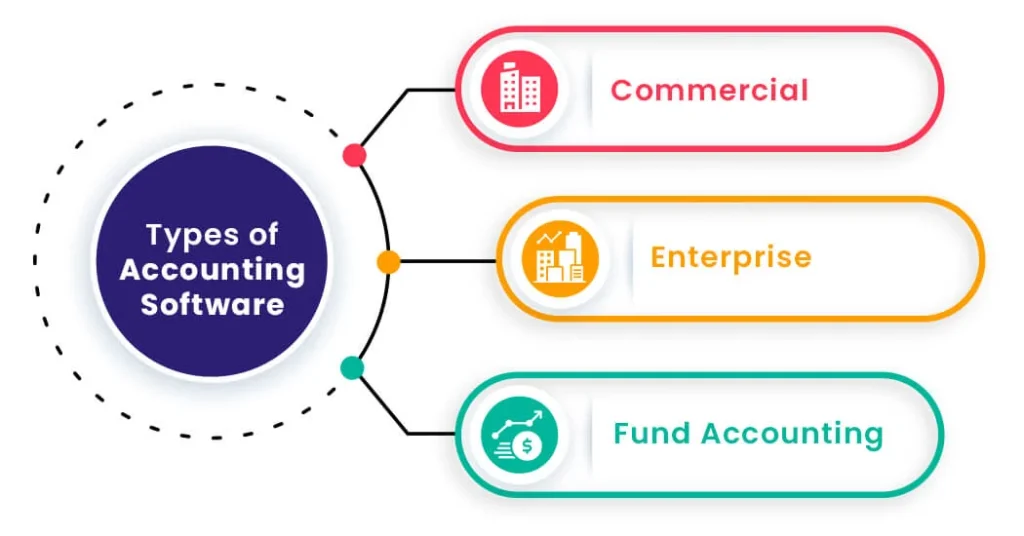
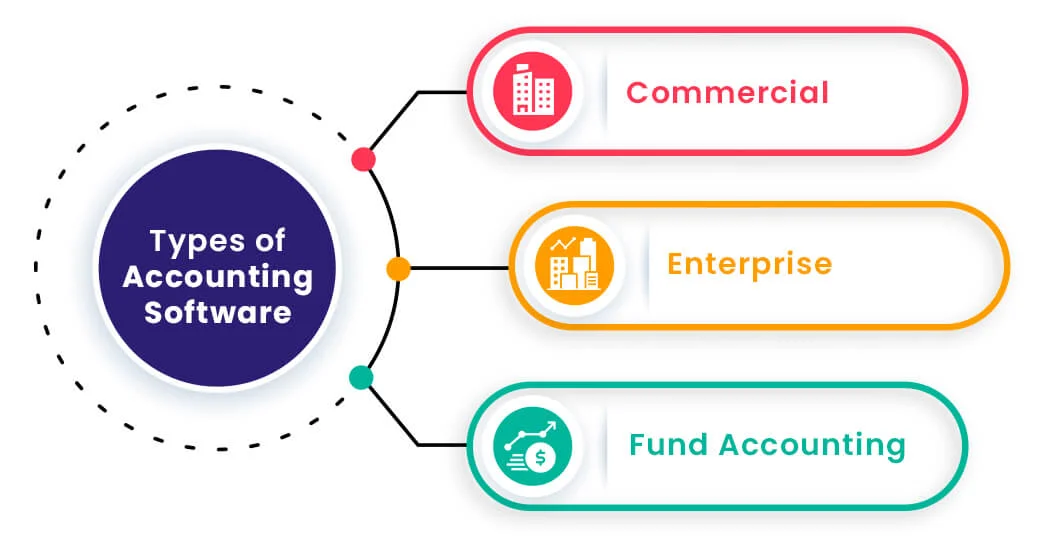
There are several types of accounting software used by accounting firms, each with its own unique features and benefits. Some of the most common types of accounting software include:
- Cloud-based accounting software: This type of software is hosted in the cloud and can be accessed from anywhere, at any time. It provides a flexible and scalable solution for accounting firms and is often more cost-effective than traditional on-premise solutions.
- On-premise accounting software: This type of software is installed on the accounting firm’s servers and provides a high level of control and security. It is often preferred by larger accounting firms that require more complex features and customization.
- Hybrid accounting software: This type of software combines the benefits of cloud-based and on-premise solutions, providing a flexible and scalable solution that can be accessed from anywhere.
Features of Accounting Software Used by Accounting Firms
Accounting software used by accounting firms typically includes a range of features that support financial management and accounting operations. Some of the key features include:
- Invoicing and billing: Accounting software can generate invoices and track payments, making it easy to manage client billing and accounts receivable.
- Accounting and bookkeeping: Accounting software provides a comprehensive accounting and bookkeeping system, including general ledger, accounts payable, and accounts receivable.
- Financial reporting: Accounting software can generate a range of financial reports, including balance sheets, income statements, and cash flow statements.
- Compliance and regulatory reporting: Accounting software can help accounting firms comply with regulatory requirements, such as tax returns and financial reporting.
When choosing an accounting software, it’s essential to consider the specific needs of your firm. For instance, if you’re looking for software that integrates well with QuickBooks, you might want to explore Inventory Software that Works with QuickBooks. This can streamline your inventory management and financial reporting processes.
Benefits of Using Accounting Software
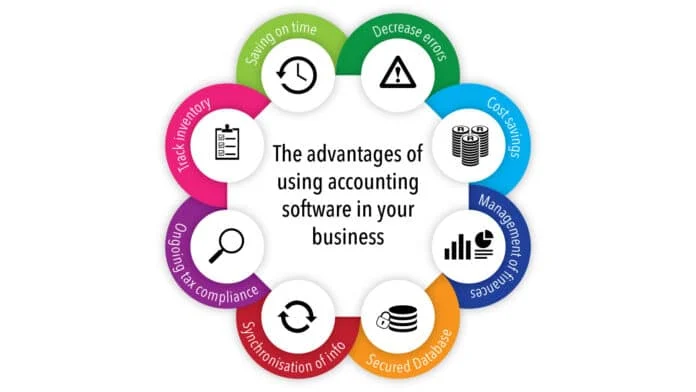
The benefits of using accounting software are numerous. Some of the key benefits include:
- Increased efficiency: Accounting software automates many tasks, freeing up staff to focus on more complex and high-value tasks.
- Improved accuracy: Accounting software reduces the risk of errors, providing accurate and reliable financial information.
- Enhanced visibility: Accounting software provides real-time visibility into financial performance, enabling accounting firms to identify areas for improvement and make adjustments as needed.
- Cost savings: Accounting software can help accounting firms reduce costs by streamlining financial processes and improving efficiency.
To further enhance the benefits of accounting software, firms can also consider implementing project management software to better manage client projects and internal workflows. This integrated approach can significantly improve overall firm performance.
In addition to these benefits, accounting software can also help accounting firms to better manage their clients’ financial data. By using accounting software, accounting firms can provide more accurate and timely financial information to their clients, which can help them make informed decisions. For example, accounting software can help accounting firms to generate financial reports, such as balance sheets and income statements, which can be used to analyze a client’s financial performance.
Moreover, accounting software can also help accounting firms to comply with regulatory requirements, such as tax returns and financial reporting. By using accounting software, accounting firms can ensure that they are meeting all the necessary regulatory requirements, which can help to reduce the risk of non-compliance.
In conclusion, accounting software has become an essential tool for accounting firms to manage their financial operations efficiently. With the increasing complexity of financial transactions and the need for accuracy, accounting software has evolved to meet the demands of the industry. By choosing the right accounting software, accounting firms can streamline their financial processes, reduce errors, and increase productivity. As the industry continues to evolve, it’s likely that accounting software will play an even more critical role in helping firms navigate complex financial landscapes. For those interested in exploring more about the benefits of integrated software solutions, consider reading about Manfaat Purchase Order and Inventory Management Software or Work Order and Inventory Management Software.