Getrawbox Getrawbox
Related Articles


Running a small or midsize business means juggling a lot of moving parts—cash flow, compliance, talent acquisition, and of course, employee benefits. Health insurance is often the most complex and costly piece of the puzzle, but it doesn’t have to be a nightmare. That’s where payroll companies that offer health insurance step in. They combine payroll processing with benefits administration, giving you a single platform to manage wages, taxes, and insurance enrollments.
In this article we’ll unpack why partnering with a payroll provider that bundles health insurance can be a game‑changer. We’ll look at the biggest advantages, highlight some of the top players in the market, and share practical tips for choosing the right partner for your business. By the end, you’ll have a clear roadmap to simplify your HR operations while keeping your workforce covered.
Payroll Companies That Offer Health Insurance: Why They Matter

When a payroll service also handles health insurance, you gain a unified dashboard where every employee record lives in one place. No more juggling separate spreadsheets for payroll and benefits, no more double‑entry errors, and no more waiting weeks for enrollment data to sync. This integration can reduce administrative overhead by up to 30 % for many firms, freeing up HR staff to focus on strategy rather than paperwork.
Moreover, many payroll companies negotiate group rates with insurers, leveraging the collective buying power of their client base. That means you could access more competitive premiums than you’d find on the open market. For small businesses especially, the ability to tap into these economies of scale can make the difference between offering a robust health plan or settling for a minimal, less attractive option.
How Payroll Companies That Offer Health Insurance Simplify Benefits Management
- One‑stop enrollment: Employees can sign up for health coverage during the same payroll onboarding process, reducing confusion and ensuring accurate data capture.
- Automated deductions: Premiums are automatically withheld from paychecks, eliminating missed payments and the need for manual invoicing.
- Compliance built‑in: Federal and state regulations—like ACA reporting and HIPAA privacy rules—are handled automatically, reducing the risk of costly penalties.
- Real‑time reporting: Dashboards provide instant visibility into enrollment rates, costs per employee, and upcoming renewal dates.
If you’re also exploring small business health insurance plans Florida – A Practical Guide, you’ll notice that many payroll providers have specialized modules for state‑specific compliance, making it easier to stay on top of regional requirements.
Top Payroll Companies That Offer Health Insurance in 2024
Below is a snapshot of the most reputable payroll firms that bundle health insurance. Each company varies in size, pricing structure, and insurance carrier partnerships, so consider your specific needs before diving in.
1. ADP Workforce Now
ADP is a household name in payroll, and its Workforce Now platform adds a fully integrated benefits module. Partnered with major carriers like UnitedHealthcare and Blue Cross Blue Shield, ADP lets you offer a range of medical, dental, and vision plans. Their self‑service portal lets employees compare plan options side‑by‑side, while the admin dashboard tracks enrollment trends and costs.
2. Paychex Flex
Paychex Flex is particularly popular among businesses with 1‑50 employees. Their health insurance add‑on includes access to a national network of insurers and a simple quoting tool that instantly shows premium estimates. The platform also handles ACA compliance reporting, which can be a headache for smaller HR teams.
3. Gusto
Gusto’s “Benefits” suite stands out for its user‑friendly design. You can add health, dental, and vision coverage with just a few clicks, and the system automatically calculates employer contributions. Gusto partners with leading carriers, and the pricing is transparent—no hidden fees for adding or dropping plans during open enrollment.
4. Zenefits
Zenefits started as a benefits‑first platform and later added robust payroll features. This hybrid approach makes it a strong contender for companies that prioritize health insurance flexibility. Zenefits offers a marketplace of carriers, enabling you to tailor plans to your workforce’s demographic profile.
5. Rippling
Rippling goes beyond payroll and benefits; it integrates IT provisioning, so new hires get both a computer and a health plan on day one. Their health insurance marketplace includes options for HSA‑eligible plans, which can be attractive for tech‑savvy employees who like to manage their own healthcare spending.
Key Factors to Evaluate When Choosing a Provider
Even though the list above highlights strong contenders, the best fit depends on your business’s unique circumstances. Use the following checklist to narrow down your options:
- Employee count and growth trajectory: Some providers charge per employee, while others use a flat fee. Make sure the pricing model scales with you.
- Carrier network: Verify that the payroll company partners with insurers that operate in your state(s) and offer the plan types you need (e.g., PPO, HMO, high‑deductible).
- Integration capabilities: If you already use an HRIS or time‑tracking system, confirm that the payroll‑health platform can sync via API.
- Customer support: Look for 24/7 help desks, dedicated account managers, and robust online knowledge bases.
- Compliance features: Ensure the platform automatically generates ACA 1094/1095 forms and handles state‑specific reporting.
Tip: Leverage Payroll Companies That Offer Health Insurance to Negotiate Better Rates
Because payroll firms aggregate demand across thousands of clients, they can negotiate discounted premiums. When you request a quote, ask the provider to share the “group rate” they’ve secured. This transparency can empower you to compare offers from other carriers and ensure you’re getting a competitive deal.
For a deeper dive into how to compare insurance quotes, check out our Medical Insurance Quotes for Small Businesses – A Complete Guide. The strategies outlined there apply equally well when you’re working through a payroll partner.
Implementation Checklist: Getting Started with a Payroll‑Health Solution
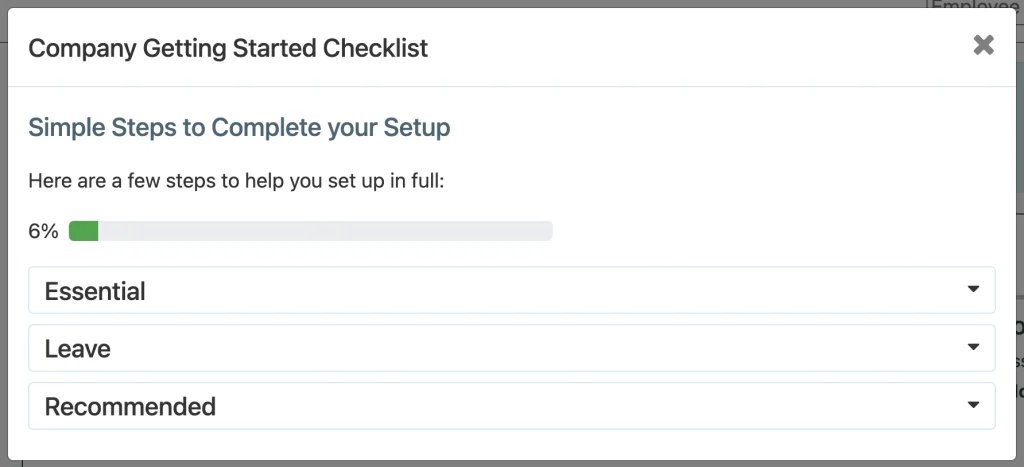
Switching to a payroll company that offers health insurance can be a smooth transition if you follow a structured plan. Below is a step‑by‑step checklist to keep you on track:
- Assess current benefits data: Export existing enrollment files, employee demographics, and historical premium costs.
- Choose your provider: Use the evaluation criteria above to shortlist 2‑3 firms, then request demos.
- Run a pilot: Enroll a small group of employees to test the workflow, communication templates, and reporting features.
- Communicate with staff: Send clear instructions on how to log into the new portal, compare plans, and meet enrollment deadlines.
- Set up payroll deductions: Map the premium amounts to each employee’s pay schedule—most platforms handle this automatically.
- Validate compliance reports: Run a test ACA filing to ensure the data aligns with IRS requirements.
- Go live: Activate the system company‑wide and monitor for any glitches during the first payroll cycle.
Following this roadmap reduces the risk of errors and helps maintain employee confidence throughout the transition.
Cost Considerations and ROI
At first glance, adding health insurance to your payroll service may seem like an added expense. However, the hidden savings often outweigh the nominal fees. Here’s how to think about ROI:
- Reduced administrative labor: If you spend 5–10 hours a month on benefits paperwork, a payroll‑health platform can cut that down to 1–2 hours, saving both time and payroll costs.
- Lower premium rates: Group discounts secured by the payroll provider can shave 5‑15 % off the baseline premium.
- Improved employee retention: Access to quality health coverage boosts satisfaction and reduces turnover, which can save up to $15,000 per retained employee in recruitment costs.
- Compliance avoidance: Automated ACA reporting prevents costly penalties that can run into tens of thousands of dollars.
When you tally these benefits, the net impact is often a positive cash flow effect, especially for businesses that were previously managing benefits in a fragmented, manual fashion.
Future Trends: What’s Next for Payroll‑Health Integration?
The convergence of payroll and health insurance is still evolving. Here are a few trends to watch:
- AI‑driven plan recommendations: Some platforms are using machine learning to suggest the most cost‑effective plan based on employee health data and utilization patterns.
- Telehealth integration: As virtual care becomes mainstream, payroll providers are bundling telemedicine subscriptions directly into health plans.
- Wellness incentives: Integrated wellness programs that reward employees for healthy behaviors (e.g., step challenges) are being tied to payroll deductions and bonuses.
- Blockchain for secure data sharing: Early pilots are testing blockchain to ensure immutable records of enrollment and claims, enhancing privacy and compliance.
Staying ahead of these innovations can give your business a competitive edge in talent attraction and operational efficiency.
In short, payroll companies that offer health insurance are more than just a convenience—they’re a strategic lever for cost control, compliance, and employee satisfaction. By choosing the right partner, you can streamline your back‑office, negotiate better rates, and focus on growing your core business.