Getrawbox Getrawbox
Related Articles



******
Running a small or medium‑sized enterprise means you’re constantly juggling expenses, payroll, inventory, and growth opportunities. Traditional banks often ask for collateral, credit scores, and years of operating history before they hand over a loan. But what if you could secure financing simply by showing that your business generates enough cash each month to cover the debt? That’s the premise behind business loans based on cash flow. Instead of focusing on assets, lenders look at the inflow and outflow of money to gauge whether you can comfortably repay.
In today’s fast‑moving market, cash‑flow‑driven loans have become a lifeline for companies that may not own pricey equipment or real‑estate, yet have a solid revenue stream. From seasonal retailers to SaaS startups, many entrepreneurs are discovering that a healthy cash flow can open doors to working capital, expansion funds, or bridge loans without putting their assets on the line.
Below we’ll break down everything you need to know about these loans: how they’re structured, what lenders scrutinize, and practical steps you can take to improve your application. Whether you’re a seasoned founder or just launching, this guide will help you decide if a cash‑flow‑focused loan is the right fit for your growth plans.
Business Loans Based on Cash Flow: What They Are and Why They Matter
At their core, business loans based on cash flow are financing products that use the predictability and stability of your company’s incoming cash as the primary underwriting metric. Instead of demanding a mortgage‑type security, lenders assess metrics such as the Debt Service Coverage Ratio (DSCR), monthly recurring revenue (MRR), and net cash flow after operating expenses.
This approach offers several advantages:
- Speedier approval: With fewer paperwork requirements, decisions can be made in days rather than weeks.
- Flexibility: You can qualify even if you don’t own real estate or expensive machinery.
- Growth‑oriented: Funds can be used for marketing, hiring, or inventory—any area that fuels revenue.
However, the flip side is that lenders will scrutinize every line of your cash flow statement. Any irregularities, seasonality spikes, or negative trends can raise red flags. Understanding how lenders view your cash flow is the first step toward a successful application.
Eligibility Criteria for Cash‑Flow‑Based Loans
While each lender has its own playbook, most share common eligibility benchmarks. Below is a quick checklist to see if you meet the baseline requirements:
- Minimum annual revenue: Typically $100,000–$500,000, depending on the lender.
- Positive cash flow: Consistently generating more cash than you spend on operating costs.
- Business age: Usually at least 12 months of operating history.
- Credit health: Personal and business credit scores above 600 are often preferred, though strong cash flow can offset a lower score.
- Industry considerations: Certain high‑risk sectors (e.g., gambling, adult entertainment) may be excluded.
If you’re unsure where you stand, start by pulling your latest profit‑and‑loss statement and cash flow report. Look for trends that demonstrate steady or growing net cash inflow. This data will form the backbone of your loan package.
How Lenders Evaluate Cash Flow
Unlike asset‑backed loans where the property value is the safety net, cash‑flow lenders rely heavily on quantitative ratios. Here are the most common metrics they examine:
Debt Service Coverage Ratio (DSCR)
DSCR = Net Operating Income ÷ Total Debt Service. A DSCR above 1.2 is generally considered safe, indicating that your business earns 20 % more than it needs to cover loan payments.
Cash Flow to Debt Ratio
This ratio compares total cash flow to total outstanding debt. A higher ratio signals lower risk.
Monthly Recurring Revenue (MRR) and Annual Recurring Revenue (ARR)
For subscription‑based or service businesses, recurring revenue streams provide predictability that lenders love. Demonstrating a growing MRR can strengthen your case.
Seasonality Adjustments
If your business experiences peaks and troughs, lenders will look at cash flow over a full 12‑month cycle to ensure you can still meet obligations during slower periods.
When you present these figures, clarity is key. Use a clean, professionally formatted cash flow statement and, if possible, include third‑party verification (e.g., CPA‑certified reports).
Types of Business Loans Based on Cash Flow
Not all cash‑flow loans are created equal. Here are the most popular formats you’ll encounter:
- Term loans: Fixed‑amount loans with set repayment schedules, often ranging from 12 to 60 months.
- Lines of credit: Revolving credit that lets you draw funds as needed, paying interest only on the amount used.
- Merchant cash advances (MCAs): A lump sum repaid via a percentage of daily credit‑card sales. While quick, MCAs tend to carry higher fees.
- Invoice financing: Short‑term funding where lenders advance a percentage of outstanding invoices, repaid once the customer pays.
Each option has its own cost structure and risk profile. For example, a traditional term loan may have a lower APR, but a line of credit offers flexibility for unpredictable cash needs.
Steps to Prepare a Winning Application
How to Improve Your Business Loans Based on Cash Flow Application
Getting approved isn’t just about showing numbers; it’s about telling a compelling story. Follow these steps to boost your odds:
- Clean up your financial statements: Reconcile bank accounts, remove one‑off expenses, and ensure all revenue is accurately recorded.
- Highlight recurring revenue: If you have contracts, subscriptions, or repeat customers, showcase them prominently.
- Build a cash‑flow projection: Provide a 12‑month forecast that demonstrates how the loan will enhance cash flow (e.g., by funding a marketing campaign that drives sales).
- Maintain a healthy DSCR: If your current ratio is borderline, consider paying down existing debt before applying.
- Gather supporting documents: Include bank statements, tax returns, and, if applicable, a CPA review letter.
Don’t forget to address any potential concerns head‑on. If your cash flow dipped last quarter due to a one‑time event, explain the cause and how you’ve recovered.
Cost Considerations and Hidden Fees
While cash‑flow‑based financing can be convenient, it’s essential to understand the total cost of borrowing. Common fee structures include:
- Interest rate (APR): Typically ranges from 6 % to 30 % depending on risk profile.
- Origination fee: A one‑time charge, usually 1 %–3 % of the loan amount.
- Prepayment penalties: Some lenders penalize early payoff; always read the fine print.
- Maintenance or monitoring fees: Especially common with lines of credit that require monthly statements.
To keep costs in check, compare offers from multiple lenders, negotiate fees where possible, and factor in the impact of any prepayment penalties on your cash‑flow model.
Choosing the Right Lender

Not every lender specializes in cash‑flow underwriting. Here’s a quick guide to help you pick a partner that aligns with your needs:
- Traditional banks: Offer lower rates but stricter criteria; best for established businesses with strong cash flow histories.
- Online lenders: Faster approvals, more flexible underwriting, but often higher rates.
- Alternative finance platforms: Peer‑to‑peer or marketplace lenders can provide niche products like invoice financing.
Before you commit, read reviews, ask about their underwriting methodology, and verify that they provide transparent disclosure of all fees.
Case Study: A Retailer Who Leveraged Cash‑Flow Loans for Expansion
Imagine a boutique apparel store generating $250,000 in annual revenue with a steady monthly cash flow of $30,000 after expenses. The owner wanted to open a second location but lacked collateral. By applying for a business loan based on cash flow, she secured a $75,000 line of credit with a 9 % APR. The lender approved the loan after confirming a DSCR of 1.4 and a consistent MRR from her e‑commerce channel.
Within six months, the new store contributed an additional $15,000 in monthly cash flow, easily covering the line’s repayment. This real‑world example underscores how cash‑flow‑driven financing can fuel growth without sacrificing assets.
Common Pitfalls to Avoid
- Over‑borrowing: Taking more than your cash flow can sustain will quickly erode profitability.
- Ignoring seasonality: Failing to plan for low‑cash periods can lead to missed payments.
- Neglecting credit health: Even with strong cash flow, a poor personal credit score can raise rates or cause denial.
- Choosing the wrong product: An MCA might seem easy, but its high effective interest could outweigh the benefit of fast cash.
Integrating Cash‑Flow Loans with Overall Financial Strategy
Think of a cash‑flow loan as one tool in a broader financial toolkit. Pair it with solid budgeting, regular cash‑flow forecasting, and risk management (like professional liability insurance for sole proprietorship) to create a resilient business model. For instance, using a line of credit to smooth out inventory purchases while maintaining a separate emergency reserve can protect you from unexpected downturns.
Additionally, consider complementary protections such as cheap car and home insurance quotes if your business involves vehicle fleets or a home‑based office. A well‑rounded approach reduces reliance on any single financing source.
Future Trends in Cash‑Flow‑Based Lending
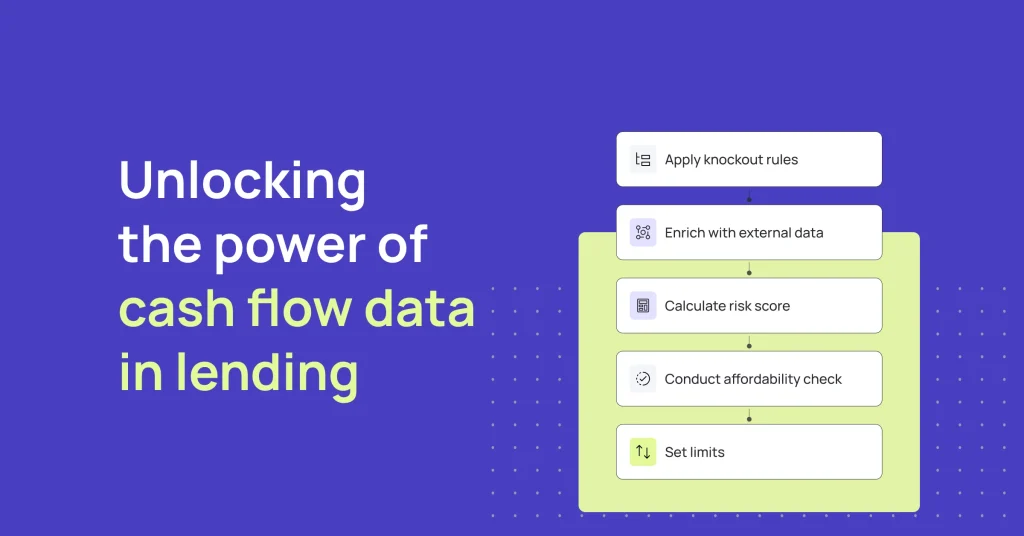
Technology is reshaping how lenders access and analyze cash‑flow data. Real‑time banking APIs, AI‑driven cash‑flow modeling, and blockchain‑based verification are making the approval process even faster. Expect to see more automated underwriting platforms that can provide instant decisions based on your accounting software feeds.
Moreover, as sustainability becomes a priority, some lenders are beginning to factor in ESG (environmental, social, governance) metrics alongside cash flow, rewarding businesses that demonstrate green practices with better rates.
Staying informed about these trends can give you a competitive edge. Regularly review your financial software integrations and be ready to adapt as new financing options emerge.
In summary, business loans based on cash flow offer a pragmatic path to funding for companies that can prove they generate enough money to cover debt. By understanding the metrics lenders care about, preparing clean financial statements, and selecting the right product, you can unlock capital that powers growth without risking your most valuable assets. Keep an eye on evolving tech, stay disciplined with cash‑flow management, and you’ll be well positioned to take advantage of the opportunities these loans present.