Getrawbox Getrawbox
Related Articles



Student loans are often the first big debt many of us encounter after stepping into adulthood. While the primary goal is to fund education, there’s an added question that pops up as soon as the first payment lands in the mailbox: will paying student loans build credit? The answer isn’t a simple yes or no—it’s a mix of timing, payment behavior, and how lenders view your overall credit profile.
In this article we’ll break down the mechanics behind credit reporting, explore the direct and indirect ways your student loan payments can influence your credit score, and give you actionable tips to make the most of every dollar you send to your lender. Whether you’re just starting your repayment journey or you’ve been juggling loans for years, understanding the credit impact can help you plan smarter, avoid pitfalls, and maybe even speed up your path to financial freedom.
Before we dive into the nitty‑gritty, let’s set the stage: credit scores are calculated using five major factors—payment history, amounts owed, length of credit history, new credit, and credit mix. Student loans touch on a few of these components, especially payment history and amounts owed. So, the central question—will paying student loans build credit—really boils down to how those payments are reported and how they interact with the other pieces of your credit puzzle.
Will Paying Student Loans Build Credit? The Basics

Short answer: Yes, making on‑time student loan payments can help build your credit, but only if the loan is being reported to the major credit bureaus (Experian, TransUnion, and Equifax). Most federal student loans are automatically reported, while some private lenders may choose not to. When they do report, each payment you make contributes positively to the payment history portion of your score—the most heavily weighted factor, accounting for about 35% of the FICO calculation.
Conversely, missed or late payments can do serious damage. A single 30‑day late payment can shave 50–100 points off a healthy score, while a 90‑day delinquency can drop you even further. That’s why the timing of your payments matters just as much as the fact that you’re paying at all.
How Will Paying Student Loans Build Credit Over Time?
- Payment history builds a positive track record. Each on‑time payment adds a “good” mark to your credit file, showing lenders you’re reliable.
- Reducing the balance lowers your credit utilization. While student loans are installment debt (not revolving), a lower balance still signals lower overall debt, which can improve the “amounts owed” factor.
- Length of credit history extends. The longer your student loan stays open and in good standing, the more “age” you add to your credit mix, which can be beneficial.
- Diversifies your credit mix. Having an installment loan like a student loan alongside credit cards and a mortgage can raise your score, because it shows you can handle different types of credit.
But here’s a nuance: paying down a student loan faster doesn’t necessarily boost your score faster. Credit scoring models favor a steady, positive payment history over a rapid payoff that leaves the account closed early. In fact, closing an installment loan early can sometimes shrink your “average age of accounts,” slightly lowering the score. So, keep the loan open for at least a few years after you start making regular, on‑time payments.
Key Factors That Determine the Credit Impact
Even though the headline question is simple, the reality is that several variables influence whether paying student loans truly builds credit:
Reporting Practices of Lenders
Not every lender reports to all three bureaus. Federal Direct Loans and Federal Family Education Loans (FFEL) are generally reported, but some private lenders might only report to one bureau or not at all. If your loan isn’t being reported, your payments won’t affect your credit score directly. In that case, you might consider requesting a credit report from each bureau to confirm whether the loan appears.
Payment Status and Timing
Credit bureaus receive data on a monthly basis. If you make a payment after the reporting date, that payment won’t appear until the next cycle, which can create a short lag. Set up automatic payments or schedule them a few days before the due date to ensure they’re recorded on time.
Loan Balance Relative to Original Amount
While student loans are installment accounts, the “debt‑to‑income” ratio that lenders look at when you apply for new credit still matters. A high remaining balance can signal higher risk, especially if you’re applying for a mortgage or car loan. Paying down the principal gradually can improve the perception of your creditworthiness.
Overall Credit Profile
If you have a thin credit file—say, just a student loan and no credit cards—your score might be more sensitive to any fluctuations. Adding a small, responsibly‑used credit card can provide additional positive payment history and reduce your reliance on the loan as the sole credit line.
Strategic Ways to Leverage Student Loan Payments for Credit Building
Now that we’ve covered the mechanics, let’s talk tactics. Below are proven strategies to ensure your student loan payments work harder for your credit score.
Set Up Automatic Payments (Auto‑Pay)
Most lenders offer a discount (often 0.25%–0.5% off the interest rate) for enrolling in auto‑pay, and it guarantees you never miss a due date. This consistent on‑time payment history is the cornerstone of building credit.
Monitor Your Credit Reports Regularly
Pull your free credit report from each bureau at least once a year via AnnualCreditReport.com. Verify that your student loan appears, that the balance and payment status are accurate, and that no errors exist. Dispute any inaccuracies promptly to keep your score on track.
Consider a Credit Builder Loan
If your student loan isn’t reported or you need additional positive payment history, a small credit‑builder loan from a credit union can fill the gap. These loans are designed specifically to boost credit by reporting each payment to the bureaus.
Maintain a Healthy Credit Mix
Having a mix of revolving (credit cards) and installment (student loans, auto loans) credit is beneficial. If you only have a student loan, consider opening a secured credit card and using it for small purchases, then paying it off each month. This adds another on‑time payment line to your report.
Don’t Pay Off Too Early—Think About Account Age
While it feels great to clear debt, waiting a few years before paying off the loan entirely can preserve the “length of credit history” factor. If you’re close to a major purchase like a home, keeping the loan open for a couple more years can be advantageous.
Use Forbearance Wisely
In tough financial times, you might be tempted to request a forbearance. While forbearance temporarily pauses payments, it also pauses the reporting of on‑time payments, which can stall credit‑building progress. If you must enter forbearance, try to keep it short and resume payments promptly. For more on navigating forbearance, check out student loan forbearance options.
Real‑World Scenarios: How Payments Affect Different Credit Goals
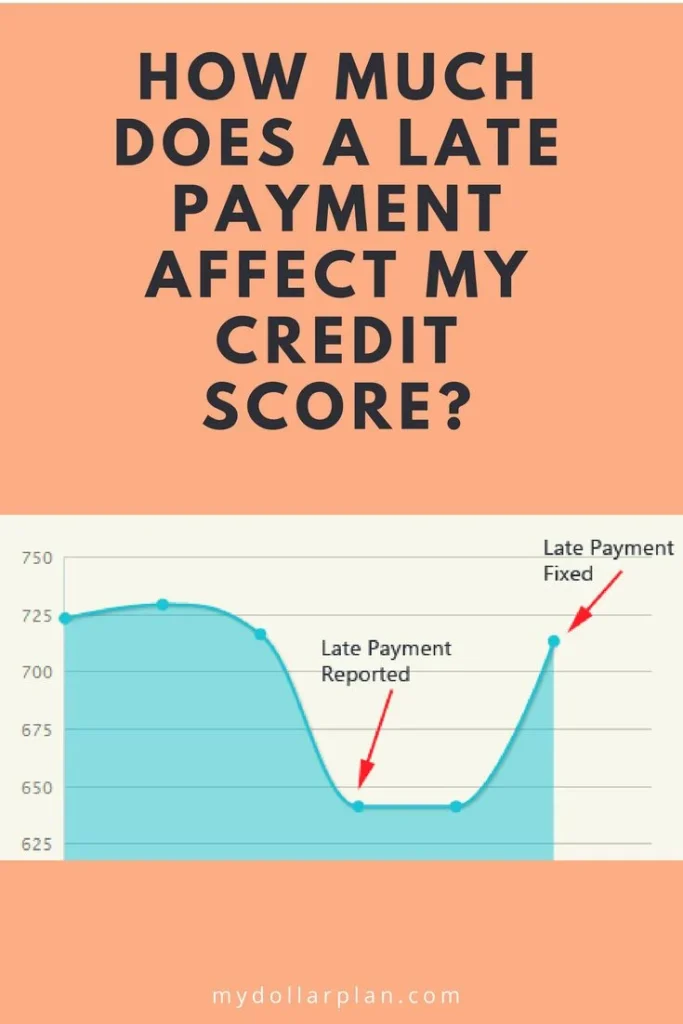
Let’s illustrate the impact with a few common situations.
Scenario 1: First‑Time Homebuyer
Emily is 27, has a $30,000 student loan with a 4% interest rate, and wants to buy a house in two years. By enrolling in auto‑pay and making consistent on‑time payments, she builds a solid payment history. The loan stays on her credit report, boosting her “credit mix” and “payment history” scores. When she applies for a mortgage, lenders see a reliable borrower, which can translate into a lower interest rate.
Scenario 2: Credit‑Starved Graduate
Jake just finished his master’s degree. He has a $15,000 student loan but no credit cards. His credit score hovers around 620. By opening a secured credit card and using it for $200 each month, paying it off in full, and keeping his student loan payments on time, Jake adds two lines of positive payment history. Within a year, his score climbs above 700, opening doors to better loan terms and even qualifying for a VA home loan pre‑approval if he’s eligible.
Scenario 3: Refinancing for Lower Rates
Maria has a $40,000 private student loan at 7% interest. She’s been paying on time for three years, and her credit score is 750. Because of her strong payment history, she qualifies for a refinance with a 4.5% rate through Sallie Mae. The new loan continues reporting to the bureaus, and the lower interest rate frees up cash flow for other financial goals. Learn more about the process in our guide on refinancing your student loan.
Common Myths About Student Loans and Credit
There’s a lot of misinformation out there. Let’s debunk a few myths that often confuse borrowers.
Myth 1: Paying Off a Student Loan Won’t Affect Your Credit
False. Paying off a loan does affect your credit, but the impact depends on the timing and your overall profile. A payoff can cause a slight dip due to reduced “credit mix” and “average account age,” but the long‑term benefit of a zero‑balance, positive payment history outweighs the temporary dip.
Myth 2: Only Credit Cards Influence Your Score
Wrong. While credit cards are a common tool for building credit, any debt that is reported—auto loans, mortgages, student loans—contributes to your score. Student loans are especially valuable because they’re installment accounts, which add diversity to your credit portfolio.
Myth 3: Late Payments on Student Loans Are Forgiven After a Year
Incorrect. Late payments stay on your credit report for up to seven years, and they continue to weigh heavily on your score. The only “forgiveness” that can happen is through specific federal programs like Income‑Driven Repayment (IDR) forgiveness, but that’s separate from credit reporting.
FAQs About Paying Student Loans and Credit Building

Will paying my student loan on a bi‑weekly schedule improve my credit faster?
Bi‑weekly payments can reduce interest and pay off the loan sooner, but credit bureaus only see the monthly status. As long as the monthly payment is on time, the frequency doesn’t change the credit impact.
Can I request my lender to report my student loan if they don’t already?
Yes, many lenders will accommodate a request to begin reporting. Contact customer service and ask about “credit reporting” options. Keep records of any confirmation for your own tracking.
Does consolidating multiple federal loans affect my credit?
Consolidation typically creates a new loan account while closing the old ones. This can slightly affect the average age of accounts, but the new loan will inherit the positive payment history of the originals, so the net effect is usually neutral or positive.
Will a deferment or forbearance period hurt my credit?
Only if the lender reports the loan as “delinquent.” Most federal deferments are reported as “current,” so they don’t harm your score. Always verify with your lender.
Is it better to pay the minimum or extra toward the principal?
From a credit standpoint, both keep the loan current, so your score stays healthy. Paying extra reduces the balance faster, lowering the “amounts owed” factor and potentially improving future borrowing power.
In summary, the answer to the central question—will paying student loans build credit—is a resounding yes, provided the loan is reported and you maintain a disciplined payment routine. By understanding the nuances of credit reporting, leveraging strategic tools like auto‑pay and credit mix diversification, and staying vigilant about your credit reports, you can turn a necessary debt into a powerful credit‑building engine.
Remember, credit is a marathon, not a sprint. Each on‑time student loan payment adds a small but meaningful brick to the foundation of your financial future. Keep those bricks aligned, and you’ll see the structure of a strong credit profile rise over time.
[Finance]: Finance