Getrawbox Getrawbox
Related Articles



Homeowners often find themselves with a solid amount of equity built up in their property, and that hidden wealth can be a powerful tool when you need cash for renovations, debt consolidation, or even a new investment. But before you start day‑dreaming about a brand‑new kitchen or a lower‑interest loan on your credit cards, you need to understand the ins and outs of applying for a home equity loan. The process may sound daunting at first, yet with the right preparation it can be surprisingly straightforward.
In this article we’ll walk you through the entire journey – from figuring out whether you qualify, to gathering the paperwork, choosing the right lender, and finally sealing the deal. Along the way, you’ll find practical tips, common pitfalls to avoid, and a few handy resources that can make the whole experience smoother. So grab a coffee, settle in, and let’s demystify the world of home equity financing.
Step‑by‑Step Guide to applying for a home equity loan
Whether you’re a first‑time borrower or have tapped into your home’s equity before, a clear roadmap can save you time, money, and a lot of headaches. Below is a logical sequence that most lenders follow when you’re applying for a home equity loan.
1. Assess Your Home’s Equity
The first thing you’ll need to know is how much equity you actually have. Equity is the difference between your home’s current market value and the outstanding balance on your primary mortgage. A quick way to estimate this is:
- Home Value – Mortgage Balance = Equity
Most lenders will let you borrow up to 80‑85% of that equity, but the exact limit depends on your credit profile and the loan product you choose.
2. Check Your Credit Score and Debt‑to‑Income Ratio
Lenders use your credit score as a proxy for how reliably you’ll repay the loan. A score of 700 or higher generally lands you the best rates, though some programs accept lower scores with higher interest. Your debt‑to‑income (DTI) ratio—total monthly debt payments divided by gross monthly income—should ideally stay under 43%.
If your score needs a boost, consider paying down revolving balances or correcting any errors on your credit report before you start applying for a home equity loan. For a deeper dive into credit building, see our article on Will Paying Student Loans Build Credit? A Complete Look.
3. Gather Required Documentation
When you’re applying for a home equity loan, lenders typically ask for the following:
- Proof of income (pay stubs, W‑2s, or tax returns for the last 2‑3 years)
- Recent bank statements (usually the last 30 days)
- Current mortgage statement
- Home appraisal report or recent comparative market analysis
- Identification (driver’s license or passport)
Having these items ready ahead of time can shorten the approval timeline dramatically.
4. Choose Between a Fixed‑Rate Loan and a HELOC
Two popular products fall under the umbrella of home equity financing:
- Fixed‑Rate Home Equity Loan: You receive a lump sum with a set interest rate and repayment schedule, much like a traditional mortgage.
- Home Equity Line of Credit (HELOC): Works like a credit card, letting you draw funds as needed up to a credit limit, with a variable interest rate.
Think about your spending plan. If you need a single, large amount for a remodel, a fixed‑rate loan might be best. If you anticipate ongoing expenses, a HELOC could give you flexibility.
5. Shop Around for Lenders
Don’t settle for the first offer that lands on your inbox. Compare rates, fees, and terms from multiple sources—banks, credit unions, and online lenders. Some lenders even provide a pre‑approval calculator, which can give you a sense of what you might qualify for without a hard credit pull.
For veterans or active‑service members, you might also explore the Get Pre Approved for VA Home Loan – Step‑by‑Step Guide to see if a VA benefit can complement your home equity strategy.
6. Submit Your Application
Now it’s time for the real action—applying for a home equity loan. Most lenders offer an online portal where you can upload documents, answer a few questions about your property, and sign electronically. After submission, the lender will typically order an appraisal (if one isn’t already available) and verify the information you provided.
7. Review the Loan Estimate and Closing Disclosure
Within three business days of receiving your application, the lender must provide a Loan Estimate outlining the interest rate, monthly payment, and all closing costs. After the appraisal, you’ll receive a Closing Disclosure that details the final terms. Take time to read these documents carefully; ask the loan officer to clarify any fees that seem unclear.
8. Close the Loan
Once you accept the terms, you’ll sign the final paperwork, either in person at a closing office or electronically. The funds will then be disbursed—either as a lump sum (fixed loan) or made available for draw (HELOC). Keep records of the loan agreement for future reference, especially if you plan to refinance later.
Tips to Strengthen Your Application for a Home Equity Loan

Boost Your Credit Before applying for a home equity loan
A higher credit score can shave off points from your interest rate, potentially saving you hundreds of dollars over the life of the loan. Pay down high‑balance credit cards, avoid opening new credit lines, and consider a credit‑builder loan if you need a quick boost.
Lower Your Debt‑to‑Income Ratio
Paying off or consolidating existing high‑interest debt before you start applying for a home equity loan can improve your DTI. If you have student loans, check out strategies like Your Student Loans Are In A Forbearance: What to Do Next to manage them effectively while you focus on home financing.
Get a Professional Appraisal
Even if you think your home’s value has risen, a professional appraisal can confirm the equity you can tap. Some lenders accept an automated valuation model (AVM) for a quicker estimate, but a full appraisal often yields a higher, more accurate equity figure.
Consider Timing
Interest rates fluctuate based on market conditions. If rates are trending down, it might be worth waiting a few weeks before applying for a home equity loan. Conversely, if you anticipate a rate hike, lock in your rate early.
Common Mistakes to Avoid When Applying for a Home Equity Loan
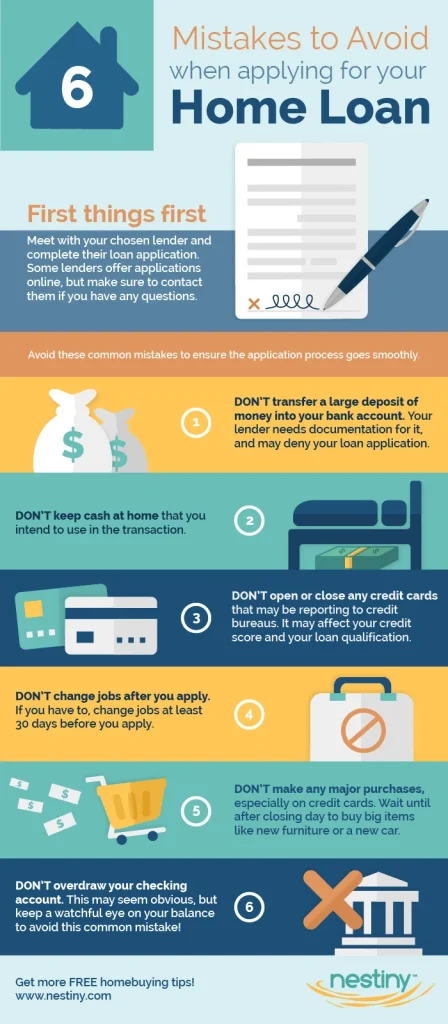
- Borrowing More Than You Need: It’s tempting to maximize your line of credit, but over‑borrowing can strain your finances and increase risk.
- Ignoring the Total Cost of Borrowing: Focus not only on the interest rate but also on origination fees, appraisal costs, and any prepayment penalties.
- Skipping the Fine Print: Some HELOCs have variable rates that can jump significantly after an introductory period.
- Neglecting to Shop Around: Different lenders have varying underwriting standards; a small rate difference can add up over time.
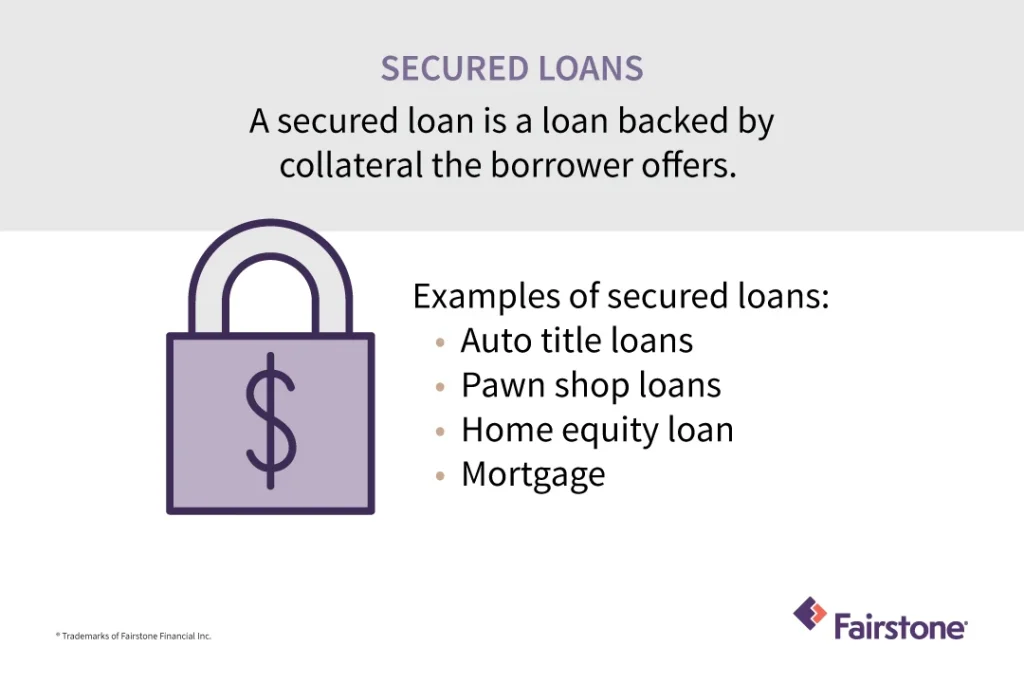
- Using Home Equity for Non‑Essential Expenses: Remember, you’re using your house as collateral. A default could lead to foreclosure.
What Happens After You Secure the Loan?
Once the loan is closed, treat the new monthly payment like any other essential expense. Set up automatic payments to avoid missed due dates, which can negatively affect both your credit score and your relationship with the lender. If you chose a HELOC, keep track of your draw balance and interest rate changes. Many borrowers find it helpful to allocate a portion of the cash flow from a home equity loan toward paying down higher‑interest debt, effectively creating a “debt snowball” that accelerates overall financial health.
Finally, keep an eye on your home’s market value. If property values rise, you may have additional equity to tap in the future, potentially at better rates. Conversely, if values dip, be prepared to adjust your budget accordingly.
Applying for a home equity loan can be a powerful way to unlock the hidden value of your home, but it works best when you approach it with a clear plan, solid documentation, and a realistic repayment strategy. By following the steps outlined above, you’ll be well‑positioned to secure favorable terms and put your home’s equity to work for the goals that matter most to you.