Getrawbox Getrawbox
Related Articles

Table of Contents
- how to get out of mca loans: Assess the Full Picture
- how to get out of mca loans: Identify Viable Exit Strategies
- Negotiating Directly with Your MCA Provider
- Refinancing: Swapping the MCA for a Better Deal
- Consolidation and Debt Management Programs
- Strategic Cash Flow Management to Accelerate Payoff
- Legal Considerations and When to Seek Professional Advice
- Alternative Financing Options to Prevent Future MCA Traps
Merchant cash advances (MCAs) can feel like a quick lifeline when cash flow is tight, but they often come with steep repayment terms that can trap borrowers for years. If you find yourself tangled in a cycle of high‑interest payments and dwindling profits, you’re not alone. Many small‑business owners discover that the very financing meant to help them grow ends up stifling their operations.
Understanding how to get out of MCA loans starts with a clear picture of your current debt structure, the specific terms of your advance, and the realistic alternatives available in today’s lending landscape. This guide walks you through the essential steps, from assessing your situation to negotiating with lenders and exploring smarter financing options. By the end, you’ll have a roadmap that can turn a stressful debt load into a manageable, even solvable, financial situation.
Before we dive into the nitty‑gritty, remember that every business is unique. The strategies below are designed to be flexible, allowing you to adapt them to your cash flow, credit profile, and long‑term goals. If you need a deeper dive into alternative financing, check out our article on small business line of credit loans for a comprehensive overview.
how to get out of mca loans: Assess the Full Picture
The first move in the journey of how to get out of MCA loans is a thorough audit of your obligations. MCAs are notorious for opaque fee structures, daily or weekly repayment percentages, and hidden penalties. Pull together every document—contracts, bank statements, and payment histories—to answer these key questions:
- What is the total amount owed, including all fees and interest?
- How frequently are payments deducted (daily, weekly, or monthly)?
- Are there any prepayment penalties or “early exit” fees?
- What is the effective annual percentage rate (APR) compared to traditional loans?
Having these numbers in front of you not only clarifies the urgency but also arms you with concrete data when you start negotiations. If the math looks overwhelming, consider using a simple spreadsheet or a free budgeting tool to visualize cash flow and see exactly how much of your revenue is being siphoned off for MCA repayments.
how to get out of mca loans: Identify Viable Exit Strategies
Once you’ve mapped out the debt, it’s time to explore exit routes. Below are the most common—and often most effective—methods for breaking free from an MCA.
- Negotiation with the Lender – Many lenders prefer to recover their money rather than push a borrower into default. Reach out early, present a realistic repayment plan, and ask for reduced daily percentages, a longer term, or a lump‑sum settlement discount.
- Refinancing with a Traditional Loan – If your credit has improved, you might qualify for a small‑business loan with a lower APR. This can replace the high‑cost MCA with a more manageable payment schedule.
- Consolidation – Combining multiple MCAs or other high‑interest debts into a single loan can simplify payments and often lower the overall interest burden.
- Sell Non‑Essential Assets – Liquidating equipment, inventory, or even a portion of your business can generate the cash needed for a payoff.
- Seek Professional Help – Credit counselors or financial advisors experienced with MCAs can negotiate on your behalf and suggest tailored solutions.
Negotiating Directly with Your MCA Provider
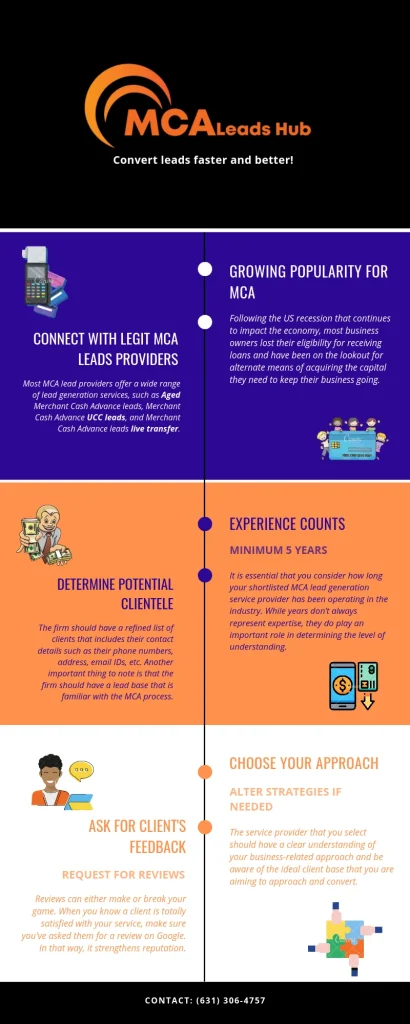
Negotiation is the cornerstone of how to get out of MCA loans without resorting to drastic measures. Approach the conversation prepared, calm, and with a clear proposal. Here’s a step‑by‑step playbook:
- Gather Evidence – Compile cash flow statements, profit and loss reports, and any evidence of financial hardship (e.g., a sudden market downturn).
- Propose a Modified Payment Structure – Suggest reducing the daily holdback percentage or extending the repayment term. Explain how this adjustment will increase the likelihood of full repayment.
- Ask for a Settlement Discount – If you can muster a lump‑sum payment (even if it’s less than the total owed), ask the lender to accept it at a discount. Lenders often prefer a guaranteed payoff over an uncertain future.
- Get Everything in Writing – Verbal agreements are risky. Ensure any new terms are documented and signed by both parties.
Remember, the goal is to find a win‑win scenario. By showing the lender that a revised plan improves repayment odds, you increase your chances of a favorable outcome.
Refinancing: Swapping the MCA for a Better Deal
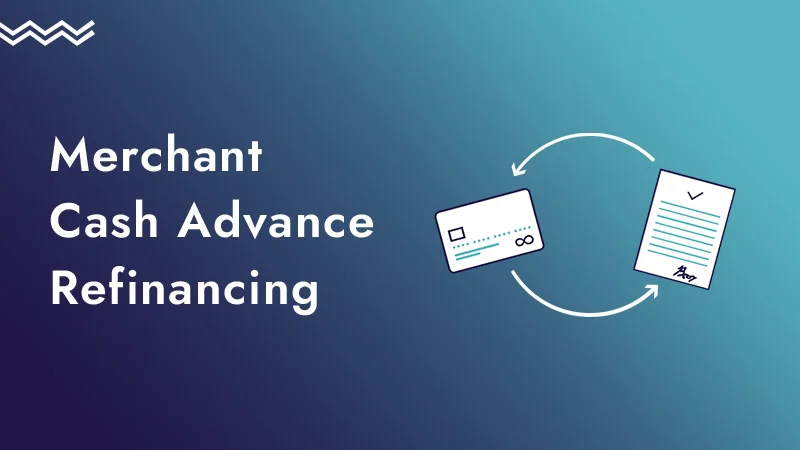
Refinancing is a powerful tool in the arsenal of how to get out of MCA loans. By securing a conventional loan—whether a term loan, line of credit, or SBA loan—you can replace the high‑cost cash advance with a lower‑interest product. Here’s what to consider:
- Credit Score Impact – A higher personal or business credit score can unlock better rates. If your score has improved since taking the MCA, you’re in a stronger position.
- Loan Amount and Terms – Ensure the new loan covers the full MCA balance plus any fees, and that the repayment schedule aligns with your cash flow.
- Collateral Requirements – Traditional lenders may require assets as security, which can be a trade‑off for lower rates.
- Application Process – Gather tax returns, bank statements, and a solid business plan to streamline approval.
For a deeper look at alternative financing options, our guide on Does Sofi Refinance Private Student Loans – Complete Guide illustrates how refinancing can reduce costs and simplify payments, a concept that translates well to MCA scenarios.
Consolidation and Debt Management Programs
If you’re juggling multiple MCAs or other high‑interest obligations, consolidation can be a game‑changer. By bundling debts into a single loan with a predictable monthly payment, you eliminate the daily or weekly “holdback” that MCAs impose. This not only reduces administrative hassle but can also lower the effective interest rate.
When evaluating consolidation, keep these pointers in mind:
- Interest Rate Comparison – Ensure the new loan’s APR is lower than the combined cost of your MCAs.
- Term Length – Longer terms lower monthly payments but increase total interest paid; find a balanced sweet spot.
- Fees and Prepayment Penalties – Some consolidation loans carry origination fees; factor these into your cost analysis.
Debt management programs offered by credit counseling agencies can also negotiate lower rates on your behalf. While they don’t eliminate debt, they can create a structured repayment plan that aligns with your business’s cash flow.
Strategic Cash Flow Management to Accelerate Payoff
Even after you’ve secured a better repayment structure, disciplined cash flow management remains vital to how to get out of MCA loans. Implement these tactics to free up extra cash for debt reduction:
- Trim Non‑Essentials – Review subscriptions, software licenses, and discretionary spending. Cancel or downgrade where possible.
- Boost Revenue Streams – Introduce new products, upsell existing customers, or explore seasonal promotions to increase top‑line sales.
- Negotiate Vendor Terms – Extend payment terms with suppliers to keep cash longer.
- Implement a Cash Reserve – Set aside a small buffer each month to avoid falling back on high‑cost financing.
Consistently applying surplus cash toward the principal accelerates payoff and reduces the total interest you’ll pay over the life of the loan.
Legal Considerations and When to Seek Professional Advice
MCAs often sit in a gray area between traditional loans and factoring agreements, making the legal landscape complex. If you suspect any of the following, it’s time to consult an attorney or a specialized financial advisor:
- Unclear or missing disclosure of total repayment amount.
- Excessive daily holdbacks that threaten business viability.
- Potential violations of state usury laws.
- Disputed fees or charges not outlined in the original contract.
A professional can help you interpret the contract, identify unlawful provisions, and possibly negotiate a settlement that saves you money and legal headaches.
Alternative Financing Options to Prevent Future MCA Traps
To avoid falling back into the MCA cycle, explore financing alternatives that offer transparency and lower costs. Some popular choices include:
- Business Lines of Credit – Provide flexible access to funds with interest only on the amount drawn.
- SBA 7(a) Loans – Government‑backed loans with competitive rates and longer terms.
- Invoice Factoring – Sell outstanding invoices to a factor for immediate cash without the high holdback percentages of MCAs.
- Equipment Financing – Secure a loan specifically for purchasing equipment, using the asset as collateral.
Each option comes with its own eligibility criteria, but they all share the common benefit of clearer terms and more manageable repayment structures.
In summary, learning how to get out of MCA loans is less about a single magic solution and more about a systematic approach: assess the debt, negotiate, refinance or consolidate, manage cash flow, and consider legal counsel when needed. By taking these steps, you can reclaim control over your business’s finances and set the stage for sustainable growth.
Remember, the journey out of an MCA isn’t instantaneous, but with persistence and a strategic plan, you can transition from a high‑cost, high‑stress financing model to a healthier, more predictable capital structure. Good luck, and may your next financing decision be informed, affordable, and aligned with your long‑term vision.