Table of Contents
- this loan is not in active repayment: What the Status Really Means
- Why “this loan is not in active repayment” Can Appear on Different Loan Types
- How to Verify the Real Reason Behind the Status
- What to Do If the Pause Was Unexpected
- Strategic Moves While Your Loan Is Not in Active Repayment
- Stay Informed About Interest Accrual
- Build an Emergency Fund
- Consider Early Payments (If Feasible)
- Plan for the Resumption Date
- Common Misconceptions About “this loan is not in active repayment”
- Linking to Related Financial Topics
- When to Seek Professional Advice
- Key Takeaways About “this loan is not in active repayment”
Ever glanced at your loan portal and saw the puzzling status “this loan is not in active repayment”? It can feel like a red flag, especially when you’re trying to keep tabs on your finances. The phrase doesn’t mean the loan has vanished or that you’re off the hook; rather, it signals a specific stage in the loan lifecycle that most borrowers aren’t familiar with.
In this article we’ll demystify that status, explore why lenders use it, and walk you through the practical steps you should take. Whether you’re juggling a personal loan, a student loan, or a small‑business line of credit, understanding the nuances can save you from unnecessary stress and help you stay on top of your repayment plan.
We’ll also sprinkle in a few actionable tips and point you toward related resources—like how to manage a line of credit or get out of a merchant cash advance (MCA) loan—so you’ll have a clear roadmap no matter what type of debt you’re handling.
this loan is not in active repayment: What the Status Really Means
The phrase “this loan is not in active repayment” typically appears in online loan dashboards, statements, or borrower portals. It indicates that the loan account exists, but payments are not currently being collected for one of several reasons:
- Grace period: Many loans—especially student loans or certain personal loans—grant a grace period after disbursement during which no payments are required.
- Deferment or forbearance: Borrowers may have officially requested a temporary suspension of payments due to financial hardship, enrollment in school, or military service.
- Loan restructuring: The lender might be renegotiating terms, adjusting interest rates, or converting the loan to a different repayment schedule.
- Technical hold: Occasionally, a system update or documentation review puts the loan on hold while the lender verifies information.
In each of these scenarios, the loan isn’t “inactive” in the sense of being canceled; it’s simply not collecting payments at the moment. Recognizing this can prevent the common mistake of assuming you’re free from obligations and then being surprised by a lump‑sum demand later on.
Why “this loan is not in active repayment” Can Appear on Different Loan Types
Even though the wording is uniform, the underlying reasons differ across loan categories:
- Student loans: Federal loans often enter a six‑month grace period after graduation, during which the status changes to “not in active repayment.” Private lenders may apply the same label during forbearance.
- Mortgage or home equity loans: A construction loan may pause repayment until the property is completed, showing the same status.
- Small‑business loans: If you’ve drawn from a line of credit but haven’t yet taken a draw that triggers repayment, the account can display this phrase. For a deeper dive on credit lines, check out our Small Business Loan Line of Credit: A Practical Deep‑Dive.
Understanding the context helps you determine whether the status is temporary or a sign that you need to take action.
How to Verify the Real Reason Behind the Status
When you see “this loan is not in active repayment,” the first step is to confirm why the loan is paused. Here’s a quick checklist you can follow:
- Log into your account: Look for any alerts, messages, or notifications that explain the status.
- Check recent communications: Emails or letters from the lender often outline deferment approvals or restructuring offers.
- Contact customer service: A quick call can clarify whether the pause is due to a grace period, forbearance request, or an administrative hold.
- Review your loan agreement: The original contract typically defines grace periods, deferment options, and conditions that trigger a non‑repayment status.
By confirming the cause, you avoid misinterpreting the status and can plan accordingly. For example, if you’re in a forbearance program, you’ll want to know when payments resume and whether interest continues to accrue.
What to Do If the Pause Was Unexpected
Sometimes the “not in active repayment” label shows up without any prior request from you. In such cases, consider these actions:
- Ask for a detailed statement: Request a breakdown of interest accrual and any pending balances.
- Confirm your contact information: Miscommunications often happen when lenders can’t reach borrowers for required documentation.
- Review your credit report: An unexpected pause may affect your credit utilization ratio. Use a free credit‑monitoring service to spot any discrepancies.
If you suspect an error, it’s better to resolve it early rather than waiting for the loan to re‑enter active repayment, which could trigger higher monthly payments.
Strategic Moves While Your Loan Is Not in Active Repayment
Even though payments are paused, the loan is still a financial obligation. Here are smart strategies to keep your financial health in check:
Stay Informed About Interest Accrual
Many loans continue to accrue interest during the pause. For instance, federal student loans in forbearance accrue interest that capitalizes once repayment resumes, potentially increasing the total amount owed. If you have a mortgage or a high‑interest personal loan, calculate the accrued interest each month so you’re not caught off guard.
Build an Emergency Fund
Since the loan isn’t demanding cash flow now, redirect some of the money you’d otherwise spend on payments into an emergency savings account. A solid cushion can help you handle the eventual restart of repayments without scrambling.
Consider Early Payments (If Feasible)
If your budget allows, making voluntary payments while the loan is “not in active repayment” can reduce the principal and limit future interest. Just confirm with the lender that extra payments are accepted without penalties.
Plan for the Resumption Date
Mark the date when the loan will re‑enter active repayment on your calendar. Set up reminders a month in advance, and start budgeting for the upcoming payment amount. This proactive approach reduces the shock factor when the loan status changes.
Common Misconceptions About “this loan is not in active repayment”
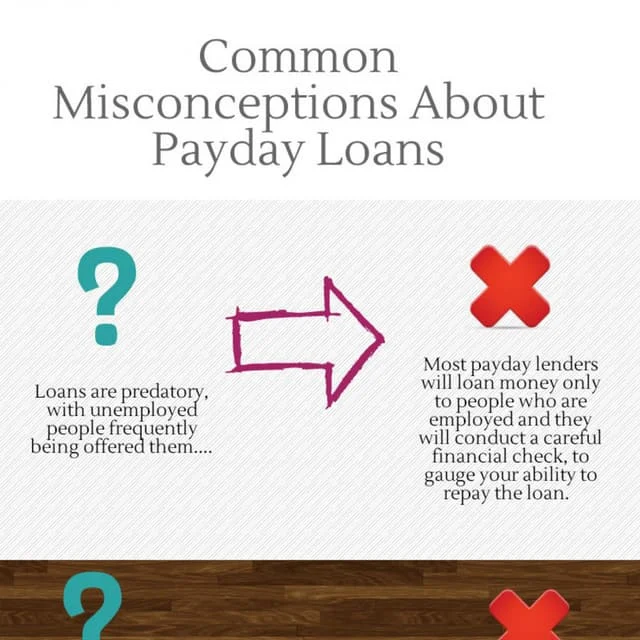
Because the phrase is not everyday language, borrowers often develop myths. Let’s bust a few:
- Myth 1: I don’t owe anything while the status is active. Reality: The principal and any accrued interest still exist; they’re simply not being collected at the moment.
- Myth 2: The loan is forgiven. Reality: Forgiveness is a separate process, usually requiring specific eligibility criteria.
- Myth 3: My credit score won’t be affected. Reality: A pause in repayment does not automatically improve or damage your score, but missed or late payments after the pause can.
Understanding the truth helps you make better decisions and prevents costly mistakes.
Linking to Related Financial Topics
If you’re navigating other loan challenges, you might find these guides useful:
- How to Get Out of MCA Loans – Proven Strategies
- Small Business Line of Credit Loans – A Complete Guide for Growing Entrepreneurs
- Does Sofi Refinance Private Student Loans – Complete Guide
These resources can deepen your understanding of loan structures, repayment options, and alternative financing solutions.
When to Seek Professional Advice
While many borrowers can manage the “not in active repayment” status on their own, certain situations warrant professional help:
- Complex restructuring: If the lender proposes a major change—like converting a variable‑rate loan to a fixed rate—you may want a financial advisor’s input.
- Tax implications: Some interest accruals are tax‑deductible; a tax professional can maximize your benefits.
- Multiple loans in pause: Juggling several loans that are simultaneously “not in active repayment” can become overwhelming; a credit counselor can streamline your plan.
Getting expert guidance early can prevent future headaches and ensure you stay on a path that aligns with your long‑term financial goals.
Key Takeaways About “this loan is not in active repayment”
Summarizing the essential points:
- The status means payments are temporarily paused, not that the debt is erased.
- Typical triggers include grace periods, deferment, forbearance, loan restructuring, or technical holds.
- Always verify the specific reason with your lender to avoid surprises.
- Stay proactive: monitor interest accrual, build an emergency fund, and plan for when repayment resumes.
- Consider professional advice if the situation is complex or involves multiple debts.
By keeping these principles in mind, you’ll navigate the pause confidently and emerge ready to tackle the next phase of repayment without unnecessary stress.
Ultimately, “this loan is not in active repayment” is a signal—not a verdict. Treat it as a cue to double‑check your loan terms, adjust your budgeting strategy, and stay informed about any upcoming changes. With a clear plan and the right resources at your fingertips, you can turn what feels like a limbo period into an opportunity to strengthen your overall financial footing.