Getrawbox Getrawbox
Related Articles

Table of Contents
- what is grace period for student loans: definition and basic rules
- what is grace period for student loans: how it differs by loan type
- Why the grace period matters for your financial health
- What to do during the grace period
- Common pitfalls and how to avoid them
- Missing the end of the grace period
- Assuming all loans have the same grace period
- Ignoring interest capitalization
- Strategic uses of the grace period
- Grace period and tax implications
- What happens after the grace period ends?
- Grace period extensions
- Key takeaways for borrowers
Graduating from college is a huge milestone, but for many, it also means the first real taste of debt. If you’ve just walked across that commencement stage, the term “grace period” probably popped up in a financial aid letter or a quick chat with a loan servicer. Understanding what is grace period for student loans can make the difference between a smooth start to repayment and an unexpected surprise on your credit report.
In this guide we’ll break down the concept from every angle: how long the grace period typically lasts, which loans qualify, what happens if you miss the window, and practical tips to use that time wisely. By the end, you’ll know exactly how to treat that grace period as a strategic buffer rather than a vague “free time.”
Let’s dive in and demystify the timeline that follows the end of your studies, so you can plan your budget, avoid unnecessary interest, and keep your financial future on track.
what is grace period for student loans: definition and basic rules
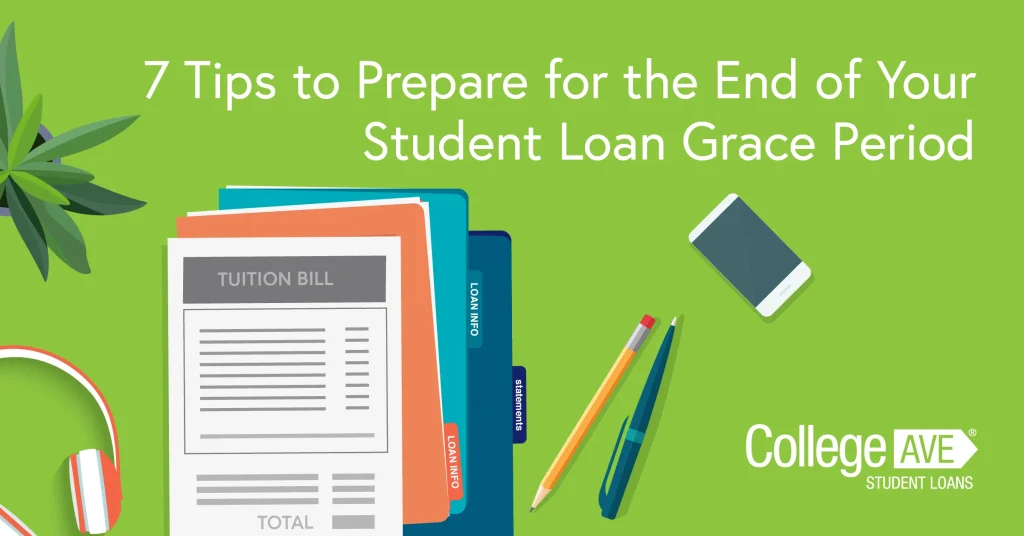
The phrase “what is grace period for student loans” refers to a specific interval after you graduate, leave school, or drop below half‑time enrollment during which you are not required to make any principal or interest payments on your federal student loans. During this pause, most loans simply sit idle, and you are not penalized for not paying.
Key points to remember:
- Duration: For most Direct Subsidized and Unsubsidized loans, the grace period is six months. Some Perkins Loans offer a nine‑month grace period, while private lenders set their own terms.
- Interest accrual: On subsidized loans, the government pays the interest during the grace period, meaning your balance stays the same. On unsubsidized and private loans, interest continues to accrue, and if you don’t pay it off, it may capitalize (add to the principal) once repayment begins.
- Eligibility: You must be enrolled at least half‑time and then either graduate, drop below half‑time, or leave school permanently. If you switch to a different school, the grace period may reset.
what is grace period for student loans: how it differs by loan type
Not all student loans treat the grace period the same way. Here’s a quick rundown:
- Direct Subsidized Loans: Six‑month grace period; the government pays all accrued interest during this time.
- Direct Unsubsidized Loans: Six‑month grace period; interest accrues and can be paid voluntarily to avoid capitalization.
- Perkins Loans: Typically a nine‑month grace period; interest may or may not accrue depending on the school’s policy.
- Private Loans: Grace periods vary widely—some offer none, while others give up to 12 months. Always read the fine print.
Why the grace period matters for your financial health

If you’ve ever wondered what is grace period for student loans in practical terms, think of it as a built‑in cushion. It gives you a breather to:
- Find a job and establish a steady cash flow.
- Set up an emergency fund before the first payment hits.
- Consider repayment plans that best suit your income, such as income‑driven repayment (IDR) options.
Skipping this window without a plan can lead to interest capitalization, which means you’ll owe more over the life of the loan. For unsubsidized loans, that extra interest can add up quickly, especially if you wait months before making your first payment.
What to do during the grace period
Even though you’re not forced to pay, proactive steps can save you money:
- Pay the accruing interest: For unsubsidized loans, making even small interest‑only payments keeps the balance from growing.
- Set up automatic payments: Many servicers offer a discount on your interest rate (usually 0.25%) if you enroll in autopay.
- Explore repayment options early: Use the student loan interest deduction income limit calculator to see if you qualify for tax benefits while you plan your repayment strategy.
Common pitfalls and how to avoid them

Understanding what is grace period for student loans also means recognizing where borrowers commonly trip up.
Missing the end of the grace period
If you forget that the grace period is ending, your first payment may arrive unexpectedly, and you could miss it. Most servicers send reminders, but it’s wise to set your own calendar alerts. Missing a payment can trigger late fees and may affect your credit score.
Assuming all loans have the same grace period
Private lenders often have shorter or no grace periods. Before you sign any loan agreement, double‑check the terms. If you already have a private loan, contact the lender to confirm the exact start date of repayment.
Ignoring interest capitalization
When the grace period ends, any unpaid interest on unsubsidized or private loans typically capitalizes. This means the interest becomes part of the principal, and you’ll be charged interest on a larger amount moving forward. To prevent this, consider paying the accrued interest before the grace period expires.
Strategic uses of the grace period
While the primary purpose of the grace period is to give borrowers time to get their finances in order, savvy borrowers turn this time into a strategic planning phase.
- Refinancing considerations: If you anticipate a higher income soon, you might explore refinancing options early. Check out our guide on what does refinancing a student loan mean? to understand when it makes sense.
- Loan forgiveness eligibility: Certain public service loan forgiveness (PSLF) programs require you to be on a qualifying repayment plan. Use the grace period to enroll in an IDR plan that aligns with future forgiveness goals.
- Budget building: Draft a realistic monthly budget that includes your projected loan payment. This helps you avoid surprises when the grace period ends.
Grace period and tax implications
The interest you pay (or choose not to pay) during the grace period can affect your tax return. If you pay interest on unsubsidized loans, you may be eligible to deduct up to $2,500 of that interest, subject to income limits. For more details, see the article on income limit for student loan interest deduction explained.
What happens after the grace period ends?
Once the grace period is over, repayment officially begins. You’ll receive a repayment schedule that outlines the monthly payment amount, due date, and the total number of payments (usually 10 years for standard plans). If you haven’t yet chosen a repayment plan, now is the time to do so.
Typical next steps include:
- Setting up your payment method (bank auto‑debit, online portal, etc.).
- Confirming your repayment plan—standard, graduated, extended, or IDR.
- Reviewing any loan consolidation or refinancing options.
- Monitoring your loan balance regularly to track progress.
Grace period extensions
In rare cases, you can request an extension. This is most common for borrowers who are still in school, enrolled in a graduate program, or experiencing a temporary hardship. Extensions are not automatic; you must apply through your loan servicer and provide documentation.
Key takeaways for borrowers
Understanding what is grace period for student loans equips you with a powerful tool: time. Use it wisely, and you’ll minimize interest costs, stay on top of payments, and set a solid foundation for long‑term financial health.
Remember:
- Most federal loans give you a six‑month grace period; private loans vary.
- Interest on subsidized loans is covered; on unsubsidized loans it isn’t.
- Paying interest during the grace period prevents capitalization.
- Set reminders for the end of the grace period to avoid missed payments.
- Leverage the time to explore repayment plans, refinancing, and tax deductions.
With a clear picture of the grace period and a proactive plan, you’ll transition from student life to loan repayment with confidence. Keep an eye on your loan statements, stay informed about any policy changes, and don’t hesitate to reach out to your servicer if you have questions. Your future self will thank you.