Getrawbox Getrawbox
Related Articles



Choosing where to spend the golden years is a decision that blends emotion, practicality, and a dash of adventure. After a lifetime of work, family, and personal growth, many retirees look for a community that offers both comfort and a sense of belonging. The process can feel overwhelming—there are countless options, each with its own set of amenities, cost structures, and care levels.
In this guide we’ll walk you through the most important factors to consider, share tips on evaluating sites, and point out red flags to watch for. Whether you’re still actively working and planning ahead or you’ve just retired and need to act fast, understanding how to choose a retirement community will help you feel confident about the choice you make.
We’ll also sprinkle in a few related resources that can help you protect your finances while you transition into senior living, such as the intricacies of retirement accounts and borrowing options. Let’s dive in.
How to Choose a Retirement Community: Core Factors to Evaluate
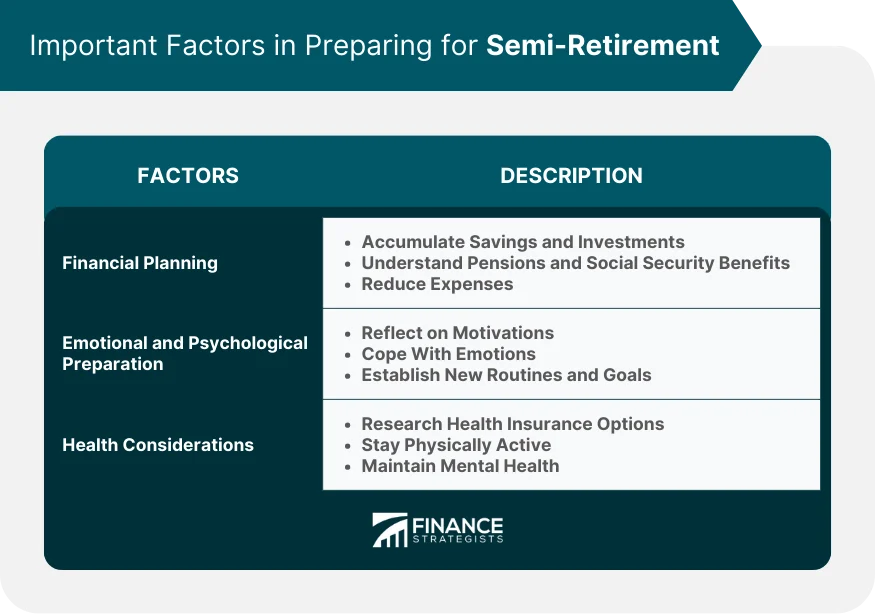
There’s no one‑size‑fits‑all answer, but certain categories consistently shape the decision‑making process. Below, each factor is broken down so you can rank them according to your personal priorities.
- Location and Accessibility – Proximity to family, medical facilities, shopping, and cultural venues.
- Level of Care – Independent living, assisted living, memory care, or skilled nursing.
- Cost Structure – Entrance fees, monthly rents, and what’s covered in each tier.
- Community Culture – Social activities, resident demographics, and overall vibe.
- Safety and Security – Emergency response systems, staff training, and building codes.
- Future Flexibility – Ability to transition between care levels without moving.
How to Choose a Retirement Community – Assessing Your Lifestyle Needs
Before you step onto a property, take a moment to picture your daily routine. Do you love gardening, or would you rather spend evenings at a community theater? Do you need on‑site medical staff, or is a nearby hospital sufficient? Write down your “must‑haves” and “nice‑to‑haves.” This simple exercise clarifies which communities genuinely match your lifestyle.
When you visit a site, ask to see a sample schedule of activities. A robust program signals that the staff invests in resident engagement—a key component of mental health. Also, ask about resident turnover; high turnover can indicate underlying issues with care or satisfaction.
Financial Considerations When How to Choose a Retirement Community
Money talks, especially when it comes to senior housing. Understanding the fee structure prevents unpleasant surprises later on. Most communities charge an entrance fee (sometimes called an “in‑home” or “initial” fee) plus a monthly service charge. Some operate on a “rent‑only” model with no upfront cost.
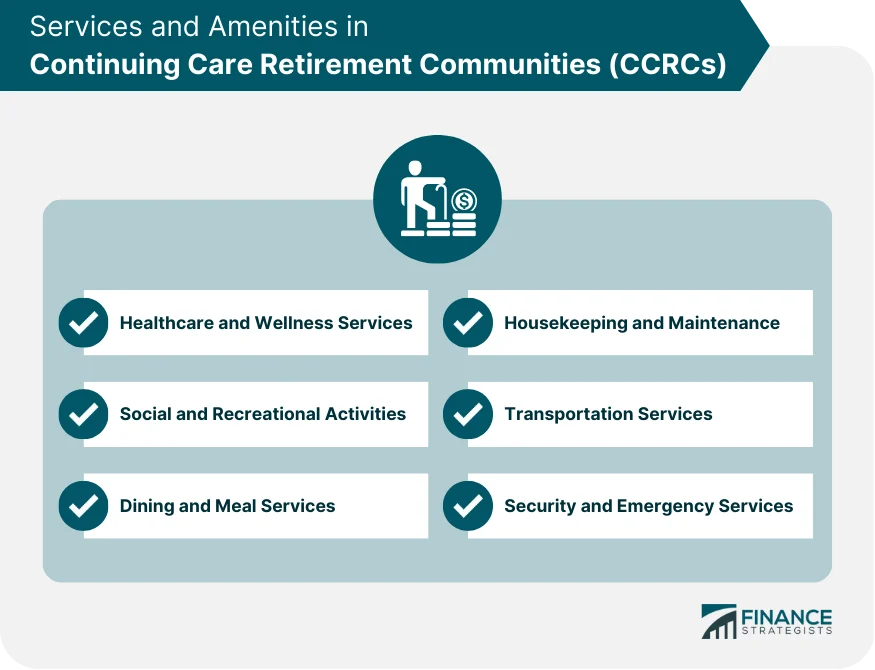
Take a close look at what the monthly fee covers. Does it include meals, housekeeping, transportation, and health services? If not, ask for a detailed breakdown. It’s also wise to ask about price escalation—many facilities increase rates annually by a set percentage.
If you’re wondering whether your retirement savings are safe, you might read Are Retirement Accounts Protected in Bankruptcy? What You Need to Know. Knowing the protections around your assets can shape how much you’re comfortable allocating to a community’s entrance fee.
How to Choose a Retirement Community: Evaluating Health Care Options
Health status can change rapidly, so look for a community that offers a clear pathway to higher levels of care. Many senior living operators have a continuum of services—independent living, assisted living, and memory care—all on the same campus. This arrangement means you won’t have to uproot yourself if you need more assistance later.
Ask about staff qualifications. Certified nursing assistants (CNAs), registered nurses (RNs), and licensed practical nurses (LPNs) should be present around the clock in assisted living settings. For memory care, look for specialized training in Alzheimer’s and dementia care.
Social Environment and Community Culture

A thriving social scene can dramatically affect quality of life. Residents who feel isolated often experience faster cognitive decline. When you tour a community, observe the common areas: Are they welcoming? Is there a sense of activity, with residents chatting, playing games, or participating in group classes?
Consider the resident age range. Some communities attract younger retirees (in their early 60s) while others have a higher average age. The mix can influence the pace of activities and the overall energy of the environment.
Don’t forget to inquire about pet policies. If you have a furry companion, a pet‑friendly community can be a make‑or‑break factor.
How to Choose a Retirement Community: Checking the Legal and Contractual Details
Contracts can be dense, but they’re the foundation of your agreement. Pay attention to:
- Refund Policies – What happens to the entrance fee if you move out early?
- Exit Clauses – Under what conditions can either party terminate the agreement?
- Insurance Requirements – Does the community require you to carry certain policies?
- Resident Rights – Grievance procedures and privacy protections.
If you have a federal retirement plan, you may wonder whether you can tap into it for housing costs. The article Can I Borrow From My FERS Retirement? A Complete Guide explains borrowing options that could supplement your budget.
Location, Transportation, and Nearby Amenities

Even if you plan to spend most of your time within the community, being close to familiar places matters. Proximity to airports, family homes, and favorite restaurants can reduce travel stress. Look for communities that provide shuttle services to grocery stores, medical appointments, and cultural events.
Check the surrounding neighborhood for walkability and safety. If you enjoy light exercise, a community near parks or walking trails can be a bonus.
How to Choose a Retirement Community: The Role of Technology
Modern senior living often incorporates technology to enhance safety and connectivity. Features to look for include:
- Emergency call systems in each unit.
- High‑speed internet and Wi‑Fi throughout common areas.
- Telehealth services that connect residents with doctors remotely.
- Smart home devices—like voice‑activated lighting or thermostats—that simplify daily living.
Technology can also help you stay linked to family members. Many communities offer video‑calling stations or tablets for residents who may not own personal devices.
Final Checklist: Putting It All Together
When you’re ready to narrow down choices, use a spreadsheet or a printable checklist. Score each community on categories such as cost, care level, social environment, and location. The community with the highest total score is likely the best fit for you.
Don’t rush the decision. Spend time visiting at different times of day, talk to current residents, and ask staff about turnover rates. Trust your instincts—if something feels off, keep looking.
Remember, the goal isn’t just to find a place to live; it’s to find a community where you can thrive, stay active, and enjoy the next chapter of life with peace of mind.
Ready to explore more about safeguarding your retirement savings while you transition? Check out the TIAA CREF After Tax Retirement Annuity: A Complete Guide for investment options that complement senior living expenses.
[ CATEGORY ]: Home & Furniture