Getrawbox Getrawbox
Related Articles



Retirement is often imagined as the golden years when you finally get to kick back and enjoy the fruits of decades of hard work. But what happens when mounting debt shadows that vision? For many, the pressure of credit‑card balances, student loans, or a lingering mortgage can feel like an uninvited guest at the party of retirement. The idea of using retirement to pay off debt might sound counterintuitive at first—after all, you’ve been told to keep those retirement accounts untouched until you’re ready to stop working. Yet, with the right strategy, leveraging retirement savings can become a powerful tool to eliminate high‑interest debt and set the stage for a more secure, stress‑free retirement.
In this article, we’ll dive deep into the concept of using retirement to pay off debt, weighing the benefits against the pitfalls, and outlining concrete steps you can take. Whether you’re approaching retirement, already retired, or simply exploring options to clean up your balance sheet, the insights here will help you make an informed decision that aligns with your long‑term financial goals.
Before we get into the nuts and bolts, let’s address a common misconception: tapping into retirement funds isn’t automatically a bad move. It’s all about the context—interest rates, tax implications, and the type of retirement account you hold. By understanding the mechanics, you can decide if this approach fits your unique situation.
Using Retirement to Pay Off Debt: When It Makes Sense

The phrase using retirement to pay off debt often raises eyebrows, but there are scenarios where it can be a financially savvy decision. Below are key conditions that can tip the scales in favor of this strategy:
- High‑interest debt outweighs investment returns: If your credit‑card debt is accruing interest at 18‑20% while your retirement portfolio is only earning 5‑6% after fees, the math favors paying off the debt.
- Tax‑advantaged withdrawals: Certain retirement accounts, like a Roth IRA, allow tax‑free withdrawals of contributions (not earnings) at any age, providing a low‑cost source of cash.
- Penalty exemptions: Age‑related exceptions (e.g., for first‑time home purchases or qualified education expenses) can reduce or eliminate early‑withdrawal penalties, making it more attractive.
- Cash‑flow relief: Eliminating monthly debt payments can free up cash for living expenses, especially valuable if you’re on a fixed retirement income.
Using Retirement to Pay Off Debt: Step‑by‑Step Process
Here’s a practical roadmap if you decide to move forward with using retirement to pay off debt:
- Take inventory of all debts: List each balance, interest rate, and monthly payment. Prioritize high‑interest obligations.
- Assess your retirement accounts: Identify which accounts are eligible for withdrawals without severe penalties (e.g., Roth contributions, 401(k) loans).
- Calculate the true cost of withdrawal: Factor in income tax, early‑withdrawal penalties, and any loss of future growth.
- Run a side‑by‑side comparison: Compare the after‑tax cost of using retirement funds versus continuing to pay interest on the debt.
- Execute the withdrawal or loan: Follow the proper procedures for your specific account, ensuring you document the transaction for tax purposes.
- Pay off the debt in full: Use the cash to eliminate the targeted balances, then re‑allocate any freed‑up monthly cash flow toward rebuilding savings.
- Rebalance your retirement portfolio: After the withdrawal, consider adjusting asset allocation to stay on track for long‑term growth.
Potential Pitfalls and How to Avoid Them

While the allure of a debt‑free balance sheet is strong, using retirement to pay off debt carries risks that shouldn’t be ignored. Below are common pitfalls and strategies to mitigate them:
- Early‑withdrawal penalties: For most traditional IRAs and 401(k)s, withdrawing before age 59½ triggers a 10% penalty on the amount taken. Consider a 401(k) loan instead, which typically avoids the penalty but must be repaid with interest.
- Tax consequences: Withdrawals are treated as ordinary income. A large withdrawal could push you into a higher tax bracket, eroding the benefit of debt elimination.
- Lost compounding power: Money withdrawn from a retirement account no longer benefits from years of compound growth, potentially reducing your nest egg substantially.
- Impact on required minimum distributions (RMDs): Reducing your account balance may lower future RMD amounts, which could be beneficial or detrimental depending on your tax situation.
To navigate these challenges, consider speaking with a financial advisor. The article Who Do I Talk to About Retirement? Your Guide to the Right Advisors offers valuable guidance on finding the right professional to help you weigh these factors.
Alternative Strategies Before Tapping Retirement Funds
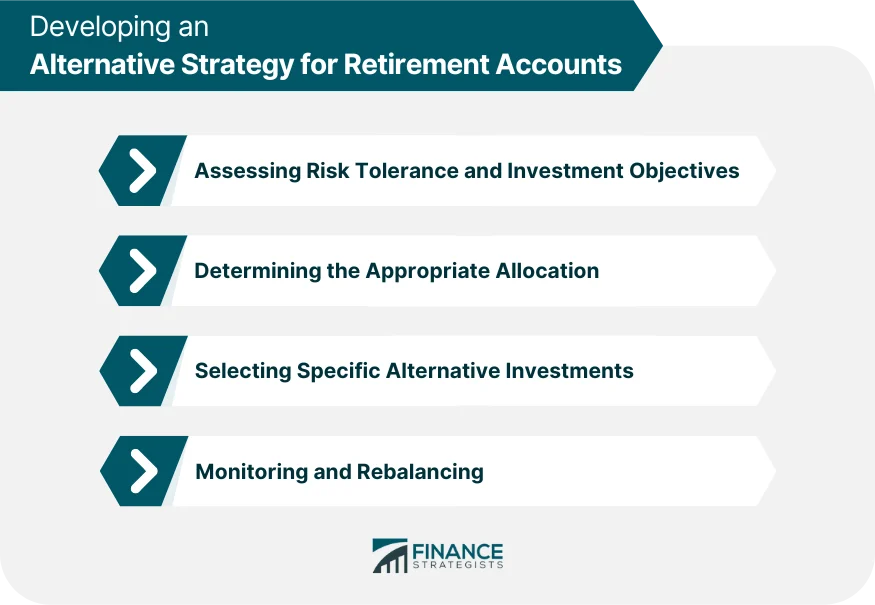
Before you decide that using retirement to pay off debt is the best move, explore these alternative routes that may preserve your retirement savings while still addressing debt:
Debt Snowball vs. Debt Avalanche
These two classic repayment methods focus on structuring payments without touching retirement accounts. The snowball method tackles the smallest balances first, delivering quick wins that boost morale. The avalanche method attacks the highest‑interest debt first, minimizing total interest paid. Both can be effective, especially when combined with a disciplined budgeting plan.
Refinancing or Consolidation
Refinancing a mortgage or consolidating credit‑card debt into a lower‑interest personal loan can reduce monthly payments and overall interest costs. This approach keeps your retirement savings intact while still delivering relief.
Roth IRA Contributions as an Emergency Fund
If you have a Roth IRA, you can withdraw your contributions (not earnings) at any time, tax‑ and penalty‑free. This flexibility makes a Roth a handy “emergency bucket” that can be used for debt repayment without the downside of a traditional IRA withdrawal.
Real‑World Example: How It Plays Out

Meet Sarah, a 58‑year‑old teacher planning to retire at 65. She carries $30,000 in credit‑card debt at a 19% APR and has a 401(k) balance of $250,000. Her annual retirement income projection is $45,000, but the debt’s monthly payment of $900 threatens her budget.
Sarah runs the numbers:
- Interest on credit‑card debt: $30,000 × 19% ≈ $5,700 per year.
- Potential tax on 401(k) withdrawal: Assuming a 22% marginal tax rate, a $30,000 withdrawal would cost $6,600 in taxes plus a $3,000 early‑withdrawal penalty.
- Net cost of withdrawal: $9,600 versus $5,700 annual interest.
In Sarah’s case, the withdrawal is more expensive. However, she discovers that her 401(k) plan allows a $10,000 loan at a 5% interest rate, repayable over five years. The loan cost is $500 per year—far cheaper than credit‑card interest. She decides to take the loan, pay off the credit‑card balances, and use the freed cash flow to rebuild her retirement savings over time.
Sarah’s story underscores why a thorough cost‑benefit analysis is crucial before using retirement to pay off debt. The loan route preserved her retirement capital while eliminating high‑interest debt.
Tax Planning Considerations
Tax implications are often the make‑or‑break factor in this decision. If you’re over 59½, withdrawals from traditional IRAs and 401(k)s avoid the early‑withdrawal penalty, but they’re still subject to ordinary income tax. For those under 59½, a 401(k) loan can be a tax‑efficient alternative.
For a deeper dive into tax strategies related to early retirement, see the guide Tax Planning to and Through Early Retirement: A Complete Guide. It outlines how to structure withdrawals to minimize tax impact, which is especially relevant when considering using retirement to pay off debt.
Impact on Social Security and Medicare
Withdrawals that increase your taxable income could affect the taxation of your Social Security benefits. If your combined income (adjusted gross income + nontaxable interest + half of Social Security) exceeds certain thresholds, a portion of your benefits becomes taxable.
Additionally, higher income can affect Medicare premiums, as the Income‑Related Monthly Adjustment Amount (IRMAA) is based on modified adjusted gross income from two years prior. Before pulling funds, project how the extra income might raise these costs.
Building a Post‑Debt Retirement Plan
Once the debt is cleared—whether through retirement funds, a loan, or another method—focus shifts to rebuilding and protecting your retirement nest egg. Here are key steps:
- Re‑establish an emergency fund: Aim for three to six months of living expenses in a liquid account to avoid future reliance on retirement money.
- Increase contributions: If you’re still working, max out employer matches and consider catch‑up contributions (age 50+).
- Rebalance your portfolio: Adjust asset allocation to align with your risk tolerance and timeline, ensuring growth potential.
- Consider a Roth conversion: Converting part of a traditional IRA to a Roth can lock in current tax rates and provide tax‑free withdrawals later.
- Review estate plans: Update beneficiaries and consider trusts if your financial picture has changed.
For those interested in how retirement funds can be used in other entrepreneurial ways, the article Using Retirement Funds to Buy a Business: A Practical Guide offers insights that may inspire a future income stream, complementing a debt‑free retirement.
Is It Right for You? A Quick Self‑Check
Ask yourself the following questions to gauge whether using retirement to pay off debt aligns with your financial health:
- Do the interest rates on my debts significantly exceed the expected return on my retirement investments?
- Am I older than 59½, or do I qualify for a penalty‑free withdrawal or loan?
- Will the withdrawal push me into a higher tax bracket or increase my Medicare premiums?
- Do I have an emergency fund that would protect me from future financial shocks?
- Have I consulted a qualified financial advisor to model the long‑term impact?
If most answers are “yes,” then it may be time to seriously consider this strategy. If you’re uncertain, a professional can run the numbers and help you choose the path that preserves both your present peace of mind and future financial security.
In the end, the decision to use retirement savings to eliminate debt isn’t a one‑size‑fits‑all answer. It’s a nuanced choice that balances immediate relief against long‑term growth. By thoroughly analyzing costs, exploring alternatives, and seeking expert advice, you can make a decision that brings you closer to a truly relaxed retirement—free from the shackles of high‑interest debt.
[Finance]: Finance