Getrawbox Getrawbox
Related Articles



Thinking about swapping the 9‑to‑5 grind for your own venture? You’re not alone. Many seasoned professionals eye their retirement savings as a potential seed capital source. The idea of using retirement funds to start a business can feel like a shortcut to the entrepreneurial dream, but it also comes wrapped in a maze of rules, tax traps, and strategic decisions.
Before you rush to the bank or start drafting a business plan, it’s worth understanding why retirement accounts are attractive for new owners. Unlike conventional loans, the money you already have saved is yours—no credit checks, no collateral beyond the account itself. Yet, the same tax‑advantaged status that makes those accounts so valuable can turn into a costly mistake if you ignore the IRS’s strict guidelines.
In this article we’ll unpack the legal pathways, weigh the benefits against the risks, and give you a step‑by‑step roadmap for responsibly using retirement funds to start a business. Whether you’re considering a self‑directed IRA, a solo 401(k), or a Roth conversion, you’ll leave with a clearer picture of what’s possible and what to avoid.
using retirement funds to start a business: The Legal Framework

The IRS allows two main routes for entrepreneurs to tap retirement savings without incurring the dreaded 10% early‑withdrawal penalty:
- Rollover as Business Start‑up (ROBS) – A ROBS lets you roll over funds from an existing qualified retirement plan into a new C‑corporation that you own. The corporation then issues stock to the retirement account, effectively using the money as equity.
- Self‑Directed IRA or Solo 401(k) Investment – These special accounts let you direct investments into a wide array of assets, including privately‑held businesses, as long as you follow prohibited‑transaction rules.
Both methods keep the distribution within the tax‑deferred environment, but they differ in complexity, cost, and suitability for different business structures. Understanding the nuances will help you decide which path aligns best with your vision.
Step‑by‑Step: Using Retirement Funds to Start a Business with a ROBS
Here’s a concise checklist for launching a ROBS:
- Assess Eligibility – You must have an existing qualified retirement plan (401(k), 403(b), or similar) with sufficient balance.
- Form a C‑Corporation – The business must be incorporated as a C‑corp; LLCs and S‑corps are not permissible under ROBS rules.
- Set Up a New 401(k) Plan – The corporation establishes a new 401(k) that will receive the rollover.
- Roll Over the Funds – Transfer the eligible amount from your old retirement account into the new 401(k) plan.
- Purchase Stock – The new 401(k) uses the rolled‑over money to buy stock in your corporation, providing the cash needed to fund operations.
- Maintain Ongoing Compliance – You must file annual reports, conduct valuations, and avoid prohibited transactions.
If the paperwork feels daunting, consider partnering with a firm that specializes in ROBS administration. Their expertise can keep you on the right side of the IRS while you focus on building your product or service.
Pros and Cons of Using Retirement Funds to Start a Business
Every financing choice carries trade‑offs. Below is a balanced look at the upside and downside of tapping your nest egg for entrepreneurial purposes.
Advantages
- Immediate Access to Capital – No need to qualify for a bank loan or attract outside investors.
- Preserves Personal Credit – Your credit score stays untouched because the funds come from your own account.
- Potential for Higher Returns – If your business thrives, the return on your investment could far outpace traditional market gains.
- Tax‑Deferred Growth – As long as you keep the money inside the qualified plan, earnings continue to grow tax‑free.
Risks
- Loss of Retirement Savings – A failed venture could wipe out years of saved income, jeopardizing your retirement security.
- Complex Compliance – Mistakes in ROBS or self‑directed IRA transactions can trigger penalties, taxes, and even disqualification of the account.
- Limited Liquidity – Funds locked in a business are not easily accessible for emergencies or other needs.
- Higher Administrative Costs – ROBS setups often involve setup fees, annual filing charges, and ongoing custodial fees.
Weighing these factors against your risk tolerance and long‑term goals is crucial. A prudent move is to allocate only a portion of your retirement balance, preserving a safety cushion for later years.
Practical Tips for Safely Leveraging Retirement Money
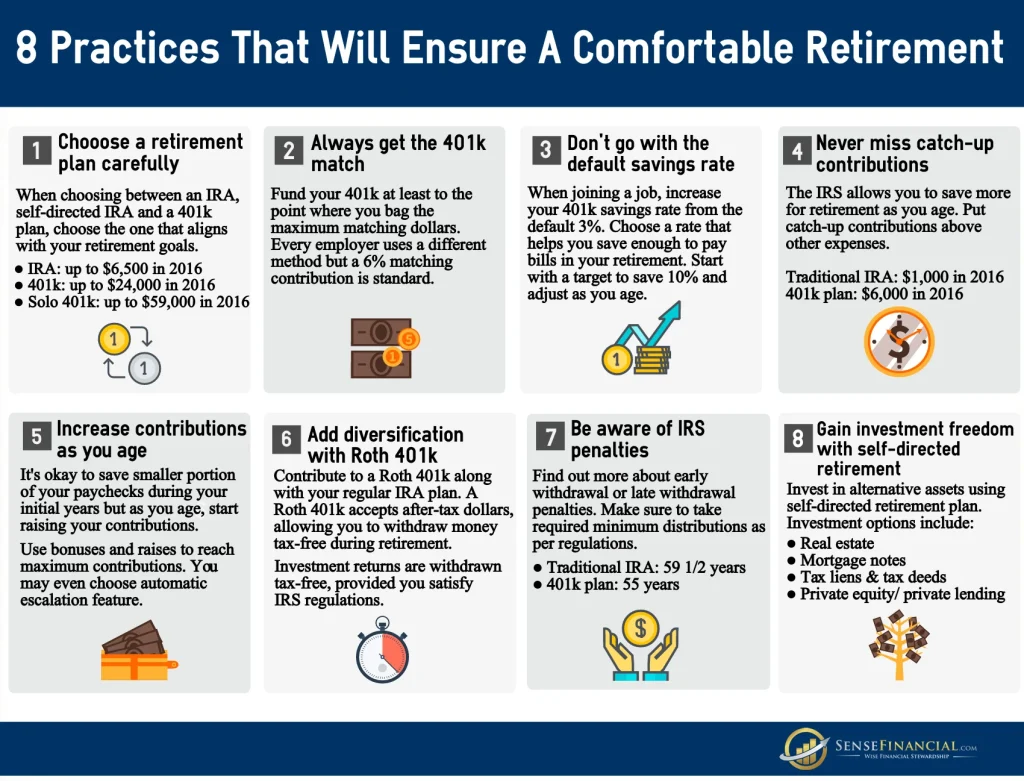
Below are actionable strategies to increase the odds that using retirement funds to start a business works in your favor.
1. Conduct a Thorough Business Feasibility Study
Before you move any money, treat your business idea like any other investment. Draft a detailed business plan, run cash‑flow projections, and identify a clear path to profitability. If you need guidance, check out our article on American Funds 2025 Target Date Retirement Fund – What You Need to Know for insights on evaluating long‑term financial commitments.
2. Keep Personal and Business Finances Separate
Even though the capital originates from your retirement account, once it’s invested in the corporation it becomes a business asset. Open a dedicated business bank account, use proper accounting software, and avoid commingling expenses. This separation is not just good practice—it’s a compliance requirement for self‑directed IRA investments.
3. Use a Self‑Directed IRA for Flexibility
If you prefer an LLC or partnership structure, a self‑directed IRA may be a better fit than a ROBS. With a self‑directed account, you can purchase membership interests, profit‑sharing agreements, or even fund a franchise. Just remember to steer clear of “self‑dealing” (investing in a business you personally manage) as this is prohibited.
4. Seek Professional Advice Early
Tax advisors, attorneys, and ROBS specialists can spot pitfalls you might miss. A quick consultation can save you from costly penalties down the road. Additionally, our guide on how to set up a retirement account provides a solid foundation for understanding the mechanics before you dive in.
5. Consider a Hybrid Funding Approach
Rather than relying solely on retirement cash, blend it with other sources—personal savings, micro‑loans, or equity from friends and family. This diversification reduces the pressure on your retirement nest egg and can improve overall financial stability.
Tax Implications You Can’t Ignore

One of the biggest attractions of using retirement funds to start a business is the ability to avoid early‑withdrawal penalties. However, the tax landscape remains nuanced:
- Traditional vs. Roth Accounts – Withdrawals from a traditional IRA or 401(k) are taxable as ordinary income. Roth accounts, on the other hand, allow tax‑free distributions if the five‑year rule and age requirements are met.
- Unrelated Business Taxable Income (UBTI) – Certain investments made through retirement accounts can generate UBTI, which may be subject to tax even within a tax‑deferred vehicle.
- Prohibited Transactions – Engaging in transactions that benefit you personally (like buying a property you will use) can disqualify the entire plan, leading to immediate taxation.
Because the tax consequences vary based on account type, business structure, and the nature of the investment, a qualified CPA familiar with retirement‑funded startups is indispensable.
Real‑World Examples: Success Stories and Cautionary Tales

Seeing how others have navigated the process can provide valuable lessons. Here are two brief case studies:
Success: A Franchise Owner Who Leveraged a ROBS
Maria, a former corporate accountant, used a ROBS to fund a fast‑growing coffee franchise. By allocating 30% of her 401(k) balance, she avoided high‑interest loans and retained full ownership. Within three years, the franchise generated enough cash flow to not only repay the initial investment but also allow Maria to resume contributions to her retirement plan, effectively growing both her business and retirement assets simultaneously.
Caution: The Pitfall of Over‑Investing
James, a software engineer, poured 80% of his retirement savings into a tech startup via a self‑directed IRA. The venture failed to secure additional funding, and the company folded within 18 months. James faced a significant shortfall in his retirement outlook and had to re‑enter the workforce to rebuild his nest egg.
These stories underline the importance of disciplined risk management—don’t stake your entire retirement future on one gamble.
Alternative Strategies to Fund Your Dream
If the idea of risking retirement savings still feels uncomfortable, explore these alternatives before committing:
- Home Equity Loans – Tap into the equity of your primary residence for lower‑interest financing.
- Small Business Administration (SBA) Loans – Government‑backed loans often have favorable terms for first‑time entrepreneurs.
- Crowdfunding – Platforms like Kickstarter or Indiegogo let you gauge market interest while raising capital.
- Part‑Time Consulting – Generate additional income to fund your venture without touching retirement accounts.
While these methods may require more effort upfront, they preserve your retirement safety net and diversify your funding sources.
Final Thoughts on Using Retirement Funds to Start a Business
Deciding to tap your retirement savings for a new venture is a bold move that blends financial savvy with entrepreneurial spirit. By understanding the legal avenues—whether a ROBS or a self‑directed IRA—recognizing the tax ramifications, and implementing disciplined risk management, you can turn your dream into a sustainable reality.
Remember that the journey doesn’t end once the funds are in place. Ongoing compliance, sound business practices, and a willingness to adapt are essential ingredients for long‑term success. If you’re ready to take the plunge, start by reviewing your current retirement plan, consult with a qualified professional, and draft a thorough business plan that accounts for both upside potential and downside risk.
And if you ever find yourself wondering whether there’s a smarter way to use your retirement assets—perhaps to pay off existing debt before launching—check out our guide on using retirement to pay off debt. A solid financial foundation will give your new business the runway it needs to soar.
In the end, the decision to use retirement funds to start a business rests on a careful balance of ambition, knowledge, and prudence. With the right preparation, you can harness the power of your retirement savings to build something you truly own—without sacrificing the security you’ve worked so hard to achieve.