Getrawbox Getrawbox
Related Articles



Project management software for general contractors has become an essential tool in the construction industry. With the increasing demand for efficient and organized project management, general contractors are turning to software solutions to streamline their operations. The right project management software can help general contractors to improve their productivity, reduce costs, and enhance customer satisfaction. In this article, we will discuss the benefits and features of project management software for general contractors, as well as provide tips on how to choose the best software for your business.
The construction industry is a complex and dynamic sector, with multiple stakeholders, timelines, and budgets to manage. General contractors need to juggle various tasks, from estimating and bidding to project execution and completion. Project management software can help simplify these processes by providing a centralized platform for managing projects, teams, and resources. With the right software, general contractors can automate tasks, track progress, and make data-driven decisions to drive business growth.
One of the key benefits of project management software for general contractors is its ability to improve communication and collaboration among team members. By providing a shared platform for project planning, execution, and monitoring, software can help reduce misunderstandings, errors, and delays. For instance, team members can access project schedules, budgets, and documents in real-time, ensuring that everyone is on the same page. Additionally, software can facilitate communication with clients, subcontractors, and other stakeholders, enabling general contractors to respond quickly to requests and issues.
Features of Project Management Software for General Contractors
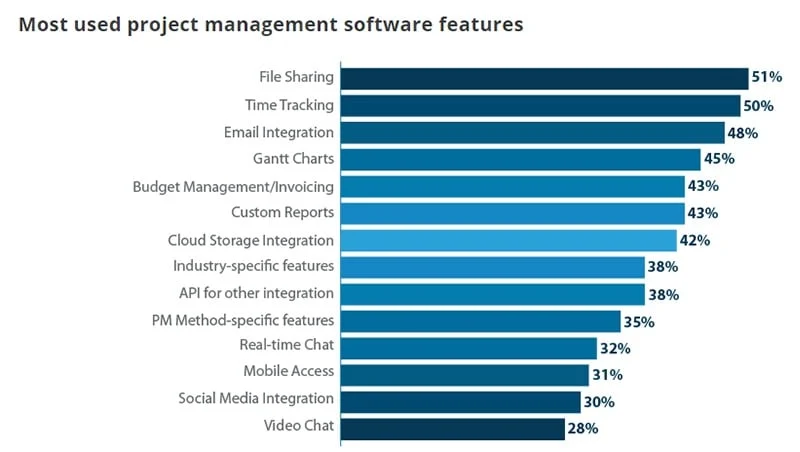
Project management software for general contractors typically includes a range of features designed to support the construction project lifecycle. These features may include:
- Project planning and scheduling: Software can help general contractors create detailed project schedules, including timelines, milestones, and deadlines.
- Budgeting and cost management: Software can enable general contractors to track expenses, manage budgets, and make financial projections.
- Task management: Software can help general contractors assign and track tasks, including work assignments, deadlines, and progress updates.
- Team collaboration: Software can provide a shared platform for team members to communicate, share documents, and collaborate on projects.
- Client management: Software can help general contractors manage client relationships, including communication, invoicing, and feedback.
Tips for Choosing the Right Project Management Software
With so many project management software solutions available, it can be challenging for general contractors to choose the right one for their business. Here are some tips to consider:
- Assess your business needs: Identify the specific features and functionalities you need to manage your projects and operations.
- Research and compare software options: Look for software that meets your business needs and budget.
- Read reviews and testimonials: Check what other users are saying about the software to get a sense of its strengths and weaknesses.
- Try before you buy: Many software providers offer free trials or demos, allowing you to test the software before committing to a purchase.
For example, if you’re looking for a comprehensive project management software solution, you may want to consider software that integrates with other tools and systems, such as time tracking software or billing software. This can help you streamline your operations and reduce the need for manual data entry.
In addition to project management software, general contractors may also benefit from using other types of software, such as contract management software or demand planning software. These tools can help general contractors to manage their contracts, forecasts, and supply chains more effectively, leading to improved profitability and competitiveness.
As the construction industry continues to evolve, project management software for general contractors will play an increasingly important role in driving business success. By choosing the right software and leveraging its features and functionalities, general contractors can improve their productivity, reduce costs, and enhance customer satisfaction. Whether you’re a small, medium, or large general contractor, investing in project management software can help you to stay competitive and achieve your business goals.
In conclusion, project management software for general contractors is a valuable tool that can help to streamline operations, improve communication, and drive business growth. By understanding the benefits and features of project management software, as well as the tips for choosing the right software, general contractors can make informed decisions about their software needs. With the right software in place, general contractors can focus on what they do best: building and delivering high-quality construction projects that meet the needs of their clients.