Table of Contents
- Step‑by‑Step Guide to Open a Free Business Bank Account
- 1. Research Banks That Offer a Free Business Account
- 2. Gather Required Documentation
- 3. Complete the Online Application
- 4. Verify Your Identity and Activate the Account
- 5. Set Up Your Banking Tools
- Key Benefits of Opening a Free Business Bank Account
- No Monthly Maintenance Fees
- Access to Digital Payments and Integrations
- Professional Image and Credibility
- Scalability
- Common Pitfalls and How to Avoid Them
- Hidden Transaction Limits
- Fees for Cash Deposits
- Inactivity Fees
- Overlooked Add‑Ons
- Choosing the Right Free Business Bank Account for Your Needs
- How to Keep the Account Free Long‑Term
Starting a new venture is exciting, but the paperwork can feel endless. One of the first financial steps every entrepreneur faces is setting up a business bank account. While many banks charge monthly fees, there’s a growing list of institutions that let you open a free business bank account without sacrificing essential features.
Why does a dedicated business account matter? It separates personal and company finances, simplifies bookkeeping, and adds credibility when dealing with vendors or clients. Moreover, a proper account often unlocks tools like invoicing, merchant services, and integrated accounting software—capabilities that are hard to replicate with a personal checking account.
In this article we’ll walk through the entire process: from picking the right bank, gathering the necessary documents, navigating the online application, to making the most of a free account once it’s live. Whether you’re a solo freelancer, a partnership, or an LLC, the steps are largely the same, and the good news is you won’t have to pay a dime for the basic service.
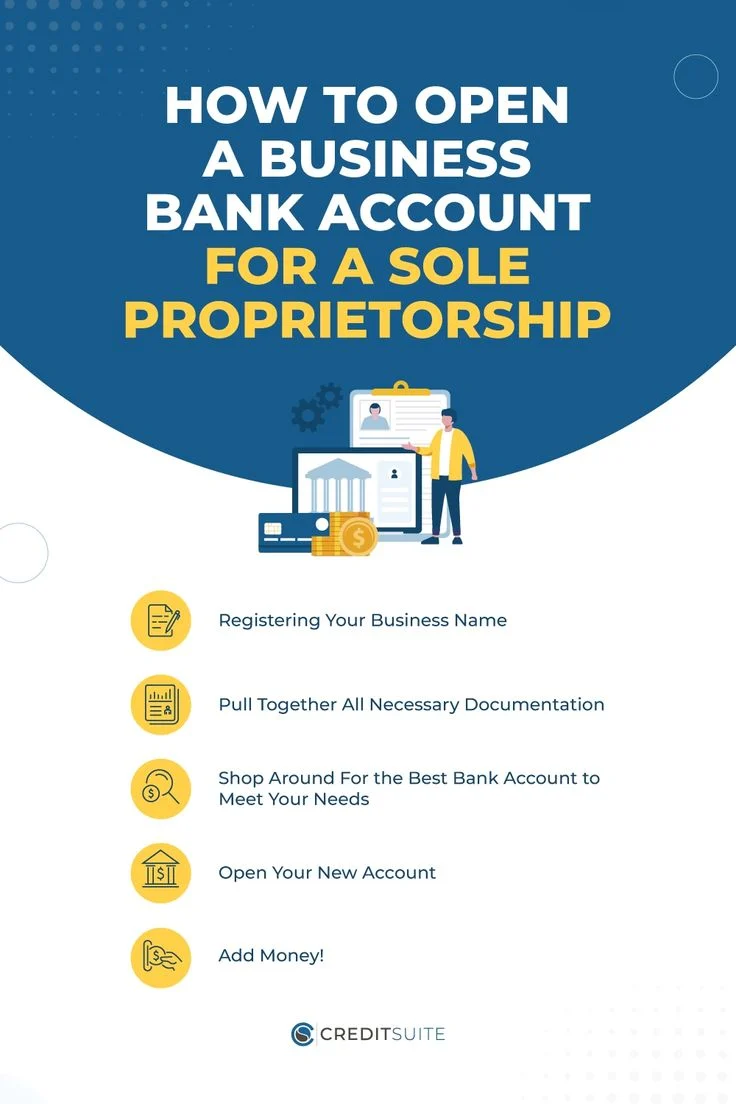
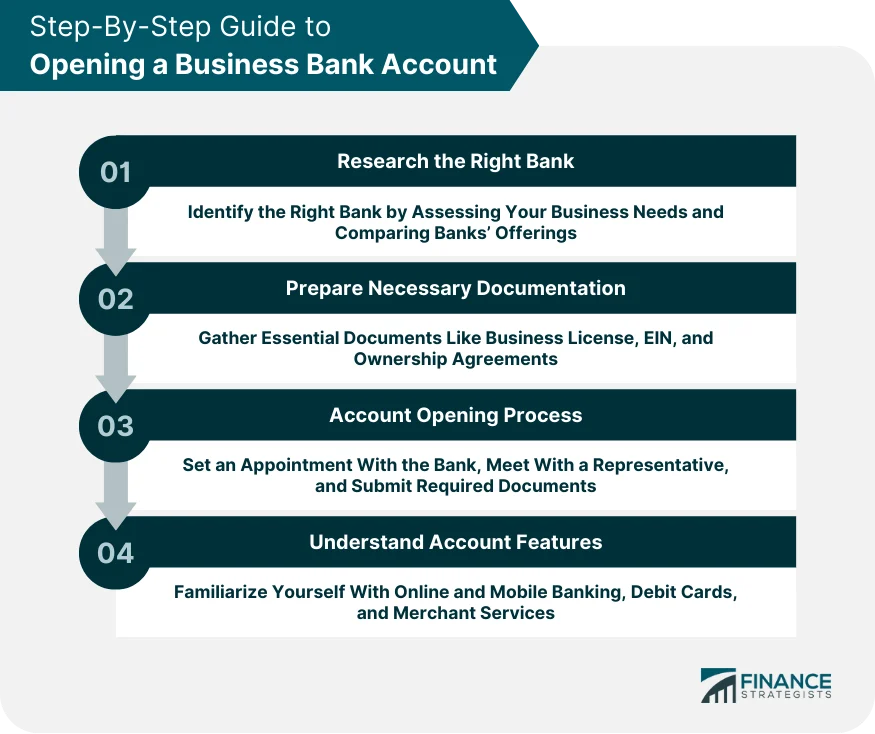
Step‑by‑Step Guide to Open a Free Business Bank Account
Getting the account up and running can be done in under an hour if you have everything prepared. Below is a straightforward checklist that will keep you on track.
1. Research Banks That Offer a Free Business Account
- Look for zero‑monthly‑fee accounts that still provide online bill pay, debit cards, and basic cash deposit options.
- Check if the bank has a minimum balance requirement; many free accounts waive fees as long as you keep a modest average balance.
- Read reviews about customer service and mobile app reliability—these factors matter when you’re managing cash flow on the go.
For a deeper dive into the digital side of things, see our online banking guide for small business owners. It explains how modern platforms integrate with accounting tools, making daily operations smoother.
2. Gather Required Documentation
Even though the account is free, banks still need to verify your business’s legitimacy. Typical documents include:
- Employer Identification Number (EIN) issued by the IRS.
- Business formation documents (Articles of Organization for LLCs, Articles of Incorporation for corporations, or a DBA certificate for sole proprietors).
- Personal identification—usually a driver’s license or passport.
- Proof of address, such as a utility bill or lease agreement.
If you’re operating an LLC, you might also appreciate reading the online business bank account for LLC guide. It outlines nuances like the importance of using the LLC’s EIN instead of your personal SSN.
3. Complete the Online Application
Most banks now allow you to finish the entire process digitally. Here’s what to expect:
- Enter basic business information and upload the documents you gathered.
- Answer questions about expected monthly transaction volume and average balance.
- Set up user access—many banks let you create multiple logins for partners or accountants.
During the application, watch out for optional add‑ons that may carry fees, such as premium merchant services or overdraft protection. Since the goal is to keep the account free, decline any unnecessary extras.
4. Verify Your Identity and Activate the Account
After submission, the bank may request a quick video call or ask you to upload a selfie holding your ID. This step is standard for compliance with the Know‑Your‑Customer (KYC) regulations. Once approved, you’ll receive your debit card and online login credentials within a few business days.
5. Set Up Your Banking Tools
Take advantage of the free features that come with your new account:
- Enable mobile check deposit for quick cash flow.
- Connect the account to your accounting software (e.g., QuickBooks or Xero) to automate transaction categorization.
- Set up automatic transfers to a separate savings account for taxes or emergency funds.
Even a free account can provide powerful analytics—use them to track revenue trends and spot irregular expenses early.
Key Benefits of Opening a Free Business Bank Account
Choosing a zero‑fee option doesn’t mean you’re sacrificing quality. In fact, many fintech‑focused banks provide cutting‑edge tools that traditional brick‑and‑mortar institutions still lack.
No Monthly Maintenance Fees
The most obvious advantage is cost savings. For a startup on a tight budget, avoiding a $10‑$15 monthly charge can free up cash for product development or marketing. Over a year, that adds up to $120‑$180 you can reinvest elsewhere.
Access to Digital Payments and Integrations
Free business accounts often come with built‑in payment links, QR codes, and the ability to accept credit cards without a separate merchant processor. This can be a game‑changer for e‑commerce sellers who need to move fast.
Professional Image and Credibility
Clients and suppliers are more likely to trust a business that uses a dedicated account. It also simplifies tax filing—expenses are already separated, reducing the risk of errors during audit season.
Scalability
Many banks that offer free basic accounts also provide tiered upgrades for when your business grows. You can start free, then add premium features like higher transaction limits or dedicated account managers without switching banks.
Common Pitfalls and How to Avoid Them
Even though the process is straightforward, there are a few traps that can turn a free account into a costly one.
Hidden Transaction Limits
Some free plans cap the number of monthly withdrawals or ACH transfers. Exceeding these limits may trigger per‑transaction fees. Before you settle on a provider, read the fine print and estimate your monthly transaction volume.
Fees for Cash Deposits
If your business deals heavily in cash, verify whether the bank charges for cash deposits. Some online‑only banks waive fees for electronic transactions but charge $0.20 per cash deposit.
Inactivity Fees
A few banks impose an inactivity fee if you don’t meet a minimum number of transactions each month. Keep a modest level of activity—like a monthly transfer to a savings account—to stay fee‑free.
Overlooked Add‑Ons
During the signup, you might be offered premium services such as advanced fraud protection or a business credit card. While these can be valuable, they often come with monthly costs. Decline anything you don’t need right now.
Choosing the Right Free Business Bank Account for Your Needs

Not all free accounts are created equal. Here’s a quick comparison of three popular options (as of 2026):
- Bank A – No monthly fee, unlimited ACH transfers, but a $0.25 fee per cash deposit.
- Bank B – Completely fee‑free for up to 200 transactions per month, includes a free debit card, and offers integration with most accounting platforms.
- Bank C – Zero fee, but limits free withdrawals to 10 per month; additional withdrawals cost $0.15 each.
Match these features against your business model. For a digital‑only startup, Bank B’s unlimited ACH may be the best fit. For a coffee cart that handles cash, Bank A’s lower cash deposit fee could be more attractive.
How to Keep the Account Free Long‑Term
Once you’ve opened the account, maintain its free status by:
- Monitoring transaction counts each month.
- Keeping the average balance above any required threshold.
- Avoiding optional premium services unless truly needed.
- Regularly reviewing statements for unexpected fees.
Set up email alerts for low balances or fee notifications—most banks let you customize these.
By staying vigilant, you can enjoy a cost‑free banking experience while your business scales.
Opening a free business bank account is no longer a rare perk; it’s a mainstream option for savvy entrepreneurs. With the right preparation, you can secure a professional banking relationship, protect your finances, and keep overhead low—all without paying a monthly fee. Take advantage of the tools available, keep an eye on the fine print, and let your business focus on growth rather than banking expenses.