Getrawbox Getrawbox
Related Articles

Running a small business often means juggling a tight budget while trying to stay competitive. One expense that can quickly add up is fuel—whether you’re delivering products, visiting clients, or just commuting between job sites. That’s why many entrepreneurs are turning to specialized tools that do more than just pay the pump. Enter fuel credit cards for small business, a financial product designed to give you better control, savings, and reporting on every gallon.
But before you swipe a card, it’s worth understanding how these cards differ from a regular business credit card, what features truly matter, and how to pick the right one for your operation. In this guide, we’ll walk through the basics, highlight key benefits, compare popular programs, and share practical tips to get the most out of your fuel credit cards for small business.
Whether you own a single‑truck delivery service or manage a fleet of service vans, the right fuel credit card can shave dollars off each fill‑up, simplify bookkeeping, and even improve driver behavior. Let’s dive in.
Why Fuel Credit Cards for Small Business Are a Smart Choice
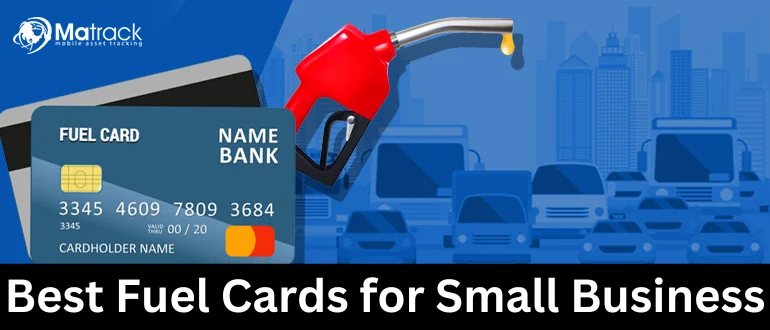
At first glance, a fuel credit card may look like just another line of credit, but it’s actually a purpose‑built solution for businesses that spend a lot on gasoline or diesel. Here are the core reasons why fuel credit cards for small business have become a go‑to tool for owners looking to tighten up their expenses.
- Discounted Fuel Prices: Most issuers negotiate wholesale rates with fuel stations, passing on savings that can range from 3 % to 10 % per gallon.
- Detailed Transaction Data: Every purchase is logged with date, location, fuel type, and amount, making expense tracking a breeze.
- Expense Controls: Set limits on purchase types, daily spend caps, or even restrict usage to specific stations.
- Improved Cash Flow: Many cards offer interest‑free periods, deferred payment options, or flexible repayment schedules.
- Rewards & Perks: Earn points, cash back, or rebates that can be applied toward future fuel purchases or other business expenses.
Key Features to Look for in Fuel Credit Cards for Small Business
When evaluating fuel credit cards for small business, focus on these features to ensure the card aligns with your operational needs.
- Network Coverage: Choose a card that’s accepted at the fuel stations you frequent most. Some cards work nationwide, while others are tied to specific brands.
- Discount Structure: Look at both the discount per gallon and any tiered pricing based on volume. Higher spenders often unlock deeper discounts.
- Reporting Tools: Integrated dashboards that export data to CSV, QuickBooks, or other accounting software can save hours each month.
- Security Measures: PIN‑protected cards, transaction alerts, and the ability to block or reset cards instantly are essential for preventing fraud.
- Fees & APR: While many fuel cards have low or no annual fees, be aware of hidden costs such as transaction fees, cash advance fees, or high APRs on carried balances.
How Fuel Credit Cards for Small Business Save Money
The savings from fuel credit cards for small business come from a combination of direct discounts and indirect efficiencies. For example, a 5 % discount on a monthly fuel spend of $2,000 translates to $100 saved each month, or $1,200 annually. Add in reduced accounting time—thanks to automatic data feeds—and you’re looking at a solid ROI.
Moreover, many cards offer “fuel surcharge” waivers for purchases made at non‑partner stations, and some provide maintenance discounts for vehicle services, turning a simple fuel card into a broader fleet management tool.
Top Fuel Credit Cards for Small Business in 2024
Below is a snapshot of some of the most popular fuel credit cards for small business, each with its own set of perks and eligibility criteria.
1. ExxonMobil Business Fleet Card
Ideal for businesses that already use ExxonMobil stations, this card offers up to 7 % off fuel and a robust online portal that breaks down spending by driver, vehicle, and location. The card also integrates with major accounting platforms, making expense reconciliation straightforward.
2. Shell Small Business Fuel Card
Shell’s card provides a flat 5 % discount on all fuel purchases, plus bonus points that can be redeemed for merchandise or travel. The program includes a mobile app that alerts you when you’re approaching your daily limit—a handy feature for managing driver behavior.
3. BP Business Credit Card
BP’s offering stands out with its “Fuel Purchase Protection” program, which refunds up to 10 % of the fuel cost if a transaction is disputed or fraudulent. Additionally, BP cards come with a built‑in expense‑reporting tool that can be exported directly to QuickBooks.
4. Fleetcor Fleet Card
For businesses with a mixed fleet that refuels at multiple brands, Fleetcor’s card provides a universal discount regardless of the station. The card also offers detailed analytics on fuel efficiency, helping you identify under‑performing vehicles.
Applying for a Fuel Credit Card: Step‑by‑Step Guide
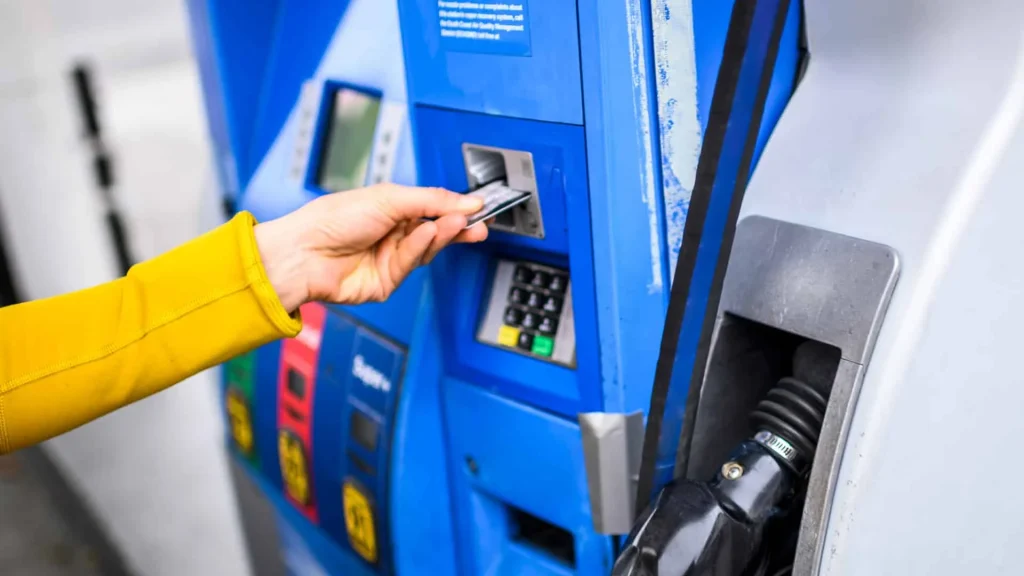
Getting a fuel credit card for small business is usually a straightforward process, but there are a few steps you should follow to improve your chances of approval.
Step 1: Assess Your Business Profile
Gather your most recent financial statements, tax returns, and a clear picture of your monthly fuel spend. Issuers often look for consistent fuel volume and a solid cash flow history.
Step 2: Choose the Right Card
Match your fuel buying patterns to the card’s network. If you mostly fill up at Chevron, a Chevron‑linked card will likely give you the best discount. For broader flexibility, consider a card with a nationwide network.
Step 3: Complete the Application
Most applications are online and require basic business information: EIN, legal name, address, and annual revenue. Some issuers may request a personal guarantee—though Corporate Credit Cards No Personal Guarantee: What You Need to Know explains, there are options without this requirement for well‑established businesses.
Step 4: Review Terms and Fees
Before you sign, read the fine print. Check the APR, any annual fees, and the grace period for interest‑free purchases. If you’re interested in a no‑interest option, see our guide on Interest Free Credit Cards for Business: A Complete Guide for alternatives.
Step 5: Activate and Train Your Team
Once approved, activate the cards and distribute them to drivers. Conduct a short training session on usage policies, PIN security, and how to read the transaction receipts for future reporting.
Best Practices for Managing Fuel Credit Cards for Small Business
Having a fuel credit card is only half the battle; managing it effectively can amplify the benefits.
Set Clear Policies
Define who can use the card, what types of fuel are eligible, and any spend limits per driver. Written policies reduce misuse and make it easier to enforce accountability.
Leverage Real‑Time Reporting
Take advantage of the card’s reporting dashboard. Monitor fuel consumption trends, identify outliers, and adjust routes or driver assignments to improve efficiency.
Reconcile Monthly
Match the card statements with your internal logs each month. Quick reconciliation prevents surprise fees and helps you spot any unauthorized purchases early.
Use Rewards Strategically
If your card offers points or cash back, channel those rewards back into your fuel budget or use them to offset other business expenses. This creates a virtuous cycle of savings.
Stay Informed About Program Changes
Fuel card programs occasionally update discount rates, fees, or network partnerships. Subscribe to issuer newsletters or check the portal regularly to stay ahead of any changes that could affect your bottom line.
Integrating a fuel credit card into your broader financial strategy can also streamline other processes. For instance, the same data feeds used for fuel can feed into Credit Card and Debit Card Processing: A Deep Dive, giving you a unified view of all card‑based expenses.
Common Pitfalls to Avoid
Even with the best intentions, small business owners sometimes stumble when using fuel credit cards for small business. Here are the most frequent mistakes and how to sidestep them.
- Ignoring Transaction Fees: Some cards charge a small fee per transaction, which can erode discounts if you’re making many low‑value purchases.
- Over‑Spending Due to Credit Limits: A high credit limit can be tempting, but overspending can lead to interest charges and cash‑flow strain.
- Failing to Review Statements: Small, unauthorized purchases can add up. Regularly review statements to catch anomalies early.
- Choosing the Wrong Network: If your drivers frequently stop at stations not covered by your card, you’ll miss out on discounts and may incur surcharge fees.
- Neglecting Driver Education: Without proper training, drivers might misuse the card for non‑fuel purchases, leading to policy violations.
Future Trends: What’s Next for Fuel Credit Cards?
The landscape of fuel credit cards for small business is evolving alongside technology and sustainability initiatives. Here are a few trends to watch.
Electrification and Alternative Fuels
As electric vehicles (EVs) become more common, some issuers are adding “charging point” discounts to their fuel card programs. Expect to see hybrid cards that cover gasoline, diesel, and EV charging stations in one consolidated account.
AI‑Powered Expense Management
Machine‑learning algorithms are being integrated into card platforms to automatically flag unusual spend patterns, predict optimal fuel routes, and suggest cost‑saving measures.
Integrated Fleet Management
Beyond fuel, future cards may bundle telematics, maintenance scheduling, and driver scorecards, turning a simple payment tool into a comprehensive fleet operations hub.
Keeping an eye on these developments can help you stay ahead of the curve and continue extracting maximum value from your fuel credit cards for small business.
In the end, the right fuel credit card acts like a silent partner—working behind the scenes to cut costs, simplify bookkeeping, and give you data‑driven insights into your fleet’s performance. By understanding the features, choosing a card that aligns with your fuel habits, and implementing solid management practices, you’ll turn every gallon into a strategic advantage.