Table of Contents
- does webull have a crypto wallet? Understanding the basics
- does webull have a crypto wallet for withdrawals? The hard truth
- How Webull’s custodial approach impacts security and insurance
- Comparing Webull’s crypto wallet to dedicated crypto platforms
- Why Webull restricts crypto withdrawals
- What you can do with crypto on Webull
- Tips for maximizing Webull’s crypto features while planning for withdrawals
- Future outlook: Could Webull introduce a full crypto wallet?
Webull has become a household name among retail investors who crave a sleek, commission‑free platform for stocks, options, and ETFs. In recent years, the app also dipped its toes into the crypto market, allowing users to trade a handful of popular digital assets. But while buying and selling crypto on Webull feels straightforward, many newcomers wonder: does Webull have a crypto wallet?
The answer isn’t as black‑and‑white as a simple “yes” or “no.” Webull does let you hold crypto within the app, but the way it stores those assets, the level of control you have, and the options for moving coins out of the platform differ from traditional “self‑custody” wallets you might know from Coinbase or Ledger. In this deep dive we’ll unpack exactly how Webull handles crypto storage, the limitations around withdrawals, and whether the platform truly qualifies as a crypto wallet in the conventional sense.
Whether you’re a seasoned trader curious about diversifying your portfolio or a beginner trying to decide which platform to start with, understanding the nuances of Webull’s crypto infrastructure is crucial. Let’s break down the mechanics, compare them to other broker‑dealing apps, and give you practical tips on navigating the system.
does webull have a crypto wallet? Understanding the basics
At its core, Webull operates as a brokerage rather than a dedicated crypto exchange. When you purchase Bitcoin, Ethereum, or any of the other supported coins on Webull, the assets are held in what the company calls a “custodial” arrangement. This means the coins are stored in third‑party wallets managed by the brokerage, not in a private key that you control directly.
In practice, this setup resembles how traditional stock holdings are treated: you own the asset, but the brokerage holds the legal title on your behalf. For most users, this arrangement is perfectly acceptable, especially if they are primarily interested in price exposure rather than using the crypto for payments or DeFi activities.
However, the custodial nature raises the central question: does Webull have a crypto wallet that you can use for sending and receiving funds freely? The short answer is that Webull’s wallet is “internal only.” You can view balances, trade, and even convert crypto to cash within the platform, but you cannot withdraw the coins to an external address. This limitation is a key differentiator from platforms that provide full self‑custody wallets.
does webull have a crypto wallet for withdrawals? The hard truth
If you’re looking to move your Bitcoin to a hardware wallet or send Ethereum to a friend’s address, Webull currently does not support that functionality. The crypto held on Webull is locked inside the brokerage’s custodial system, meaning you can only liquidate the position back into USD and then withdraw the cash to your linked bank account.
This model mirrors what you’ll find on other broker‑centric apps like Robinhood. For instance, Can You Send Crypto on Robinhood? Everything You Need to Know explains that Robinhood also restricts direct crypto withdrawals, forcing users to sell first. The same principle applies to Webull.
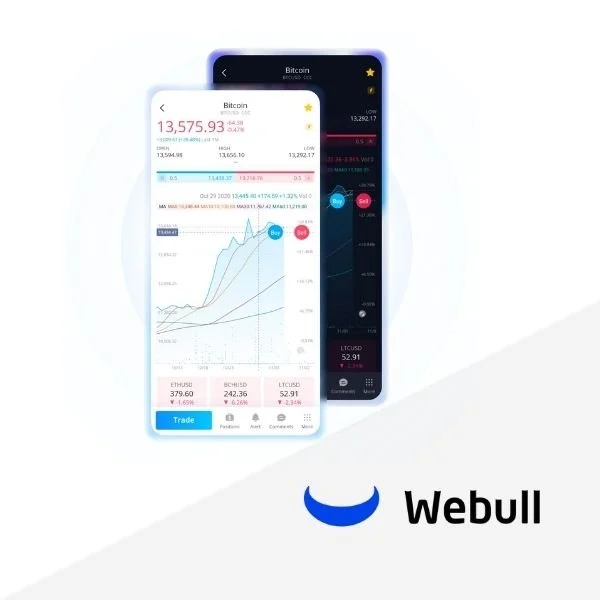
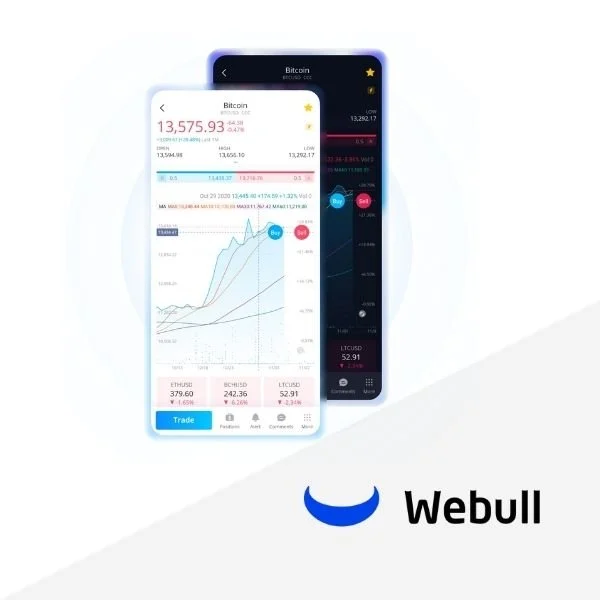
That said, Webull does offer a “crypto wallet” view inside the app where you can see your holdings, transaction history, and real‑time market data. The experience feels wallet‑like, but it’s fundamentally different from a non‑custodial wallet where you control the private keys.
How Webull’s custodial approach impacts security and insurance

Because Webull holds crypto in a custodial manner, the platform is responsible for securing the assets against hacks, loss, and other risks. Webull partners with reputable custodians who employ multi‑signature storage, cold‑storage vaults, and insurance policies to protect user balances. While this can provide peace of mind for investors who prefer not to manage private keys, it also means you’re trusting a third party with your digital wealth.
If a breach were to occur, your recourse would depend on Webull’s internal policies and the insurance coverage they maintain. This differs from self‑custody solutions where you are solely responsible for safeguarding your keys, but also the sole beneficiary if something goes wrong.
Comparing Webull’s crypto wallet to dedicated crypto platforms

To put Webull’s offering into perspective, let’s compare it with a few well‑known platforms that provide full crypto wallets:
- Coinbase: Offers both custodial and non‑custodial wallet options. Users can withdraw crypto to external addresses instantly.
- Crypto.com: Provides a multi‑currency wallet with the ability to send and receive coins, plus a Visa card for spending.
- Robinhood: Similar to Webull, Robinhood holds crypto custodially and does not allow external withdrawals (see How to Send Crypto on Robinhood: Complete Walkthrough for a detailed look).
When you stack these side by side, Webull’s “wallet” shines in ease of use and integration with a robust trading interface, but falls short on flexibility. If your goal is to engage with decentralized finance (DeFi), stake coins, or simply keep your assets in a self‑controlled wallet, Webull may not meet those needs.
Why Webull restricts crypto withdrawals
The primary reason behind Webull’s withdrawal limitation is regulatory compliance. As a broker‑dealer registered with the SEC and FINRA, Webull must adhere to strict KYC/AML protocols. Allowing direct crypto transfers could expose the platform to higher scrutiny and potential money‑laundering concerns.
Furthermore, the custodial model simplifies tax reporting. Since Webull tracks every trade and conversion internally, users receive a consolidated 1099‑B form for both securities and crypto activities, reducing the paperwork associated with external wallets.
What you can do with crypto on Webull
Even without withdrawal capabilities, Webull offers a range of features that can make crypto trading worthwhile:
- Real‑time charting: Advanced technical analysis tools similar to those you’d find for stocks.
- Margin trading: Eligible users can trade crypto on margin, though this comes with higher risk.
- Zero‑commission trading: No fees for buying or selling supported cryptocurrencies.
- Instant conversion: Convert crypto to cash within the app without a separate “sell” order, streamlining the process of moving money to your bank.
If you’re primarily interested in price exposure and want to keep everything under one roof (stocks, options, crypto), Webull’s integrated experience may be more convenient than juggling multiple accounts.
Tips for maximizing Webull’s crypto features while planning for withdrawals

Since you can’t send crypto directly out of Webull, many users adopt a two‑step strategy: sell the crypto on Webull, then transfer the cash to an external exchange that does support withdrawals (e.g., Coinbase, Kraken). Here’s a quick workflow:
- Sell your Bitcoin or other crypto on Webull and convert it to USD.
- Withdraw the USD to your linked bank account (usually 1‑3 business days).
- Deposit the cash into a dedicated crypto exchange that allows withdrawals.
- Buy the same crypto on that exchange and transfer it to your personal wallet.
While this process adds a few steps, it gives you the best of both worlds: you can leverage Webull’s low‑cost trading and later move assets to a self‑custodial wallet for long‑term storage.
For a deeper dive on moving funds between platforms, check out how much does crypto com charge – fee breakdown & guide, which outlines typical fees you might encounter during such transfers.
Future outlook: Could Webull introduce a full crypto wallet?
The crypto landscape evolves rapidly, and many broker‑dealers are responding to user demand by expanding wallet capabilities. In 2023, several platforms announced plans to roll out “crypto‑to‑crypto” transfers, and regulators have started issuing clearer guidance on custodial requirements.
If Webull follows this trend, we might see a feature where users can generate a unique address for each supported coin, enabling direct deposits and withdrawals. Until an official announcement lands, though, the platform will likely keep its current custodial stance.
For now, the safest bet is to treat Webull as a trading conduit rather than a full‑fledged wallet. Use it to capture market moves, then shift assets to a self‑custody solution if you need the flexibility of sending, staking, or using DeFi protocols.
In summary, while Webull does provide a crypto “wallet” view within the app, it is strictly custodial and does not support external withdrawals. This design choice aligns with the platform’s brokerage model, emphasizing ease of trading and regulatory compliance over full wallet functionality. If that aligns with your investment strategy, Webull can be a powerful tool in your arsenal. If you need true ownership of private keys, consider pairing Webull with a dedicated crypto wallet or exchange that offers full withdrawal capabilities.