Getrawbox Getrawbox
Related Articles


Table of Contents
- Does Robinhood Have a Crypto Wallet? The Core Reality
- Does Robinhood Have a Crypto Wallet? How the Custodial Model Works
- Key Features of Robinhood’s Crypto Offering
- Pros and Cons of Using Robinhood for Crypto Storage
- Pros
- Cons
- How to Move Crypto Out of Robinhood (If You Can)
- Alternative Ways to Store Your Crypto Securely
- Fees and Tax Implications
- Security Measures Robinhood Implements
- Future Outlook: Will Robinhood Expand Its Wallet Capabilities?
Robinhood has become a household name for anyone dipping their toes into the stock market, thanks to its commission‑free trades and sleek mobile app. Over the past few years, the platform has broadened its horizons, adding a handful of cryptocurrencies to its roster. But as the crypto craze continues, many users wonder: does Robinhood have a crypto wallet? The answer isn’t as straightforward as a simple “yes” or “no,” and understanding the nuances can save you a lot of headaches down the road.
In this deep dive, we’ll unpack what Robinhood actually offers when it comes to crypto storage, compare it with traditional wallets, and highlight the practical implications for both beginners and seasoned traders. By the end of the article, you’ll have a clear picture of whether Robinhood’s crypto solution fits your needs—or if you should look elsewhere for a dedicated wallet.
Does Robinhood Have a Crypto Wallet? The Core Reality
Short answer: Robinhood does not provide a traditional, self‑custodial crypto wallet where you control the private keys. Instead, the platform offers a custodial solution that lets you buy, sell, and hold crypto assets within your Robinhood account. This means that while you can view balances, monitor price movements, and trade on the same interface you use for stocks, the actual storage of the coins is managed by Robinhood (or its third‑party custodians).
What does this mean for you? Essentially, you’re trusting Robinhood to keep your crypto safe, just as you trust a bank with your dollars. You can’t export your coins to an external address unless you use the new “withdrawal” feature that launched in 2023 for a limited set of assets. For most users, especially those who are new to crypto, this custodial model feels familiar and convenient—no need to juggle seed phrases or worry about losing access to a hardware device.
Does Robinhood Have a Crypto Wallet? How the Custodial Model Works
The custodial model works like this: when you purchase Bitcoin, Ethereum, or any of the other supported tokens, Robinhood records the transaction on its internal ledger. The actual coins are stored in cold wallets managed by institutional custodians such as Gemini or BitGo. You see the amount in your portfolio, but the private keys that unlock those coins reside with the custodial partner—not you.
Because you don’t hold the private keys, you cannot directly send crypto to an outside address (unless you qualify for the withdrawal feature). This limitation is a trade‑off: you gain ease of use and lower barriers to entry, but you sacrifice the full control and security benefits that come with self‑custody.
Key Features of Robinhood’s Crypto Offering
- Zero‑commission trading: Just like stocks, you can trade crypto without paying a commission fee.
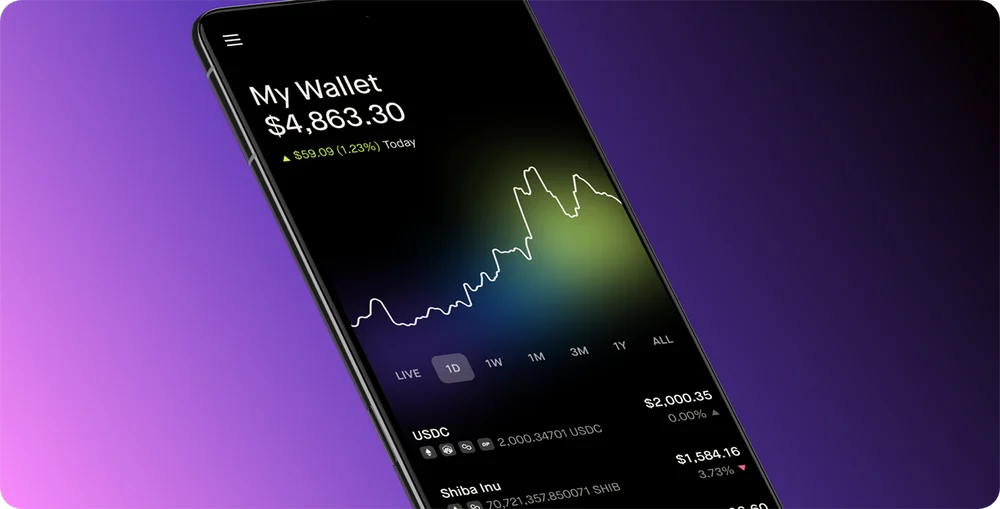
- Instant access: Crypto assets appear in your portfolio instantly after purchase, making it easy to track performance alongside equities.
- Limited withdrawal options: As of early 2024, withdrawals are available for Bitcoin, Ethereum, Litecoin, and Bitcoin Cash, but only for users who meet certain eligibility criteria.
- Integrated experience: No separate app or account is needed; everything lives under the same Robinhood login.
- Regulatory oversight: Robinhood is a registered broker‑dealer, which adds a layer of consumer protection not always present in pure crypto exchanges.
Pros and Cons of Using Robinhood for Crypto Storage

Pros
- User‑friendly interface: The app’s clean design makes buying and monitoring crypto as simple as buying a stock.
- Low entry barrier: No need to manage seed phrases, hardware wallets, or complex security setups.
- Integrated tax reporting: Robinhood provides a consolidated 1099 for both stocks and crypto, simplifying year‑end paperwork.
- Speed: Trades execute instantly at market price, which is ideal for quick, small‑scale speculation.
Cons
- No full self‑custody: You don’t control private keys, which defeats the “be your own bank” philosophy of many crypto enthusiasts.
- Limited withdrawal support: Only a handful of coins can be sent out, restricting diversification and use cases.
- Potential exposure to platform risk: If Robinhood faces regulatory or operational issues, your crypto could be impacted.
- Higher spreads: While commissions are zero, the buy‑sell spread can be wider than on dedicated exchanges.
How to Move Crypto Out of Robinhood (If You Can)
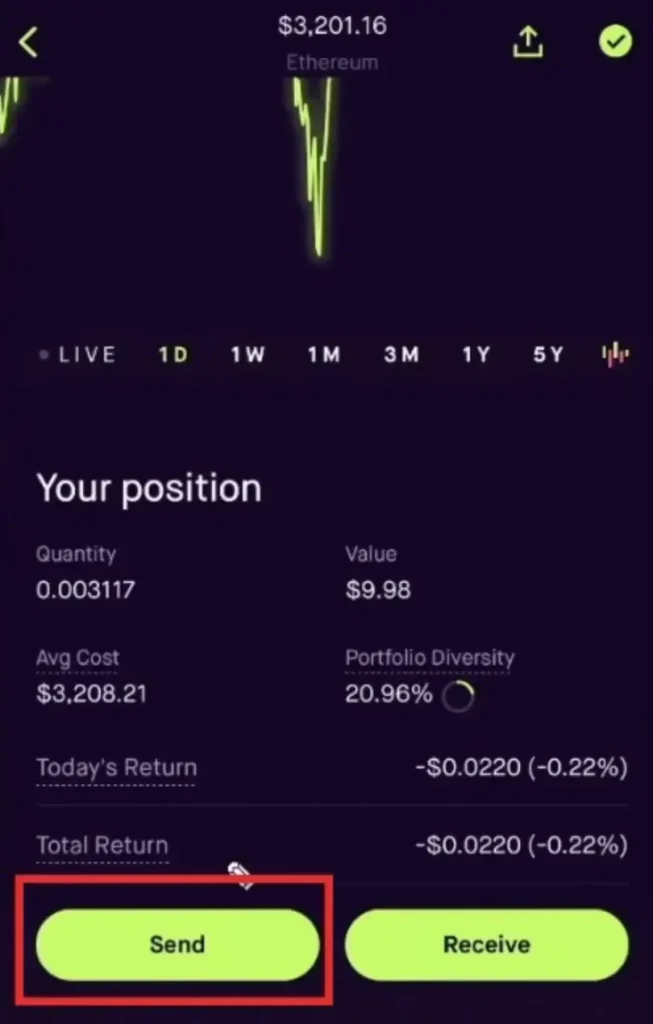
If you’ve satisfied the eligibility requirements—such as holding a minimum balance, completing identity verification, and having a linked external wallet—you can initiate a withdrawal for the supported assets. The process mirrors that of other platforms: you’ll enter the destination address, confirm the amount, and wait for the transaction to be processed on the blockchain.
For a step‑by‑step walkthrough of moving crypto between platforms, you might find the guide on Can You Send Crypto From Robinhood? A Complete Guide helpful. The article details the exact steps, fees, and timing you can expect when transferring Bitcoin or Ethereum out of Robinhood.
Alternative Ways to Store Your Crypto Securely

If full control over your private keys is a priority, consider these alternatives:
- Hardware wallets: Devices like Ledger Nano X or Trezor Model T keep your keys offline, providing the highest level of security.
- Software wallets: Apps such as MetaMask or Trust Wallet let you manage keys on your phone or computer, offering a balance between convenience and control.
- Dedicated crypto exchanges: Platforms like Coinbase, Kraken, or Binance provide custodial wallets with broader withdrawal options and often lower spreads.
For a quick comparison between two popular custodial platforms, check out the article which is better coinbase or crypto.com? A Deep Dive. It outlines key differences that can help you decide whether Robinhood’s simplicity outweighs the benefits of a more traditional crypto exchange.
Fees and Tax Implications

While Robinhood advertises zero commissions, the platform does embed fees within the spread—the difference between the price you pay and the price you receive when selling. This spread can vary by market conditions but generally falls between 0.5% and 1.5% for major coins.
From a tax perspective, every purchase, sale, and even transfer (when withdrawals become available) is a taxable event in the United States. Robinhood’s tax documents will list each transaction, but you’ll still need to calculate capital gains or losses based on your cost basis. If you’re unsure how to navigate crypto tax reporting, a professional tax advisor or software like CoinTracker can be invaluable.
Security Measures Robinhood Implements

Even though you don’t hold the private keys, Robinhood still invests heavily in security. The platform employs:
- Two‑factor authentication (2FA) for account access.
- Cold storage for the majority of crypto assets, keeping them offline and away from potential hacks.
- Regular audits of custodial partners to ensure compliance with industry standards.
That said, no platform is immune to breaches. In 2020, Robinhood suffered a data leak that exposed some user information—not crypto balances, but a reminder that any online service carries inherent risk. Practicing good personal security (strong passwords, 2FA, device security) remains essential.
Future Outlook: Will Robinhood Expand Its Wallet Capabilities?
Robinhood’s leadership has hinted at expanding crypto services, including broader withdrawal options and possibly staking for certain assets. The company’s recent acquisition of a crypto‑focused firm suggests they aim to compete more directly with established exchanges. If these plans materialize, the answer to “does Robinhood have a crypto wallet” may evolve from a custodial‑only model to a hybrid where users can both trade and fully withdraw any supported coin.
Until then, the platform remains a solid entry point for casual investors who want exposure to Bitcoin, Ethereum, and a few altcoins without the technical overhead of managing a separate wallet.
In summary, Robinhood does offer a crypto holding feature, but it stops short of providing a full‑blown self‑custodial wallet. The convenience of a single app and zero‑commission trades makes it attractive for newcomers, yet the lack of private‑key control and limited withdrawal options may push seasoned traders toward more flexible solutions. Weigh the pros and cons, consider your security preferences, and decide whether Robinhood’s crypto experience aligns with your investment goals.