First day cover ·
Peak District Barn Wedding in Derbyshire: Jenny & Tom Through Mark Tierney's Lens
Jenny and Tom's Derbyshire barn wedding shows how open countryside, honest reactions and low-light reception work can make a strong wedding story.
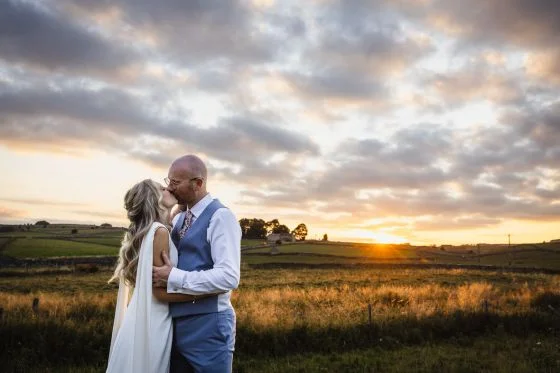
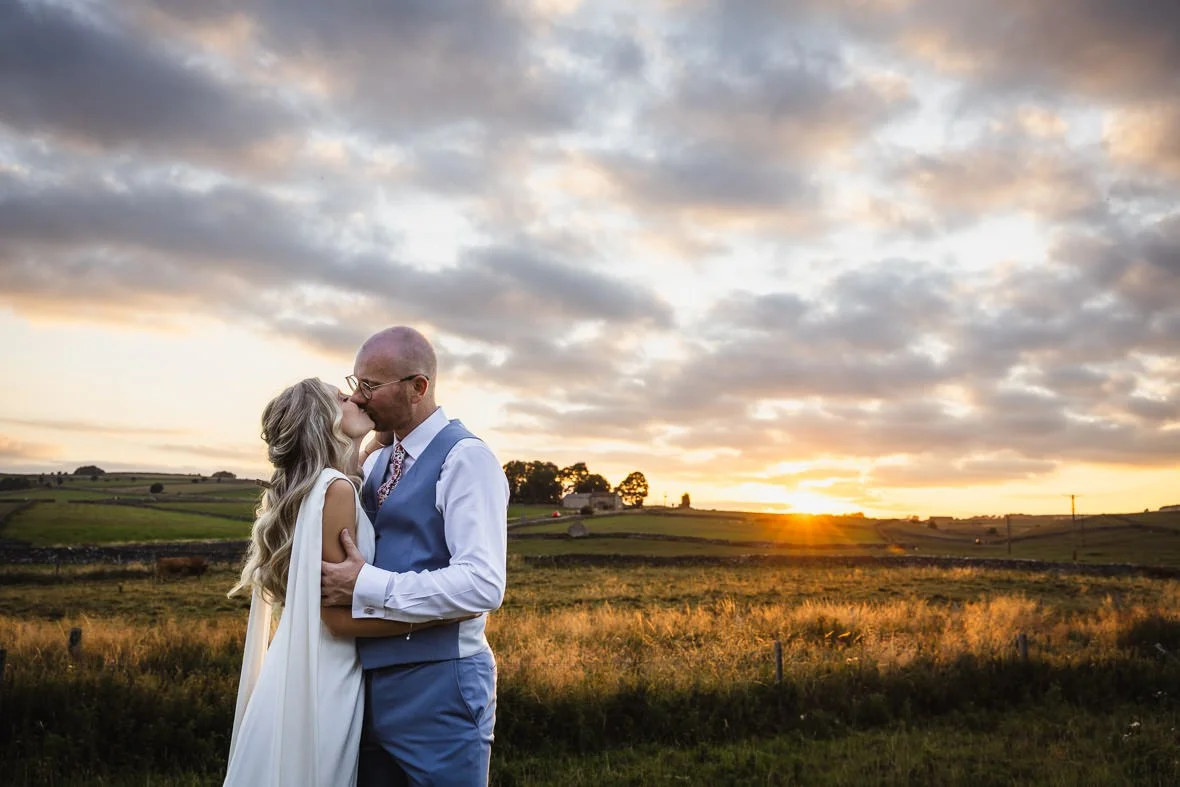
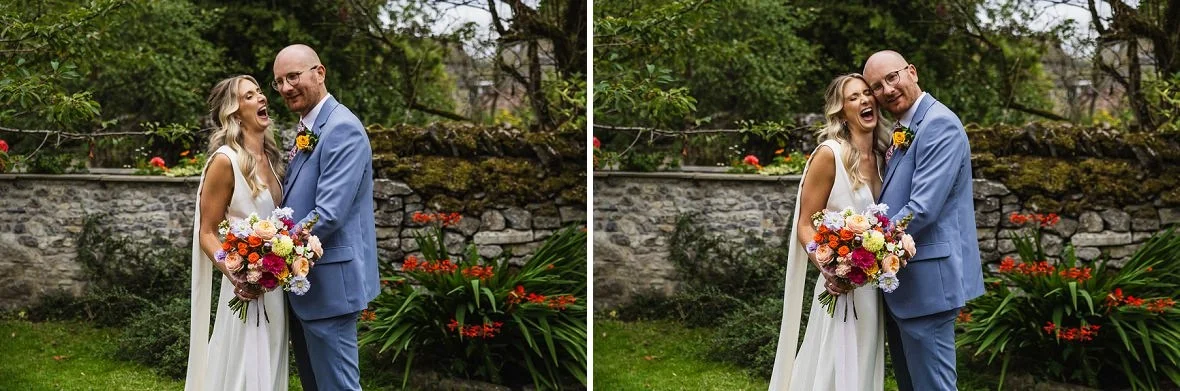
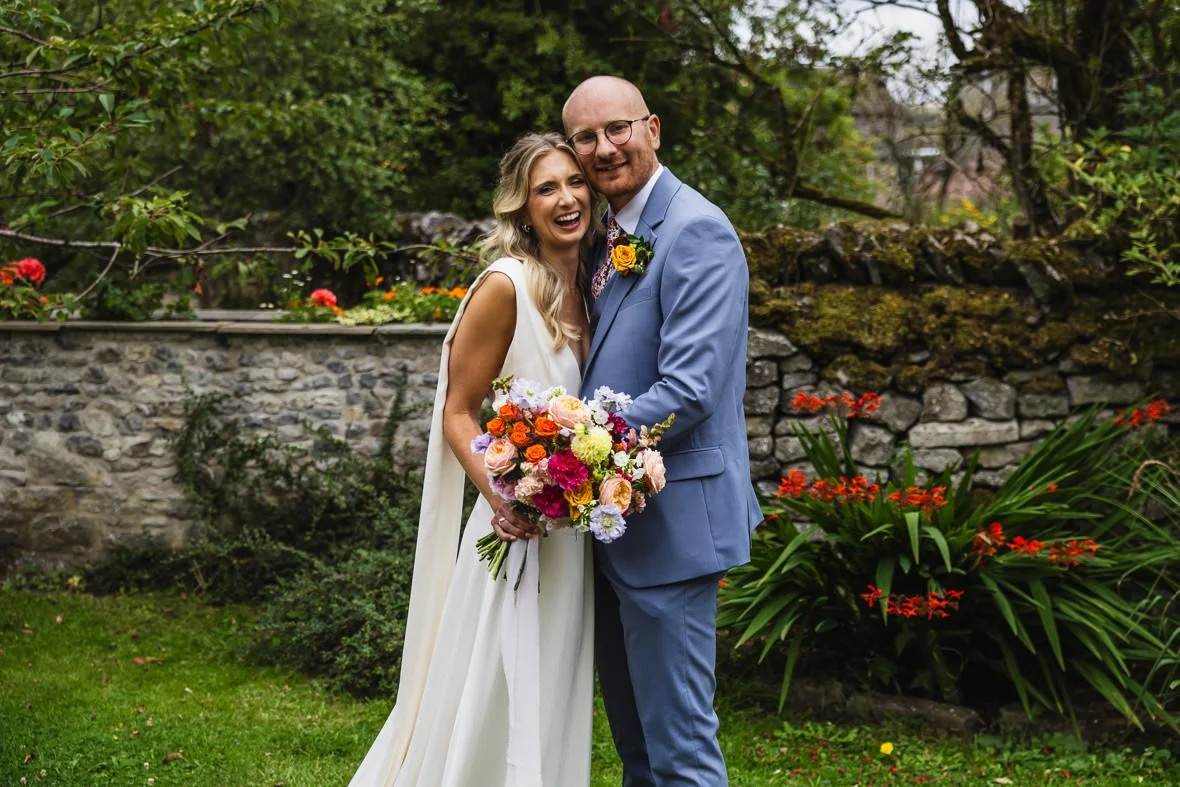
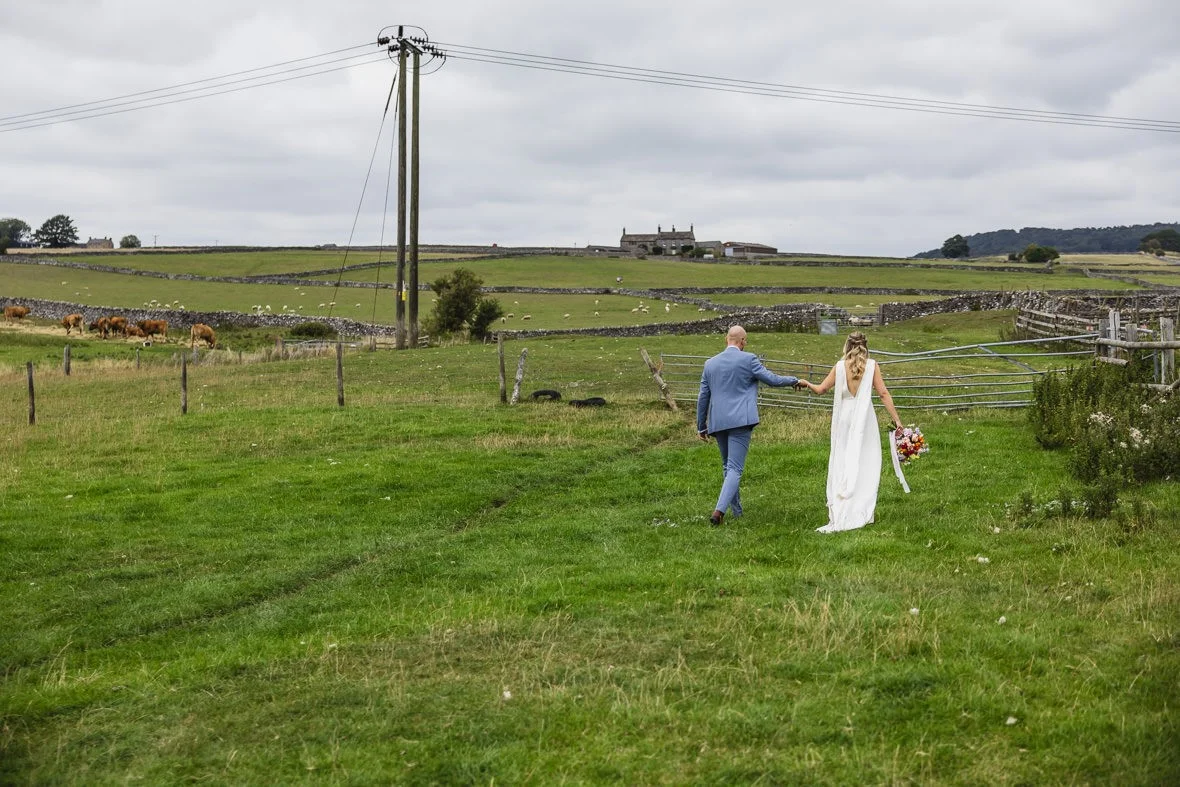
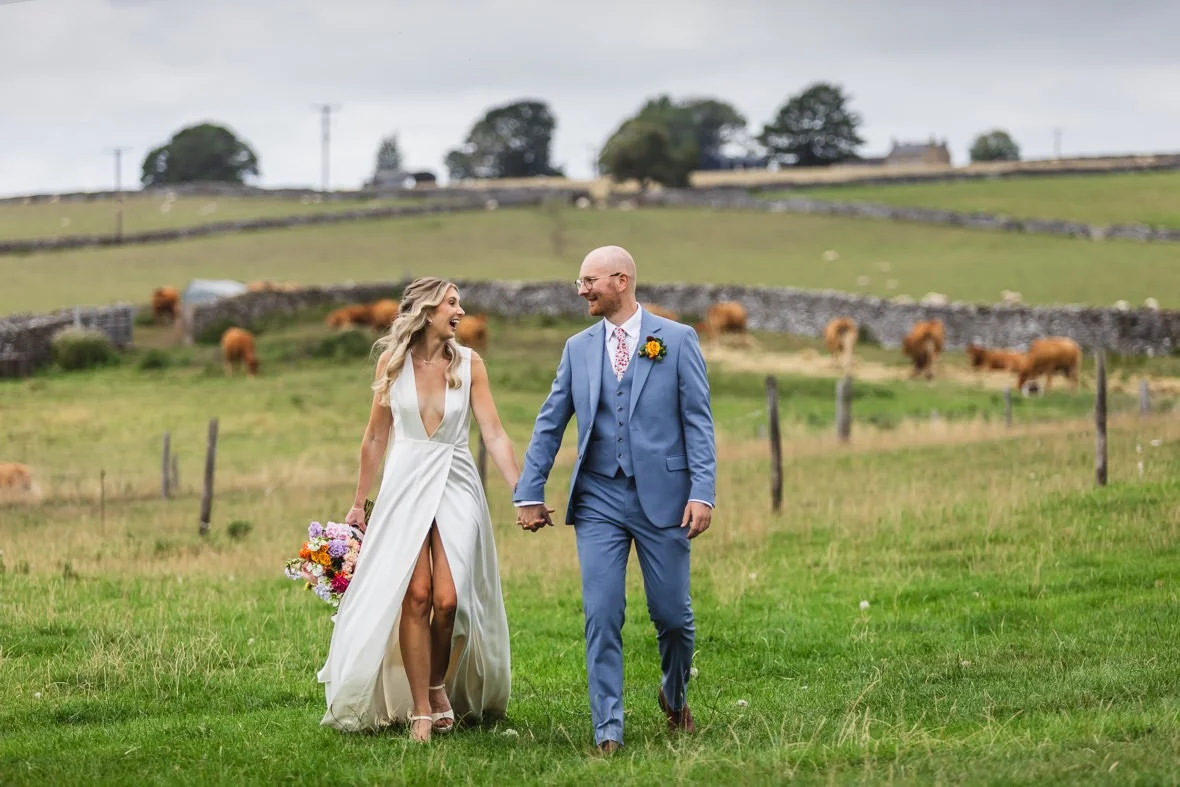
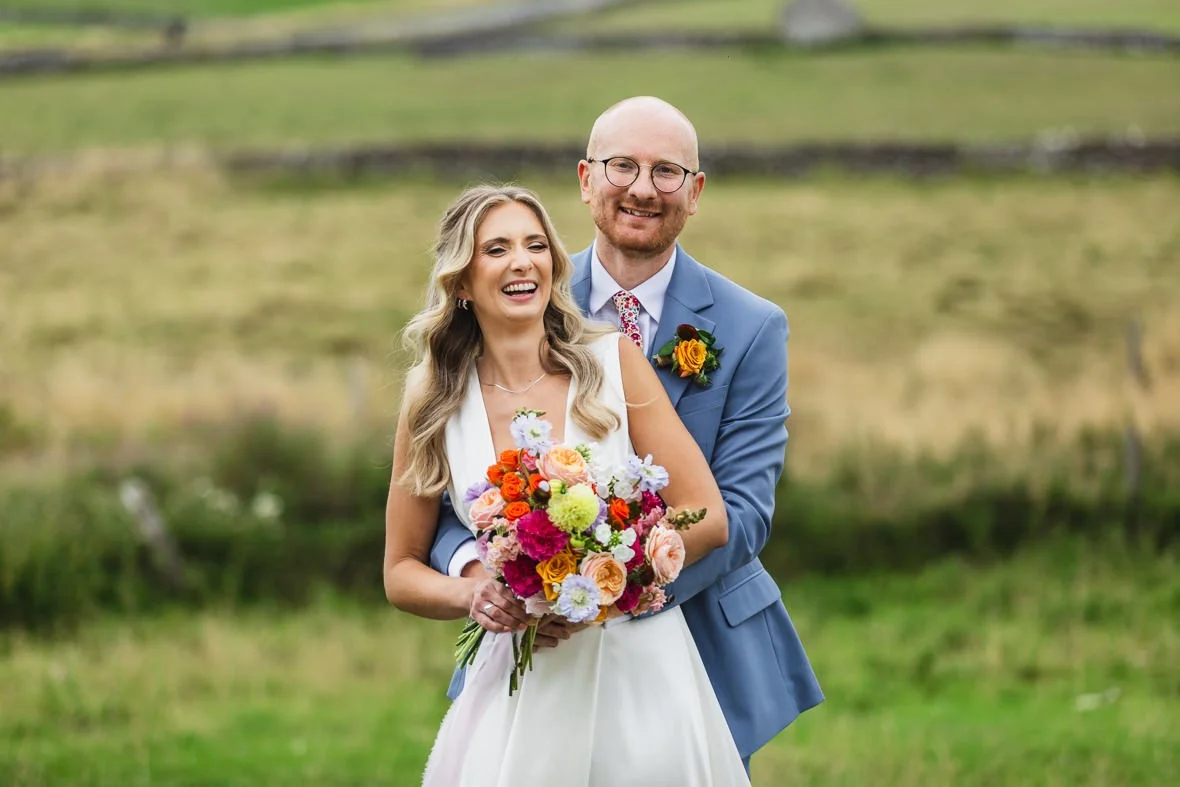
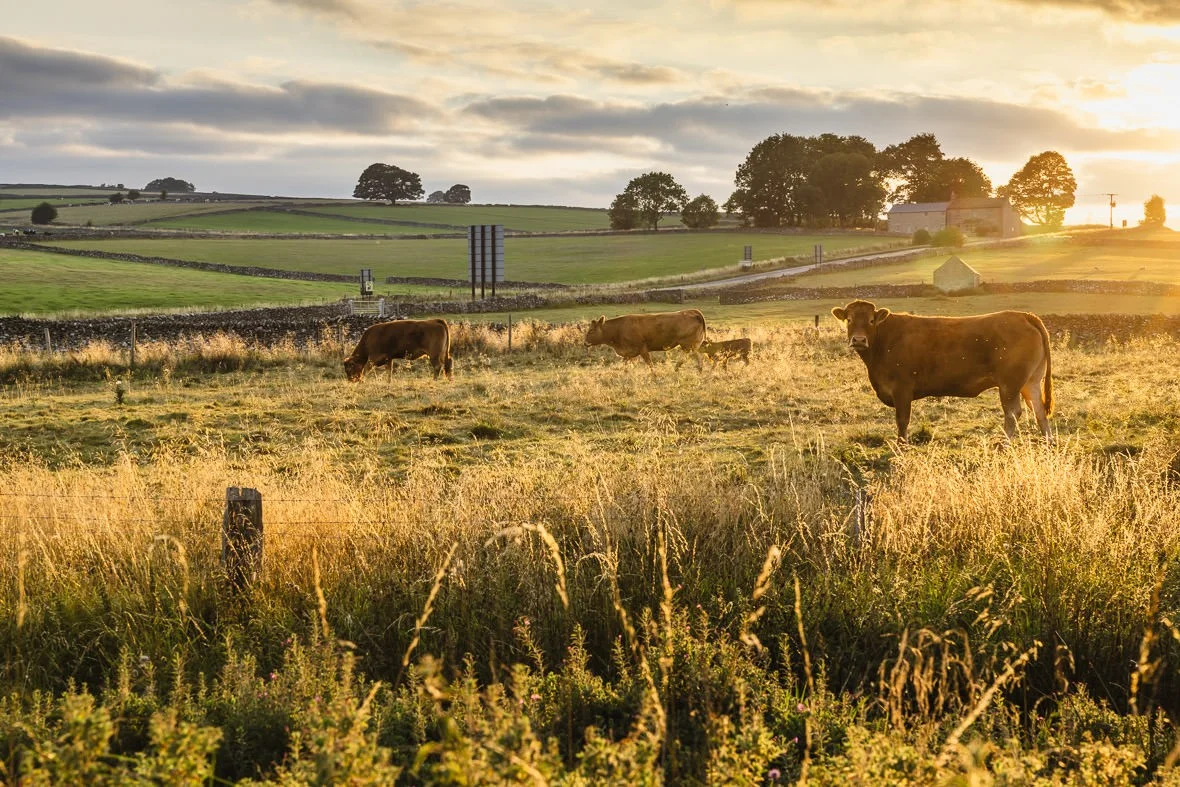
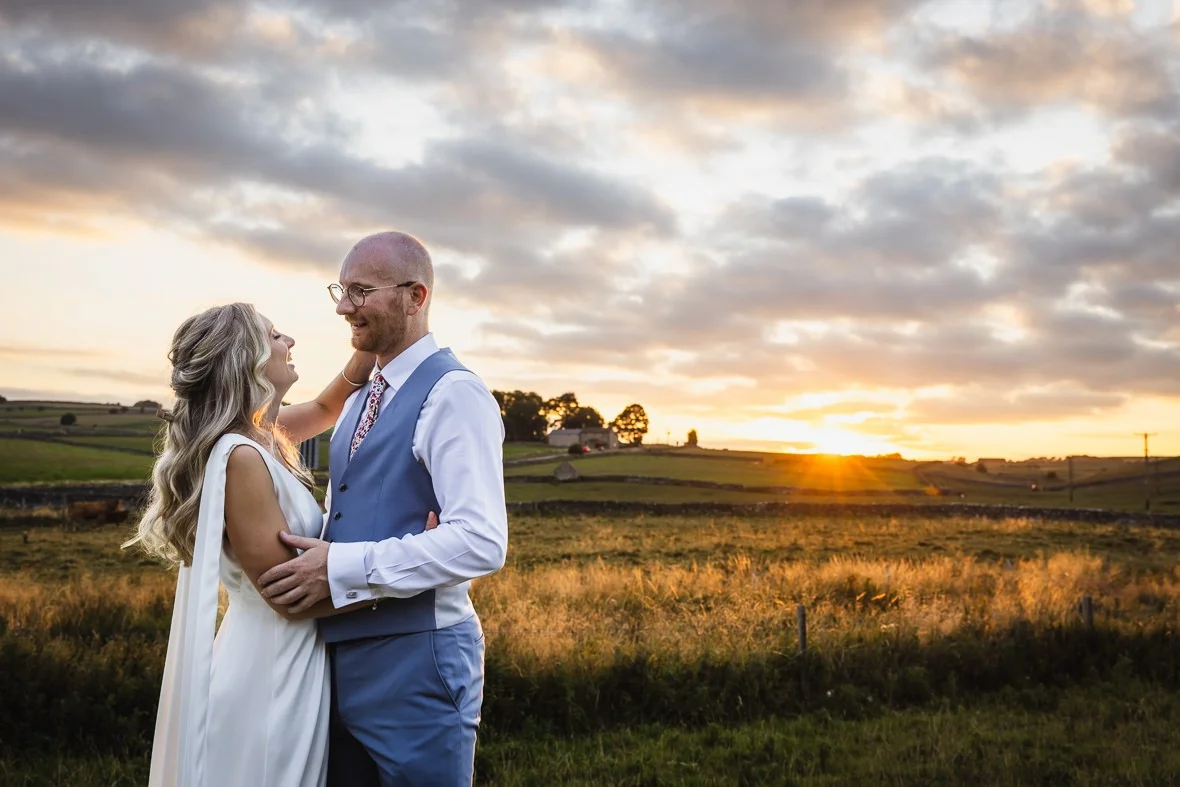
Some venues do half the photographer's job before the first frame goes off. Jenny and Tom's wedding at the Peak District Holiday Barn in Derbyshire is a good example. Open countryside, stone walls, hills on the horizon and a relaxed venue give Mark Tierney, the Yorkshire-based contemporary wedding photographer behind the coverage, a lot to work with. The interesting part is how little the day needed to be dressed up to hold together.

Getting ready and the reveal
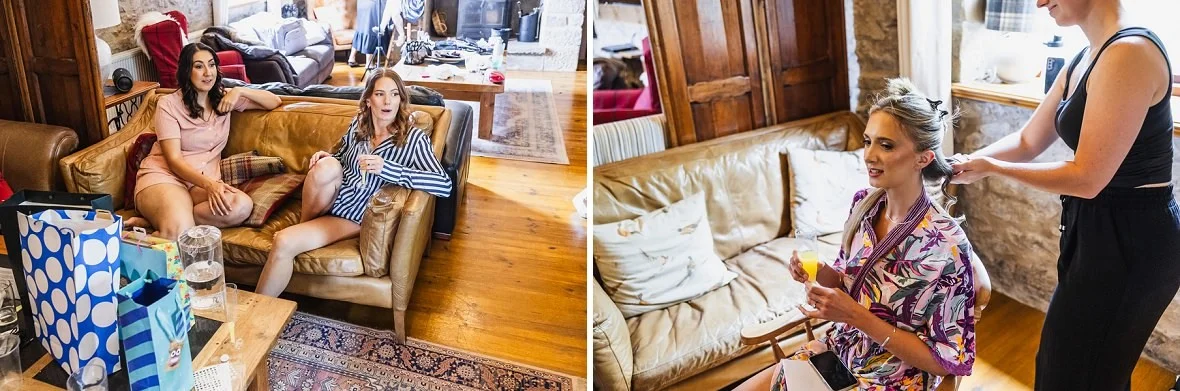
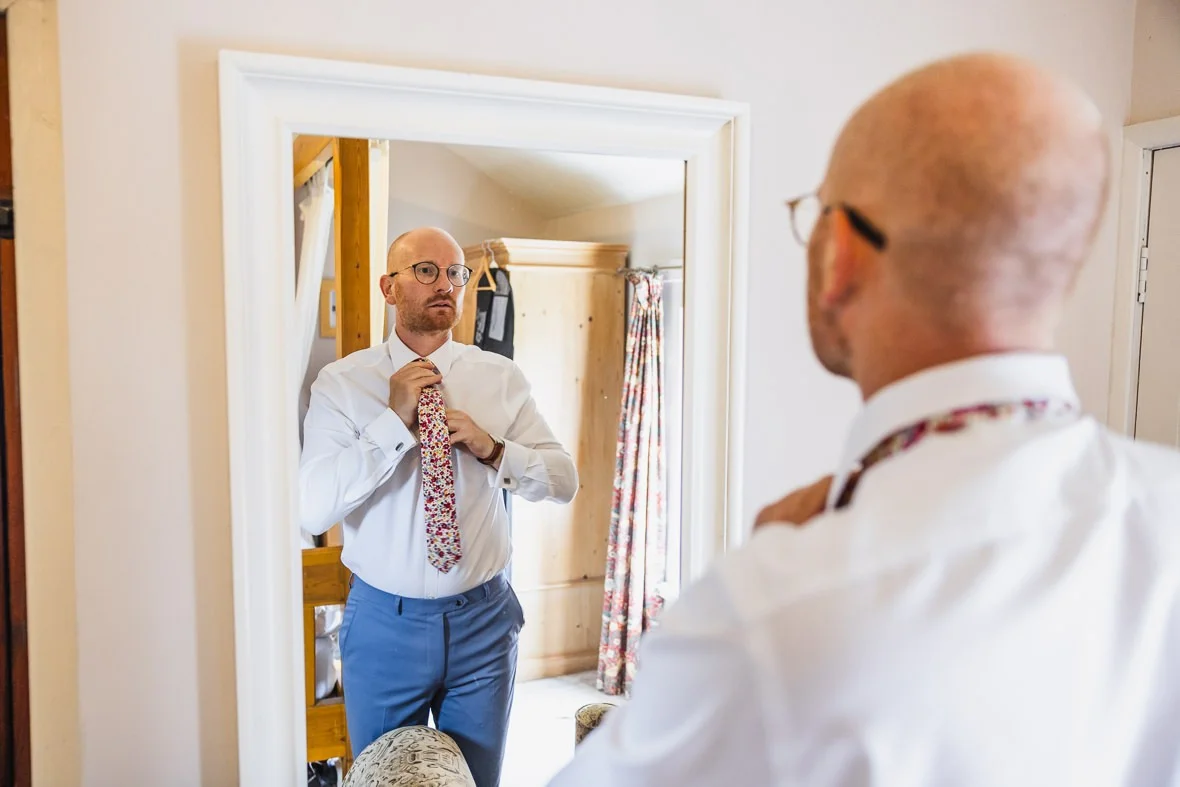
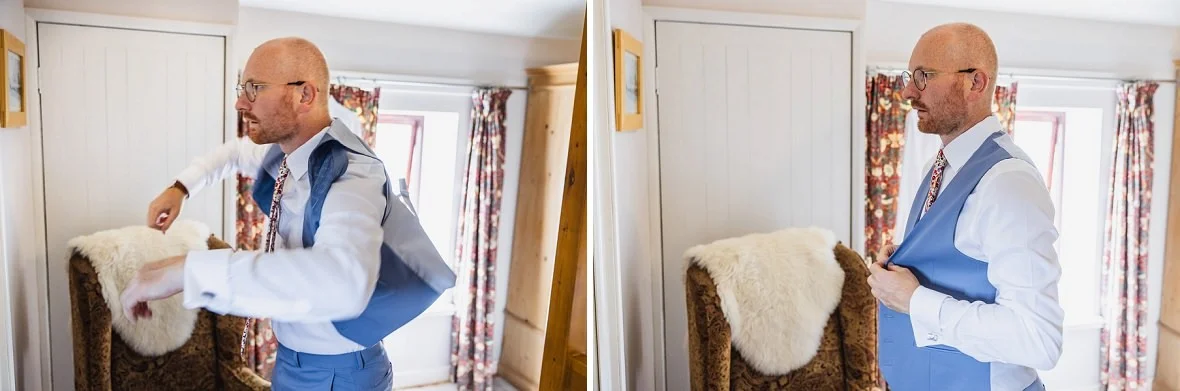
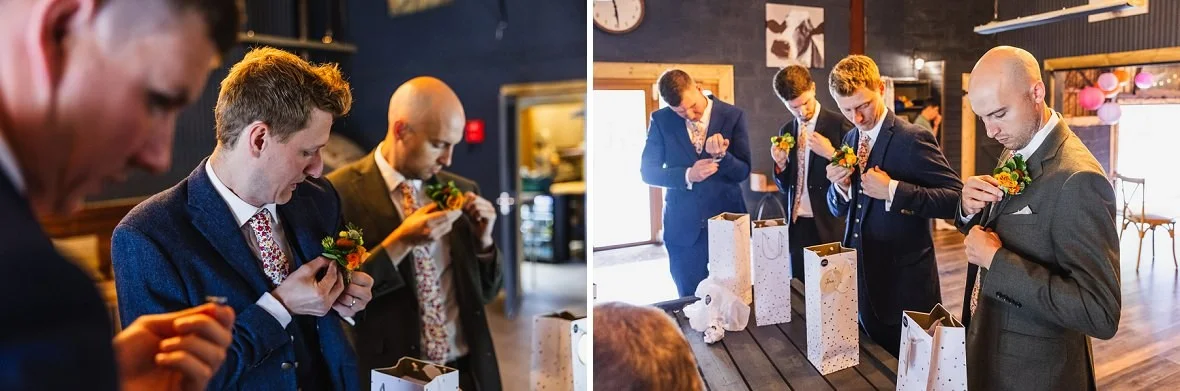
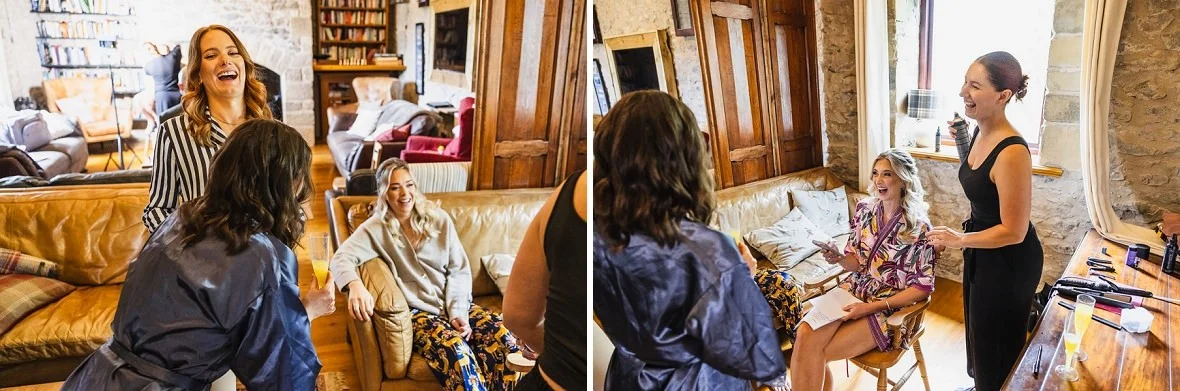
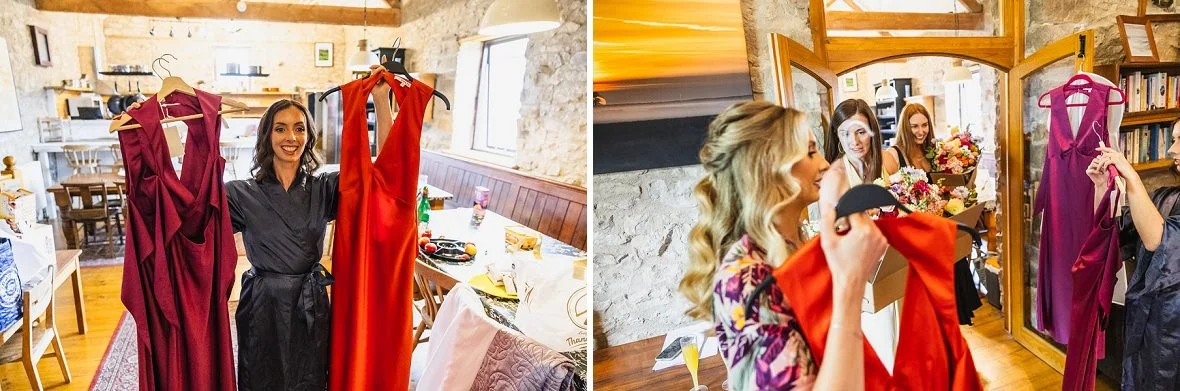
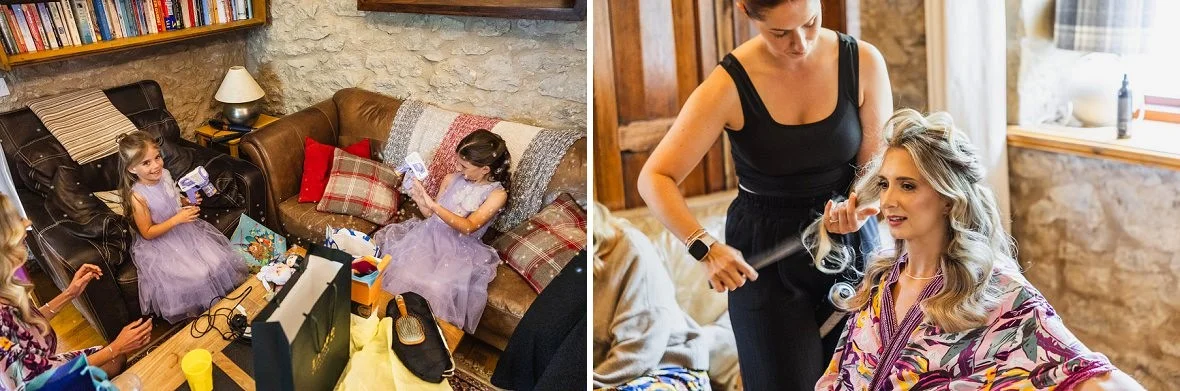
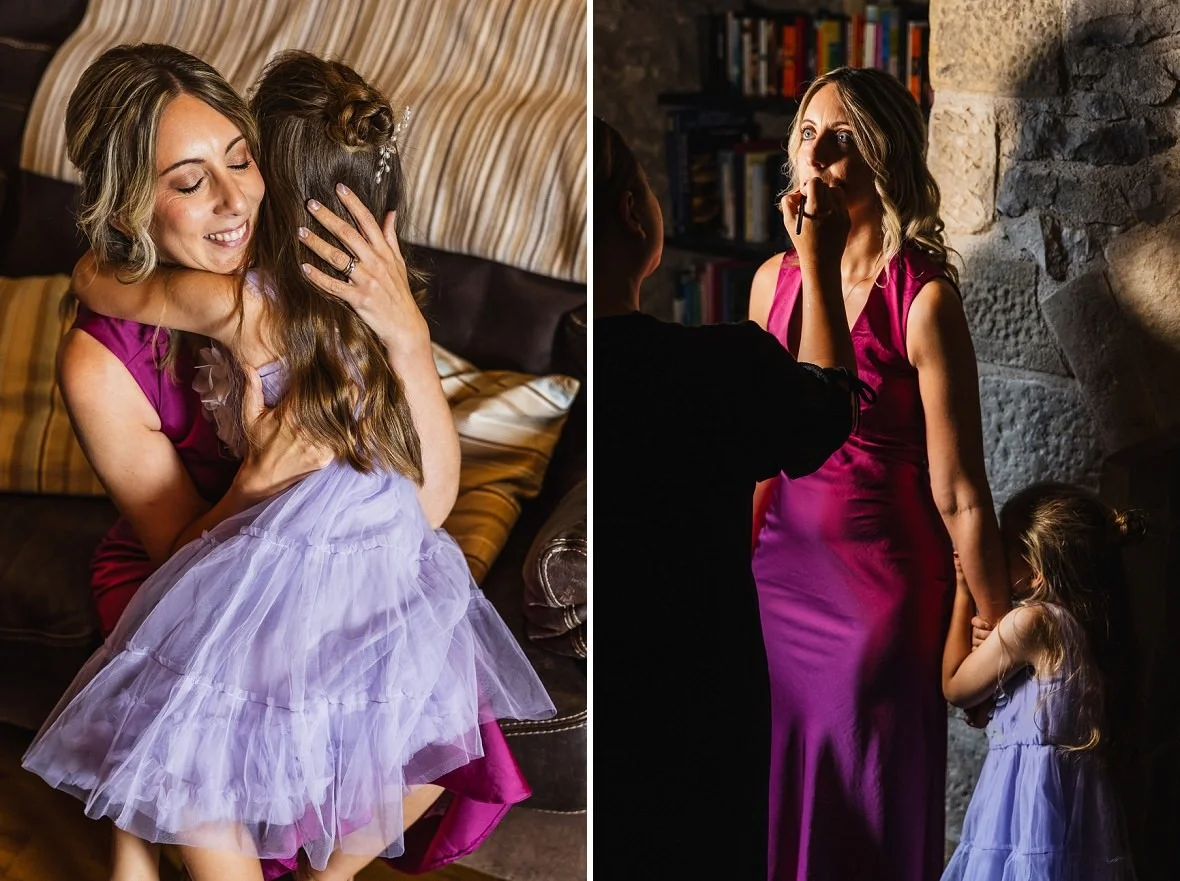
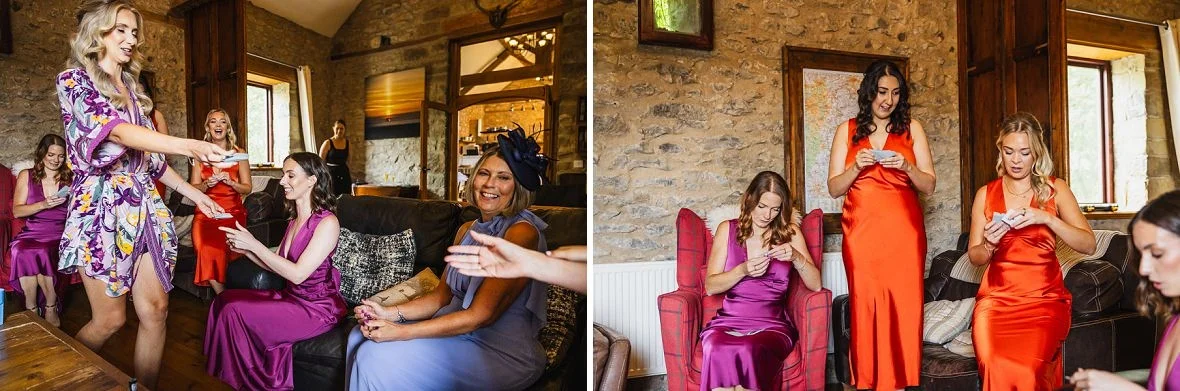
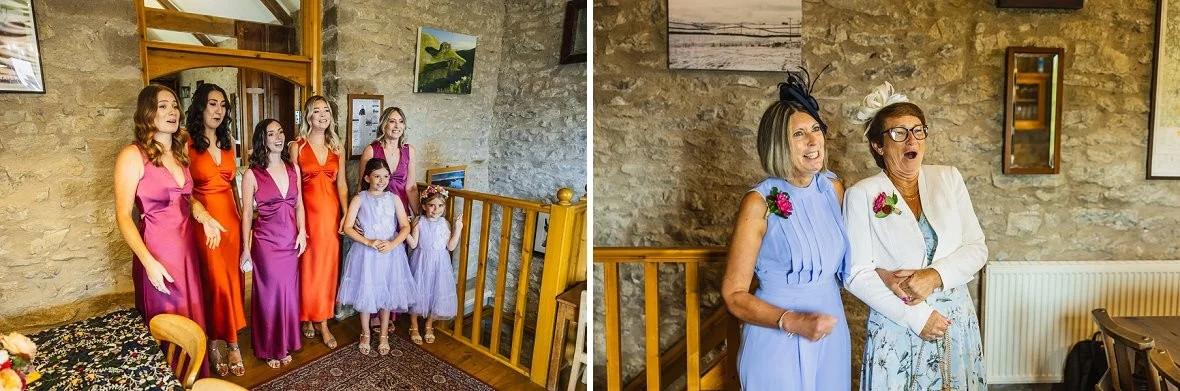
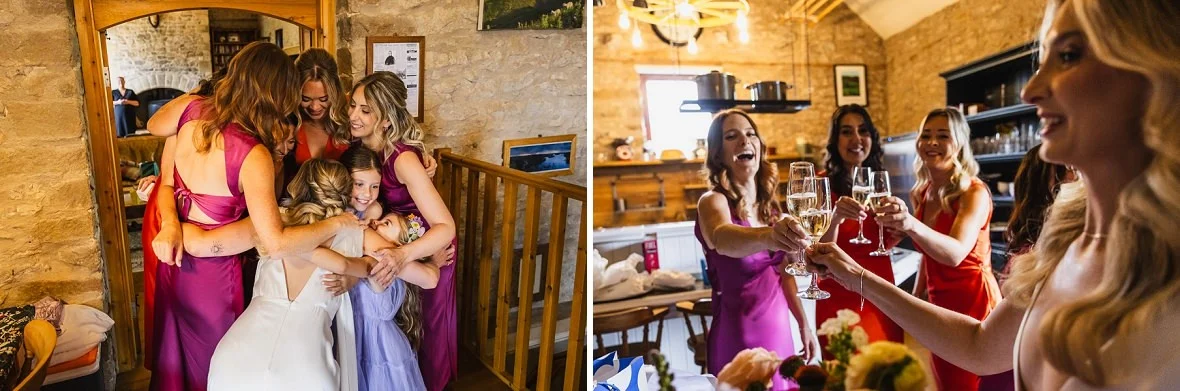
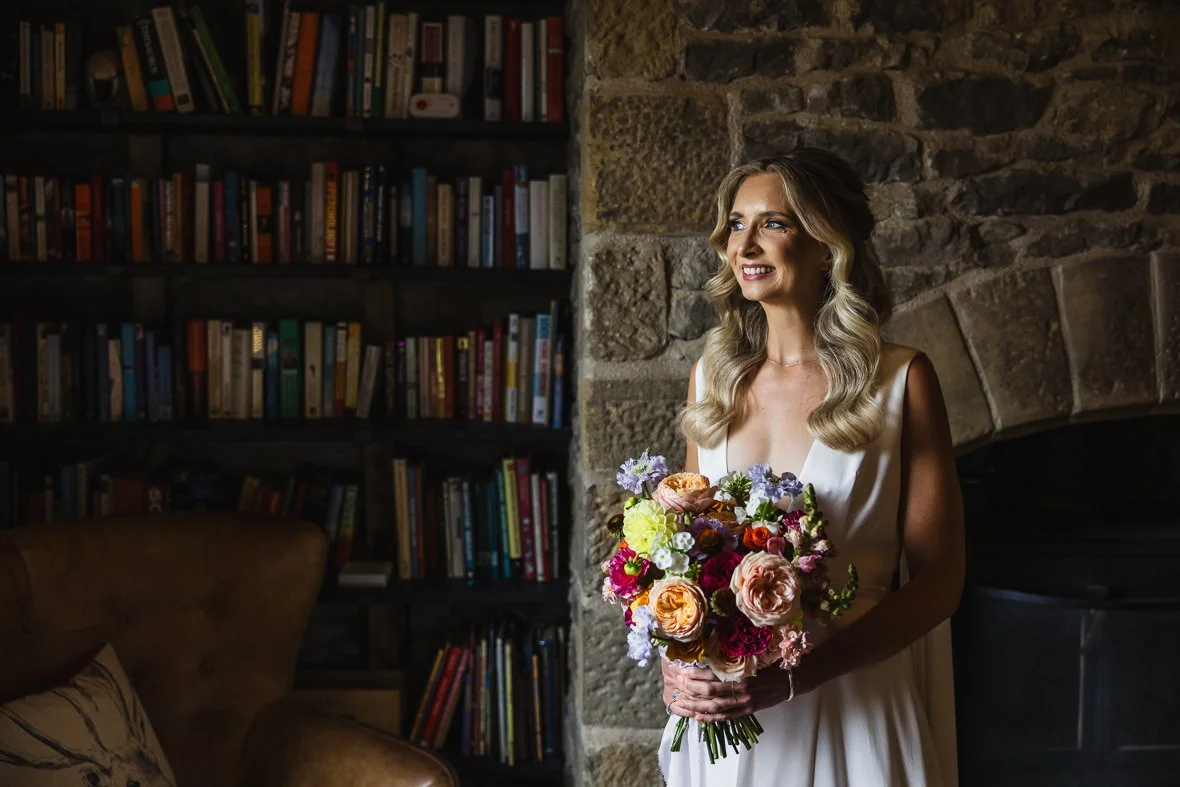
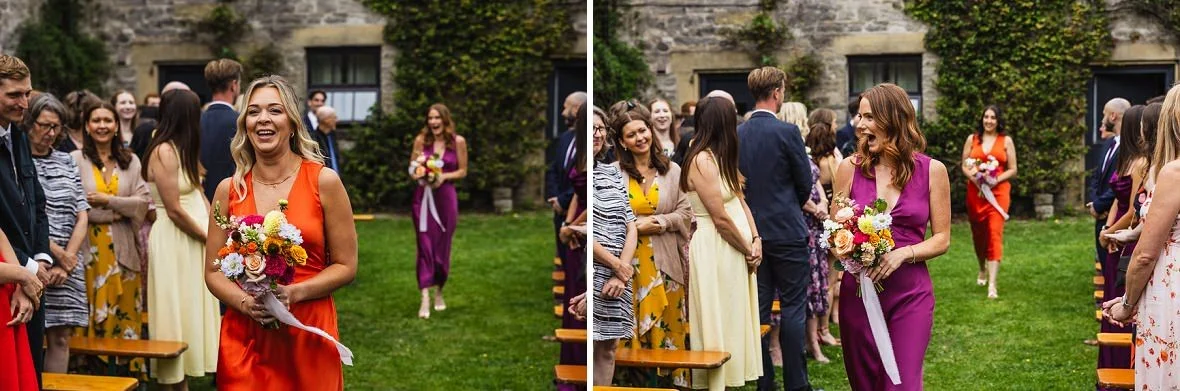
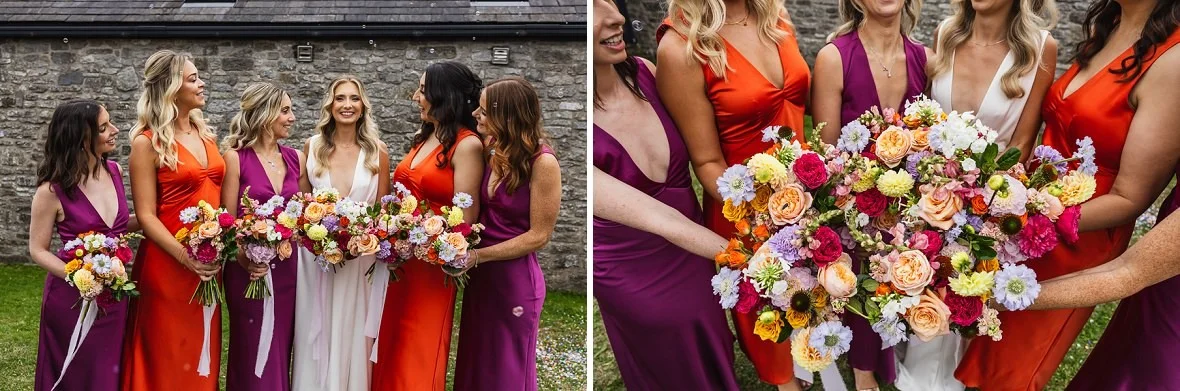
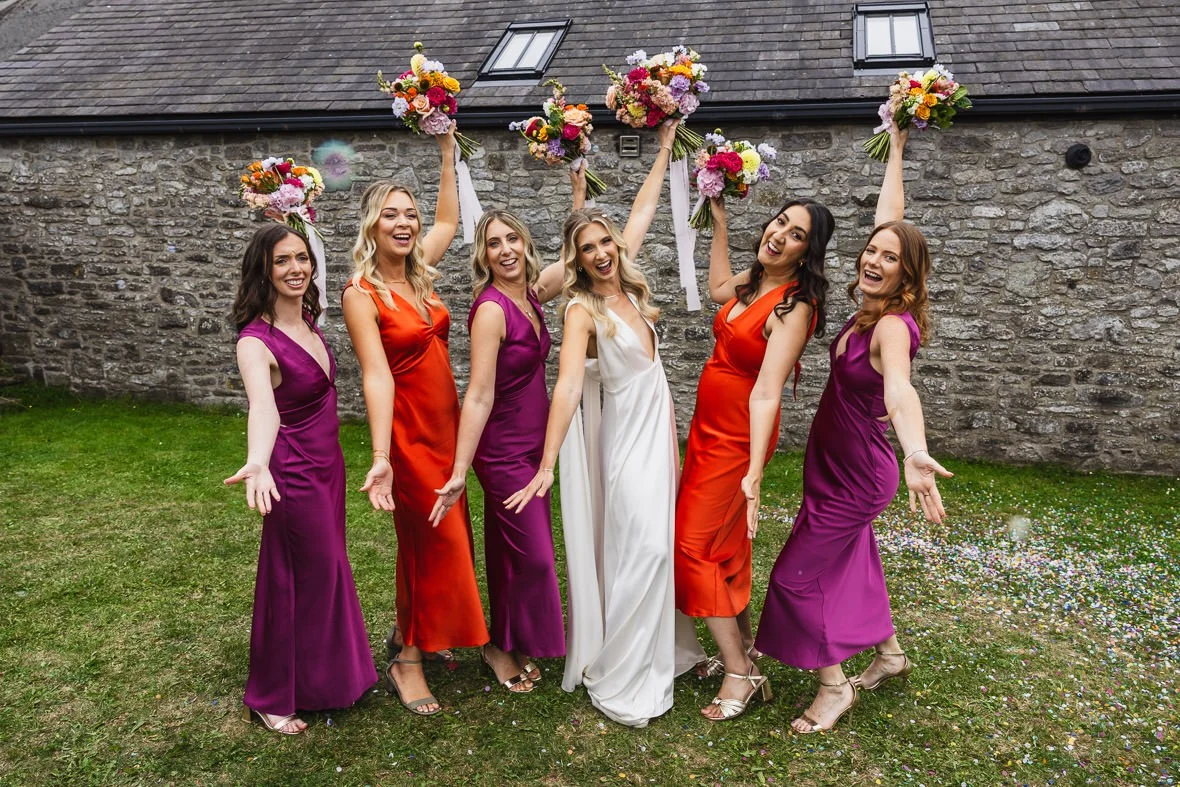
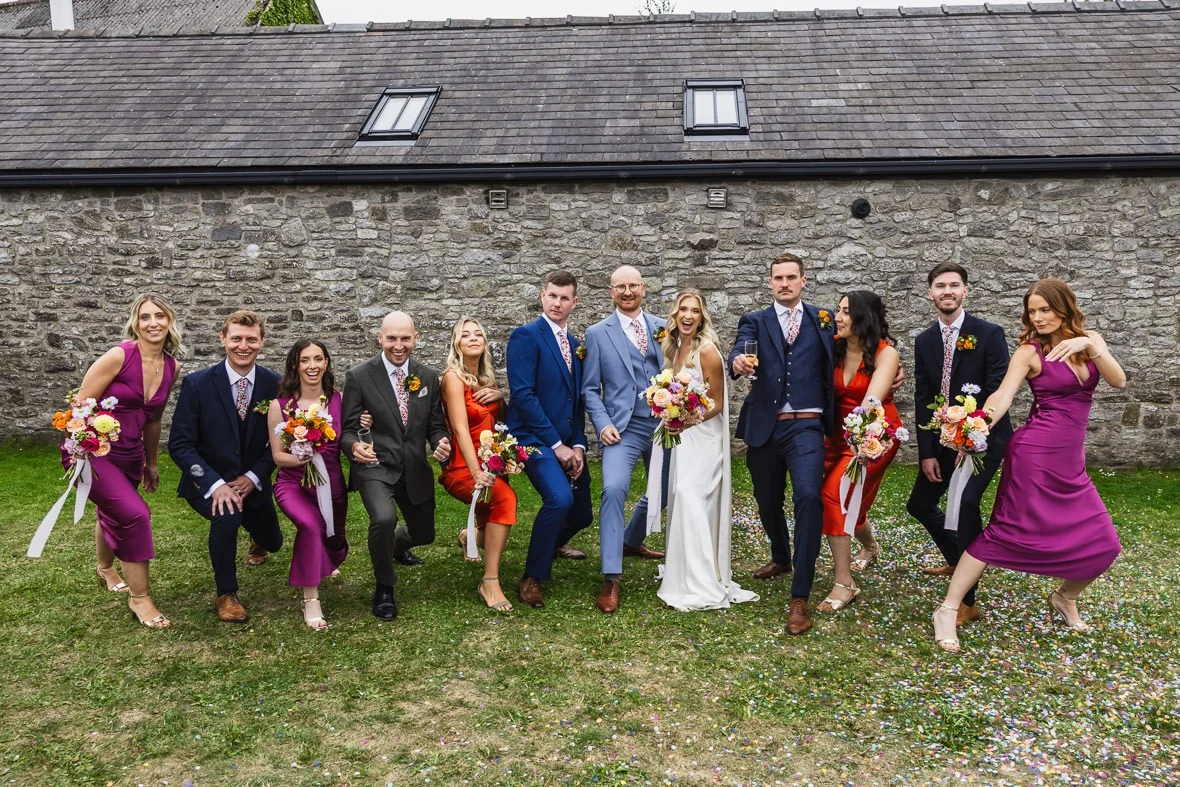
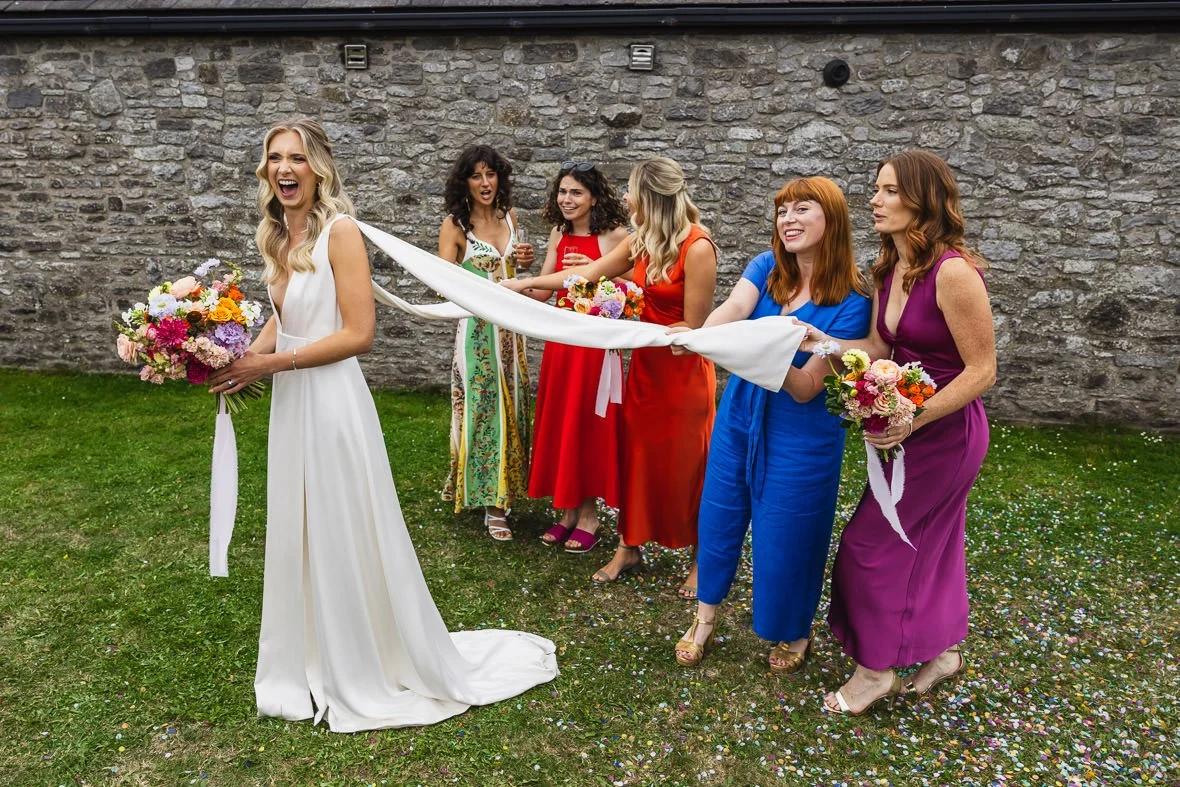
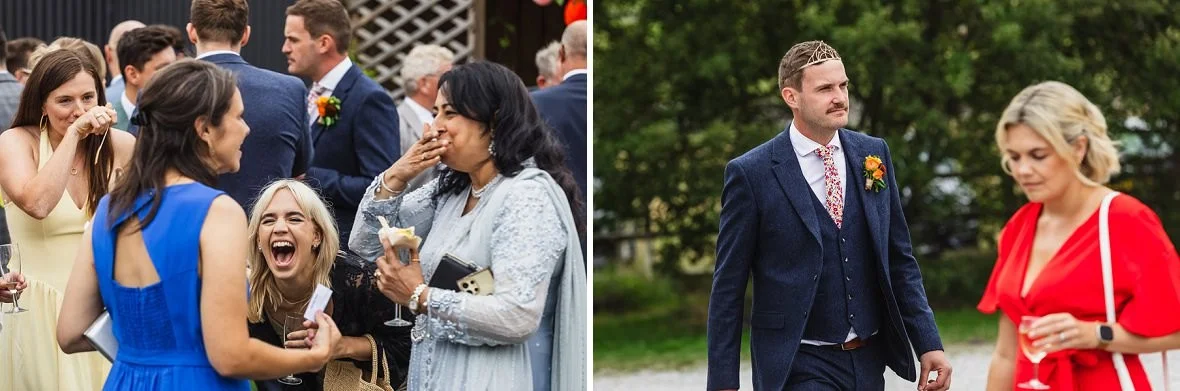
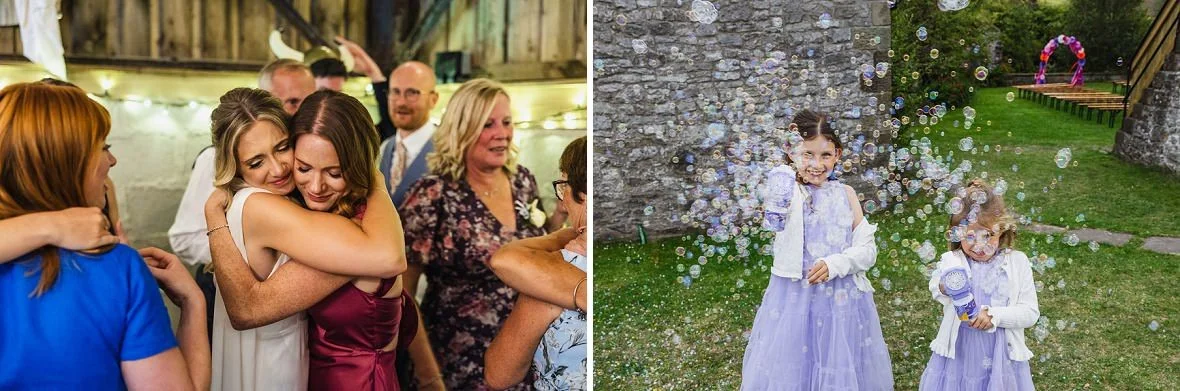
The morning ran on the familiar mix of nerves and banter, with bridesmaids in bold colours getting ready inside the barn. For a photographer, that stretch is useful. Bright colour, moving people and a room that's constantly changing give you plenty of reasons to work in tight, quick sequences. Keep the bridesmaids' outfits as the palette, look for the reflected light from windows across faces and fabric, and stay close enough to catch the small interactions that happen between the frames you're planning.
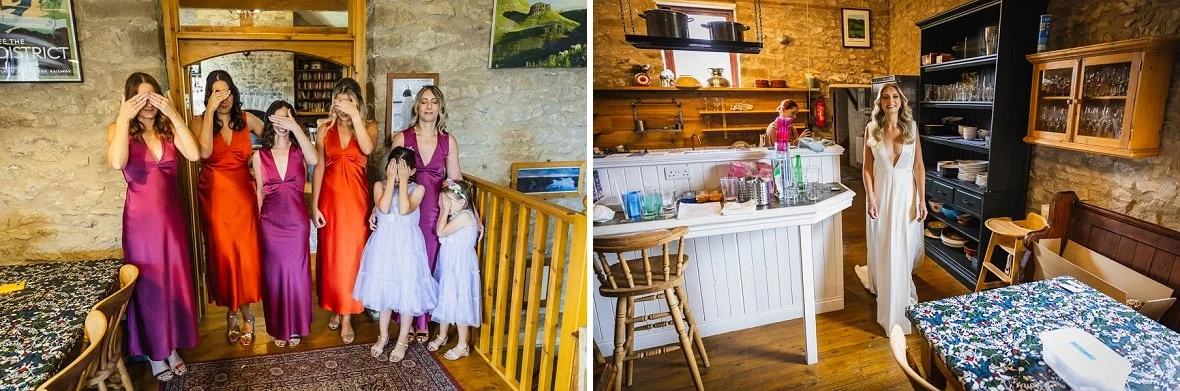
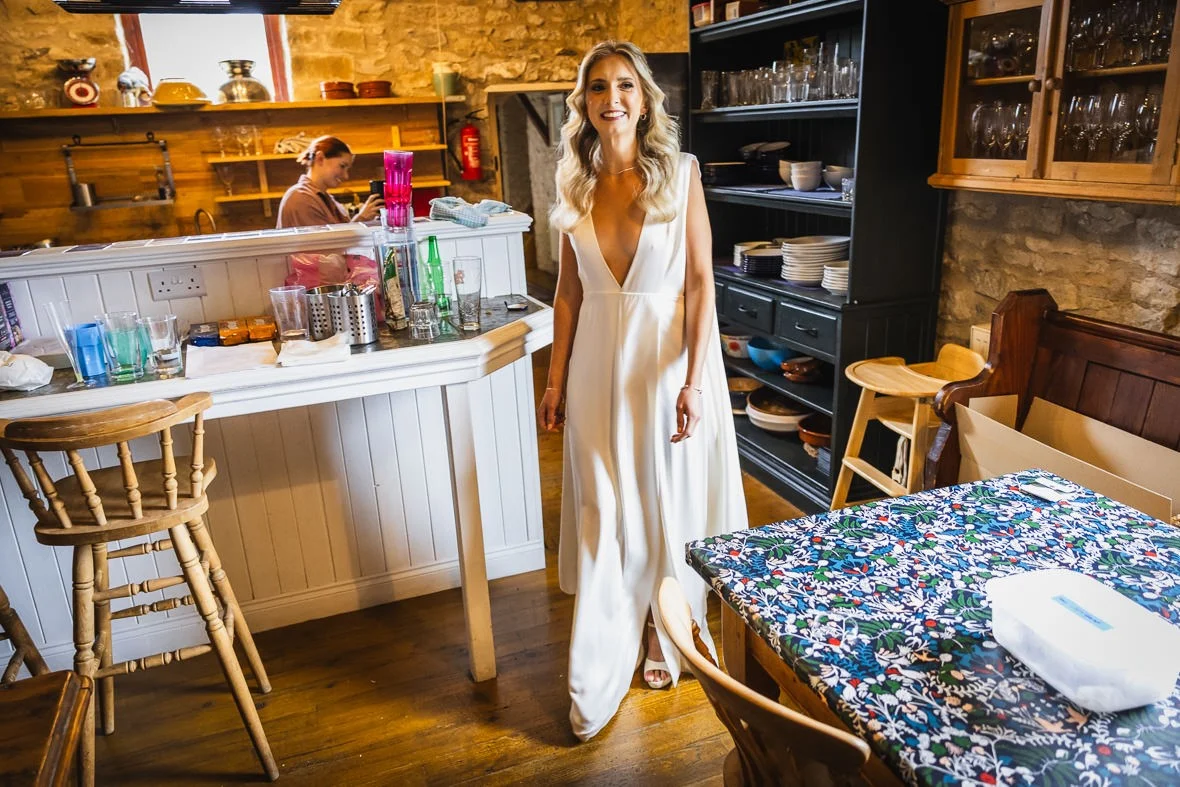
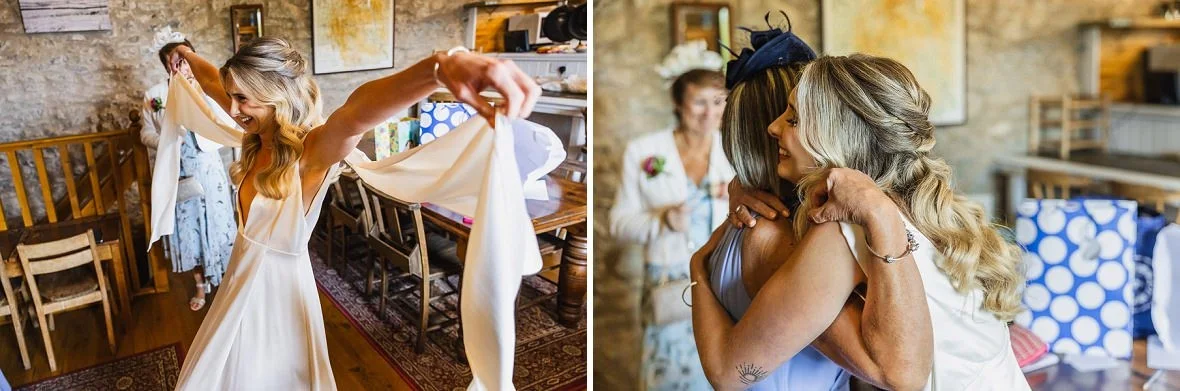
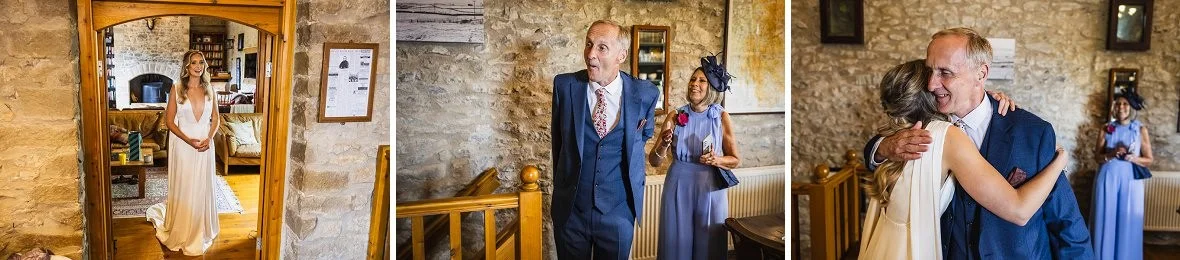
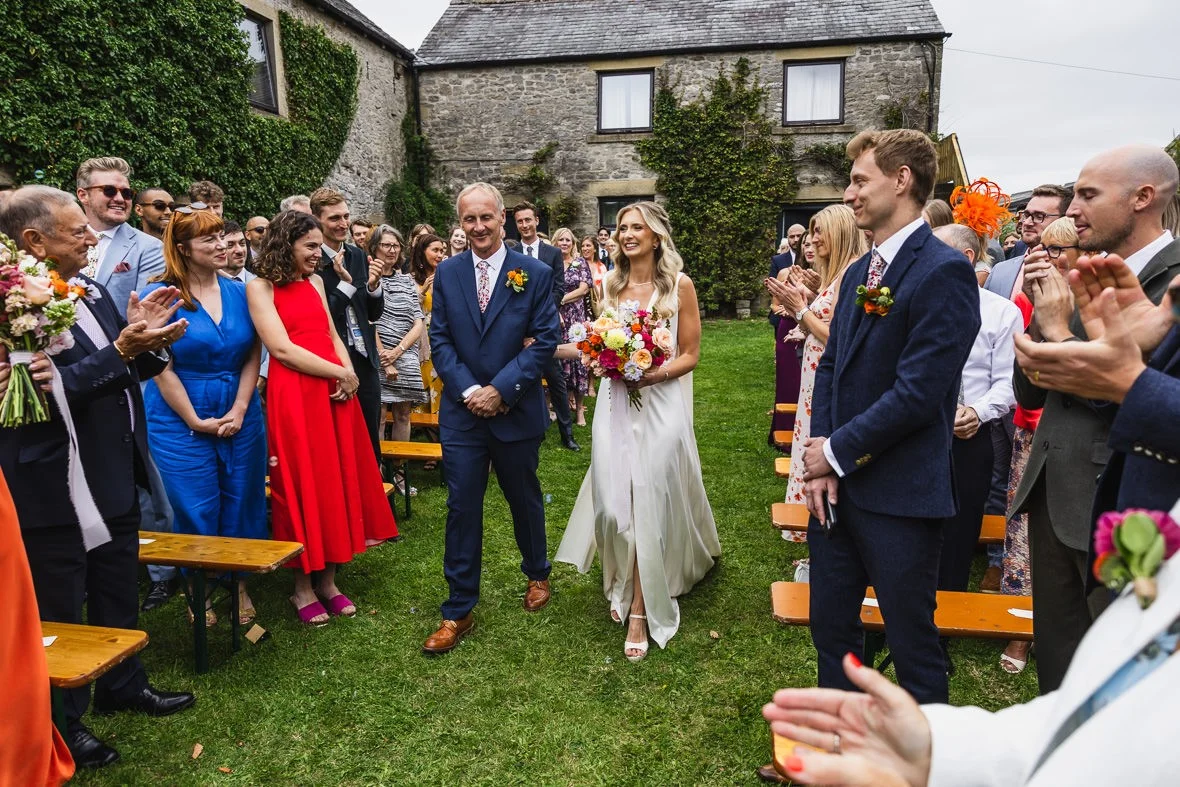
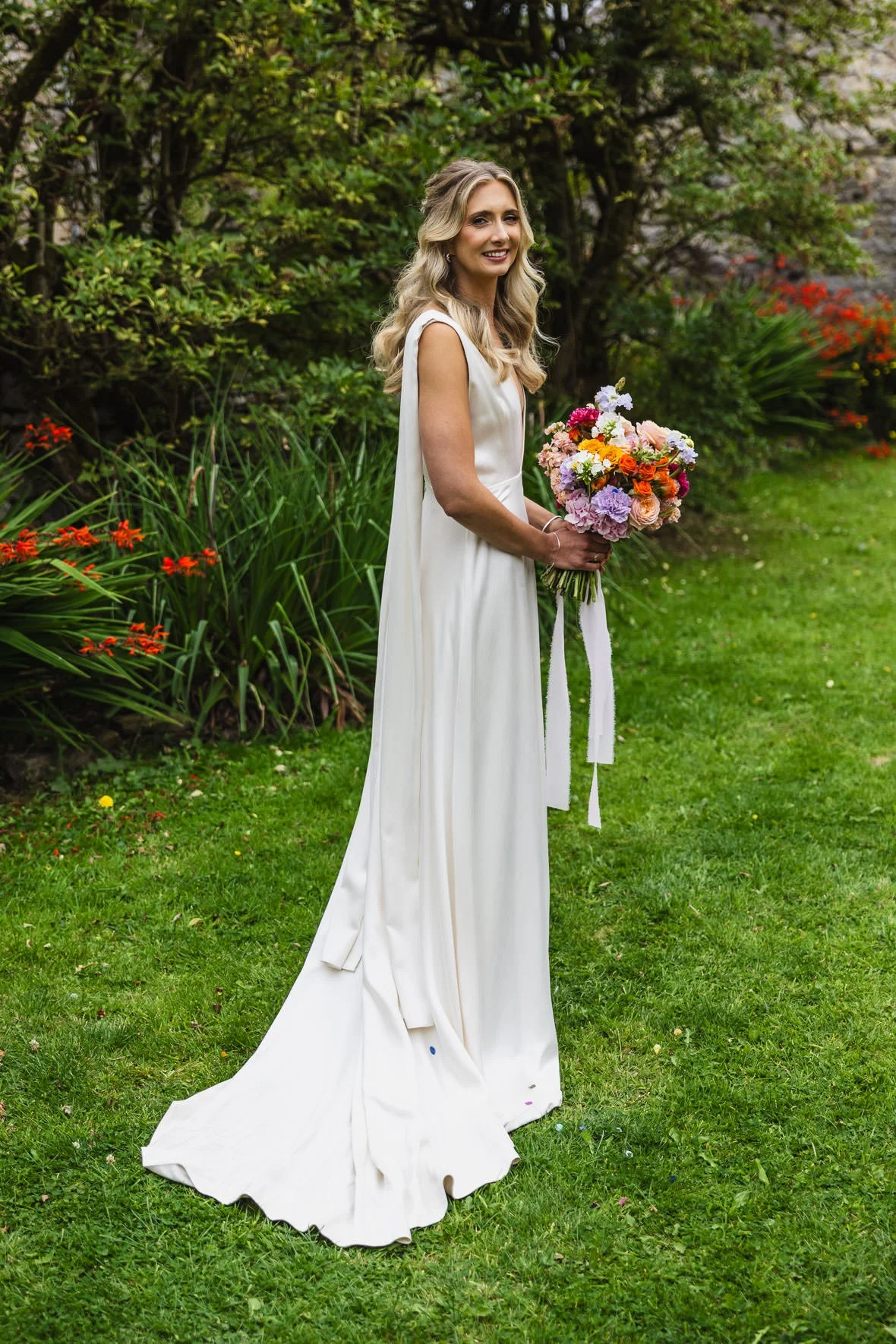
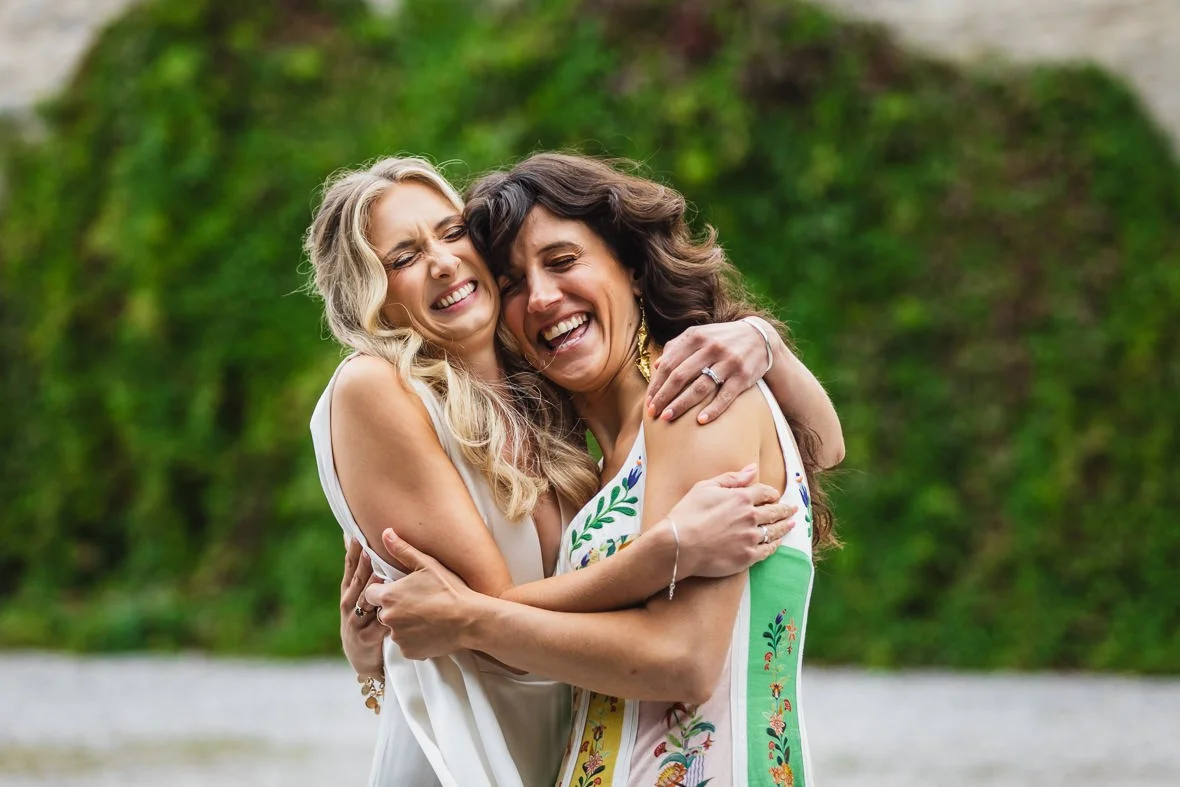
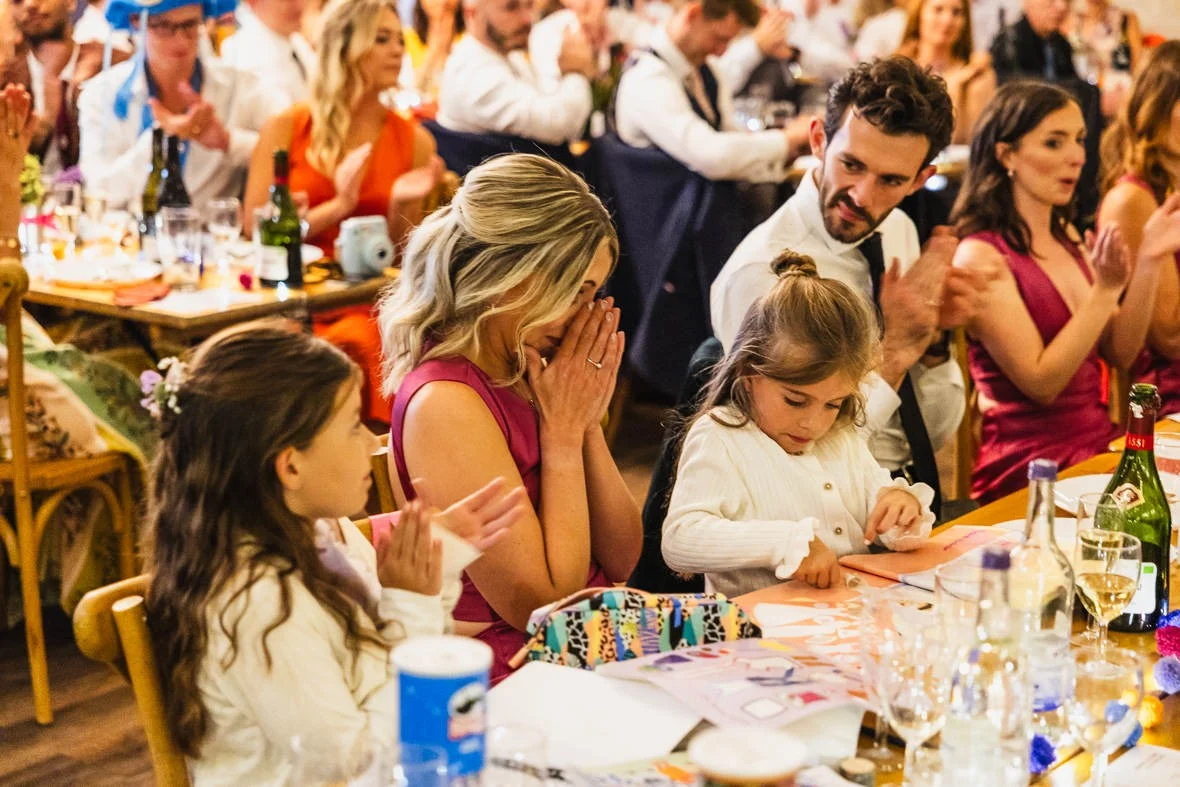
The reveal is where timing counts. When Jenny walked in, the room reacted with real, unscripted responses from people who have known her for years. Those moments tend to come quickly. Position yourself so you can see both the bride and the faces of the people reacting to her, because the reaction shot often tells more than the bride's pose. If you can, keep a wider frame running as well as a tighter one. You'll want the room for context and the close shot for the emotion, and you won't get a second go at the first look.
The outdoor ceremony against the hills
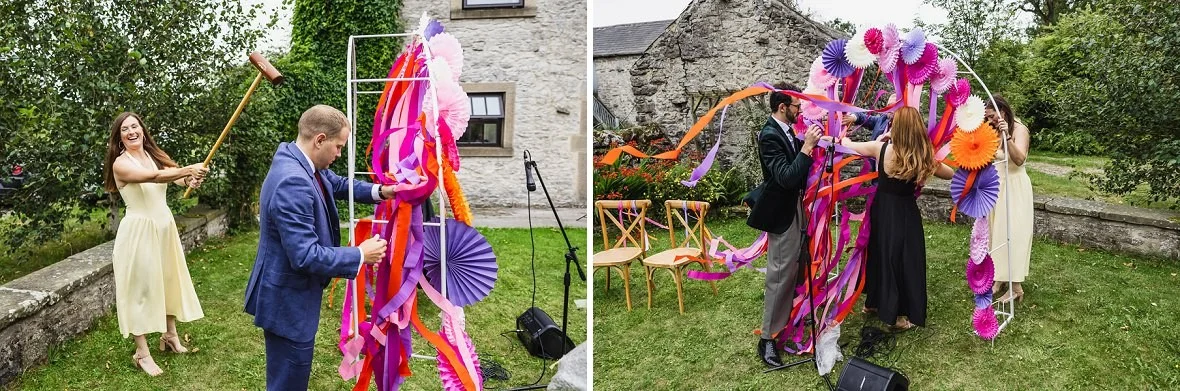
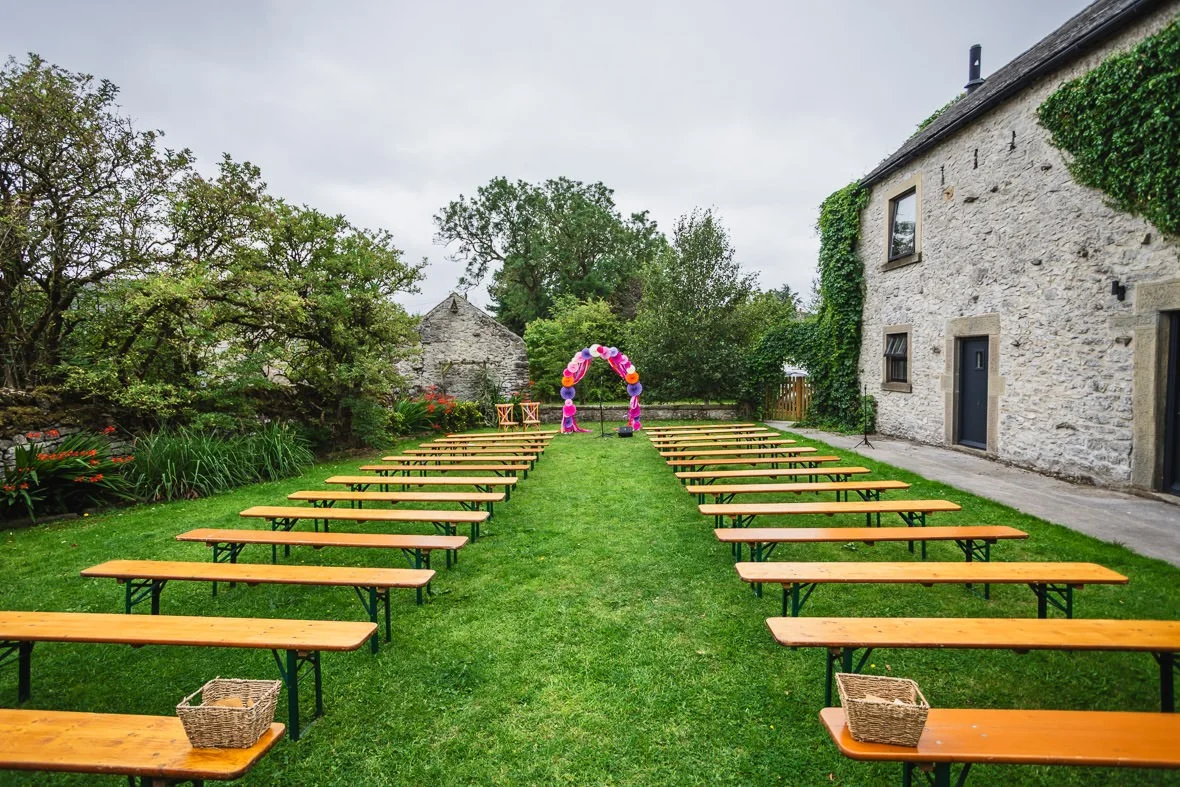
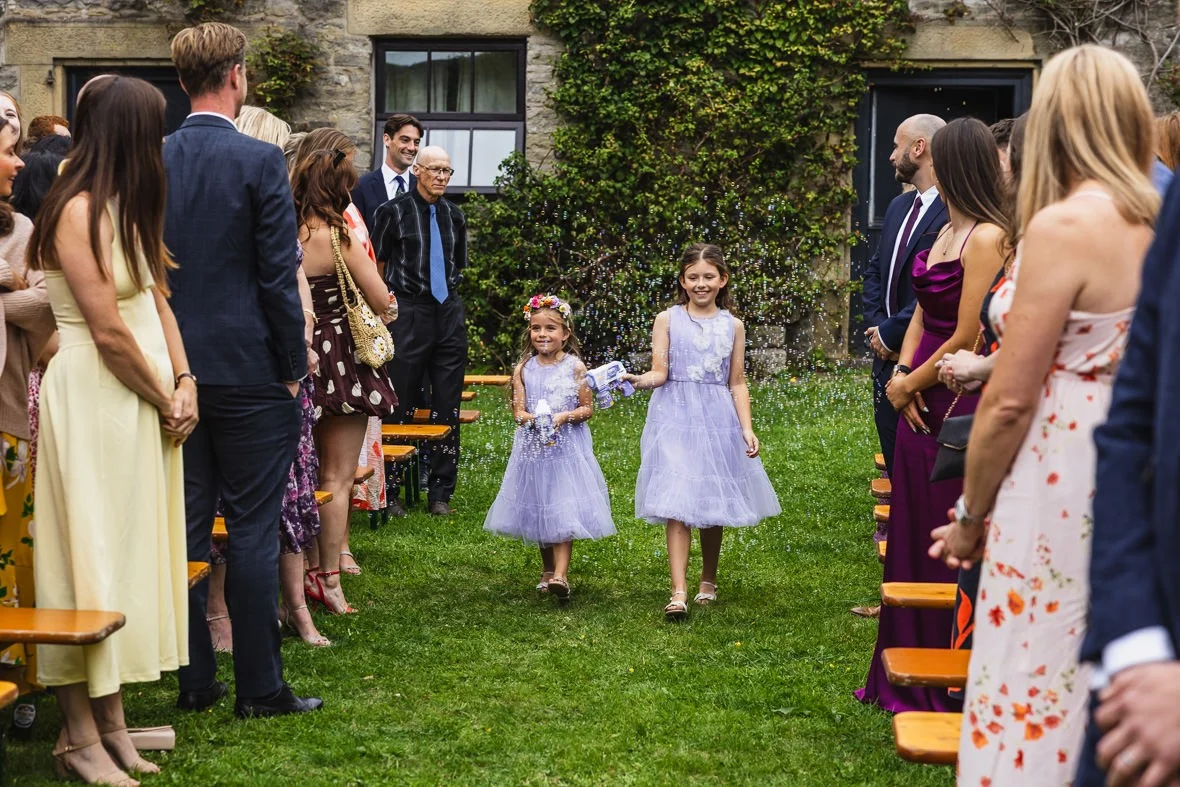
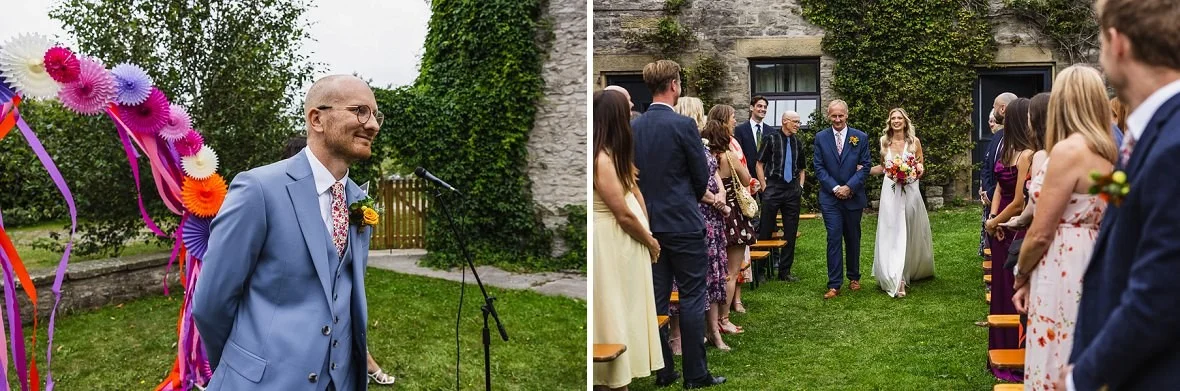
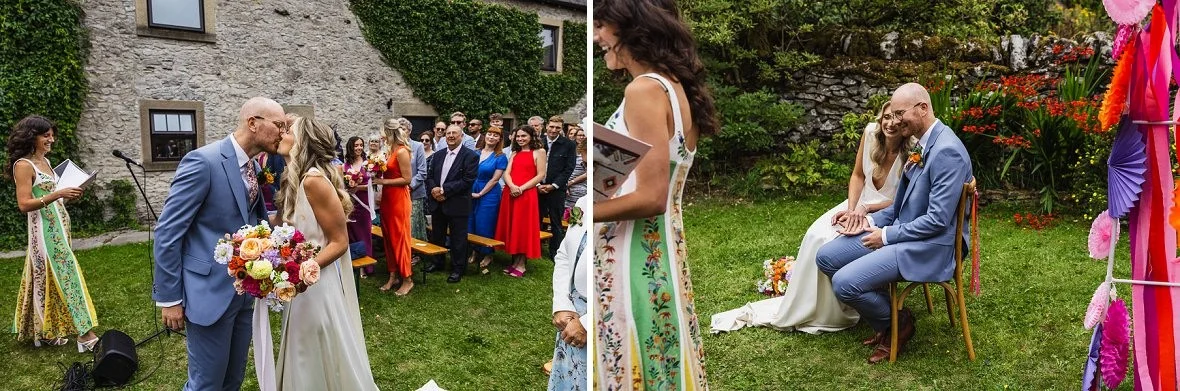
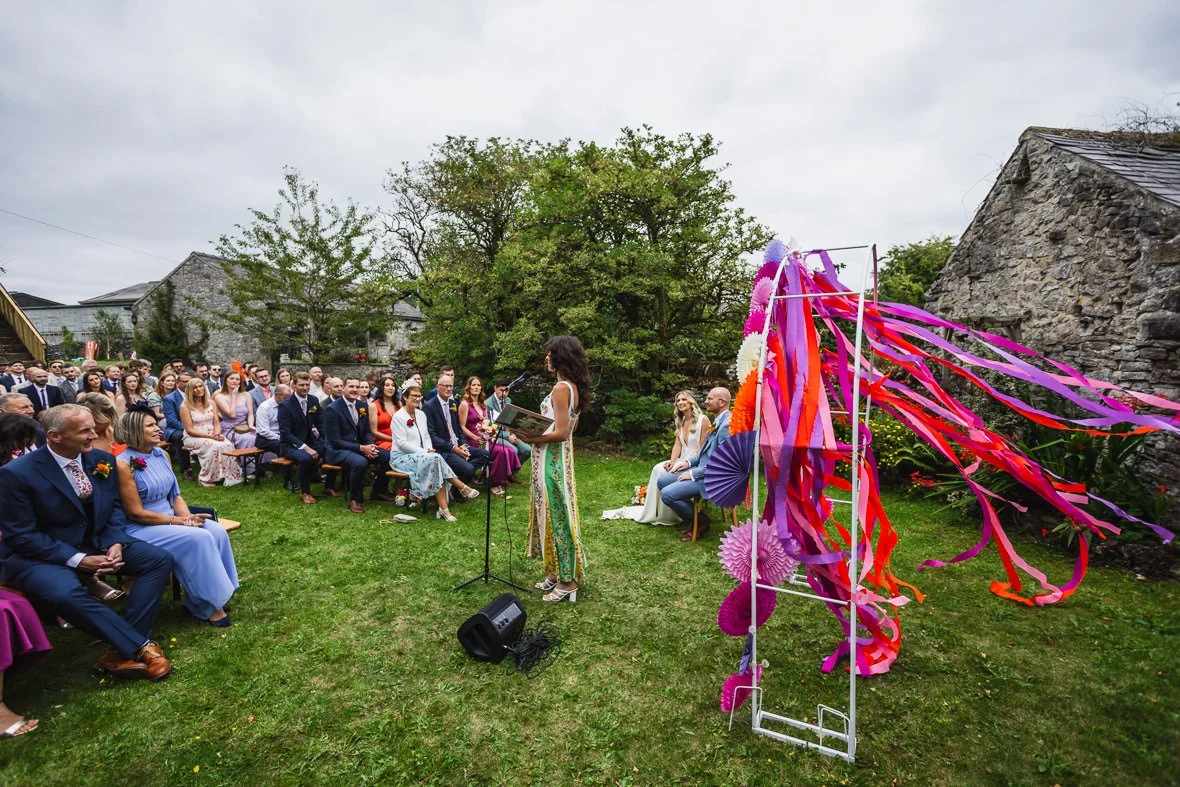
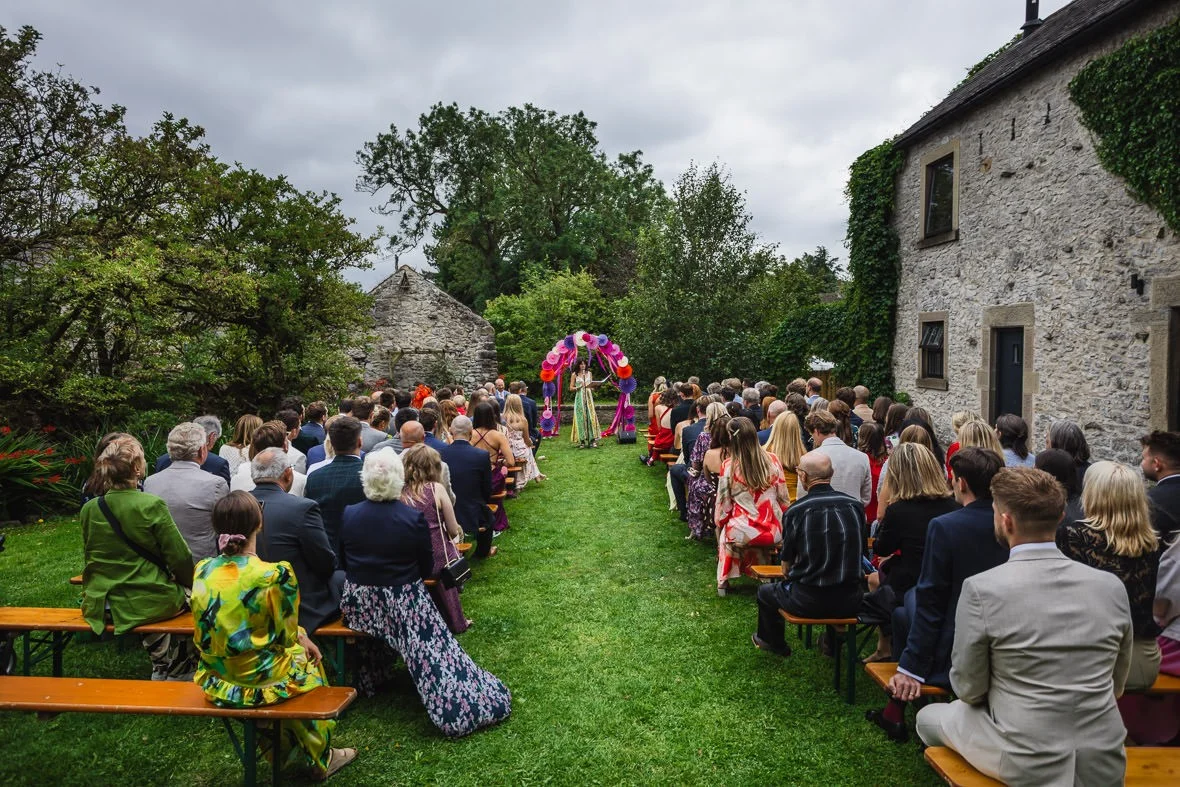
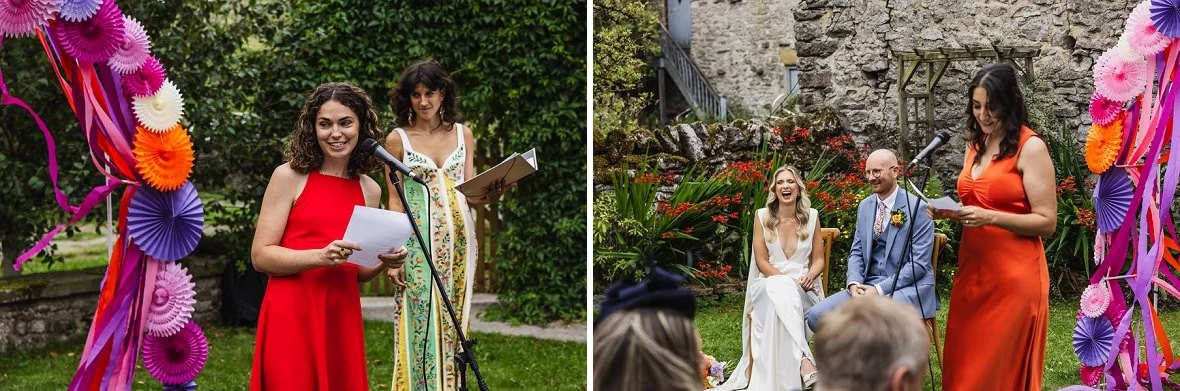
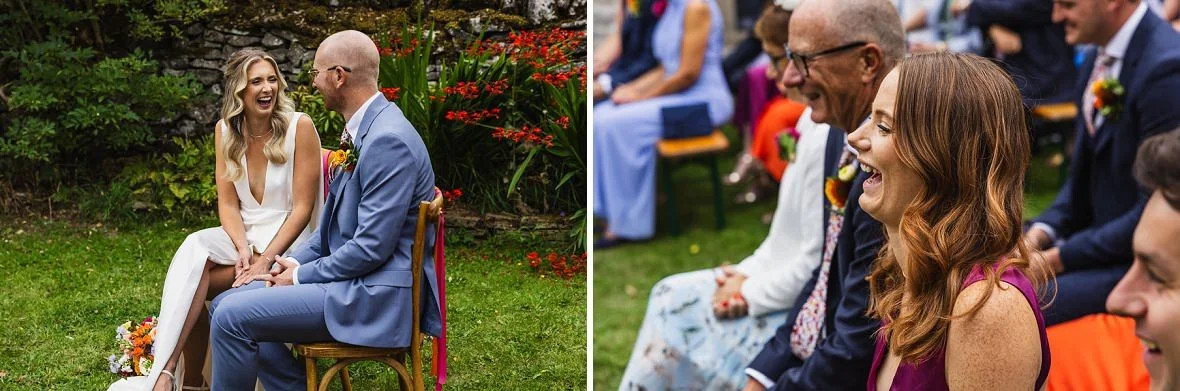
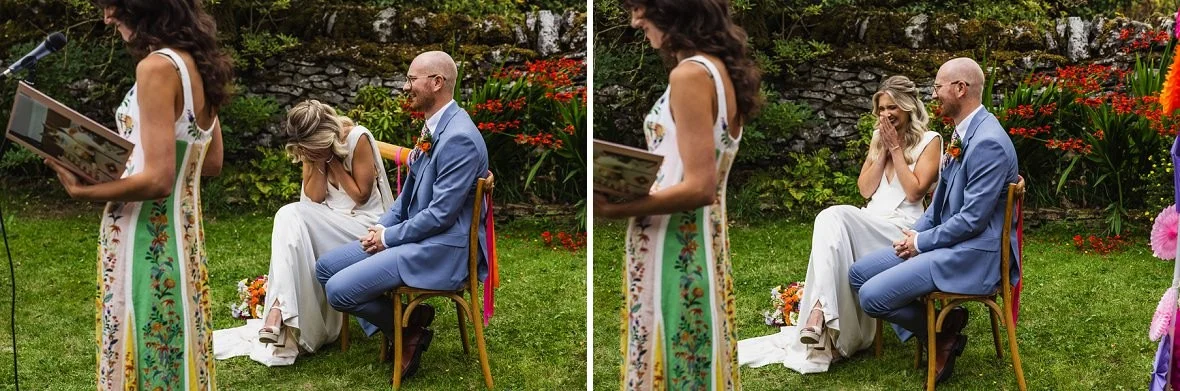
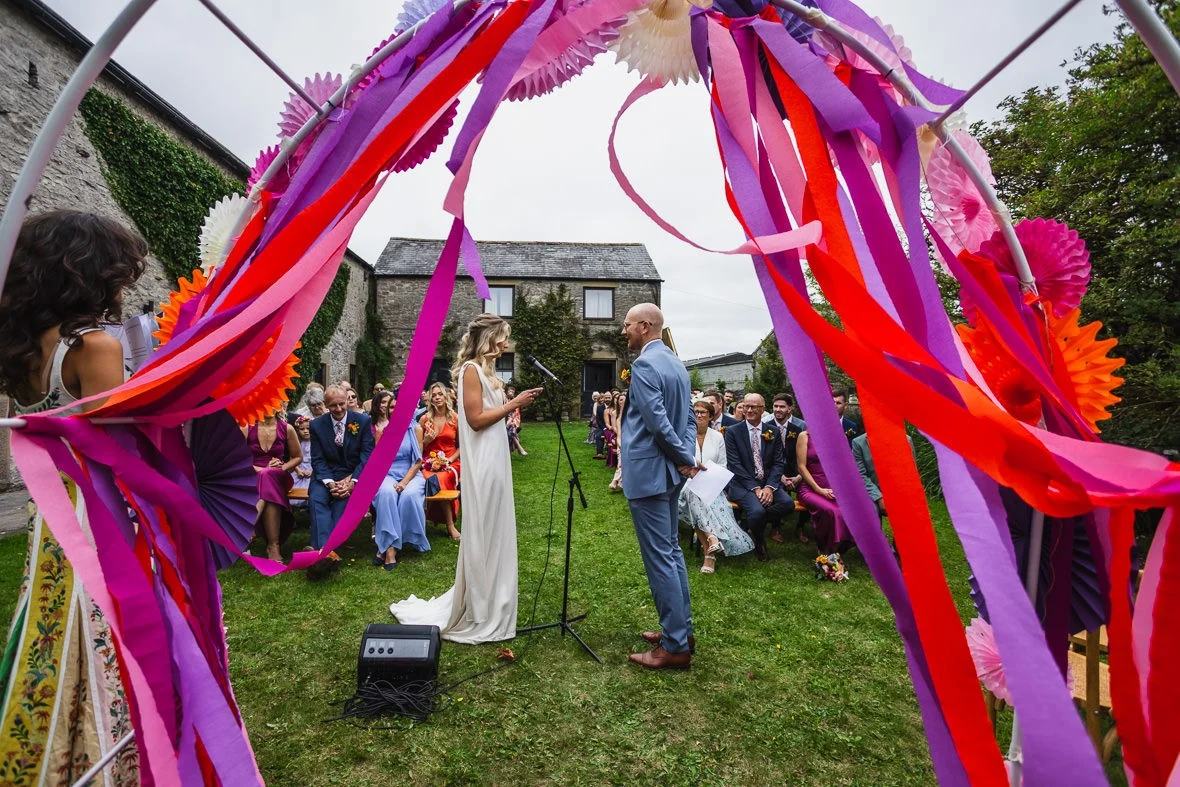
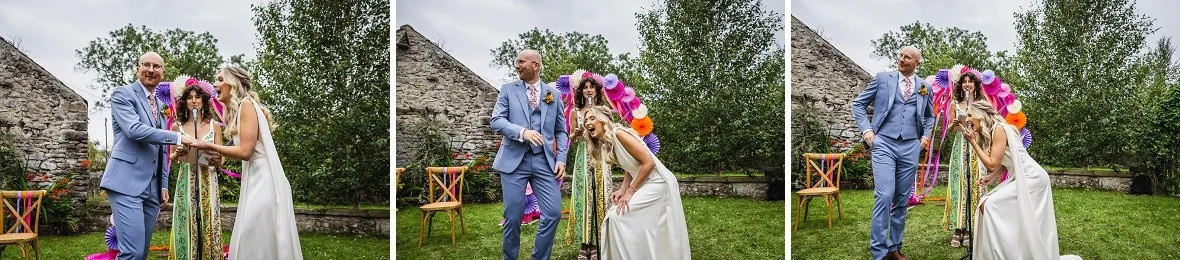
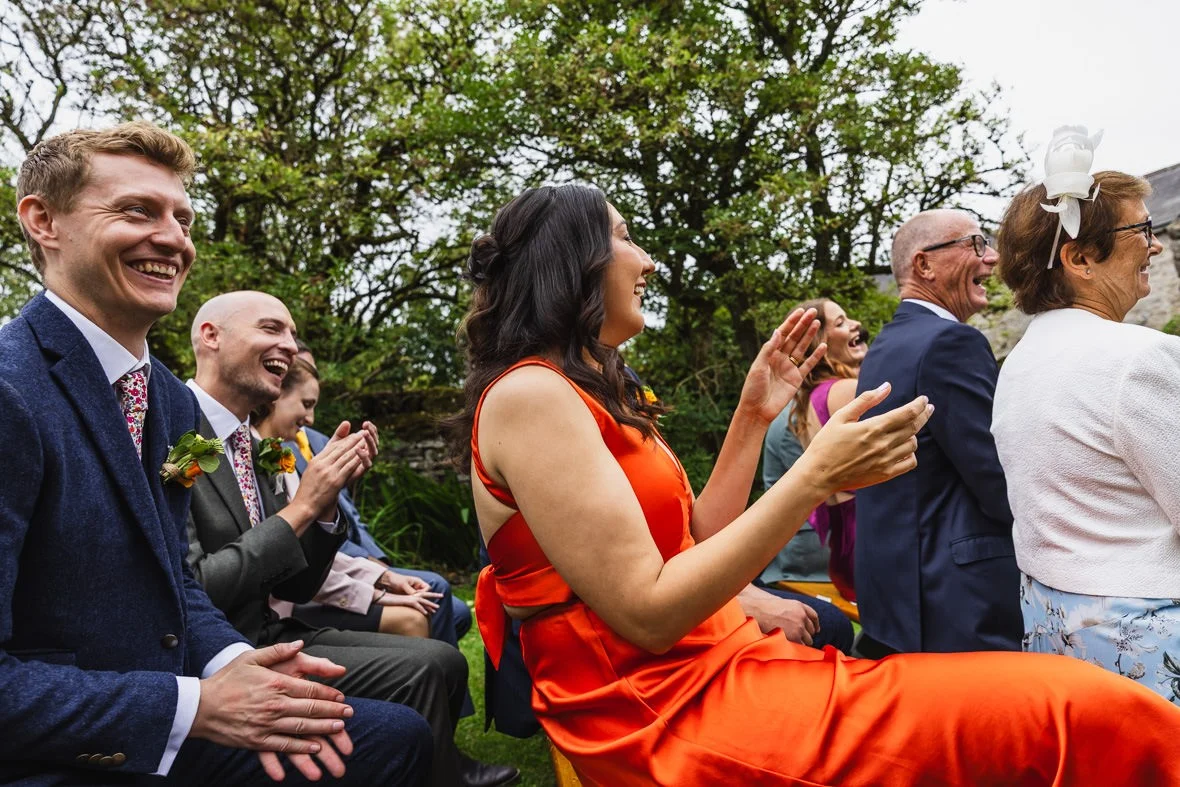
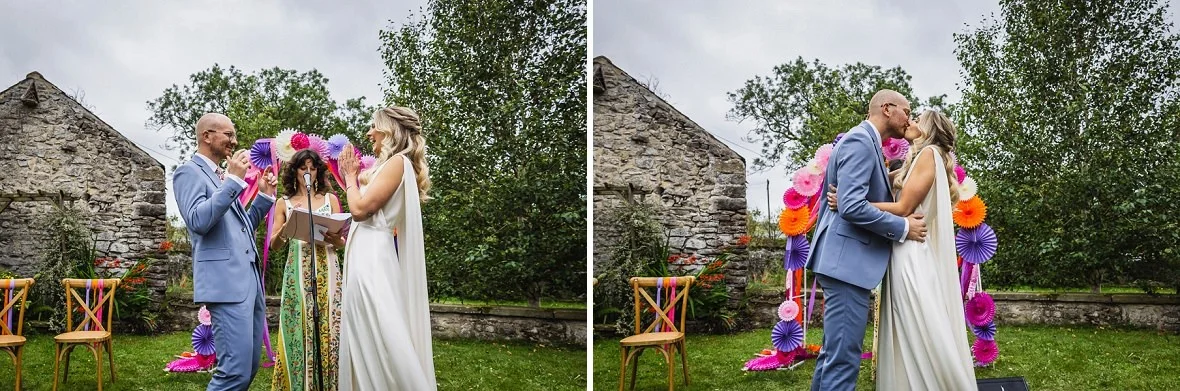
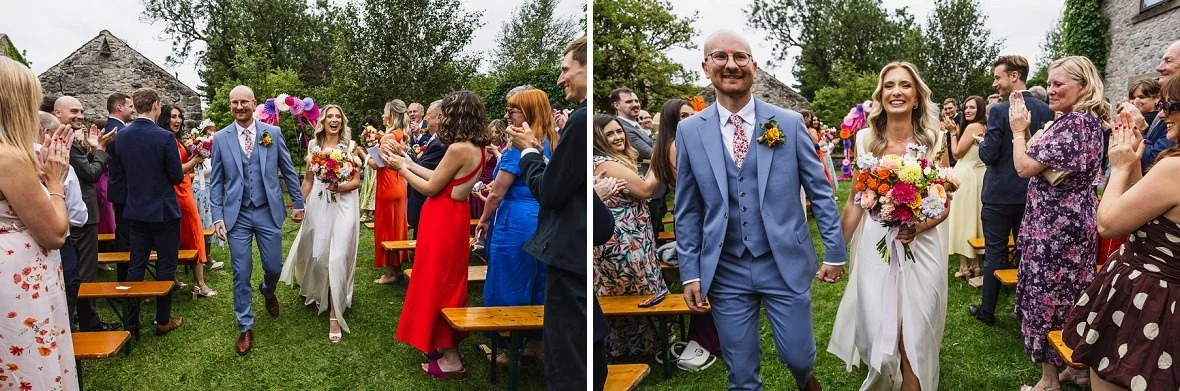
The ceremony was outdoors, with hills behind the couple and friends gathered close. This is where the setting earns its keep. Wide, open backgrounds make it tempting to shoot everything at a distance, but a lot of the emotional weight sits in the mid-distance, where the couple, the officiant and the guests share the same frame. A medium telephoto lets you compress the hills behind them and keep the background calm, while a wider lens brings in the scale of the countryside when you want to show the place.
Light is the tricky part. Ceremonies in the open tend to put the couple against a bright sky or in a sun that is low and warm. If the light is behind them, expose for the faces, either with spot metering or by using exposure compensation and a fill source, and accept that the hills may go soft or dark. If you're working in softer light under cloud, you have more freedom with the background, and the greens and greys of the Derbyshire hills will hold their colour without much help. Either way, check your histogram between readings, because the highlights in a bright sky are the first thing to clip.
Food and the rhythm of the day
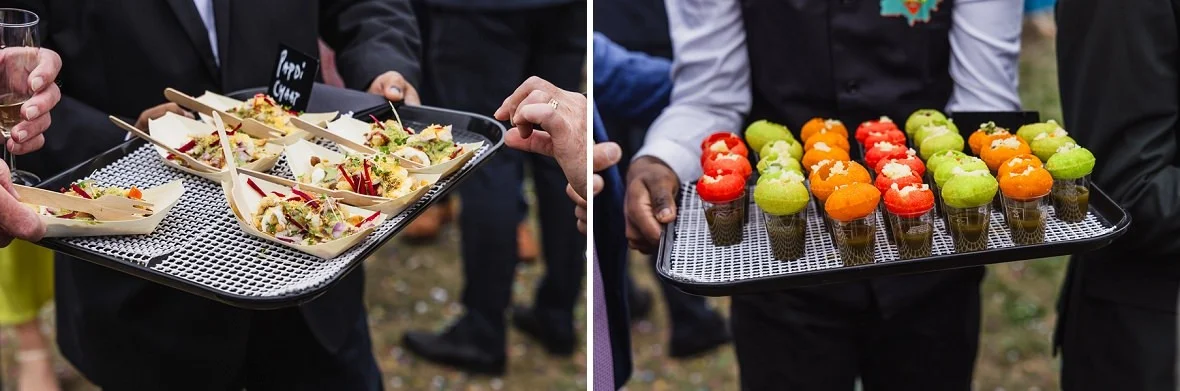
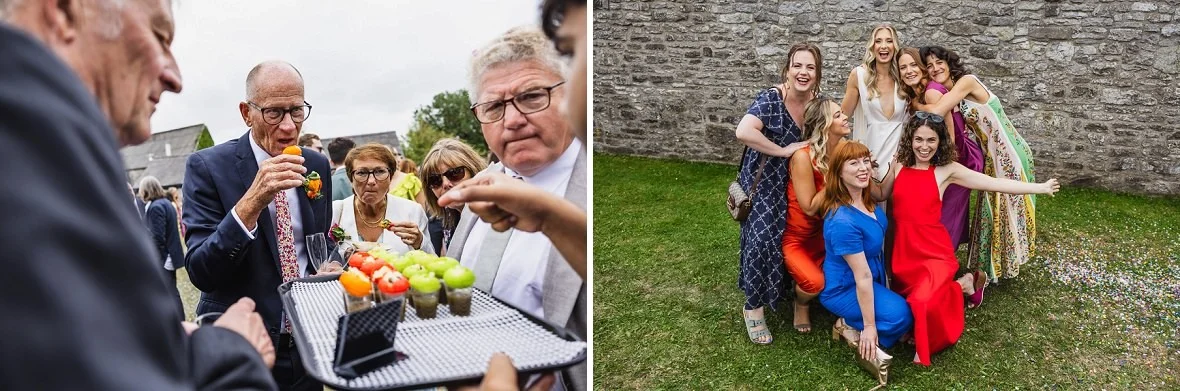
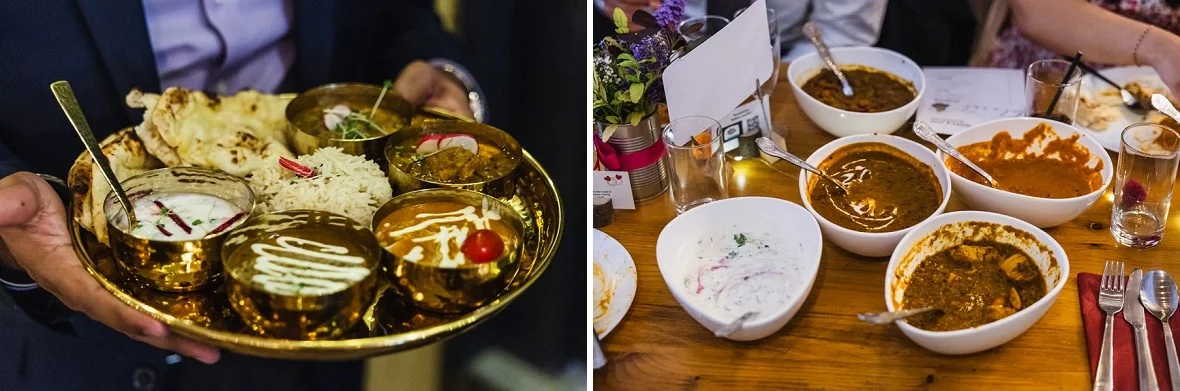
The food was a talking point, and the catering came from Punjabi Heaven from Leeds, with bold flavours and generous portions that guests clearly enjoyed. Food coverage is easy to treat as a filler section, but it's worth shooting with intent. Plates, serving staff and guests reacting to the first mouthful all add texture to the story. Look for the moment when the room is busy but not yet noisy, and use a shallow depth of field to separate a dish from the table without losing the people beside it.
The evening inside the barn
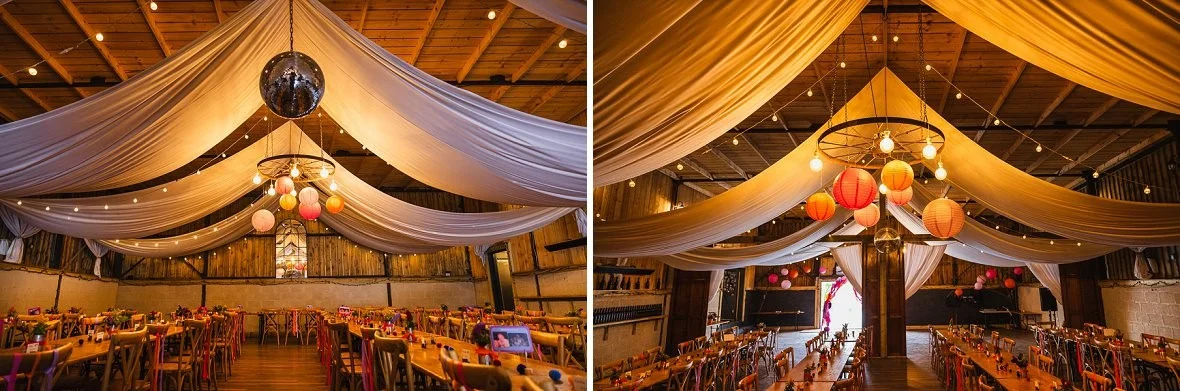
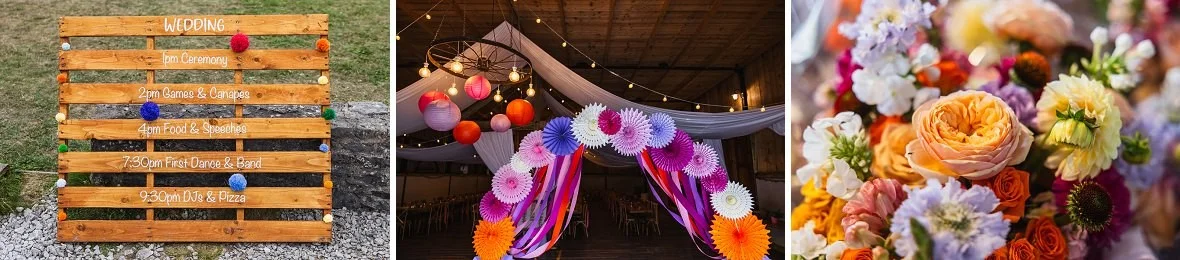
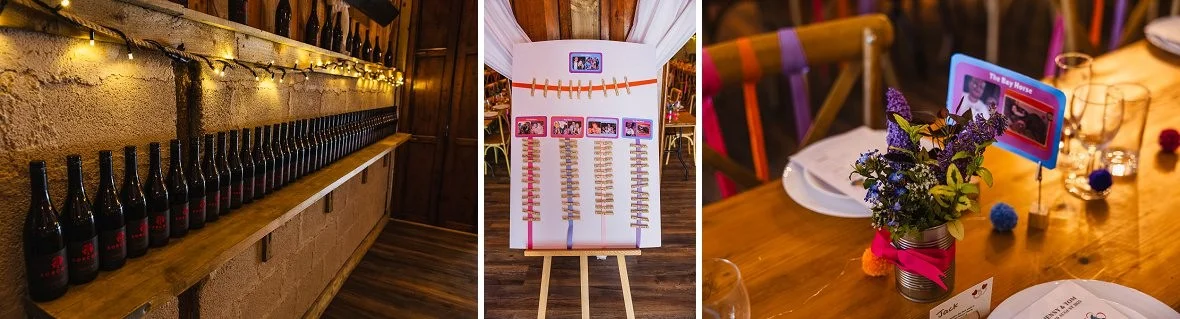
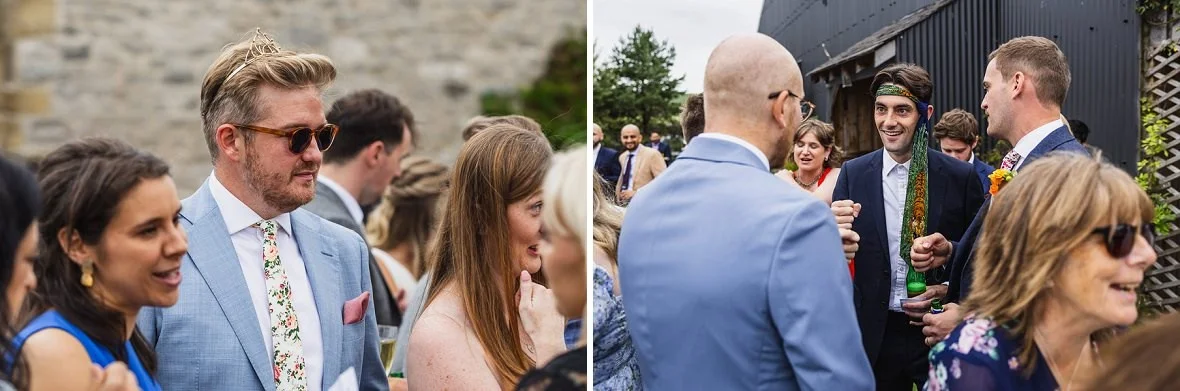
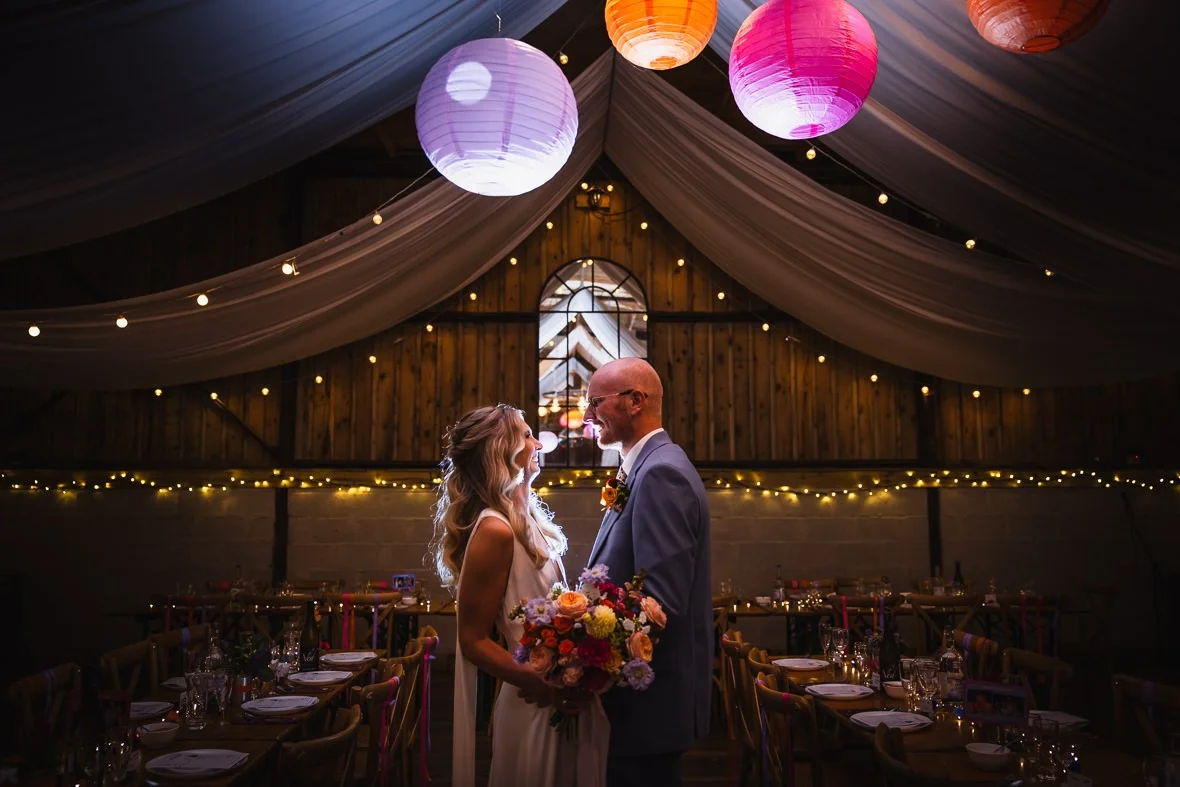
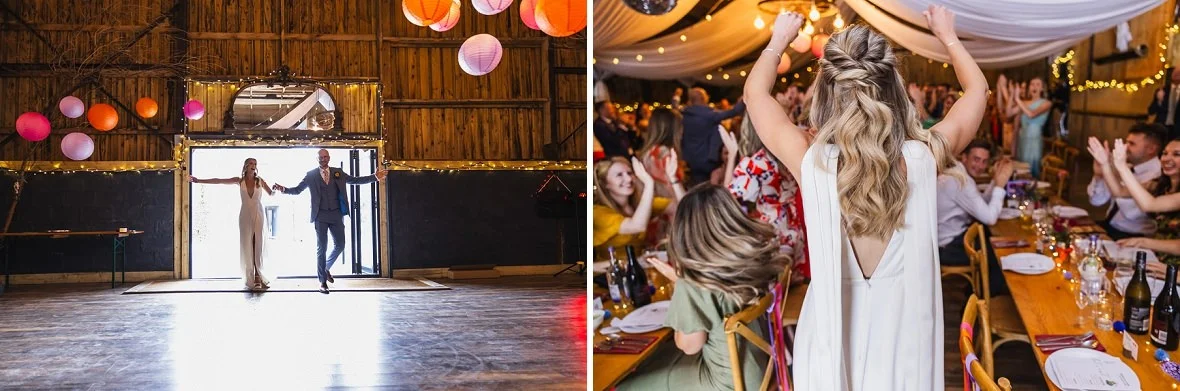
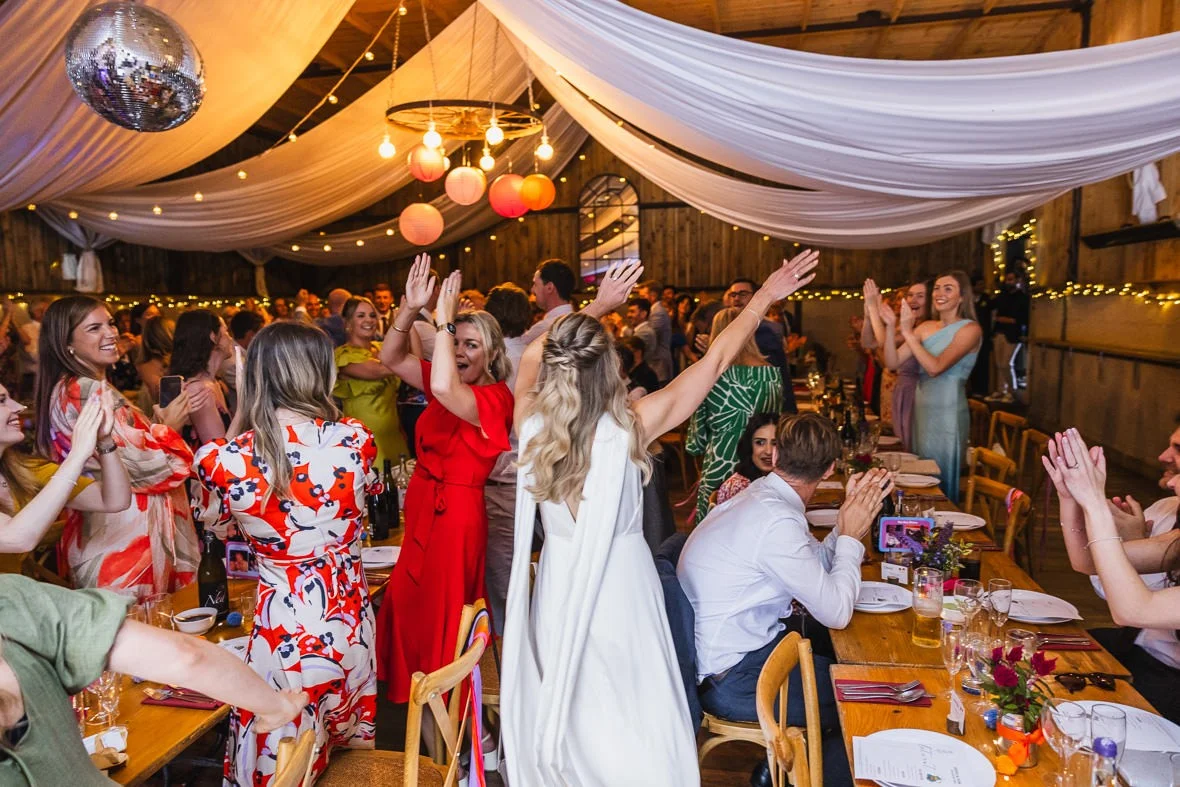
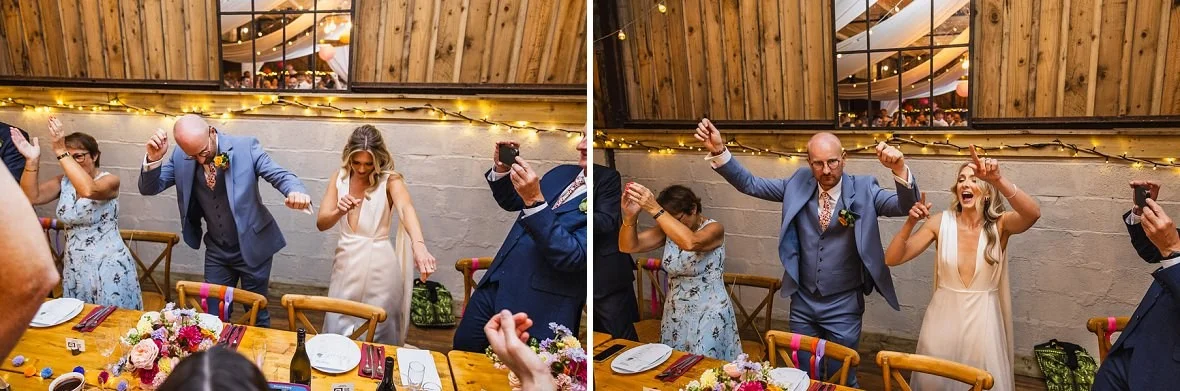
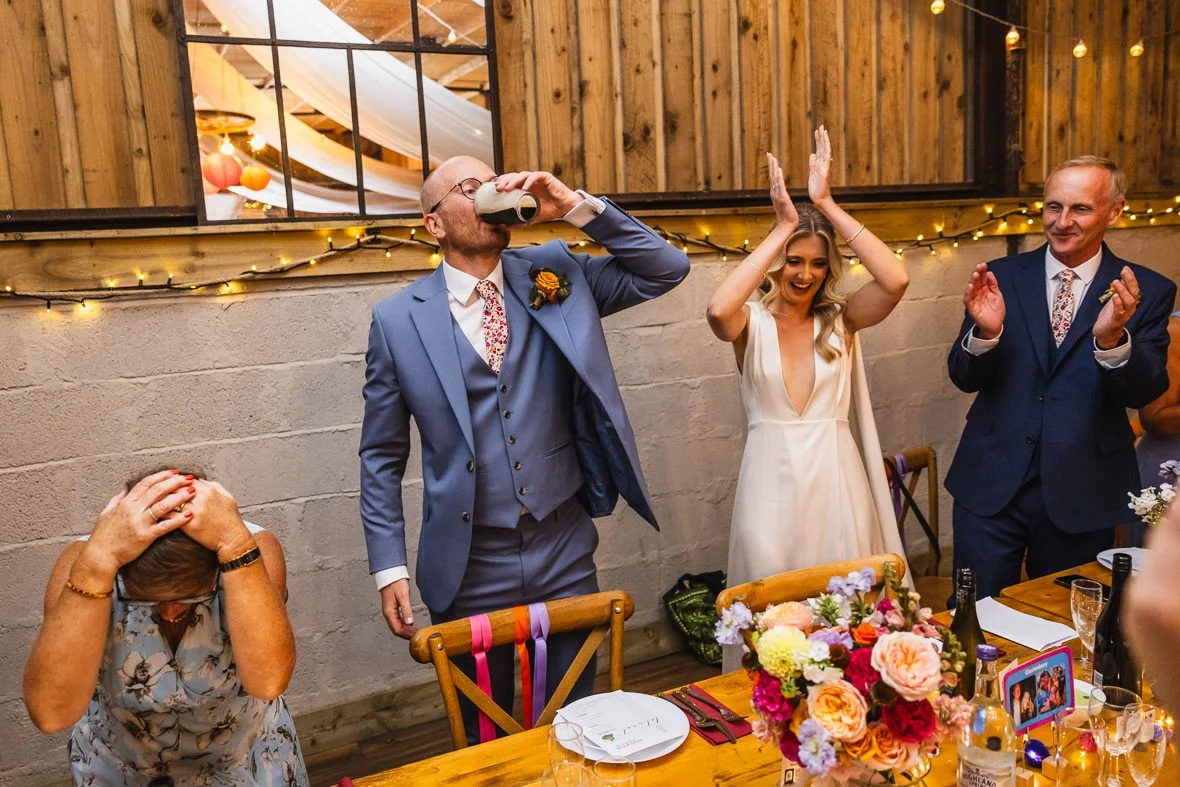
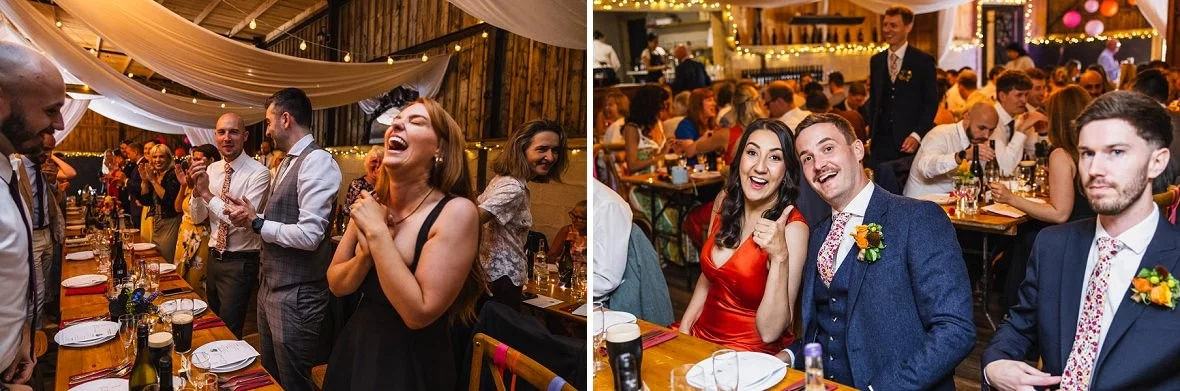
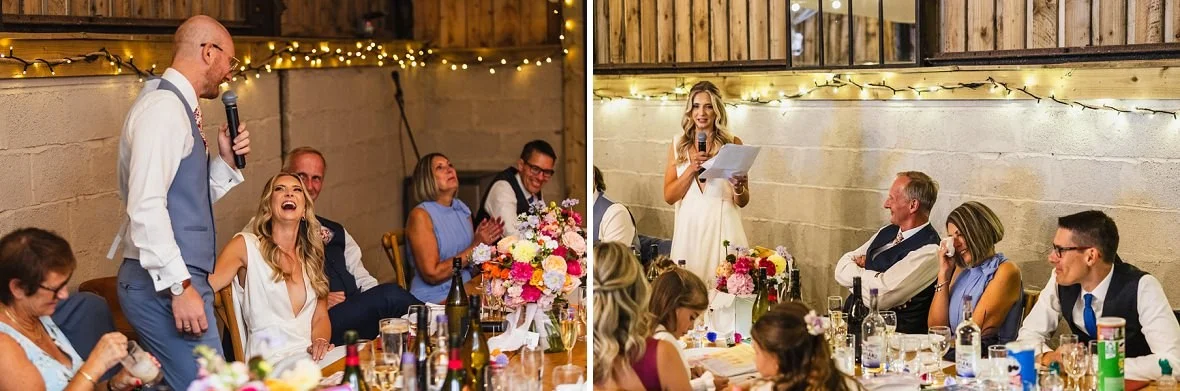
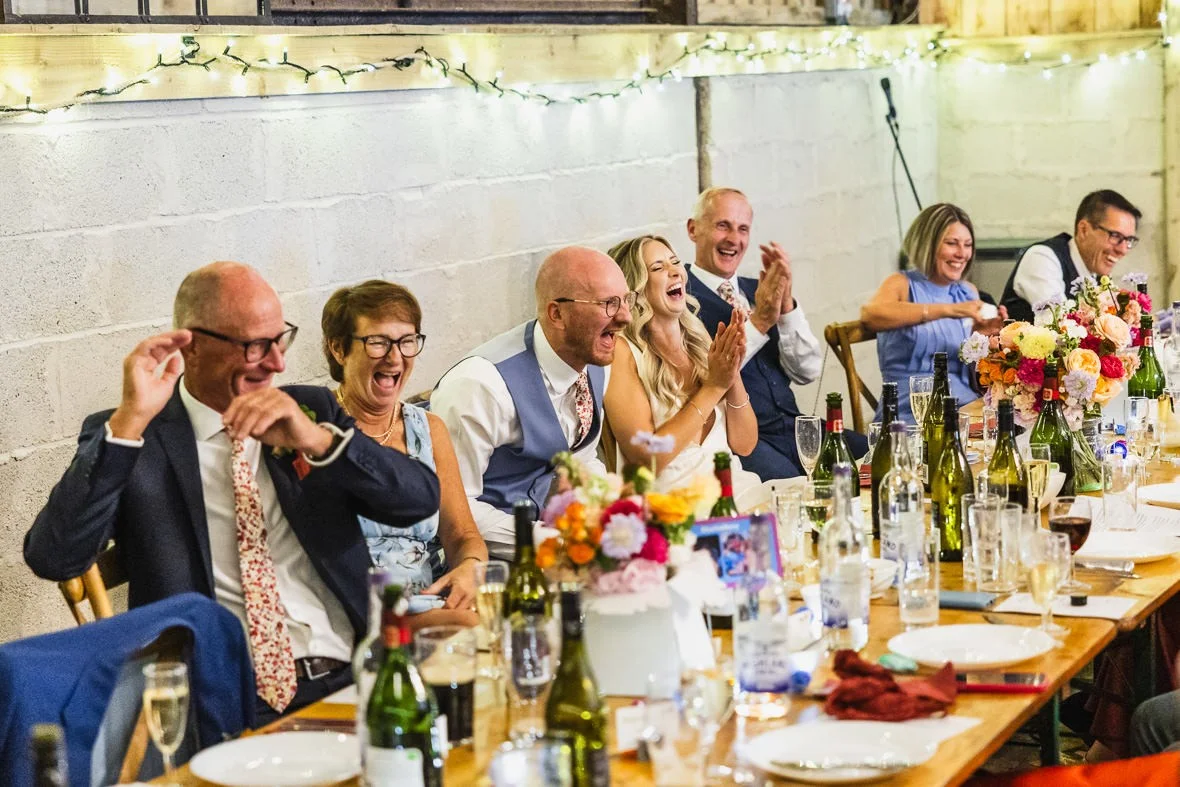
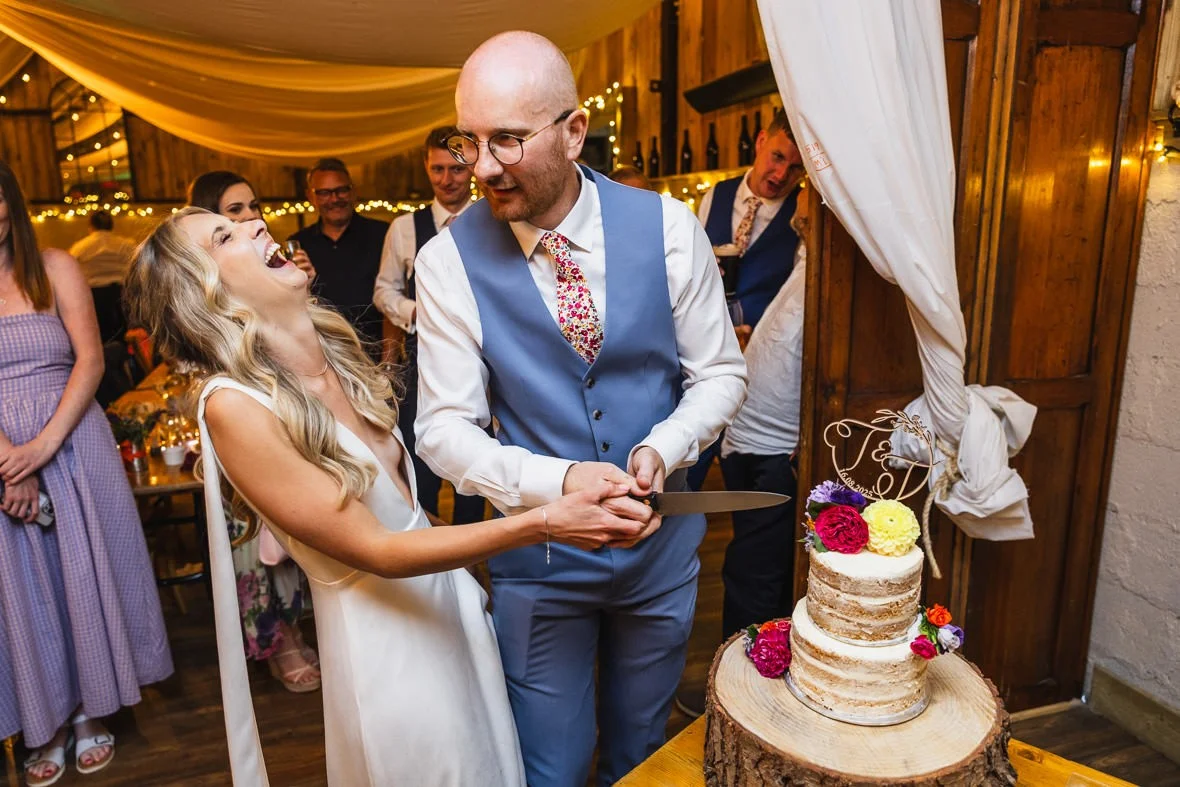
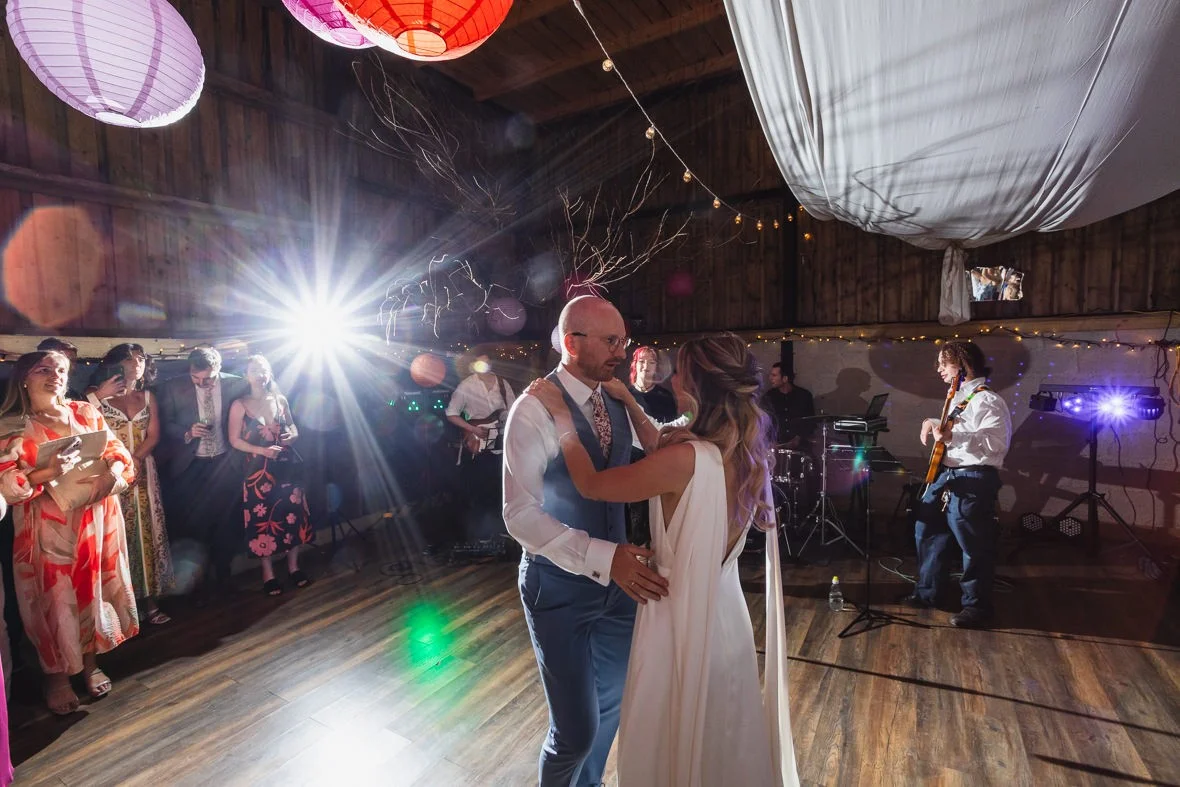
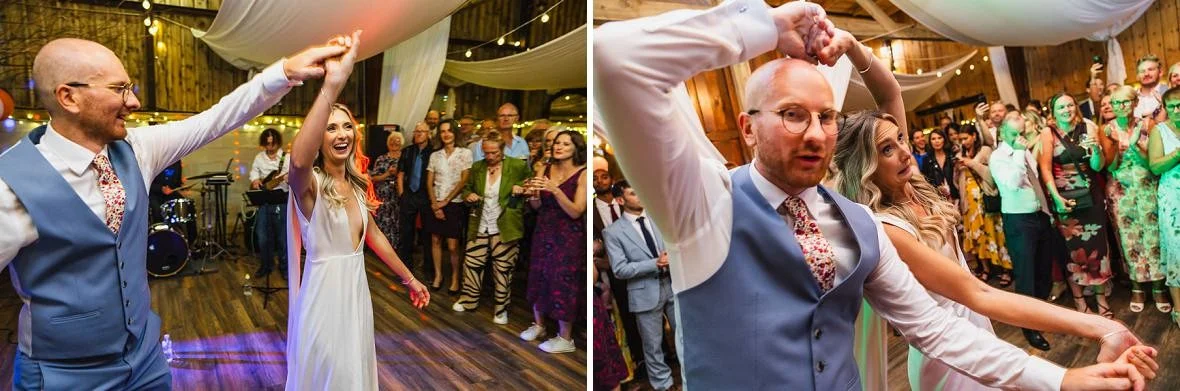
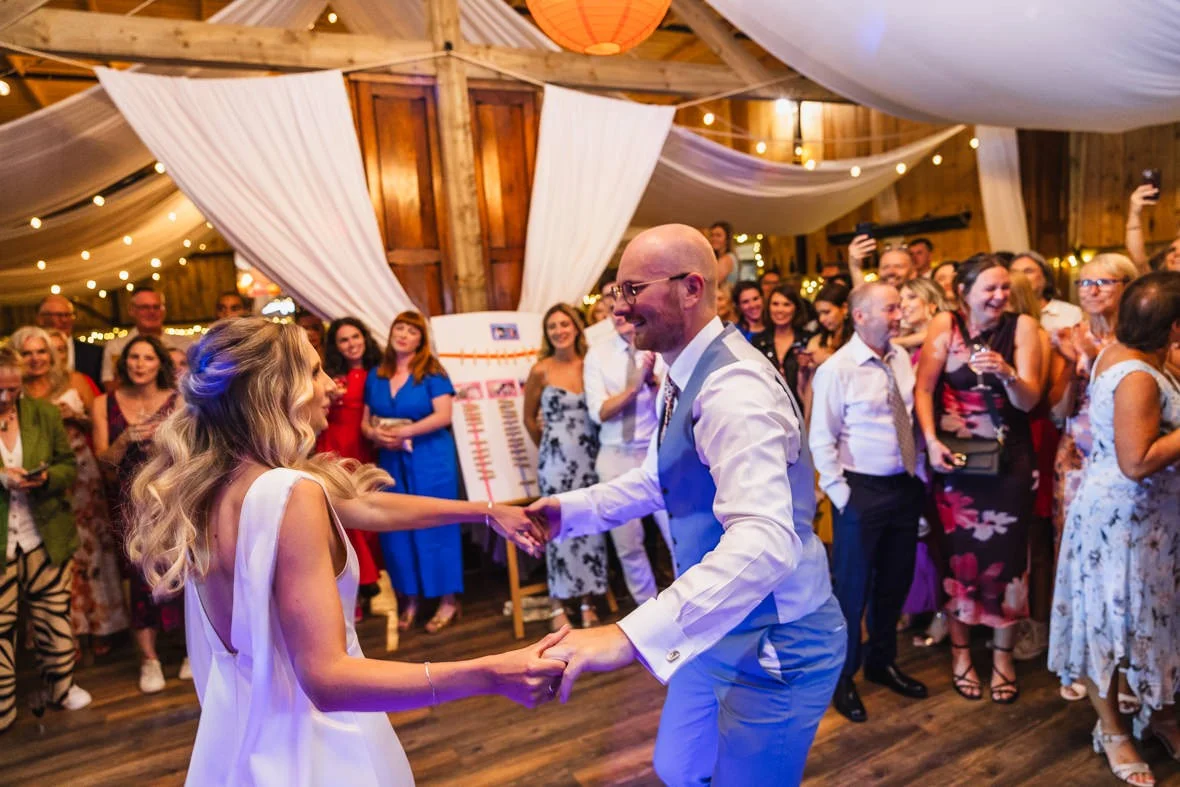
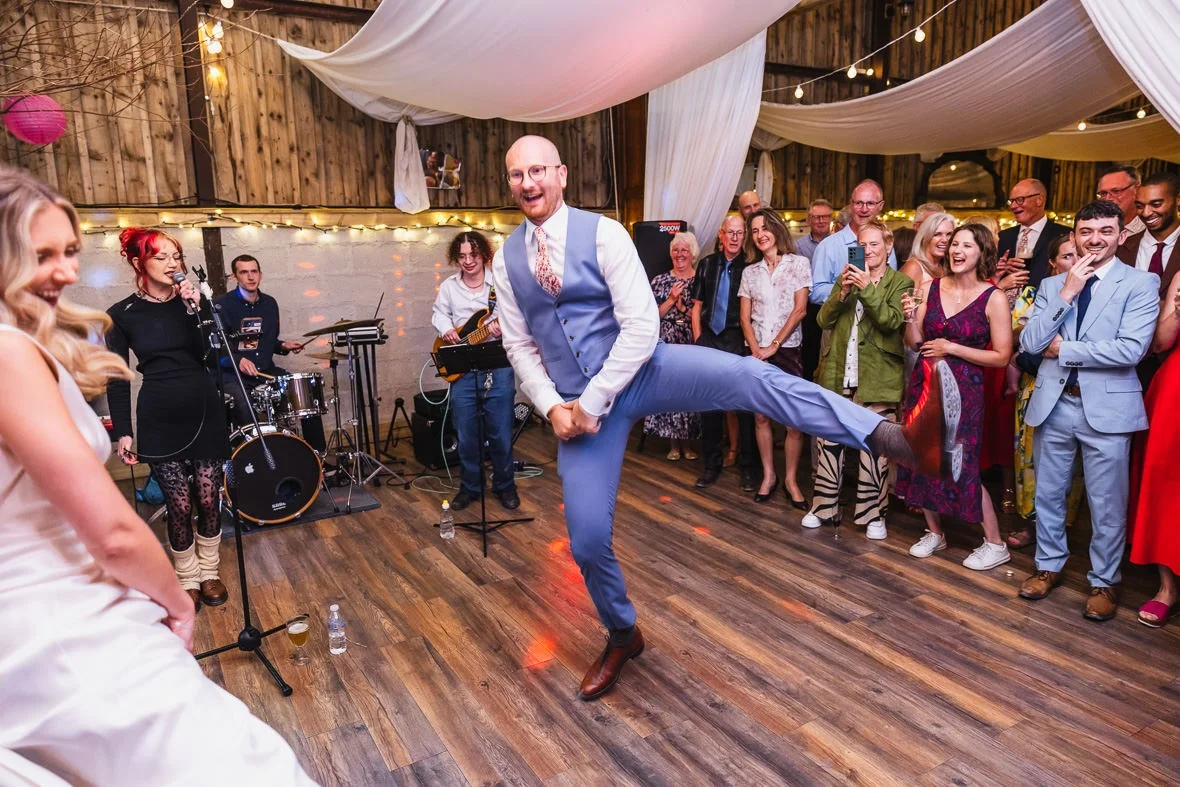
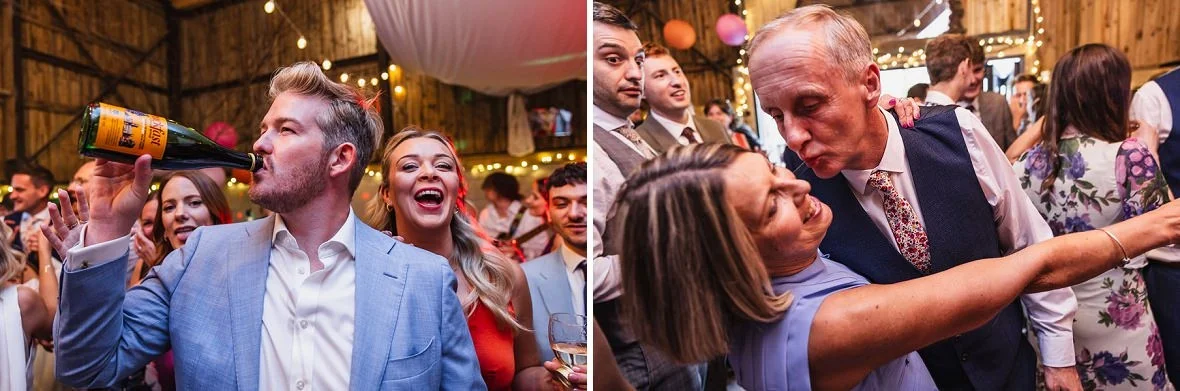
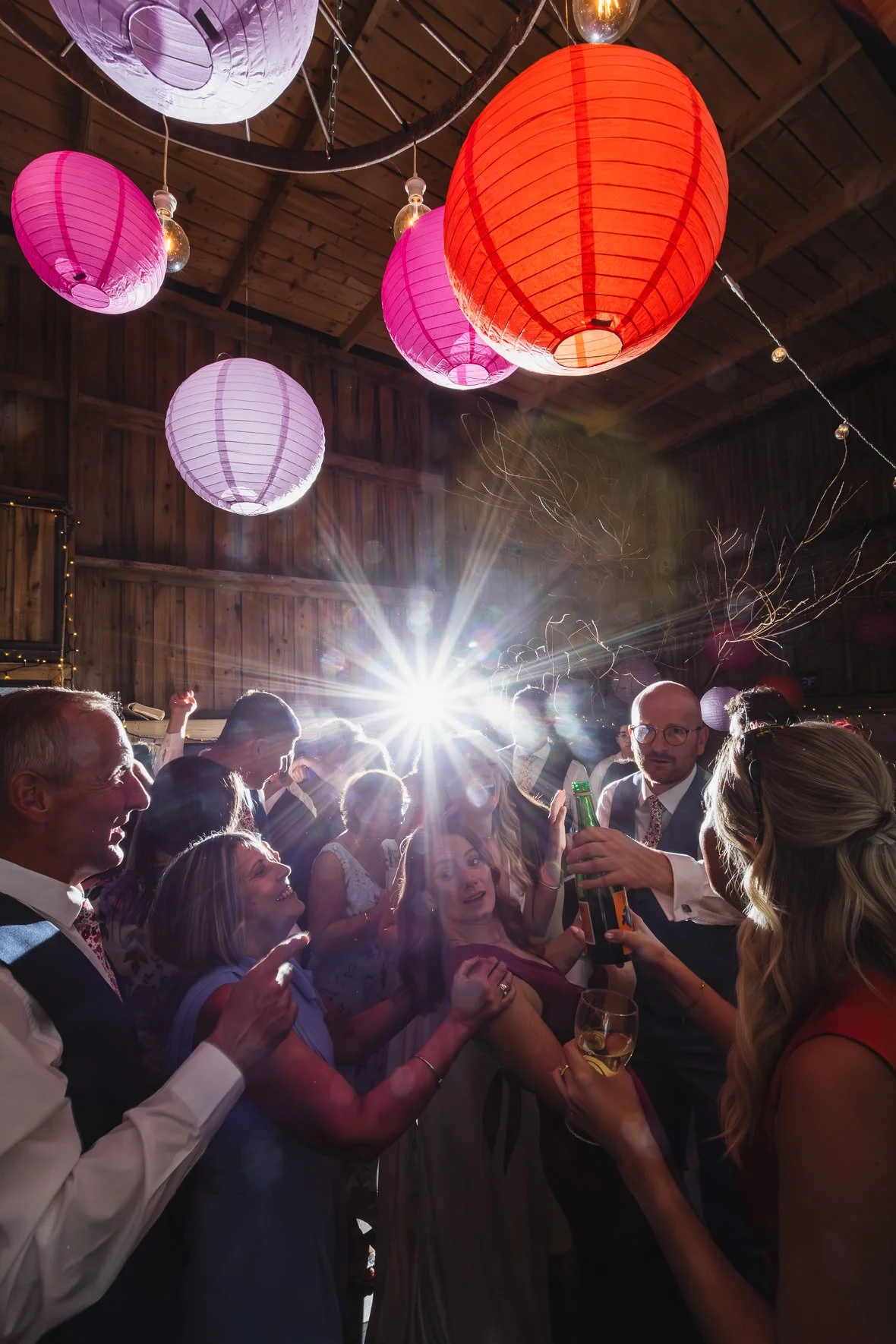
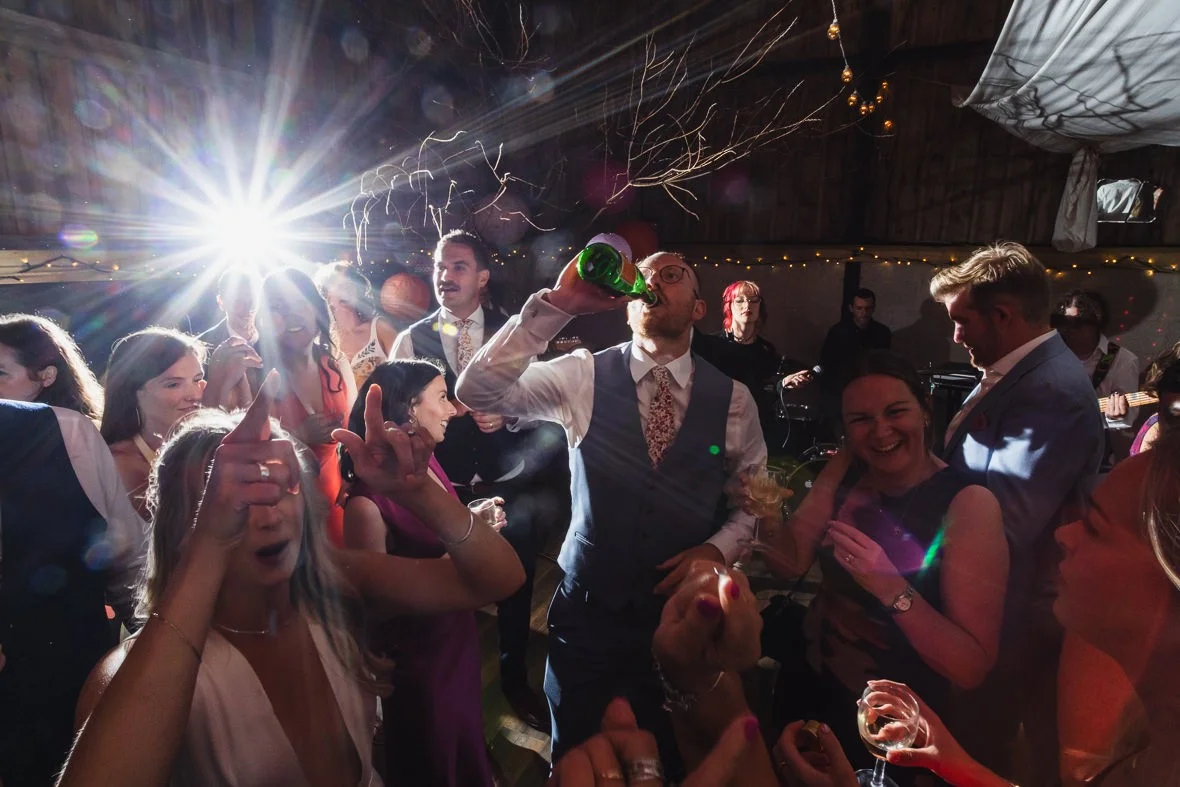
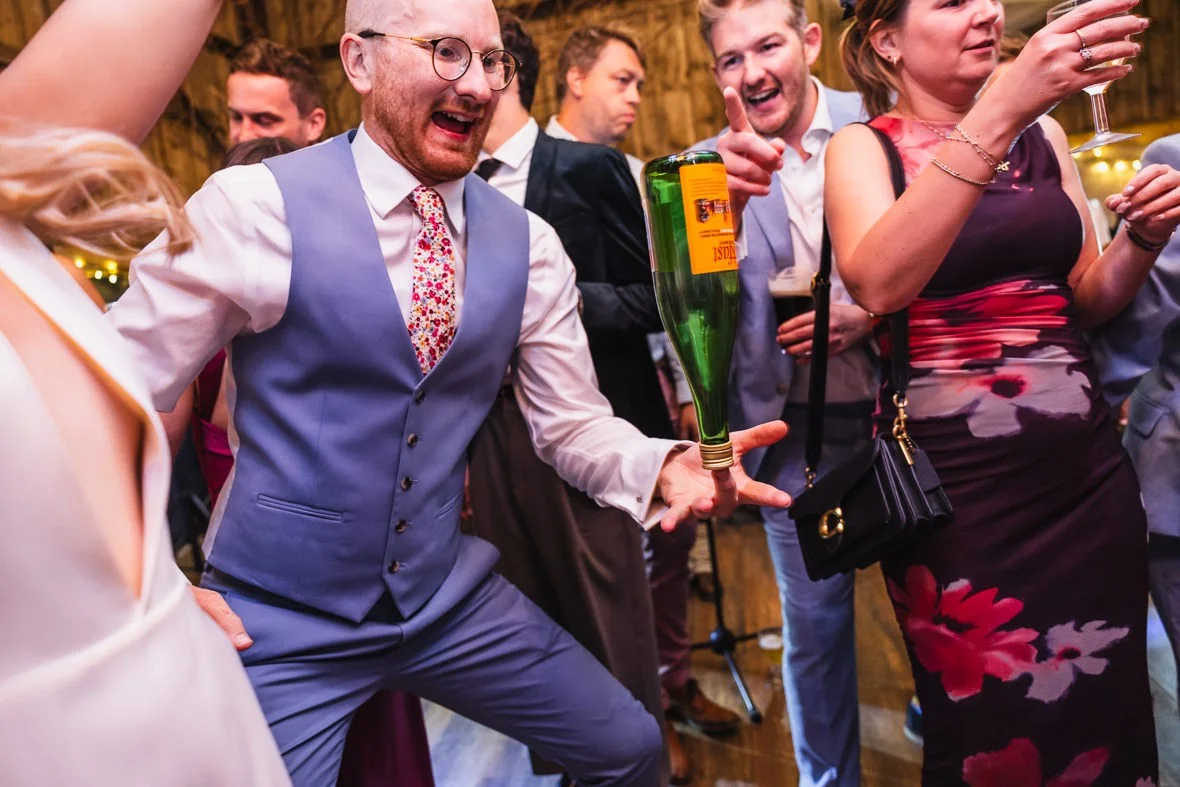
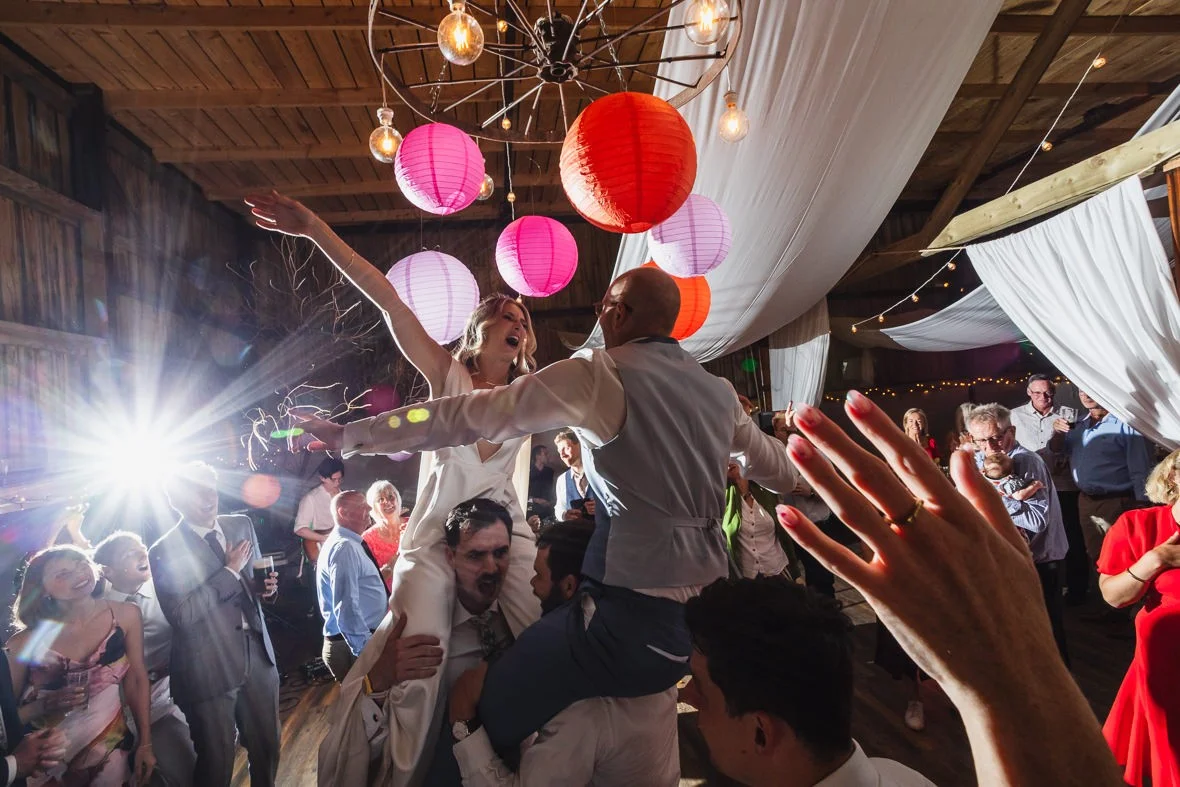
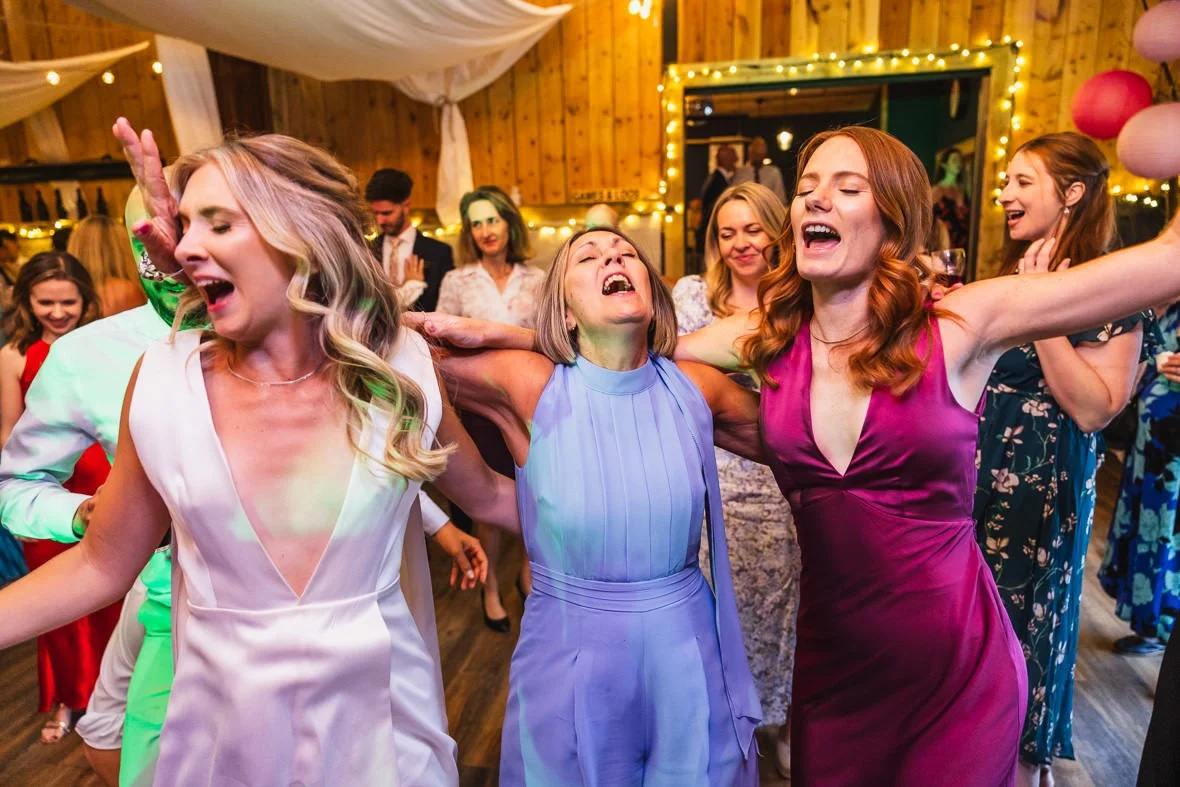
As the evening took over, the barn changed. Lanterns overhead, music bouncing off stone and a dancefloor that filled quickly gave the room a warm, mixed-light character. This is where low-light technique matters most. Lanterns and warm lamps will pull your white balance, so decide whether you want to keep that warmth or correct toward neutral, and be consistent across the set. Slower shutter speeds with a steady hand or a stabilised body can keep the ambient glow in the room, while a bounced or diffused flash helps freeze people on the dancefloor without flattening the atmosphere.
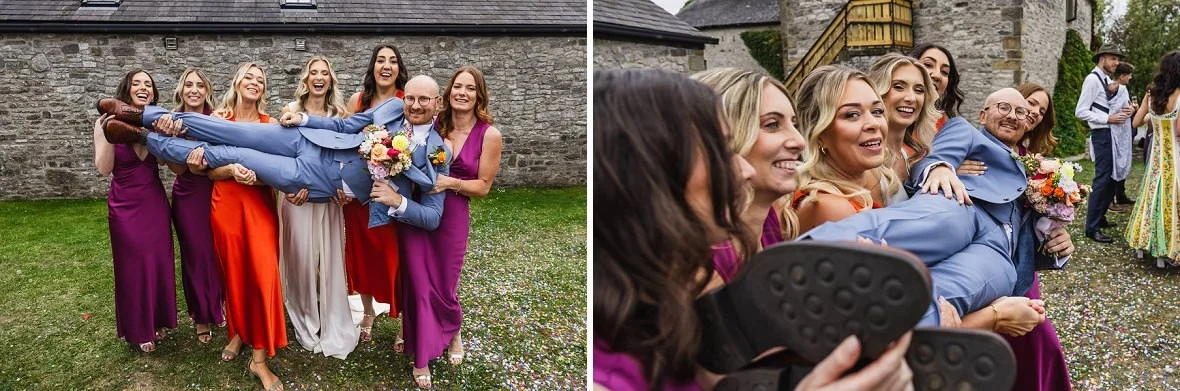
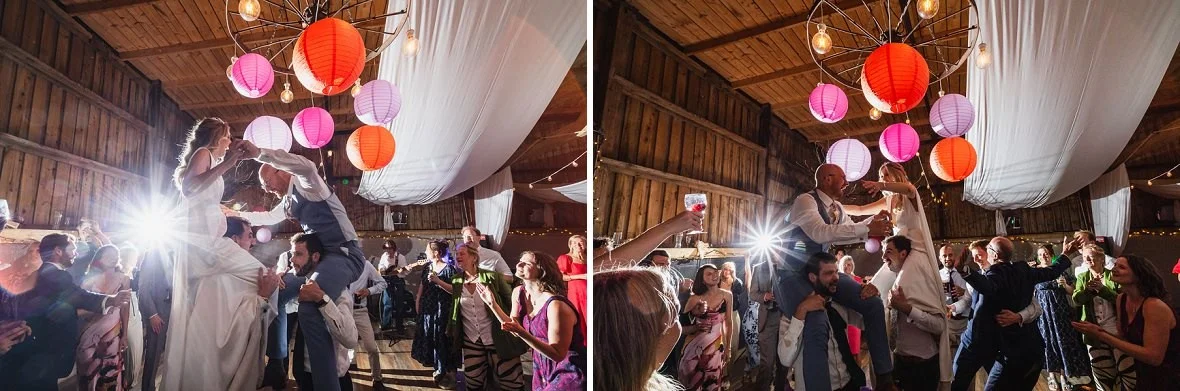
The moment when Jenny and Tom were lifted onto their guests' shoulders is the kind of frame that can be missed if you're fixed on one spot. Watch for the build-up: the group gathering, the shift in people's stance, the hands reaching in. Anticipation usually gives you a few seconds of warning. Use a high enough shutter speed to stop movement, accept a higher ISO if the room demands it, and keep shooting through the peak, because the best frame is often the one just after the lift.
What this day shows
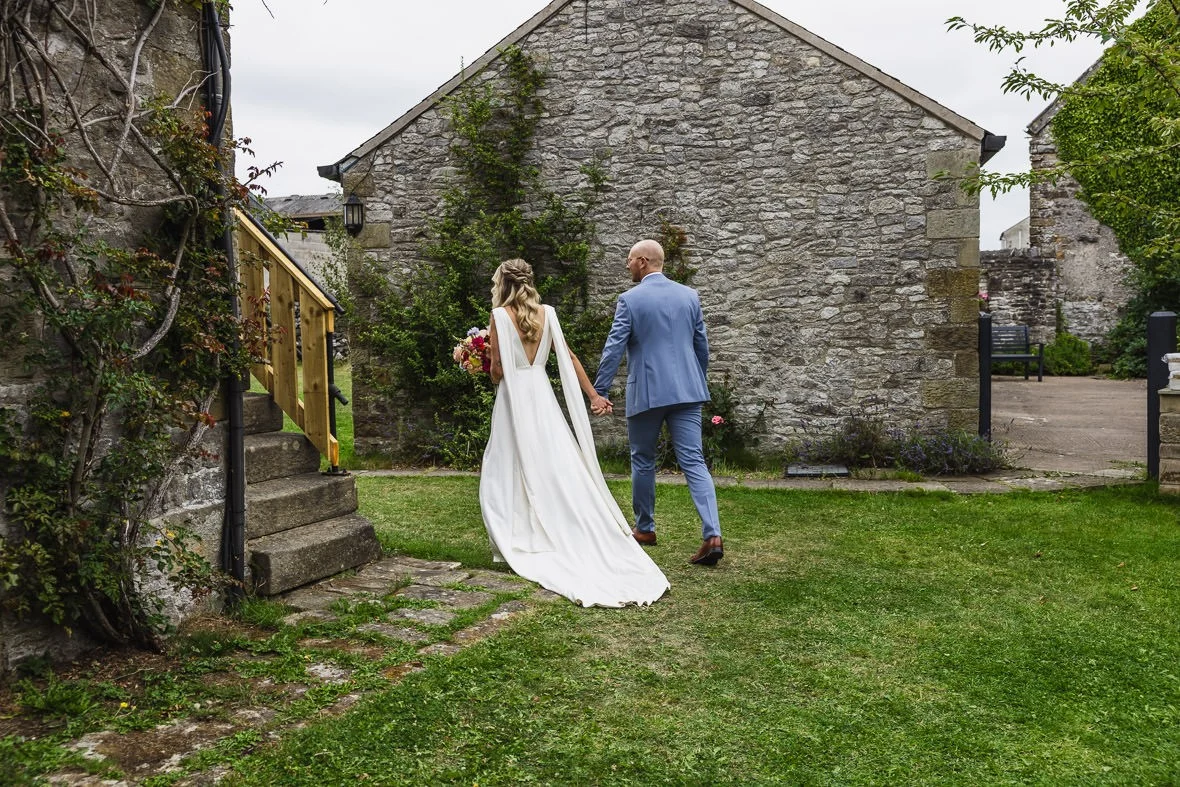
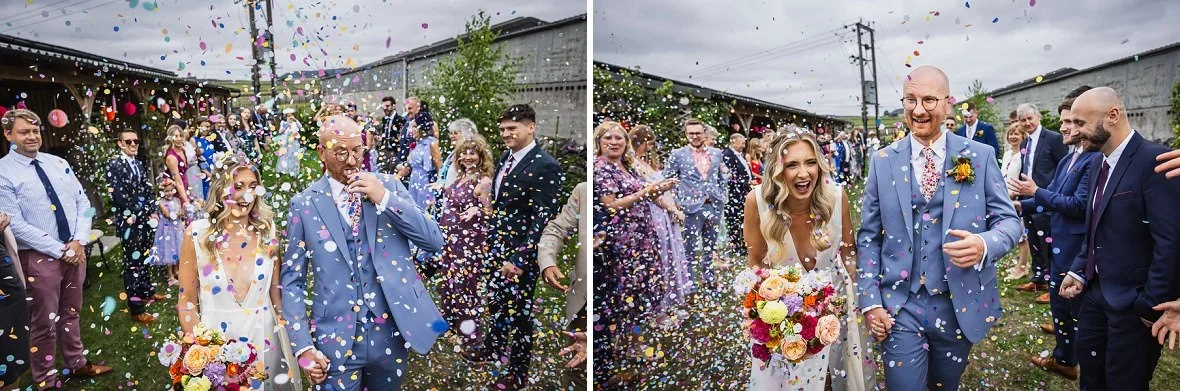
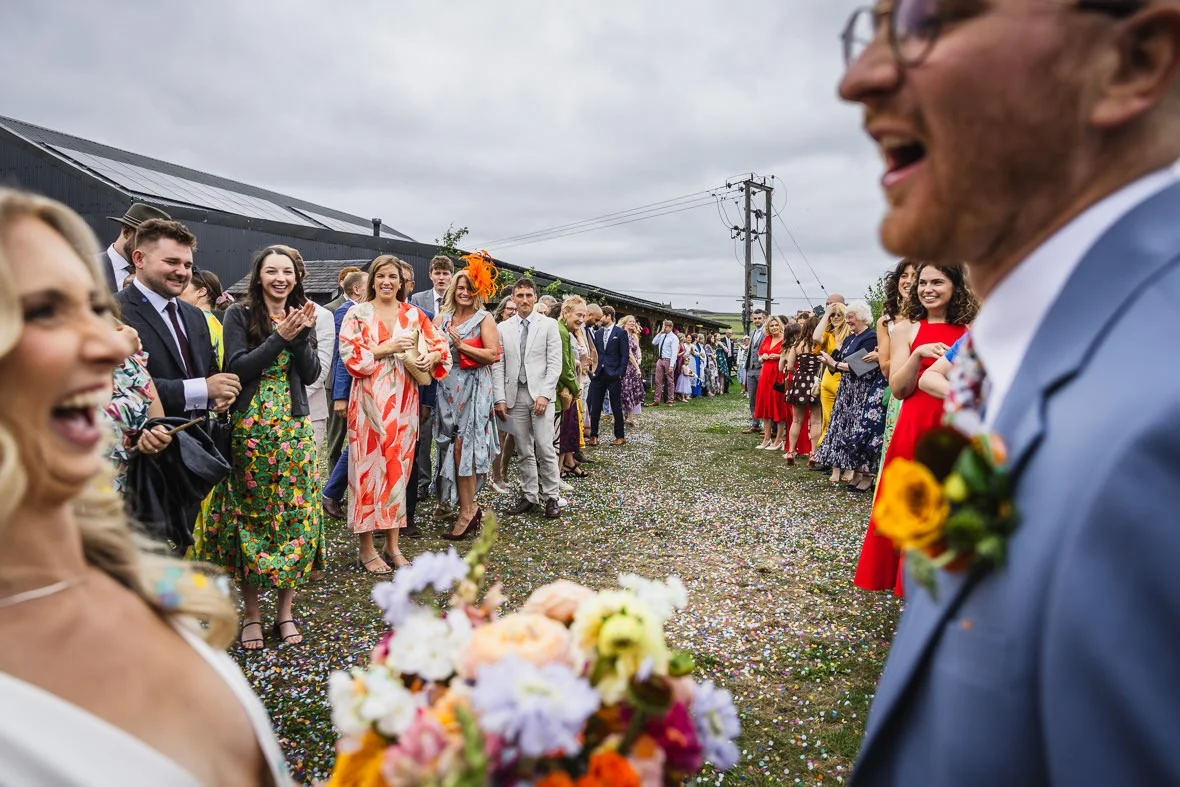
The source material describes a day that was never about a perfect scene, and the coverage reads that way too. Nothing looks forced. The couple's choices, the venue's open space and a sensible approach to light and timing all came together without much fuss. That's a useful reminder for anyone planning a Derbyshire countryside wedding or shooting one. Pick a setting with real character, let the people in it set the mood, and give yourself room to react when something unplanned happens. That's where the most memorable frames tend to come from.
Gallery