First day cover ·
Nikon ZR Firmware 2.00 Brings RED Color Science to H.265 Recording
Nikon's ZR firmware 2.00 adds Log3G10 to H.265 recording, four High ISO NR levels, and more dial and button assignments for faster shooting.
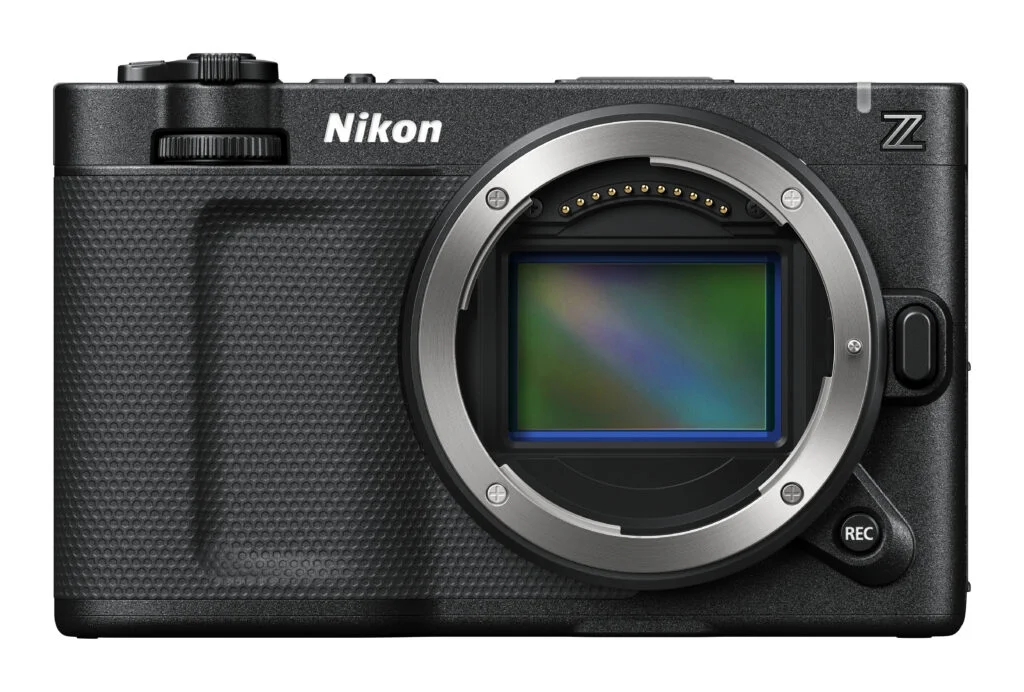
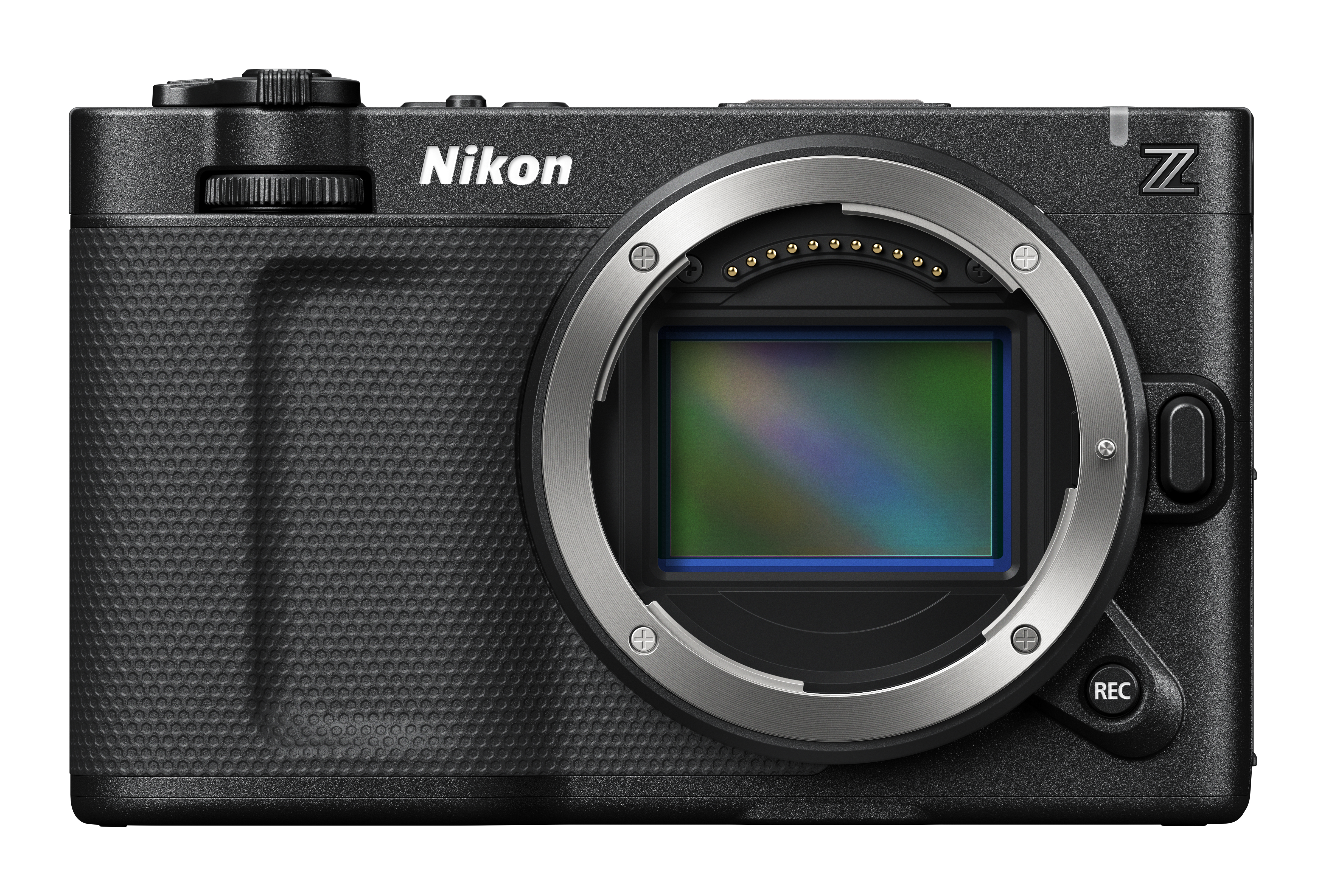
Nikon has released firmware version 2.00 for the ZR, the full-frame camera in its Z CINEMA line that launched in October 2025. It's the first major update since launch, and the headline change is one that matters most to people who want RED-style grading from a compact file format. The firmware is scheduled to arrive before year-end.
Log3G10 arrives in H.265
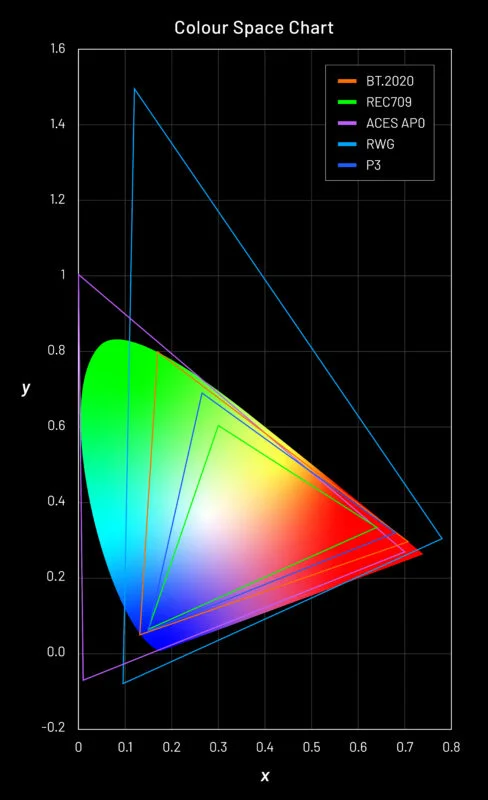
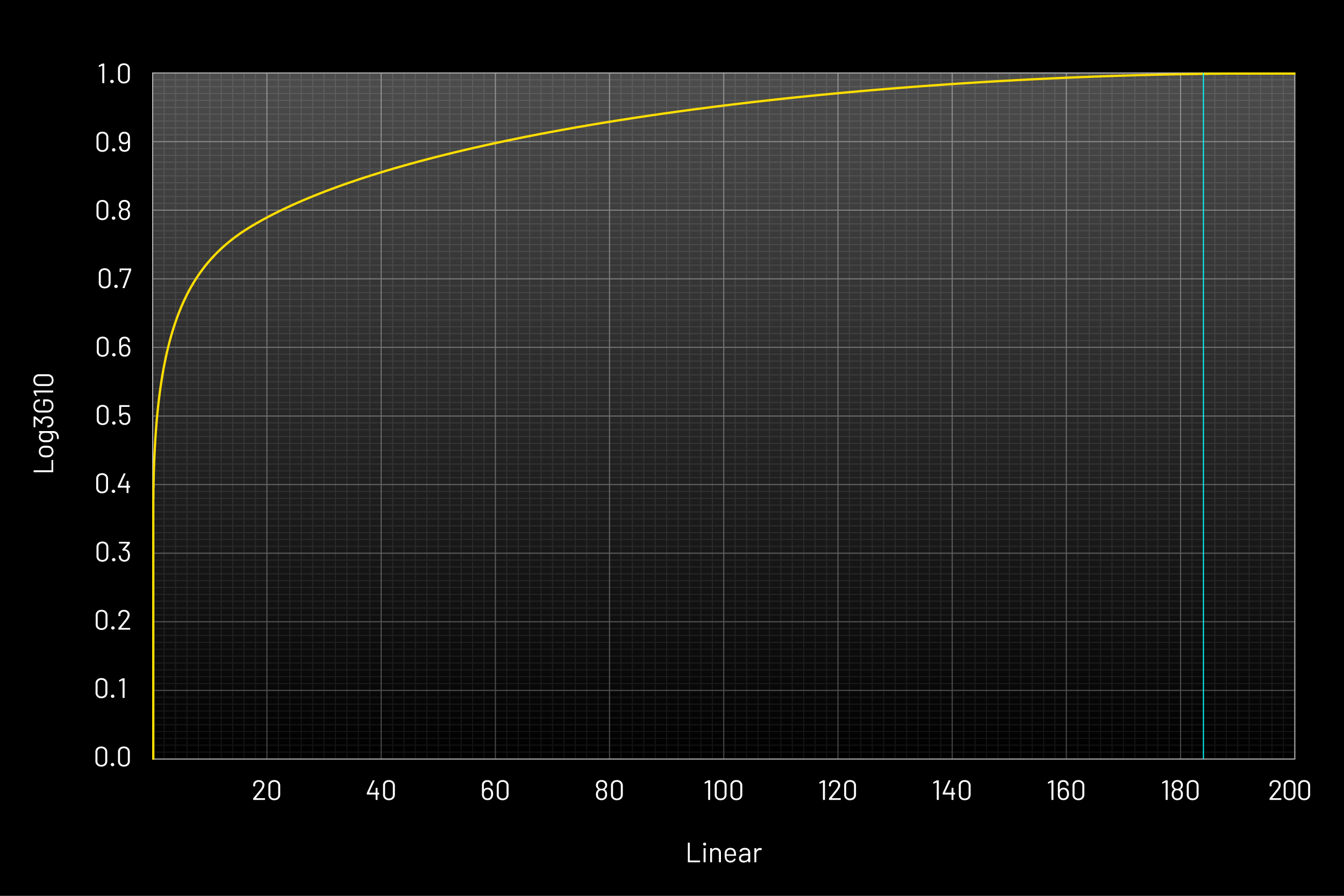
Here's the thing: until now, a shooter who wanted the wide-latitude grading workflow built around RED color science had to step up to the R3D NE path or accept the limits of standard profiles in H.265. Version 2.00 adds Log3G10 to the tone mode options for H.265 recording. That puts footage in the REDWideGamutRGB color gamut, so the smooth tonal gradation and wide gamut that RED users expect are now available in the more compact file format.
For productions that care about file size and storage, that's the interesting part. You keep the compact codec and still get a log curve built for heavy color work. Expect the grading room to see the difference first, in skin tones and highlight roll-off, where wide-gamut log material gives you the most room to move.
Four levels of High ISO NR
The other image-quality addition is control over [High ISO NR]. When you shoot Log3G10 or N-Log in H.265, you can now choose from four levels. That range covers two very different approaches. At the low end, you keep the inherent texture of the sensor and accept more visible grain. At the high end, you get smoother rendering with less noise, which suits projects where the grain would fight the look.
This is a creative decision as much as a technical one. Noise reduction that's right for a documentary can flatten a drama's texture, and giving the operator four steps means the choice can follow the production's visual tone rather than the camera's default. Test the settings at your actual ISO values before committing, because the trade-off between texture and cleanliness will shift with the scene and the grade you're building.
Faster hands-on control
Version 2.00 also expands what the command dials and function buttons can do. ISO sensitivity, exposure settings, white balance (WB), and white balance color temperature (WBK) can now be assigned to the command dials. For operators who change exposure or WB constantly during a shoot, that moves those controls under a single thumb movement instead of a menu dive.
The function button change is subtler and, I think, more useful. Assigning [3D LUT/View Assist] to an Fn button lets you toggle between those settings in one press. You can check your monitoring look, switch it off to see the flat image, and return to it without taking your eye off the monitor. On a set where the operator is also watching focus and framing, that kind of single-action access saves real time.
Monitoring and smaller refinements
The monitoring changes are where the update gets practical for focus pullers and DITs. Focus peaking is now available when recording R3D NE even with a 3D LUT applied. Before this, a look-based monitoring setup could make focus confirmation harder, so being able to see peaking with the LUT on gives you a more accurate read on critical focus.
Support for applying a 3D LUT to HDMI output carries the same logic to external monitors. You can send a rendering close to the finished grade to a field monitor, which helps directors and clients judge the image without waiting for post. It's a small change on paper that can reshape how a day on set feels.
Nikon has also added processing that suppresses frame-by-frame black-level fluctuations. That reduces the flicker that can appear in low light and in dark areas of the frame. If you've fought banding or shimmer in shadows under mixed lighting, this is the change to test first with your own footage.
What to watch next
Version 2.00 fills in workflow gaps rather than rewriting the camera's character, and that's a reasonable direction for a body already sold on video. The real test will come when editors and colorists receive the first Log3G10 H.265 files and compare them against R3D NE. Nikon says it will keep issuing firmware updates that respond to user needs, so the ZR's feature set will likely keep moving. Until the update lands, it's worth planning your test shoot around the new gamma and NR options so you know which setting fits your next project.