First day cover ·
Learning to Read Light Before You Raise the Camera
Brad Carr's ten habits for learning light, from daily observation to breaking the rules, and why each one sharpens your pictures.
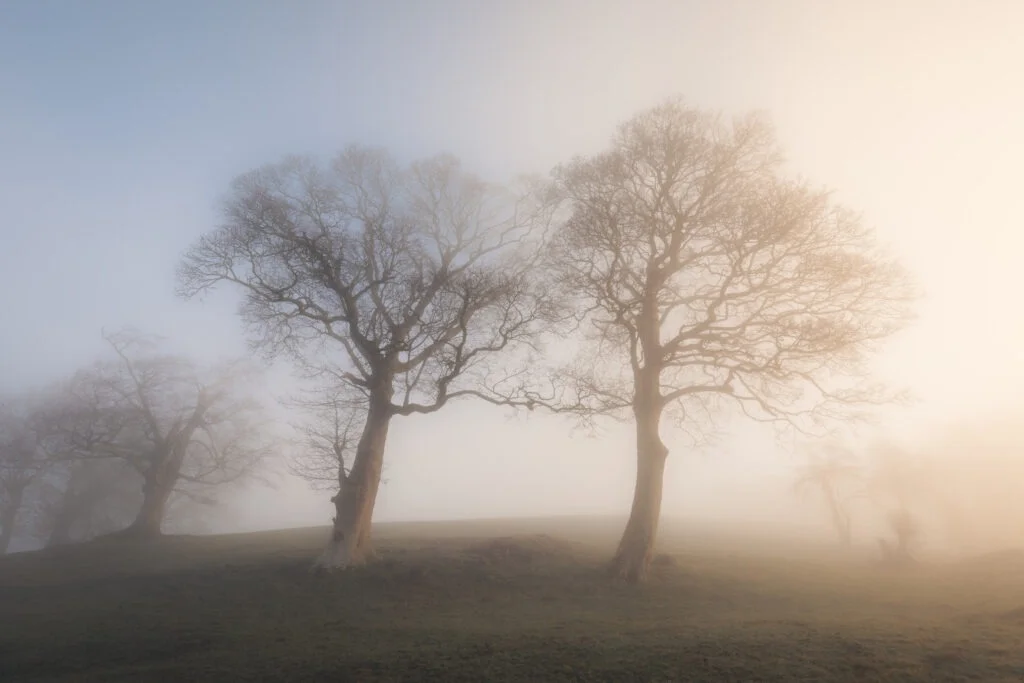
Light does more of the creative work in a landscape photograph than most of us admit. It decides what the scene says, how deep the shadows feel and whether a hillside reads as calm or hostile. Brad Carr frames it as a language, and that's a useful way to think about it. You don't learn a language by memorising a list of words. You learn it by listening, making mistakes and gradually noticing patterns you can't yet explain.
That's the premise behind his approach, and it's a more demanding one than buying the right filter or chasing a famous viewpoint. Carr's argument is that intuition is trainable, and that the photographs that stay with people usually come from a photographer who has learned to respond to light rather than apply a formula to it.
Colour and quality change the whole scene
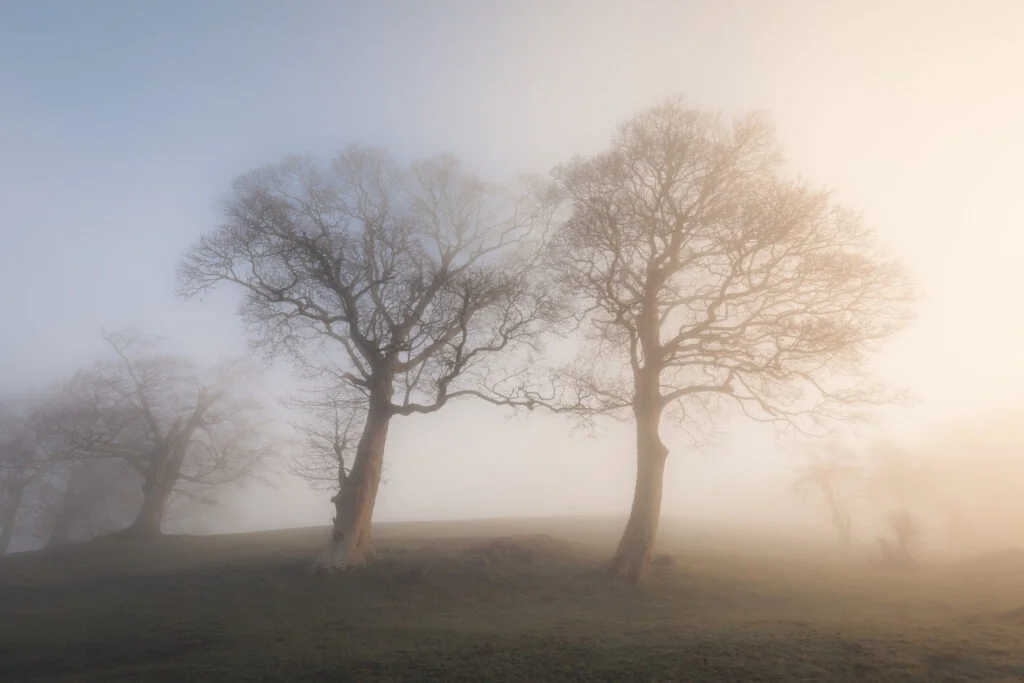
Think about how differently the same ground looks at sunrise, under the flat white light of a summer afternoon and in the soft pastel glow of twilight. Warm, low-angled light at golden hour pushes colour toward amber and gives texture a sculpted edge. Harsh midday light flattens contrast and bleaches colour, which is why it's so often avoided. Twilight does something else entirely: it lowers contrast, cools the tones and lets the sky and the land share the frame as near equals.
Those differences matter because every colour in the scene responds to them differently. A green slope that looks rich under warm side light can turn muddy under overcast skies. Carr's point is that you can't predict these interactions from a checklist. You have to watch them happen, repeatedly, until you can anticipate them.
Observation first, camera second
The opening tips in Carr's list ask for something many photographers skip: time without a camera. Go outdoors and simply pay attention. Ask how the light touches different surfaces and how it travels across the land as the hours pass. This sounds almost too simple, but it's the foundation for everything else.
Carr extends this into daily life. Watch how light falls through the curtains in your own home, or how it catches a distant window on a hillside at sunset. Your eye is training in those moments whether or not you're carrying a camera. Plenty of photographers find that their compositions get stronger once they've spent a few months noticing light in ordinary places.
His second tip is a practical exercise worth trying on any subject that catches good light. Walk around it. Shoot with the sun behind you, then with the sun in front, then get low and look down from above. Each position reveals a different relationship between light and form. Pay attention to the style you keep drifting toward. That preference is useful information about the kind of work you're likely to make well.
Scouting, timing and the quiet hours
Carr's advice on revisiting places is where the learning compounds. Return to the same location across seasons and at different times of day. Scout it thoroughly. Within a few visits you'll understand how light moves through that particular spot, where it pools, when it reaches the ridge and which direction the shadows fall. That knowledge is hard to get any other way, and it turns a location from a pretty view into a place you can predict.
Timing is the other half of the equation. The best light is often brief, so being present matters as much as being prepared. Carr also points to the hours before sunrise and after sunset, when the world is quiet and the light can be unusually good. This is when many photographers miss their best frames because they packed up too early or arrived too late.
Intuition, rules and the willingness to break them
Carr's sixth tip is the most personal. Practise being present with the scene and let the light guide your choices. That's easier to write than to do, because most of us arrive with a plan. The aim isn't to abandon planning. It's to hold the plan loosely enough that a shift in the light can change it.
His seventh tip will irritate anyone who has been told to always shoot with the sun over the shoulder for even illumination. Carr doesn't buy it, and most of his photographs go against that guidance. Here's the thing: the advice isn't wrong so much as incomplete. Front light, back light and side light each carry a different mood, and a rule that removes two of the three leaves you with a narrower set of pictures. Break the rule when the light gives you a reason to, and understand the reason well enough to know what you're trading away.
The eighth tip pushes the same idea further. Get above the light and below it. Shoot toward it and away from it. Try the scene with morning fog softening the edges. Carr's view is that openness to every possibility is how a personal style forms. Nobody arrives at a signature look by following someone else's checklist.
Small adjustments, big differences
The final tip is the most technical and easy to underrate. Tripod height, focal length and lateral lens movement might each seem minor. Together they change where edges fall, how foreground and background overlap, and how the light catches a surface. Lowering the tripod by a few centimetres can turn a flat rock into something with shape. Shifting the lens sideways can separate a tree from a hill that was tangled with it.
These adjustments are where observation becomes composition. Once you've learned how light behaves in a place, small changes in camera position give you real control over which parts of that behaviour appear in the frame.
Where this leads
What Carr describes is a long apprenticeship with light rather than a shortcut to it. Repeated scouting, patient observation and a willingness to break your own habits will do more for your work than any single piece of gear. My read is that the photographers who improve fastest are the ones who start treating every outing as a lesson about light, not just a search for the next good frame.
Carr's own work is worth studying with that in mind. You can see more of his photography at bradcarr.com. Start by picking one location you know well, visit it three times at different hours, and compare what the light did each time. That exercise will teach you more about light than another week of reading about it.