First day cover ·
Naval Sword Arch and Ceilidh at Hodsock Priory: A South Yorkshire Wedding
Mark Tierney's Anston and Hodsock Priory wedding pairs a Royal Navy sword arch with a lively ceilidh. Here's what it shows about working across a full day.
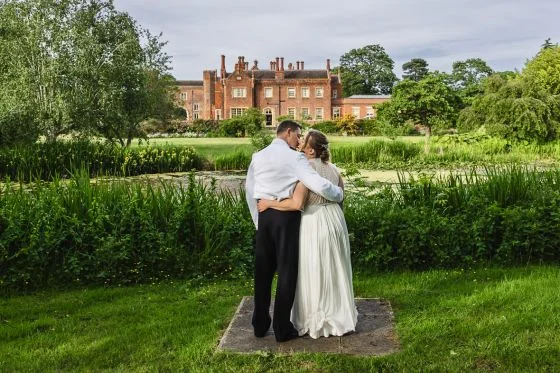
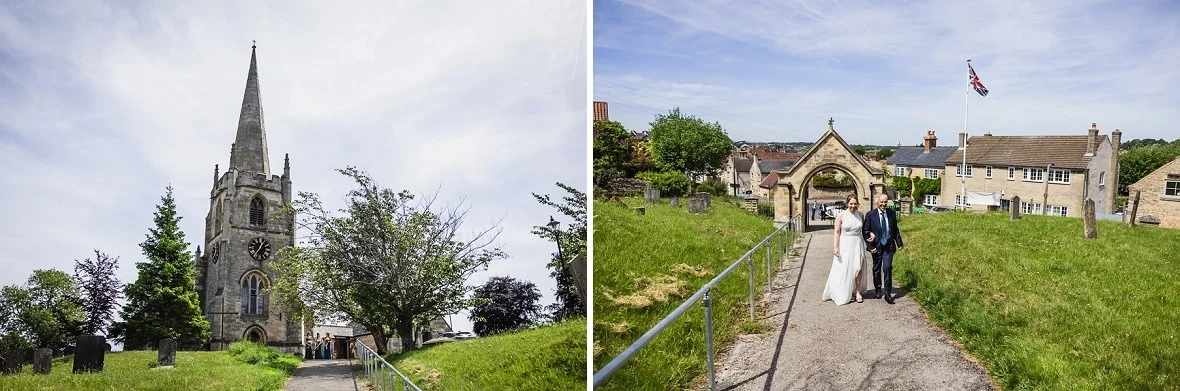
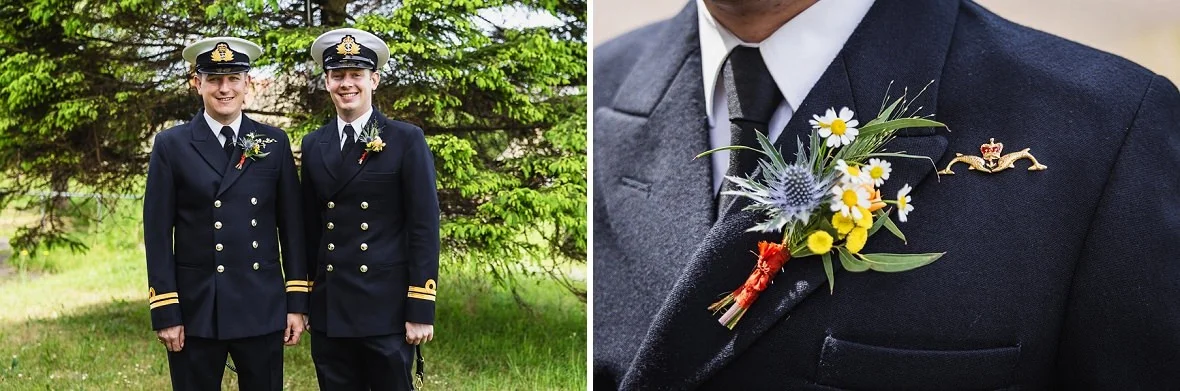
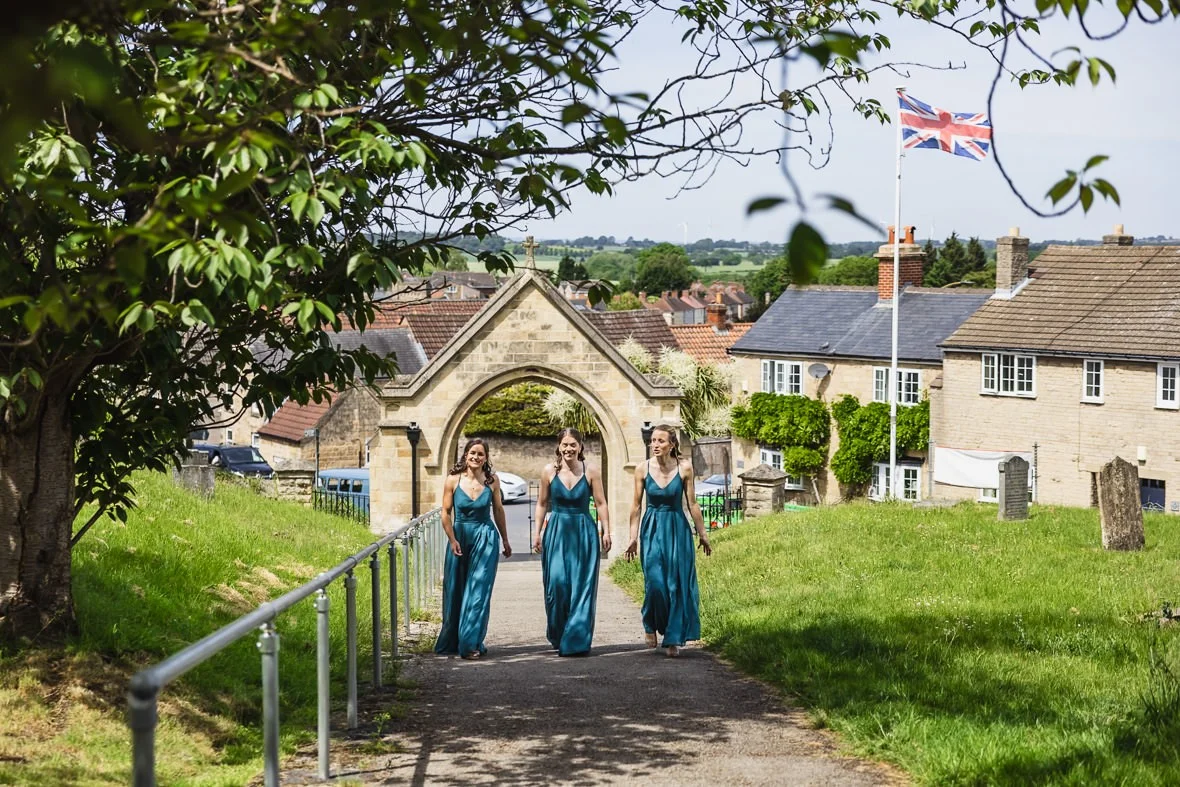
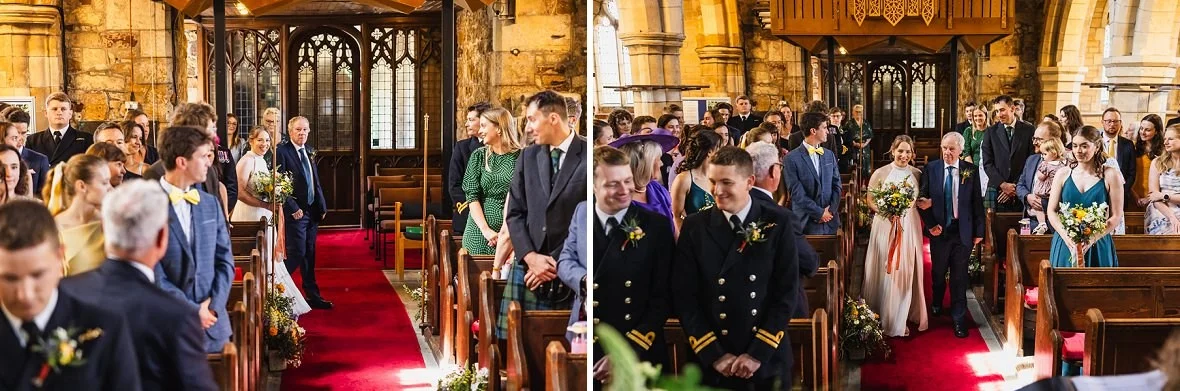
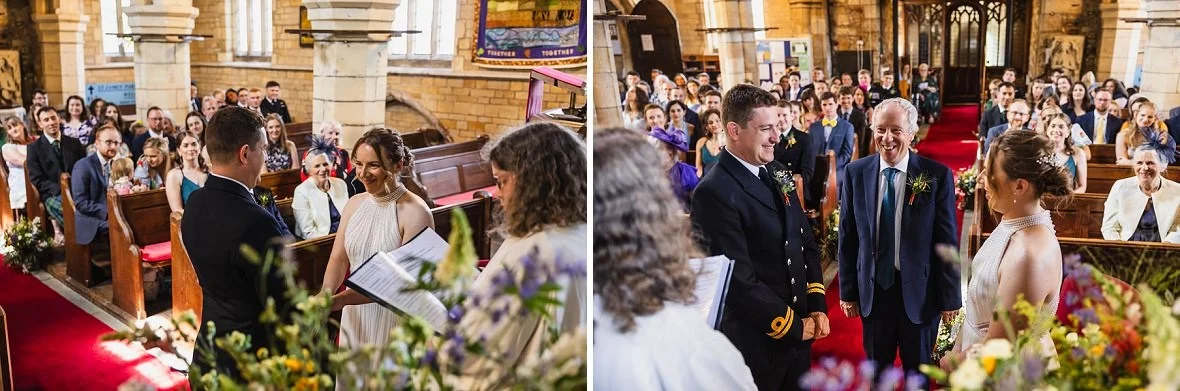
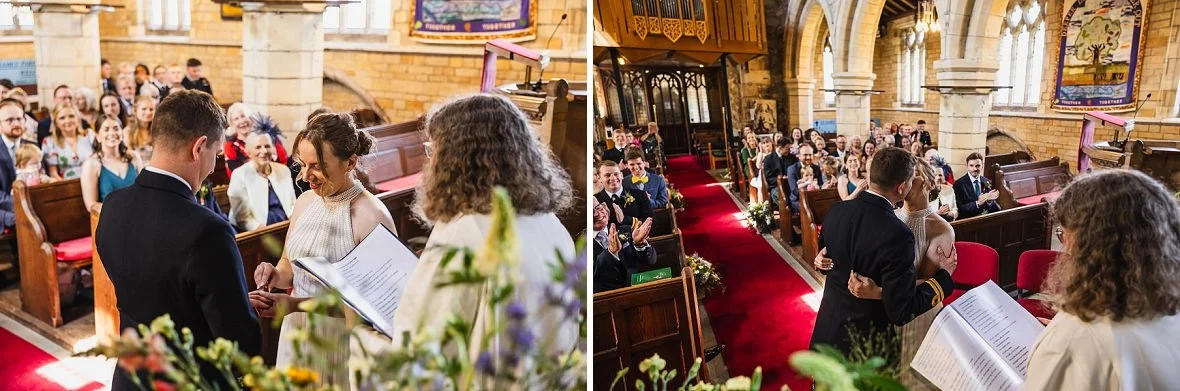
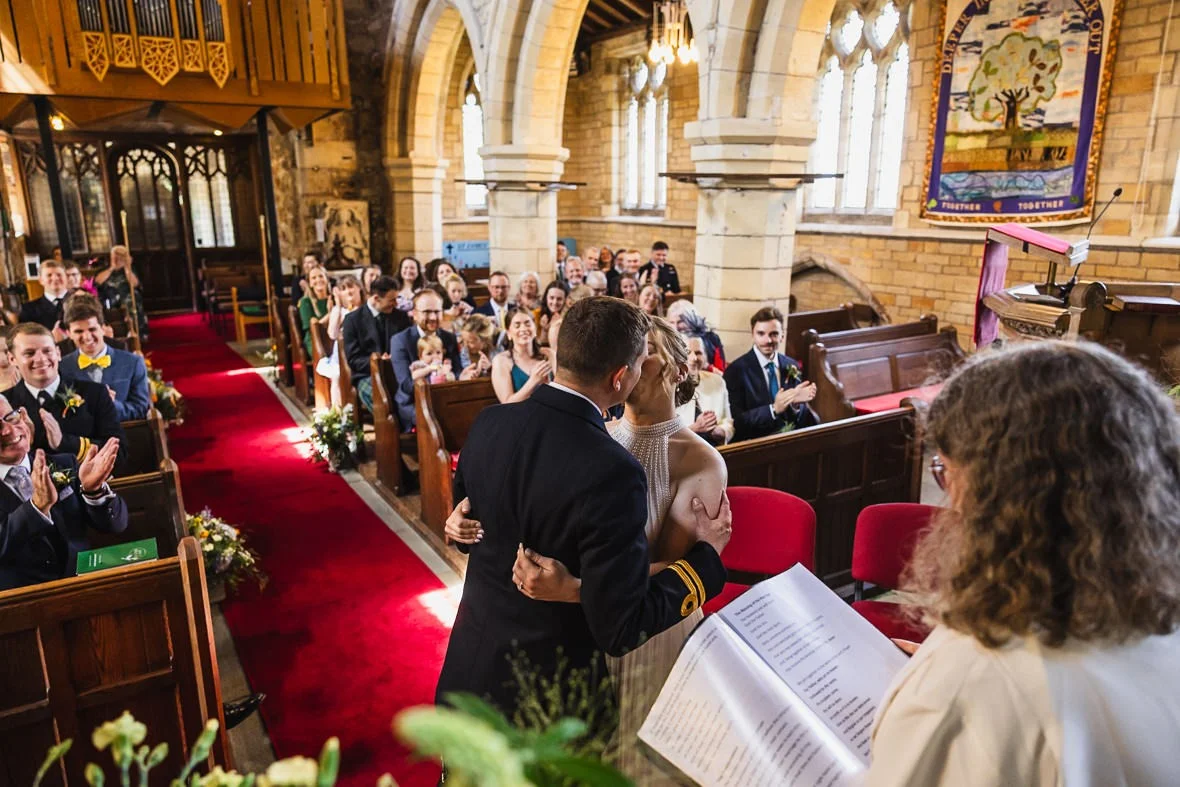
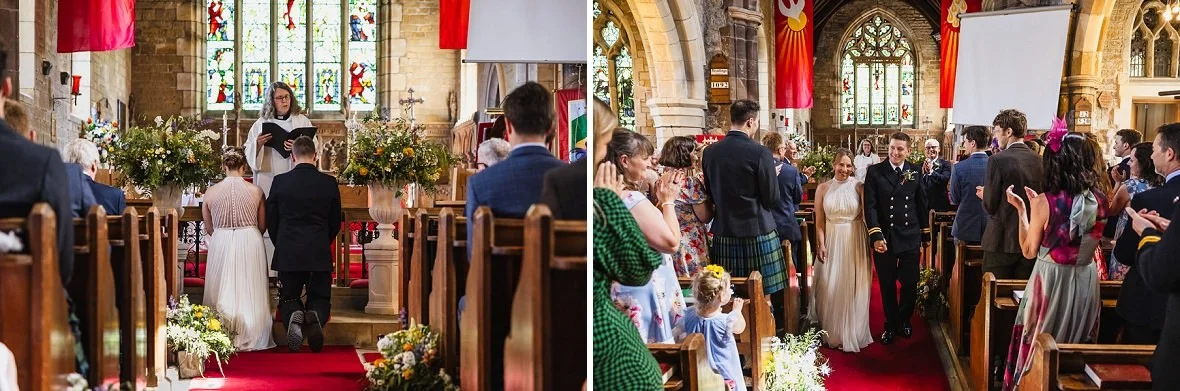
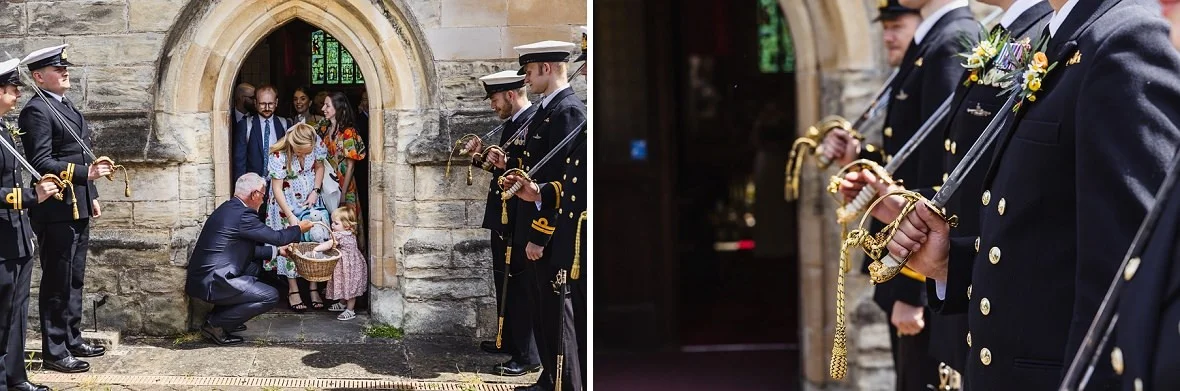
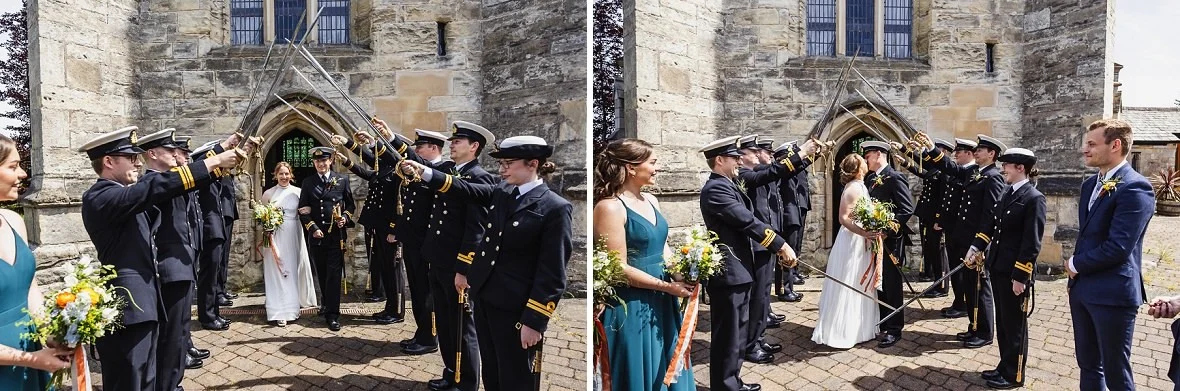
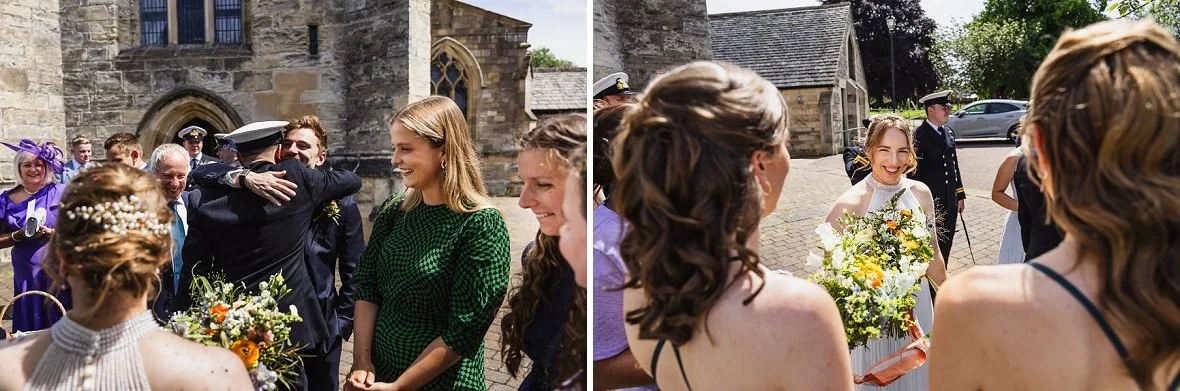
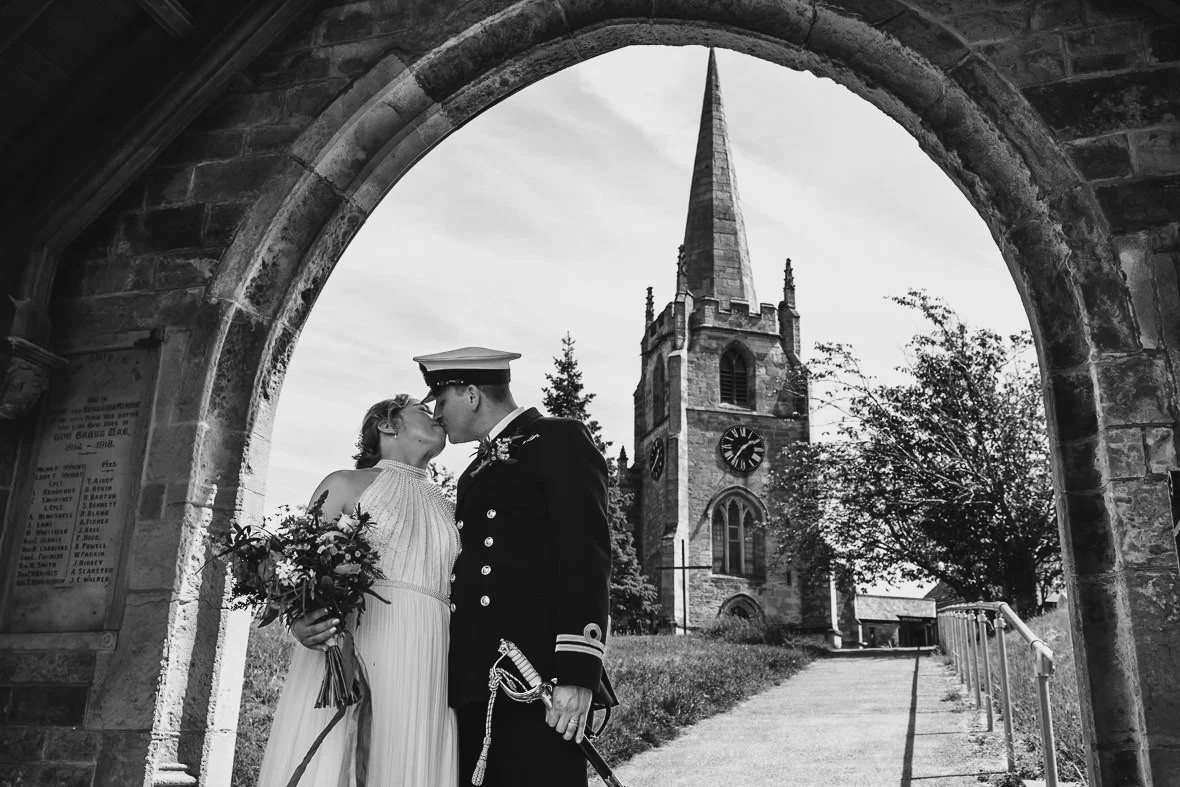
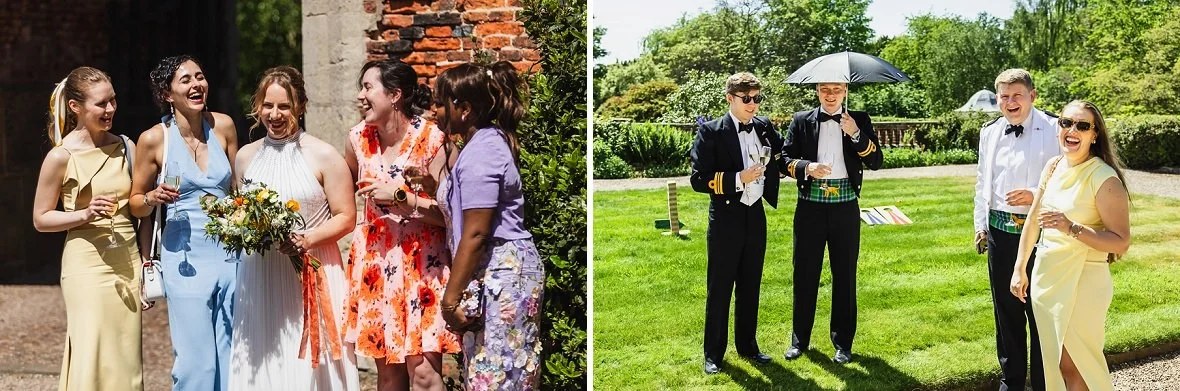
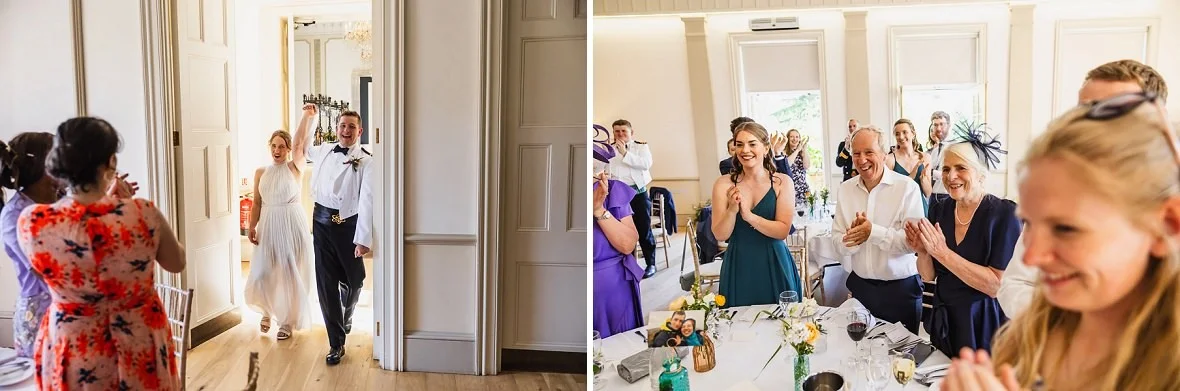
Some weddings give you a single strong setpiece. This one gave Mark Tierney three very different ones in a single day: a church ceremony, a naval sword arch on the way out, and a ceilidh that refused to stay orderly. Laura and Ollie were married at St James' Church in Anston and then moved on to Hodsock Priory for the reception. Ollie serves in the Royal Navy, and that thread runs through the day in a way that gives the photographs a clear narrative backbone.

Church, sword arch and confetti
Churches are unforgiving for available-light work. Stained glass and stone can push you toward high ISO, mixed white balance and slow shutter speeds, and you often can't move around as freely as you'd like. The priority is usually to hold a clean, sharp frame of the couple during the vows while keeping the image from going muddy. A fast prime lens at its widest working aperture, with the shutter speed set to freeze hands and faces rather than to chase the ambient level, tends to be the starting point. Exposure can be pulled back in post, but motion blur on a key moment can't be rescued.
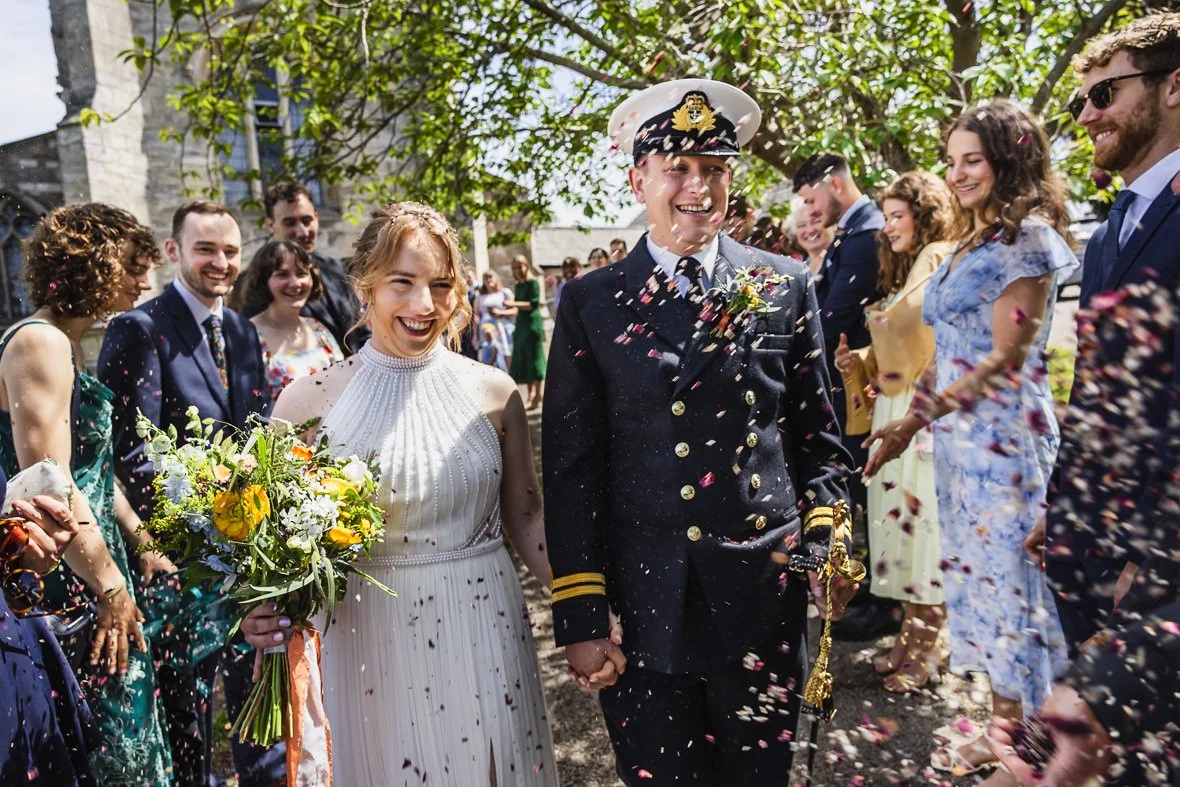
The exit is a different problem. A sword arch is brief and somewhat choreographed, so the job is to anticipate the moment the blades cross and be in position before the couple reaches it. Shooting from slightly low, with the arch framing the couple, makes the geometry work. Once the couple leaves the church, confetti usually takes over, and that's where a fast shutter and a bit of foresight about where the throw will land pay off. Mark's frames from this stage carry the energy of the moment, which is exactly what this kind of exit should deliver.
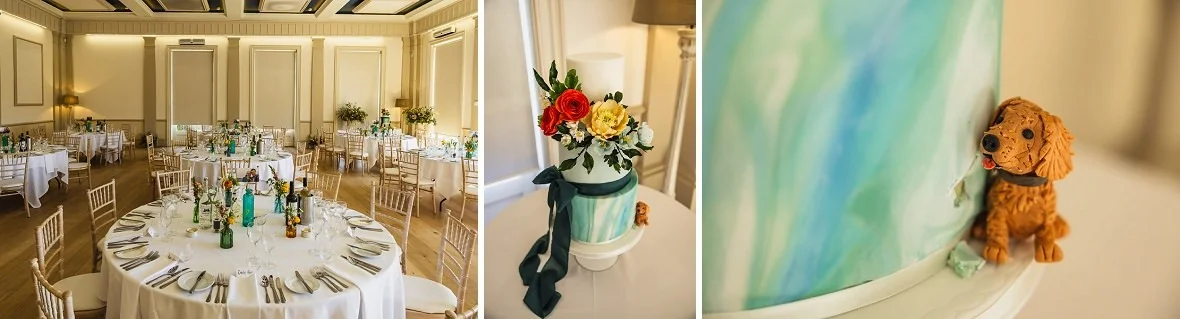
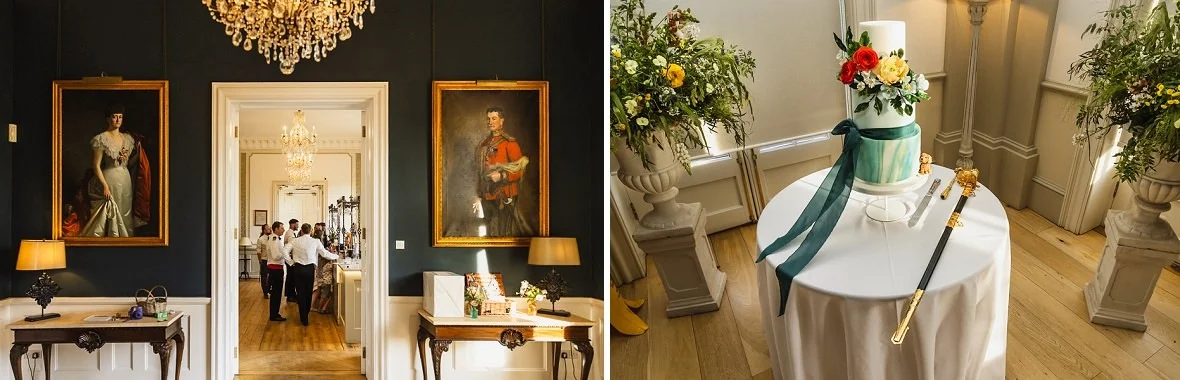
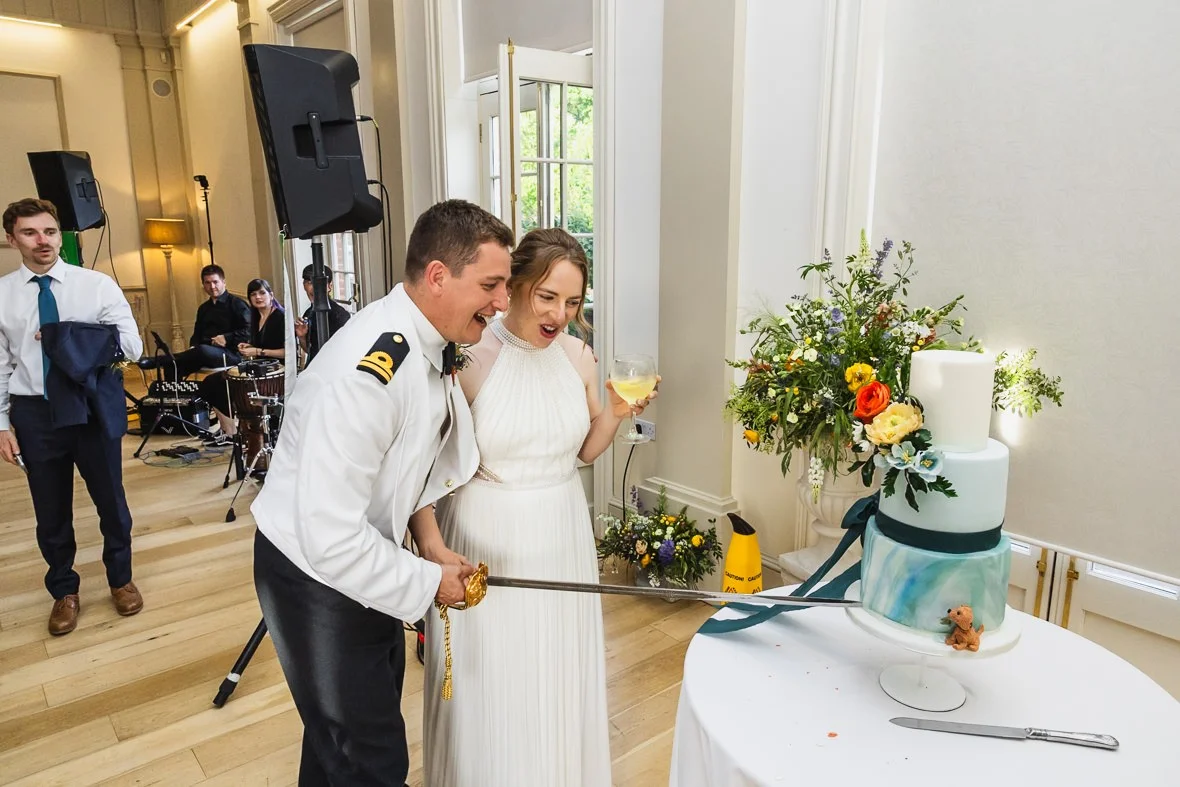
The sword came back out for the cake. Repeating a prop across the day works well as a visual thread, and it's a sensible reminder to keep an eye on the details that connect one part of a wedding to another.
Using a country house across the afternoon
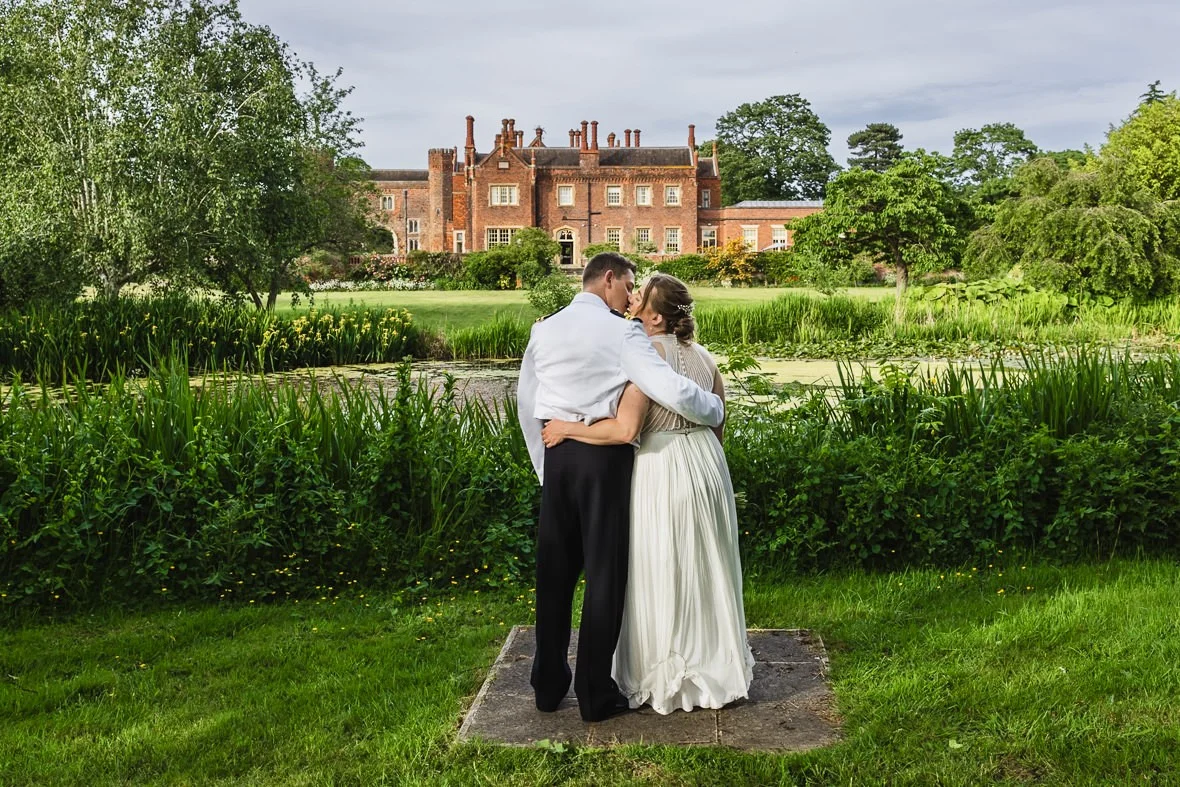
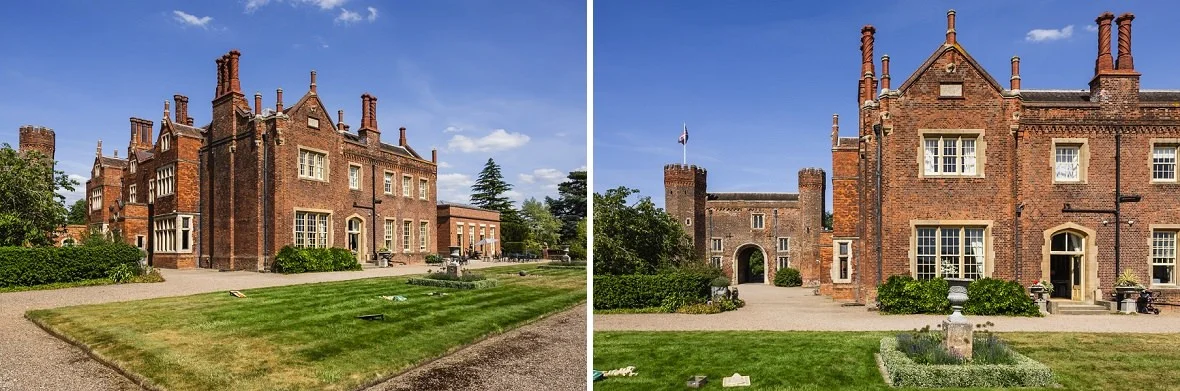
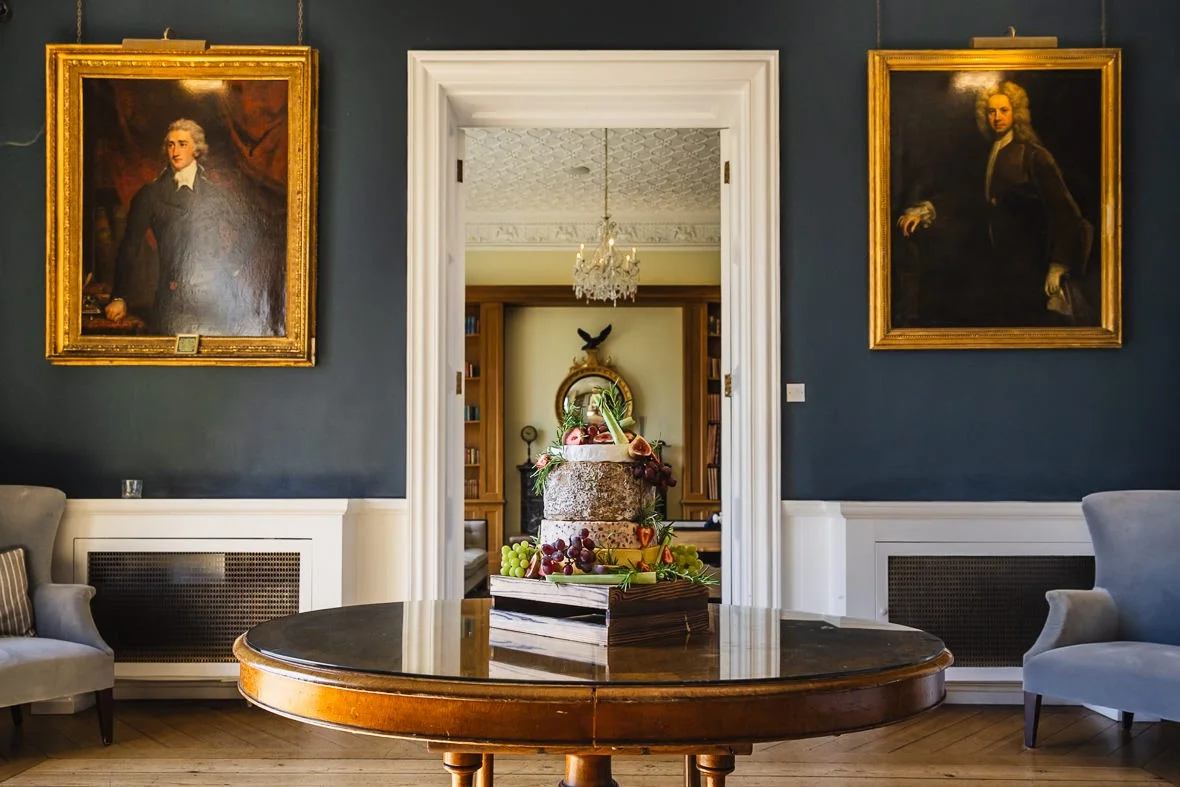
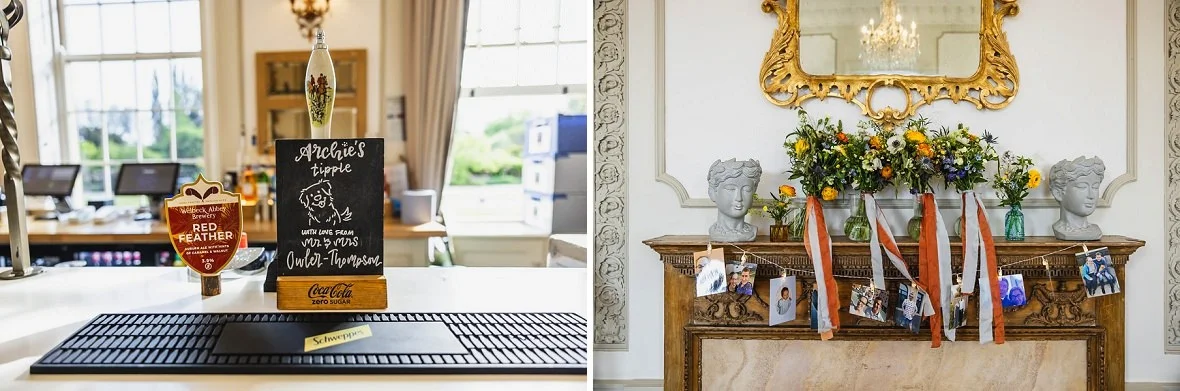
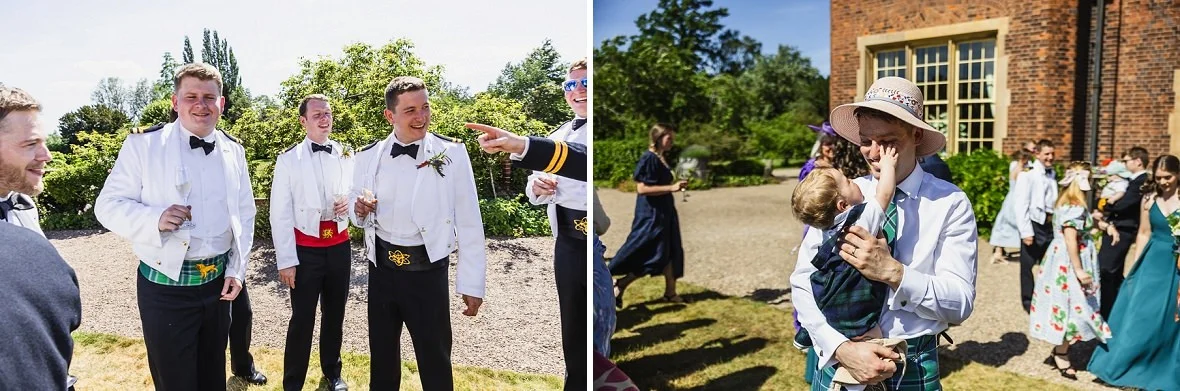
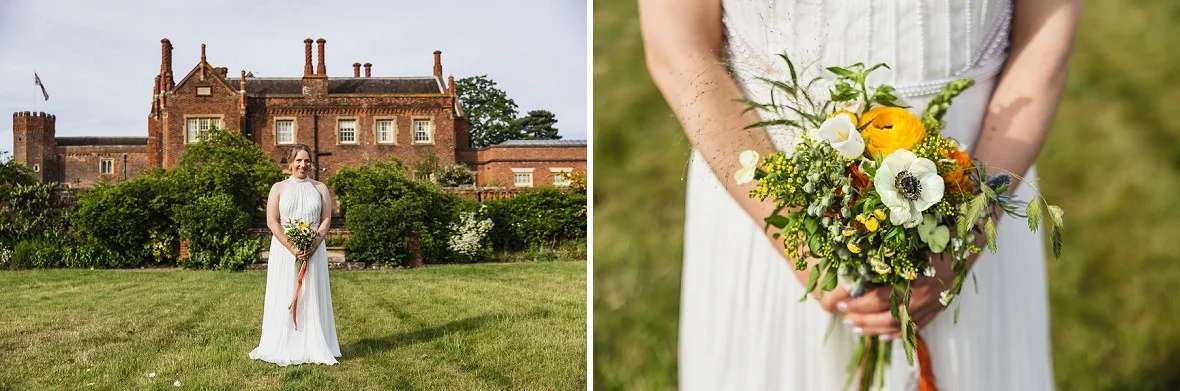
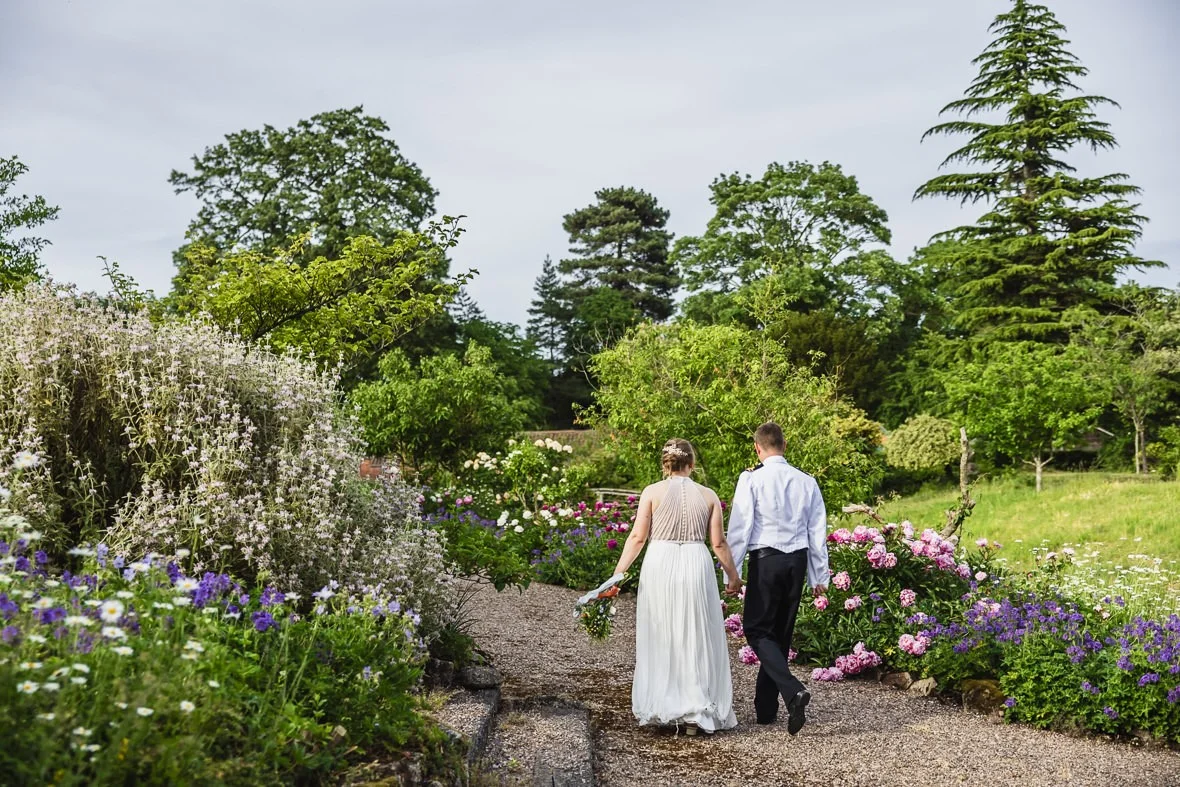
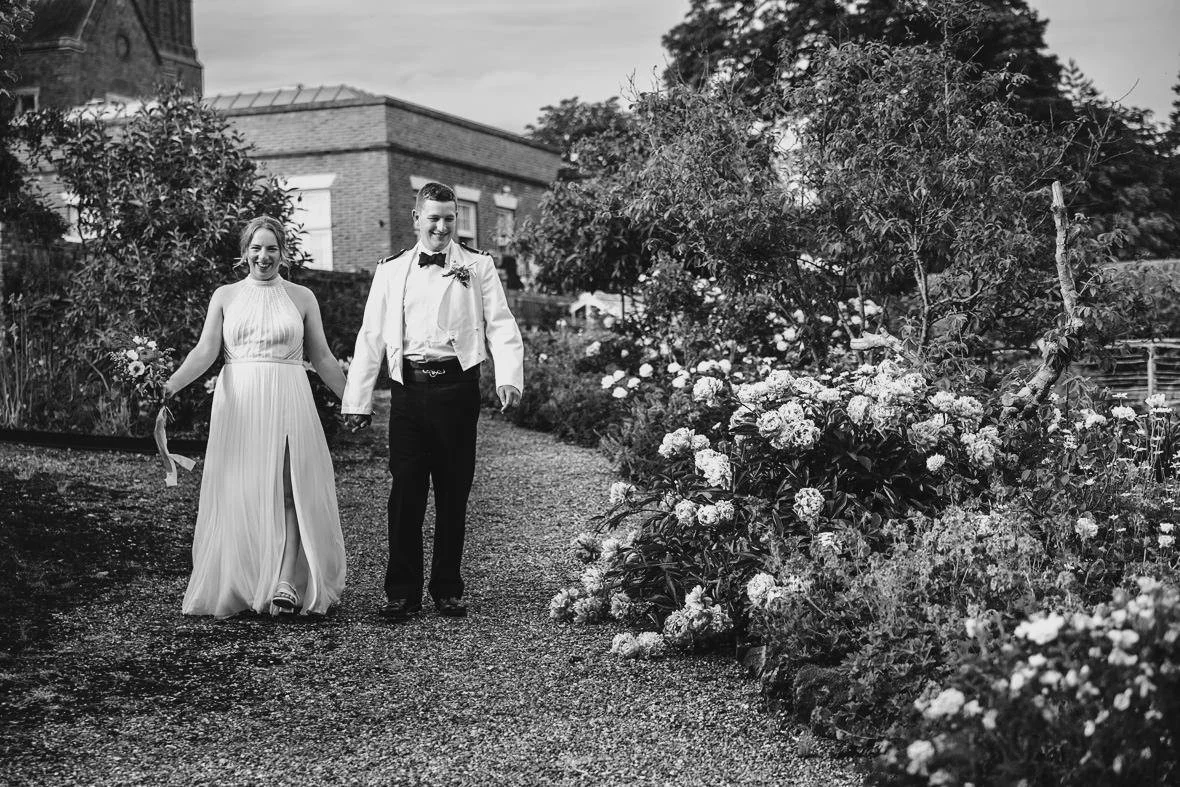
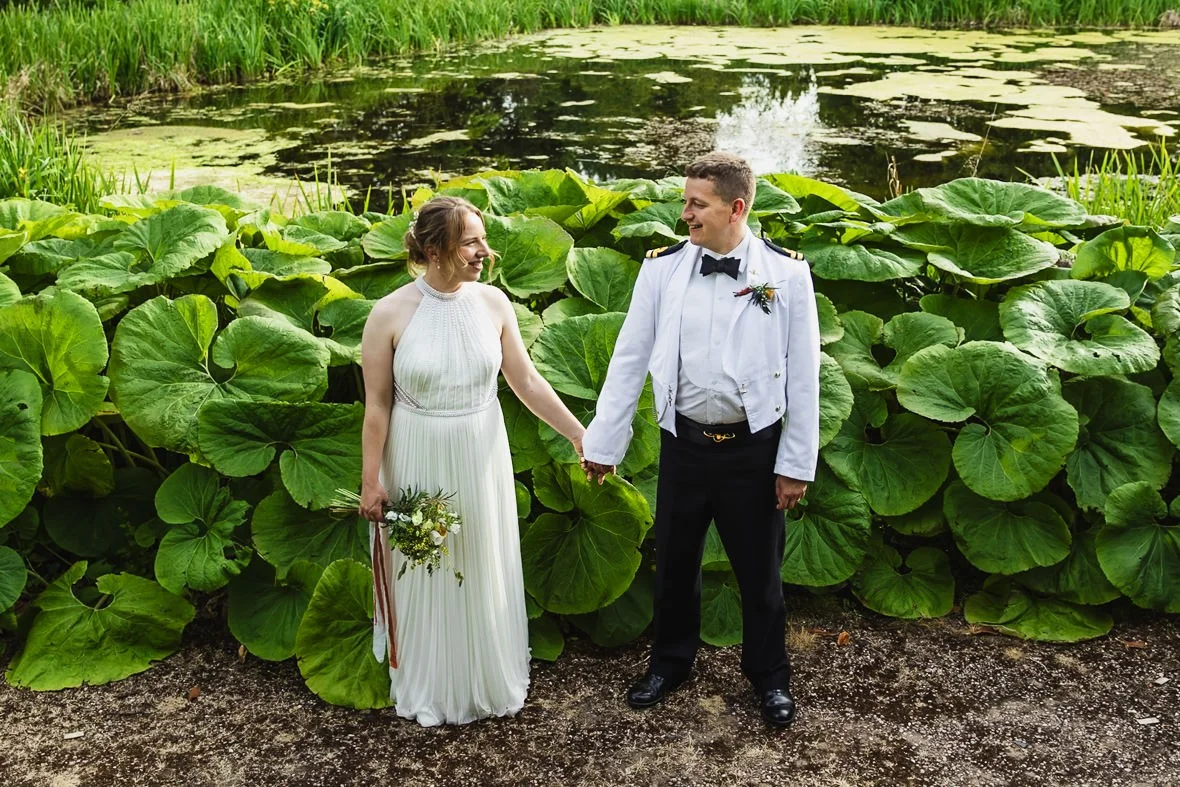
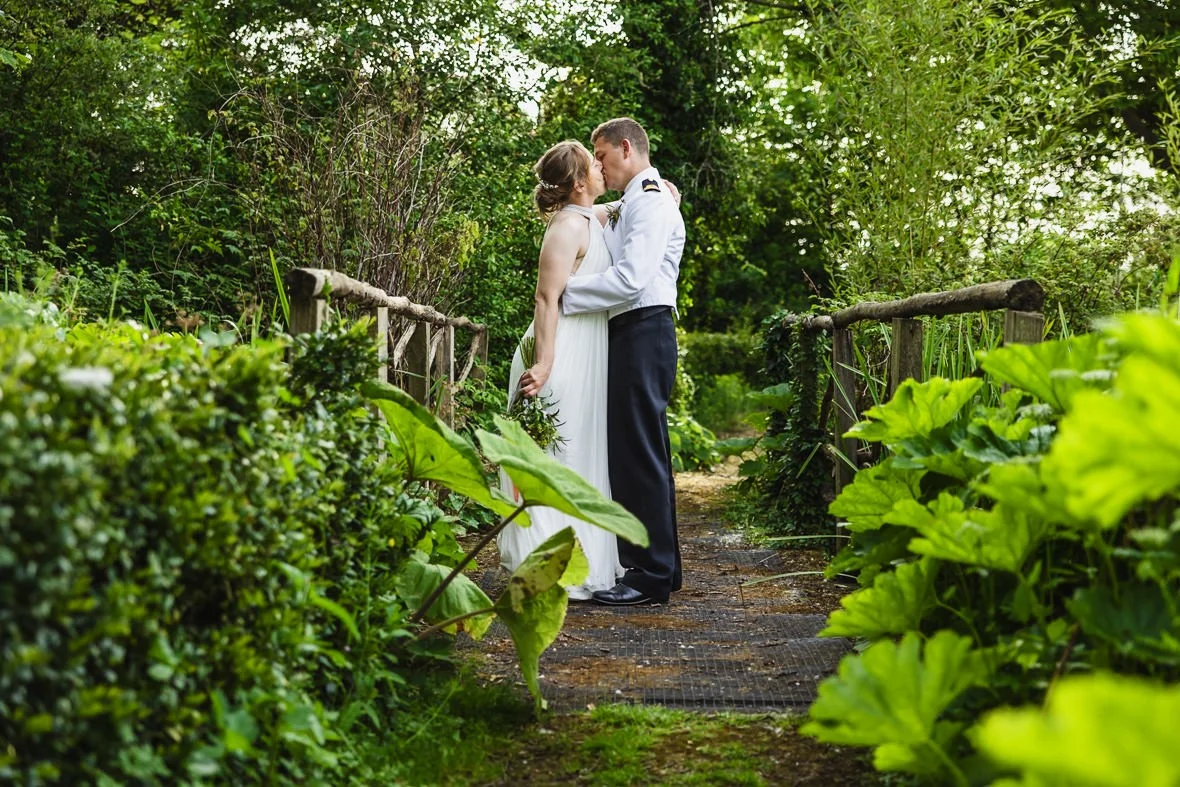
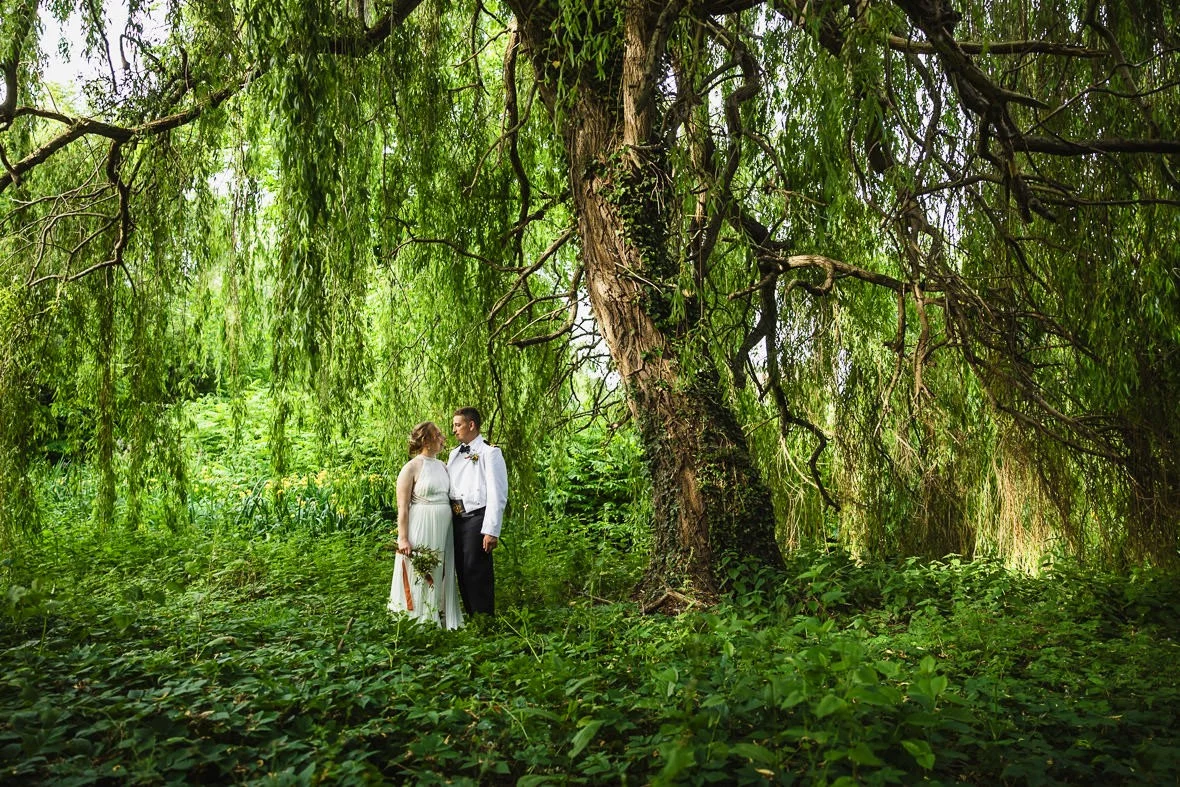
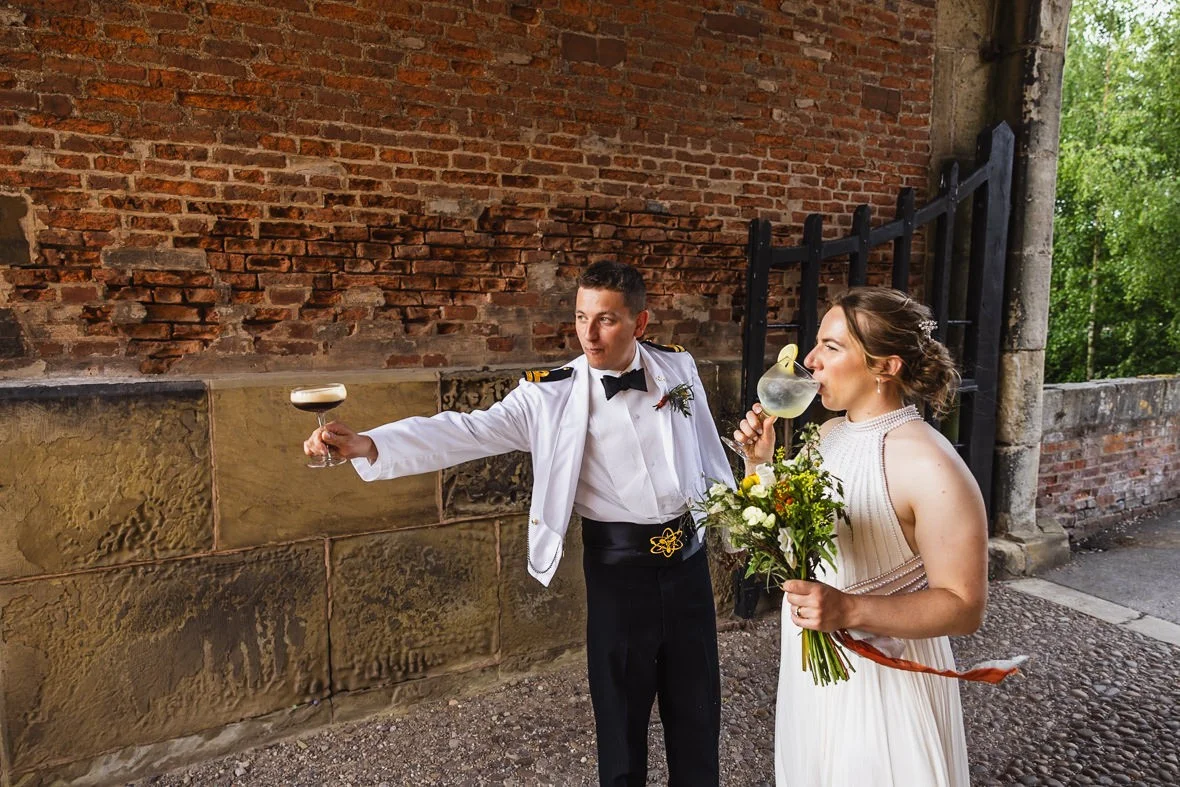
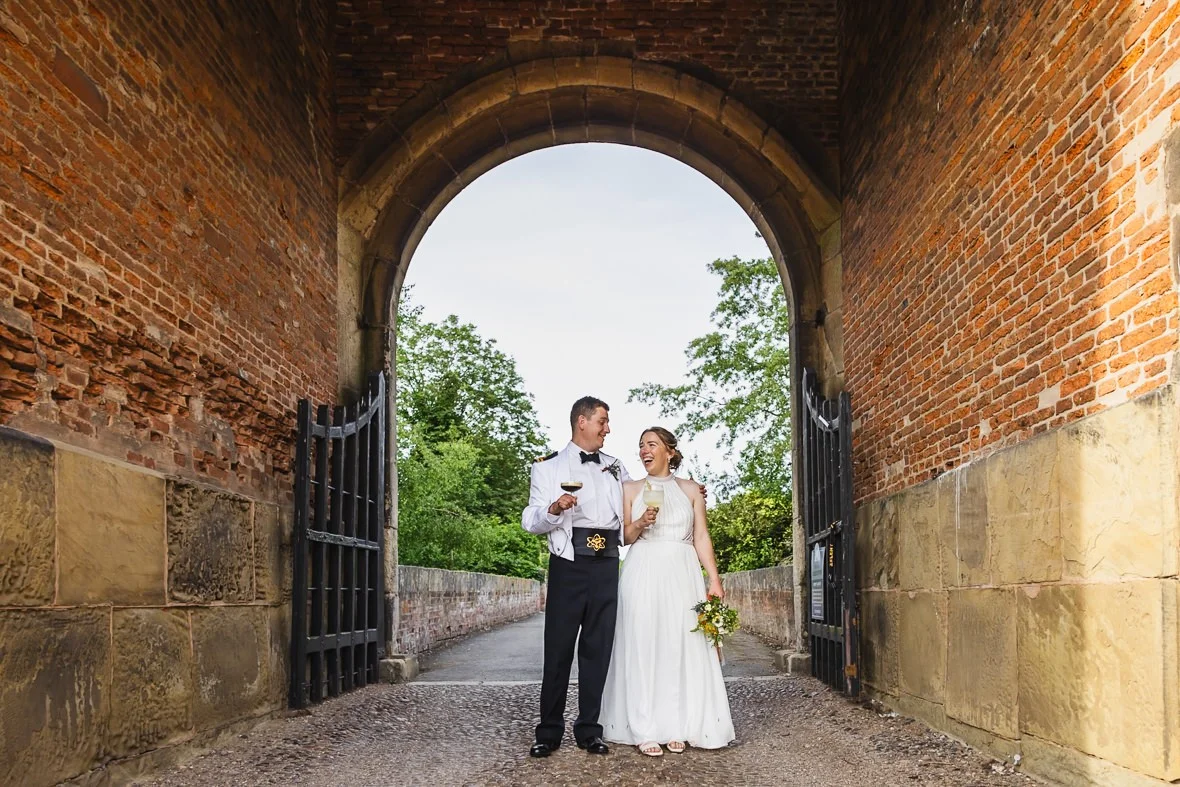
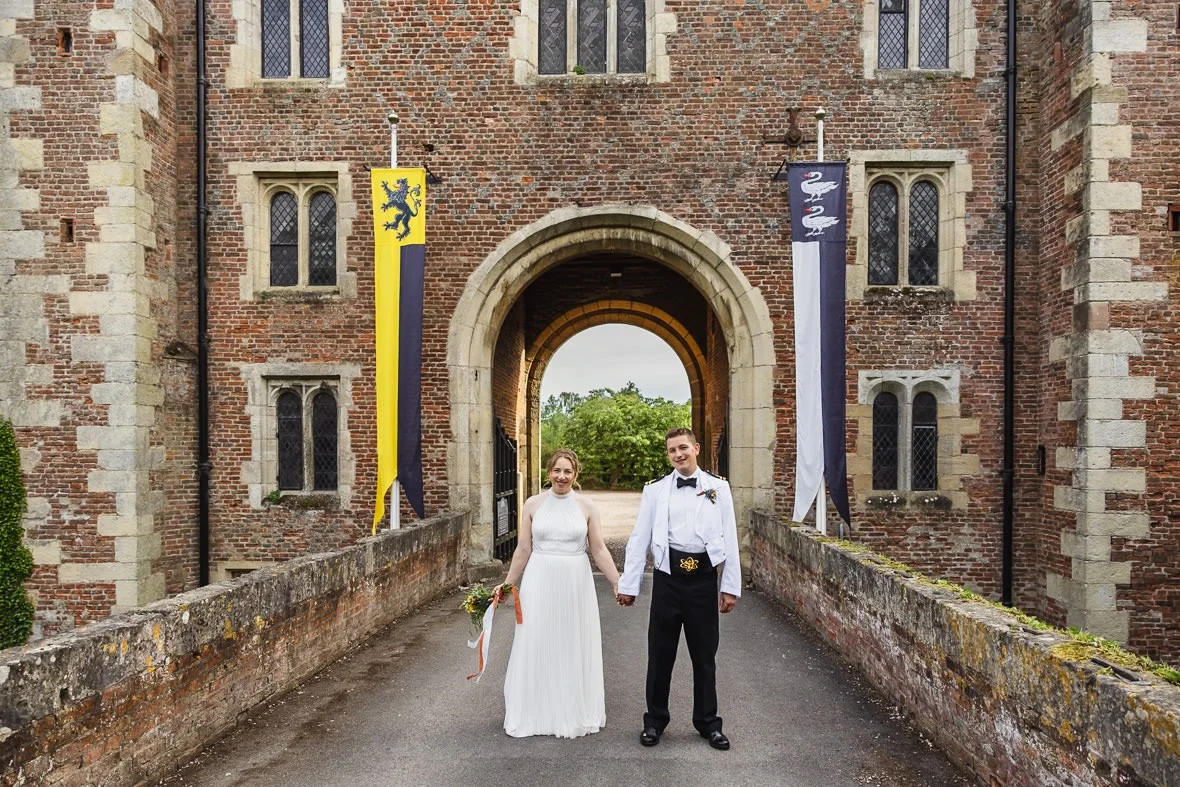
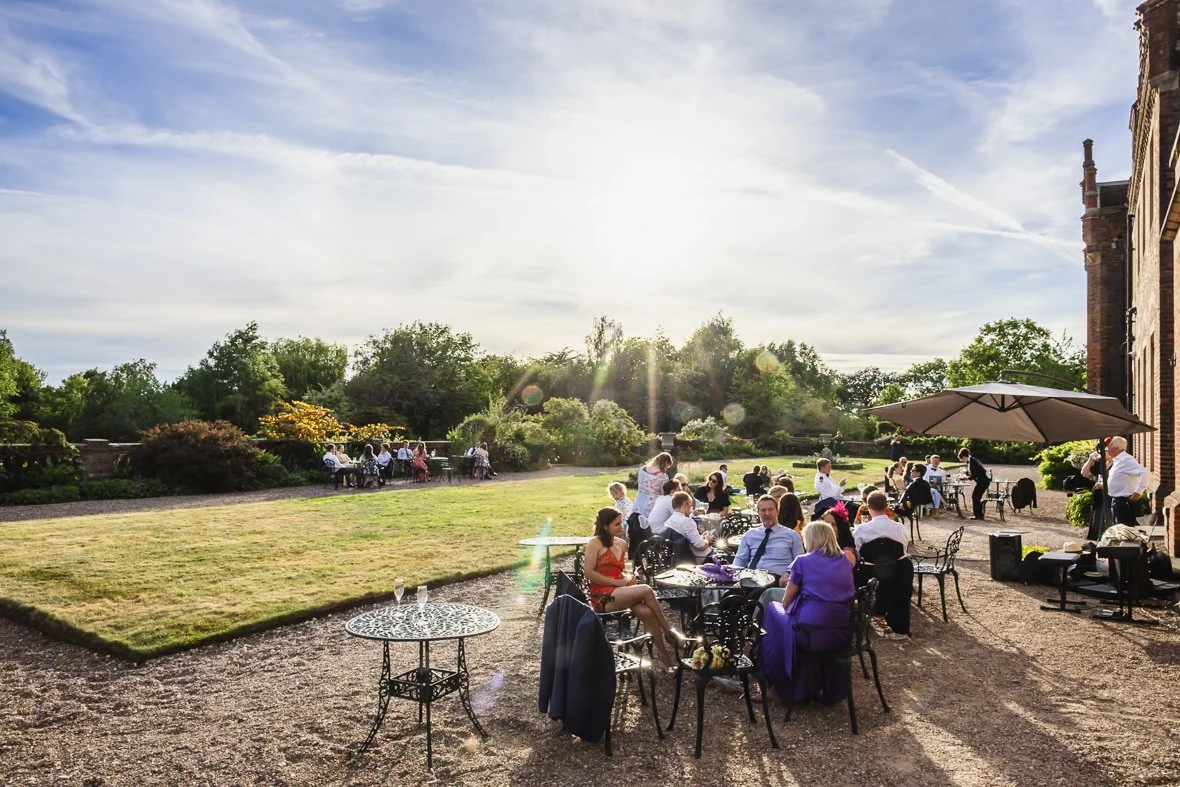
Hodsock Priory is a useful example of a venue that gives you variety without demanding long walks. The old red-brick house, the gardens and the historic gatehouse each offer a different light quality and background. For portraits, the practical trick is to scout these spots during the earlier part of the day, then move the couple between them in short, efficient loops. That way the portraits feel relaxed and unhurried, and the couple still has time to enjoy their own reception.
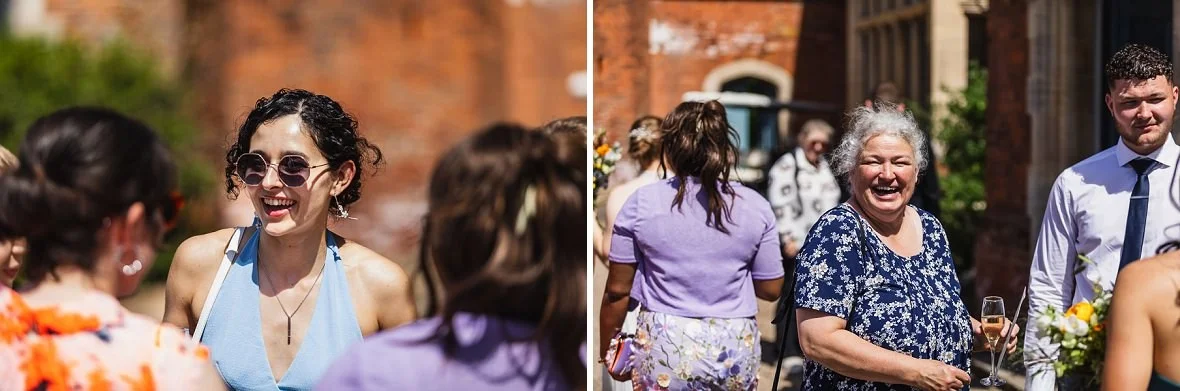
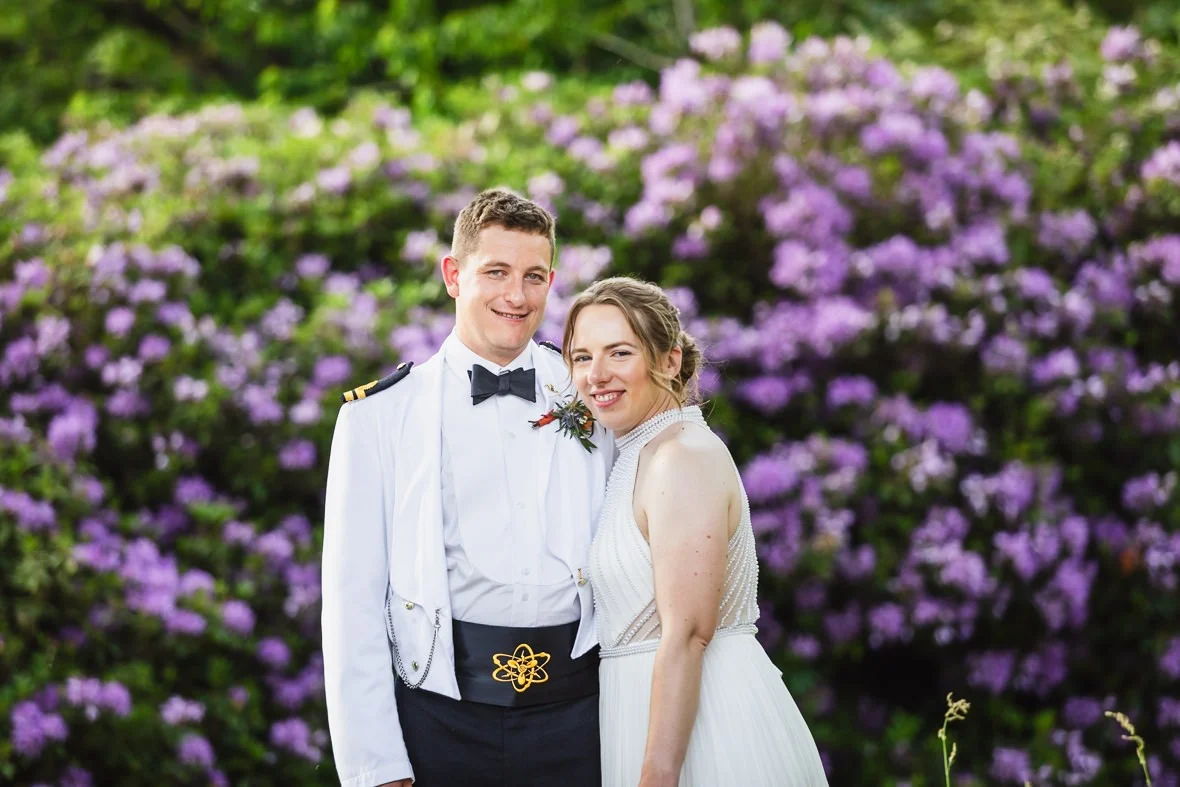
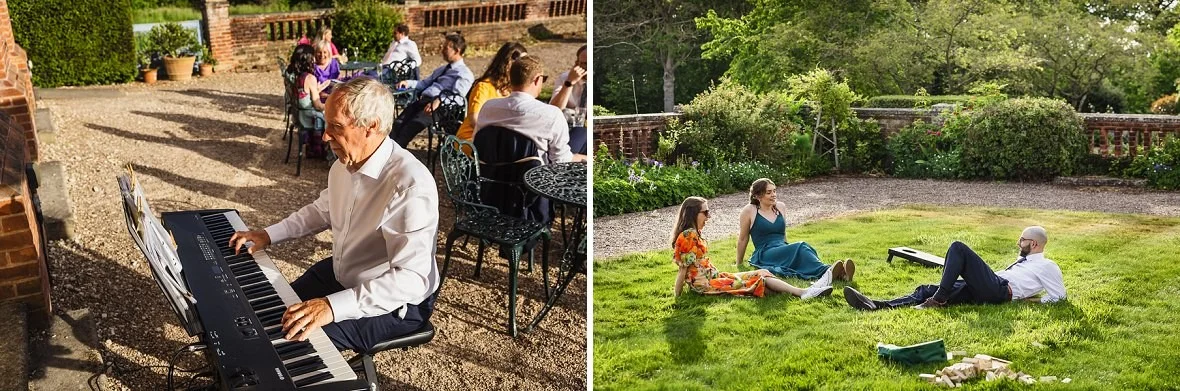
Mark notes that the weather cooperated, which gave the guests a proper afternoon in the gardens before the evening celebrations. Outdoor light on a fair afternoon is soft and directional enough for natural portraits. Placing subjects so the light falls across the face rather than straight down, and keeping backgrounds distant enough to fall away, is most of the work. Flash can fill shadows if the sun is harsh, but on a day like this, a reflector or simply good positioning often does the job.
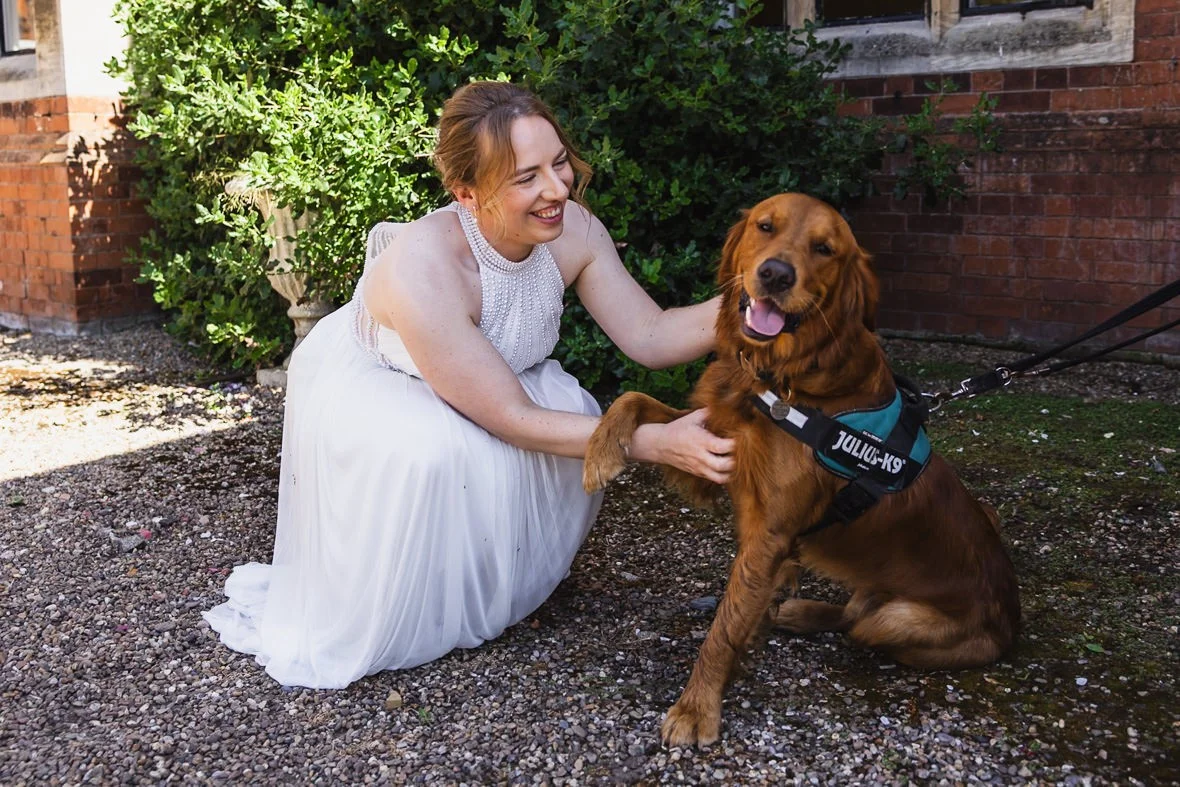
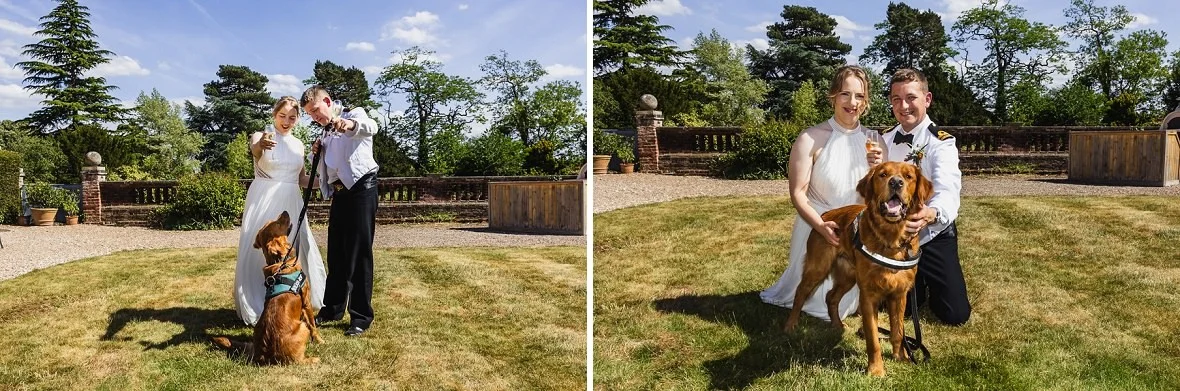
The dog, Archie, was an unexpected addition to the portrait mix. Animals are notoriously unpredictable, and a good approach is to let them set the pace. Short bursts, a bit of patience, and accepting that the best frame might come from a moment of distraction tend to yield the most natural results. Mark's comment that it's not clear who was enjoying the attention more is exactly the sort of candid observation that makes a gallery feel lived-in.
The ceilidh: light, motion and not much stillness
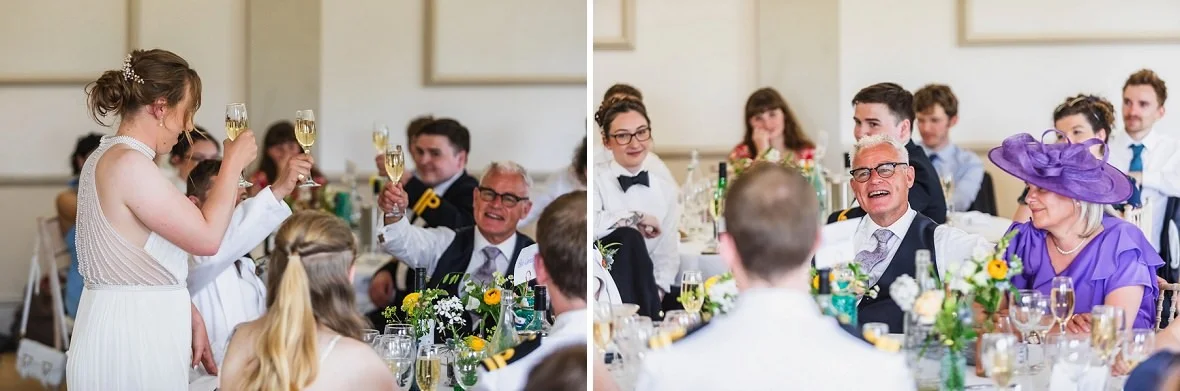
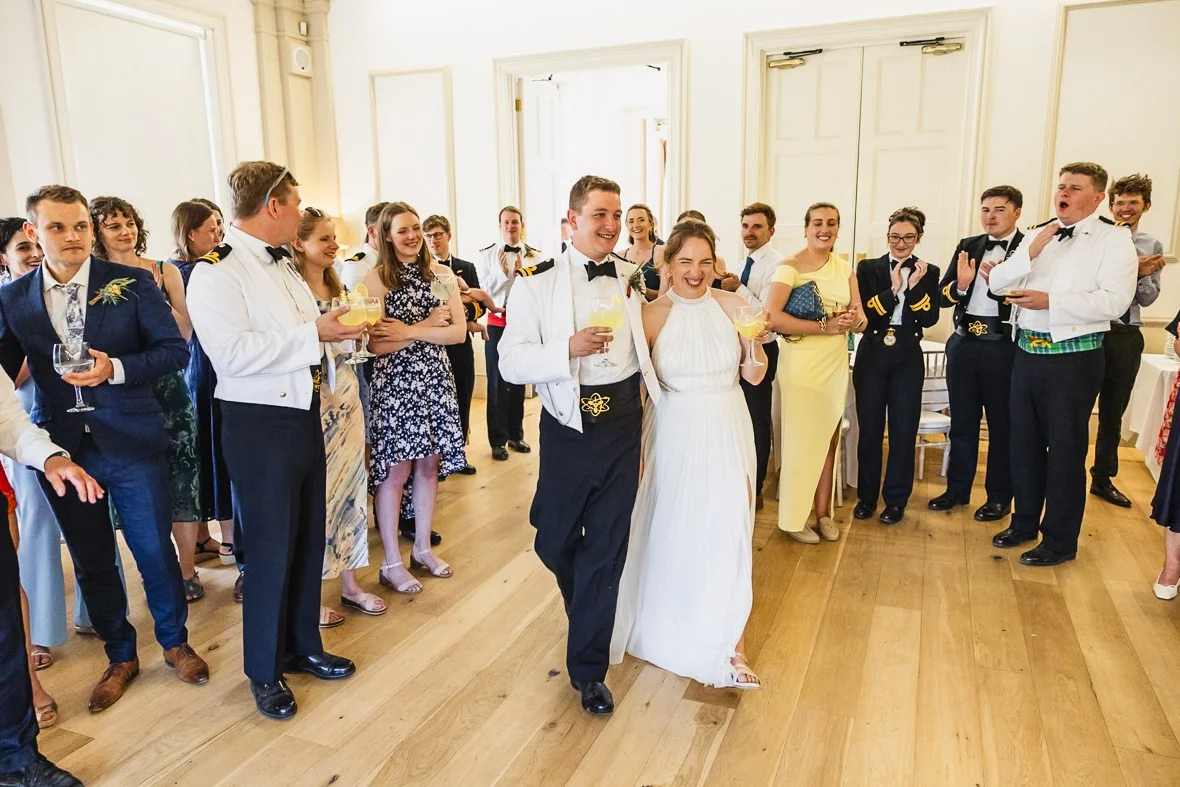
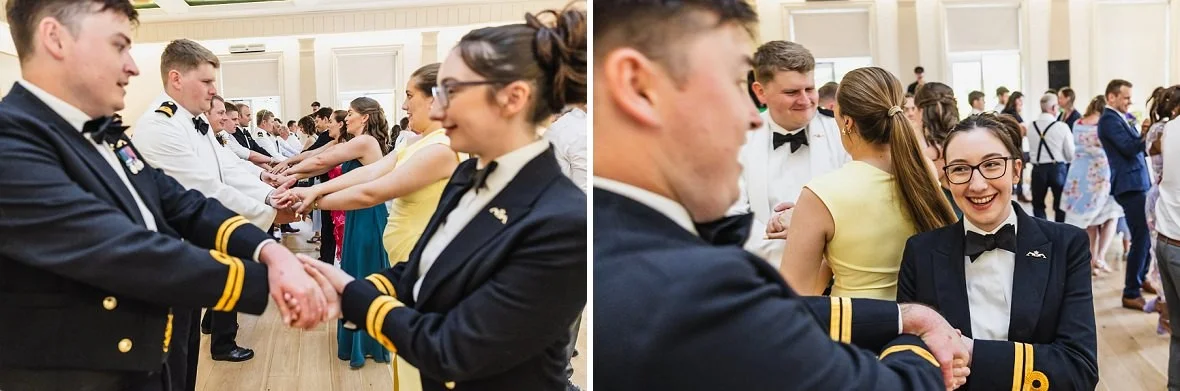
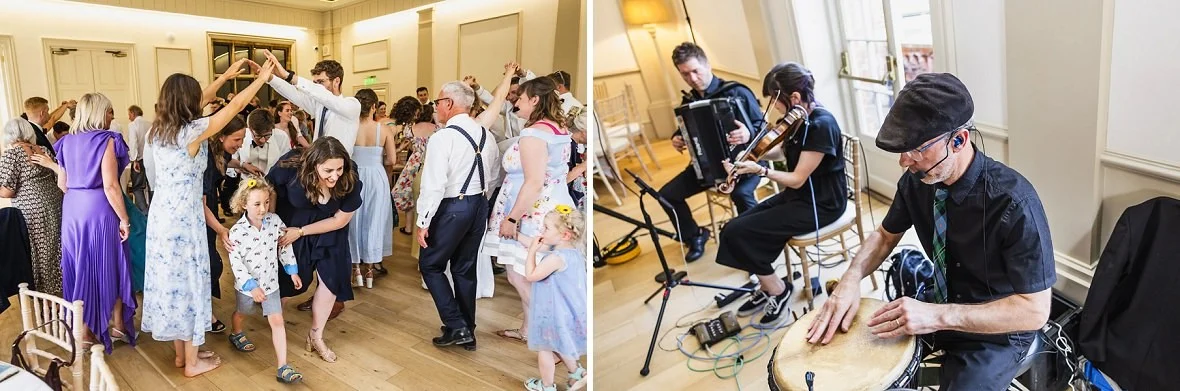
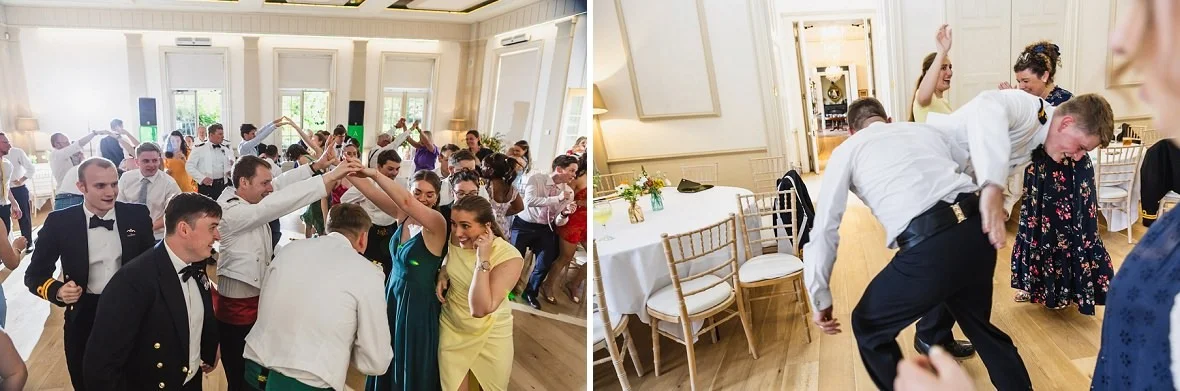
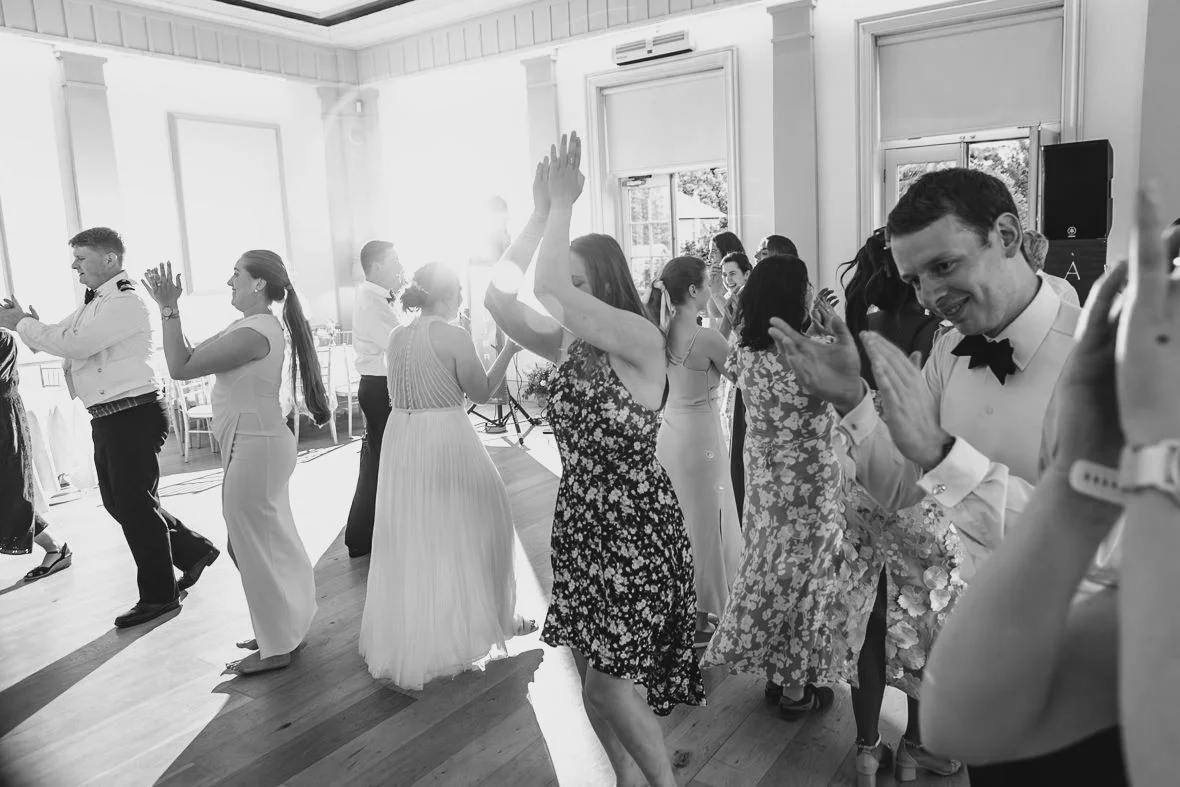
Ceilidh dancing is one of the most demanding environments in wedding photography. Movement is constant, lighting is often dim and uneven, and people fill the frame at close range. The usual approach is to combine a moderate shutter speed, enough to freeze spinning and jumping limbs, with flash used carefully to avoid harsh, flat results. Rear-curtain sync can help when you want the motion trail to follow the movement. Working at a slightly wider angle lets you capture the energy of the room, while longer lenses pick out faces in the middle of the chaos.
Mark's read on the evening, "lots of spinning around, laughing and the occasional person looking slightly unsure about which direction they were supposed to be going", is a good description of what a ceilidh photographer is aiming for. The best frames here come from reacting quickly and staying light on your feet, rather than trying to set up a shot in advance.
What stands out
The most useful takeaway from this wedding is about pacing. The church, the sword arch, the portraits and the ceilidh each asked for something different, and the coverage moved between them without losing the sense that the day belonged to Laura and Ollie. If you're planning a similar layout, with a faith-based ceremony, a themed exit and a high-energy evening, it's worth building your shot list around the transitions as much as the set pieces.
The supplier team behind the day is credited below, which is a useful reference if you're building a comparable wedding.
Laura's supplier credits
Florist: Laurenne Hopkins (@laurennehopkinsflowers)
Cake: Jo Brimble (@jojosbakes_)
Dress: Catherine Deane (@catherine__deane)
Dress alterations: Carol Meecham at Alter Girls Glasgow (@altergirlscarol)
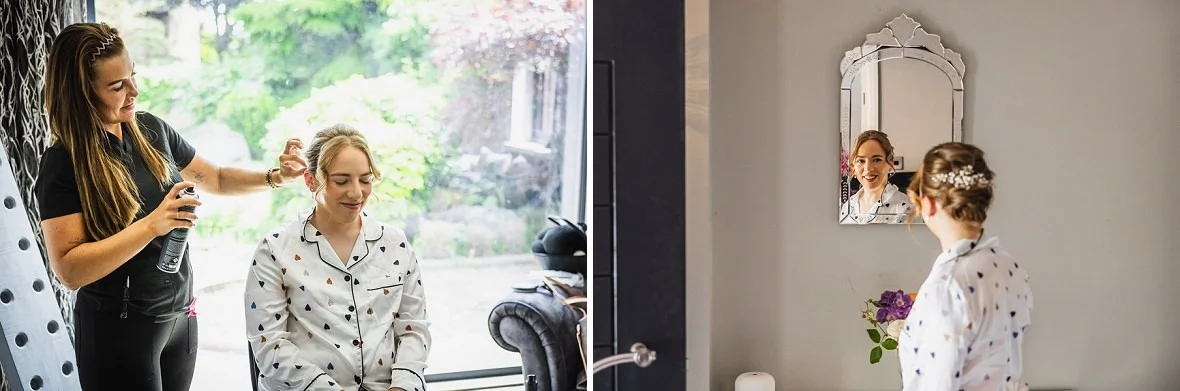
Hair: Bethany Grace
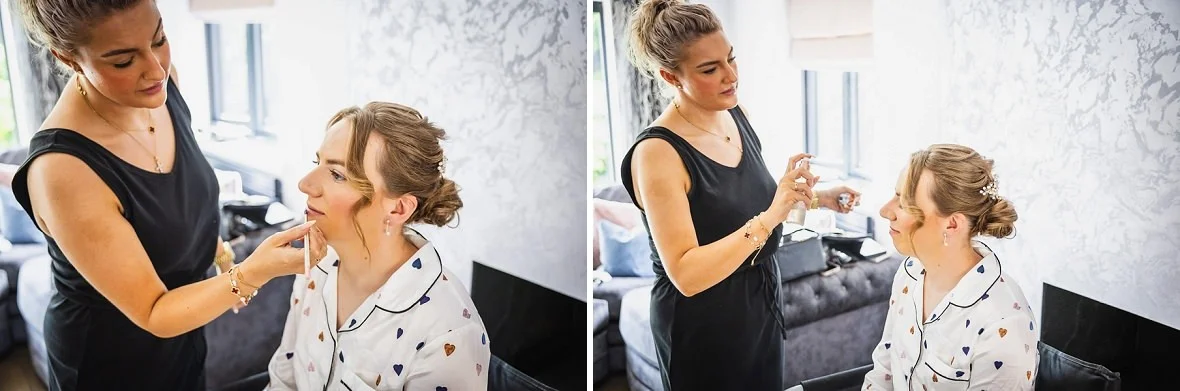
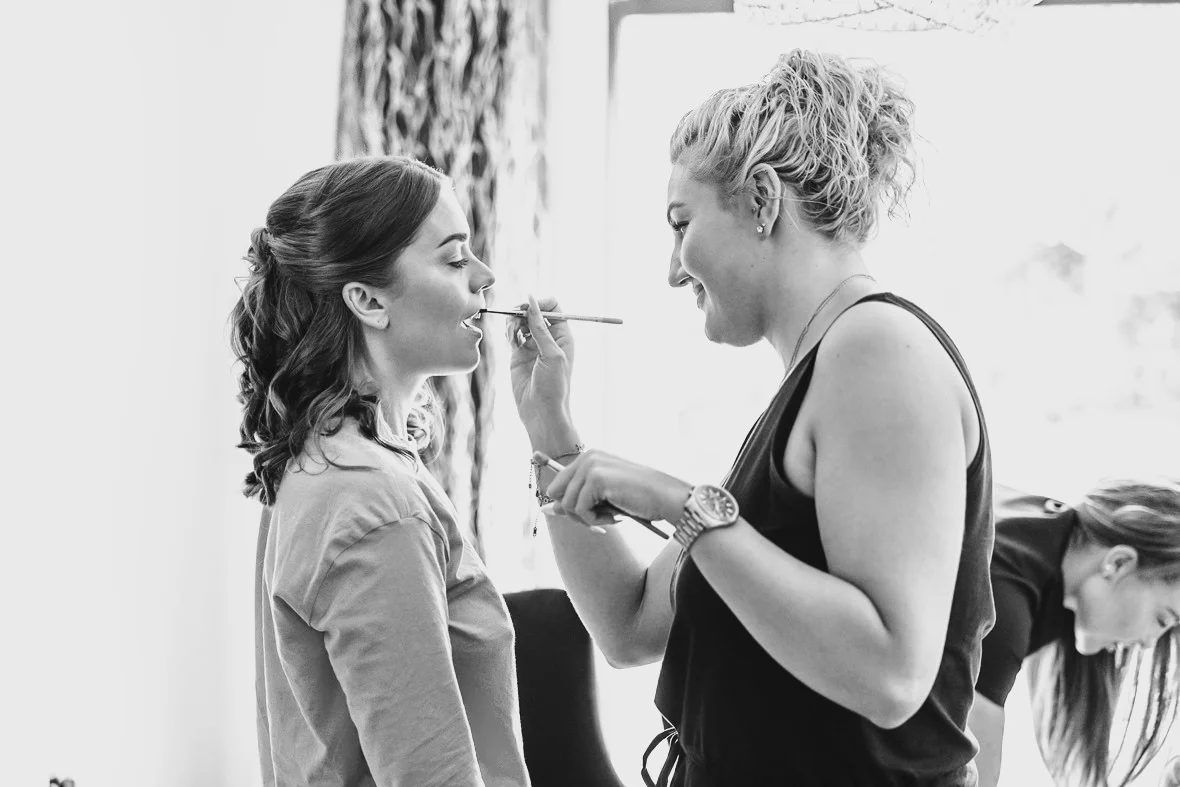
Makeup: Molly Wood
Dog chaperone: Jo Walpole (@jospetservices_worksop)
Band: Aluinn Ceilidh Band
Bridesmaids camper: Vintage VolksWeddings
Mark Tierney is a Yorkshire-based contemporary wedding photographer covering the UK and beyond. His style is relaxed and natural, focused on the real moments of the day with a few considered portraits where the opportunity arises. More of his work from Hodsock Priory, St James' Church and across South Yorkshire and Nottinghamshire is on Tierney Photography.
Gallery