First day cover ·
Rowan University Builds a Mobile Virtual Production Cart Around Blackmagic Gear
Rowan's RTF Department is teaching virtual production on a mobile cart built from Blackmagic cameras, capture hardware and DaVinci Resolve, with Unreal Engine and VIVE Mars tracking.
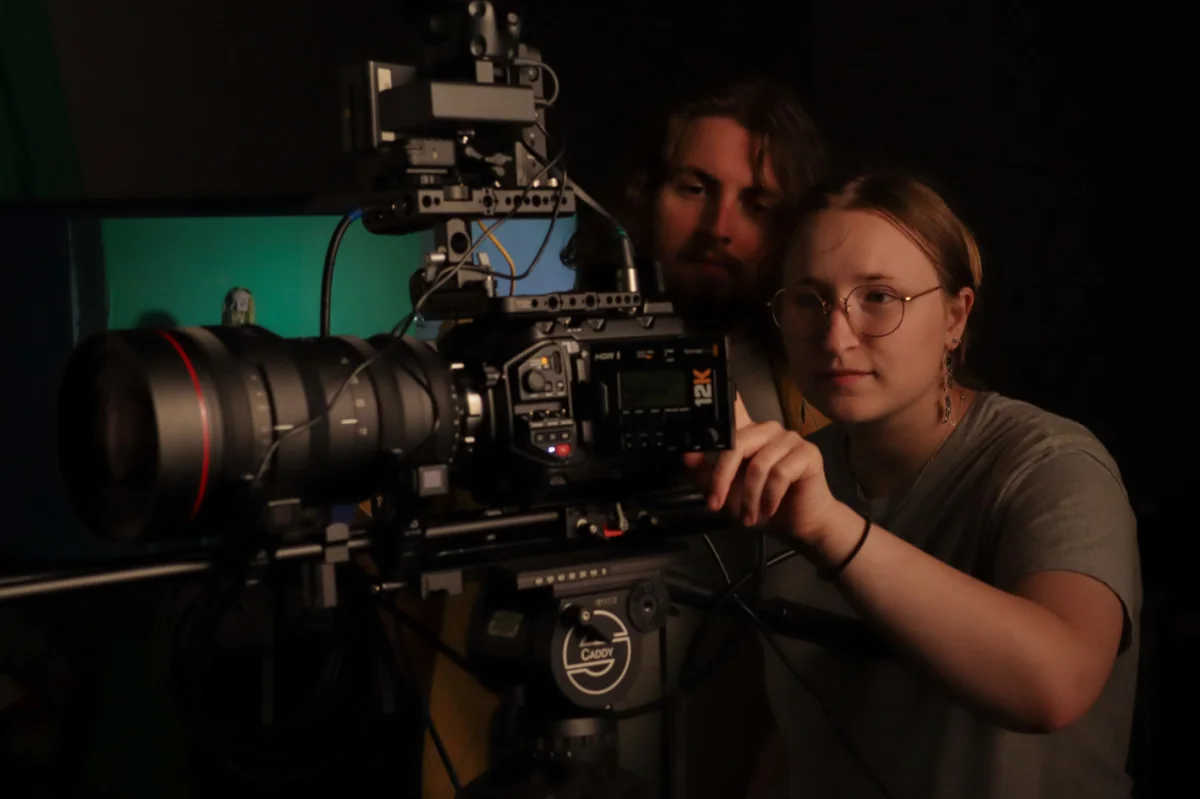
Rowan University's Radio Television and Film Department has taken a practical route into virtual production. Instead of waiting for a large permanent LED volume, the department built a mobile teaching setup that lets students test in-camera VFX and real-time compositing now. Students are working across camera tracking, compositing and real-time environments, and the program is still being refined as it grows.
Why a mobile cart instead of an LED stage
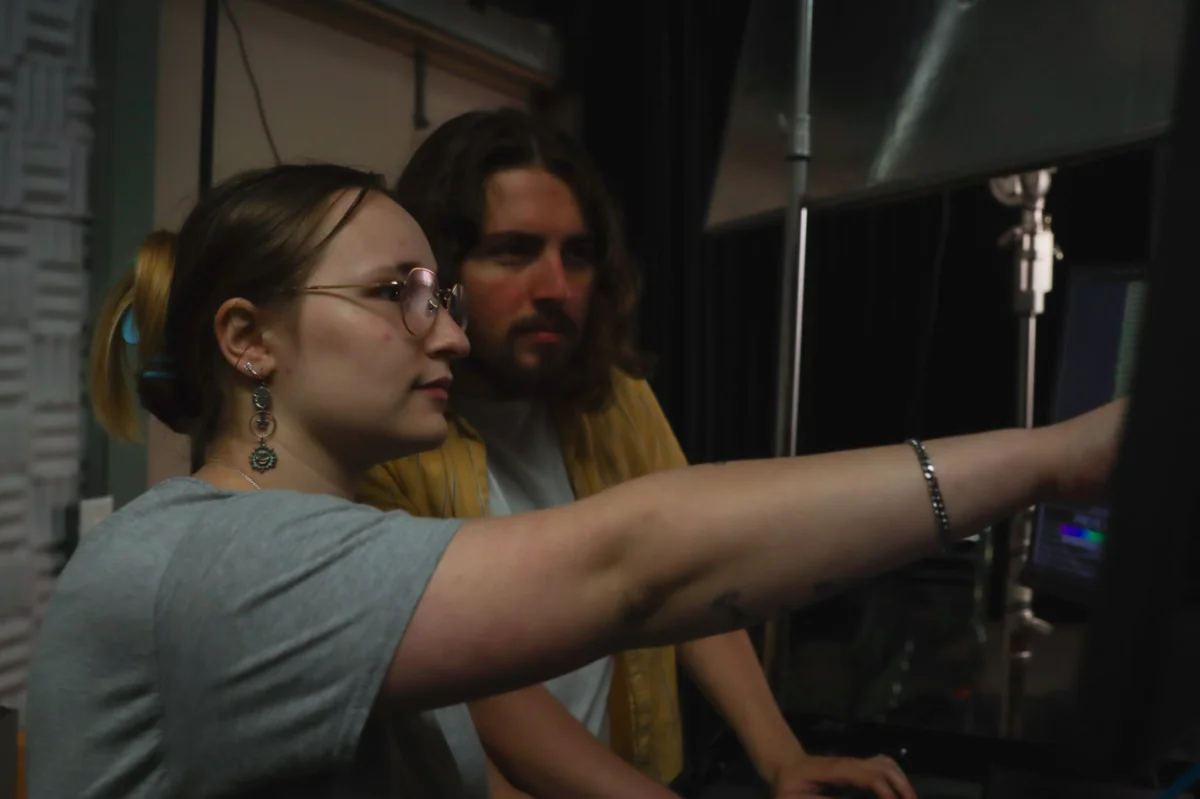
Most schools that want to teach virtual production hit the same wall: a full LED volume costs a great deal to build, needs dedicated space and is hard to keep busy with coursework. Rowan's approach sidesteps that. Jonathan Mason, Professor of Radio Television and Film, describes the goal as a flexible system where students can start experimenting immediately, with the focus on hands-on problem solving and iteration.
That's a sensible trade. A cart can roll into any room, and the lessons carry over to larger stages later. The core ideas of virtual production, such as tracked cameras driving a real-time background and keying that has to hold up under changing light, don't depend on how big the wall is. A small rig exposes the same signal relationships and the same failure modes, just at a scale where a student can change one variable and see the result within minutes.
What's on the cart
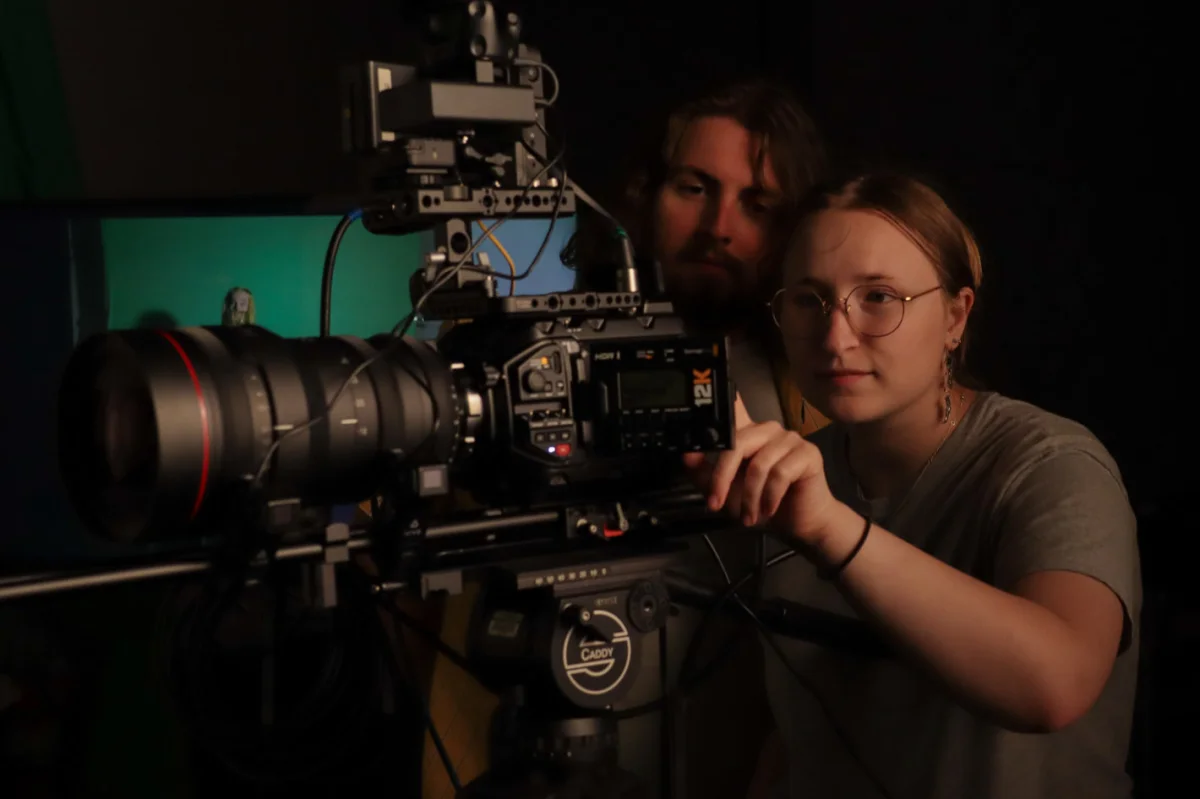
The department's cart mixes hardware and software from several manufacturers. The main pieces are a Blackmagic URSA Mini Pro 12K OLPF digital film camera, an Ultimatte 12 4K compositing processor, a DeckLink 8K Pro capture and playback card and DaVinci Resolve Studio. Alongside those are a VIVE Mars CamTrack tracking system, a green screen, Unreal Engine and a workstation built around an AMD Ryzen Threadripper 7970X CPU and an NVIDIA GeForce RTX 4080 GPU.
Read as a signal chain, the pieces make sense. The tracking system reports camera position and movement, and Unreal Engine uses that data to render a background from the matching perspective. The camera captures the subject in front of the green screen, the Ultimatte processor pulls a clean key, and the DeckLink card moves video in and out of the workstation without a lot of latency. Resolve handles the grading and finishing. When something looks wrong, a student has to figure out which link caused it, and that diagnostic work is most of what the cart is for.
Teaching across disciplines
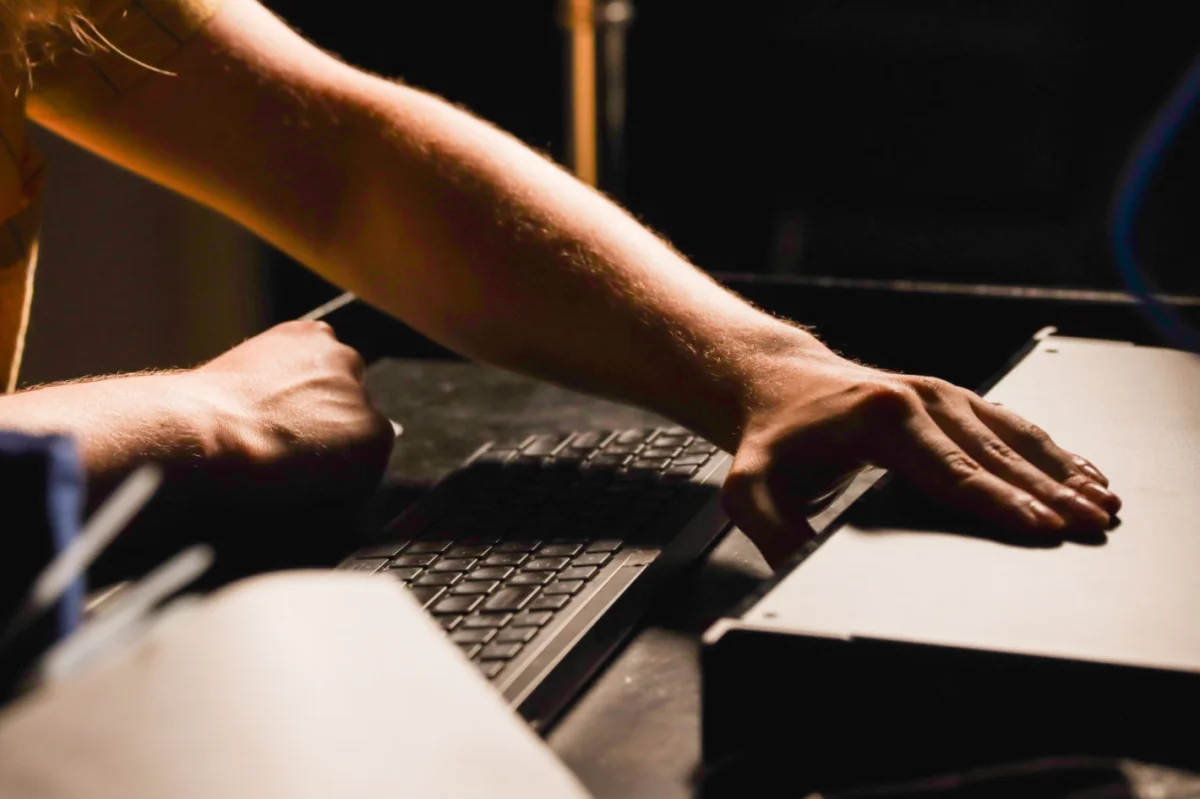
Mason's description of the teaching method is what stands out to me. He says the setup encourages students to think collaboratively across disciplines, because lighting, camera movement, environment design, compositing and postproduction all start influencing one another much earlier than in a traditional shoot. That's a fair description of how virtual production works on set. A lighting choice affects keying quality. A camera move affects how convincing the background looks. An environment built for Unreal has to make sense to the person who will finish the shot.
In a conventional program, those departments often meet late, sometimes only in post. Putting them into one short exercise forces the conversation earlier, and that's where many production problems are actually solved.
Access and what graduates will need
Mason framed the program around access. Rowan is a public university, and he wants students to work with professional tools and workflows before they graduate, so they recognize the equipment and practices they'll meet on their first jobs. That matters because virtual production has moved from a handful of high-budget stages into a wider set of settings. Mason notes that these workflows are becoming more accessible to educational institutions, independent filmmakers and emerging creators. That's a fair read of the trend. Lower-cost cameras, capable GPUs and real-time engines have made it possible to build a working rig without a studio budget.
For working professionals, the useful takeaway is about the approach rather than the specific gear. A small rig that connects tracking, keying, real-time rendering and grading is a good way to learn the pipeline before it's on a paid job. Anyone building a similar cart should expect the hardest problems to be in the handoffs between devices, not in any single component.
What to watch next
The department has said it sees virtual production training as essential to preparing students for the future of film, television and digital storytelling, and it's expanding its studio footprint and developing media workforce programs across New Jersey. The open questions are whether the cart evolves into a larger in-camera stage and how the curriculum scales as more students rotate through. My read is that the cart's real value will show in the quality of the students who come out of it: people who know where a virtual set breaks down and how to fix it on the day.