First day cover ·
Canon 7D Mark II vs. 5DS R: What Their Low-Pass Filters Change
The 7D Mark II filters fine detail to reduce moiré, while the 5DS R cancels that effect to emphasize resolution.
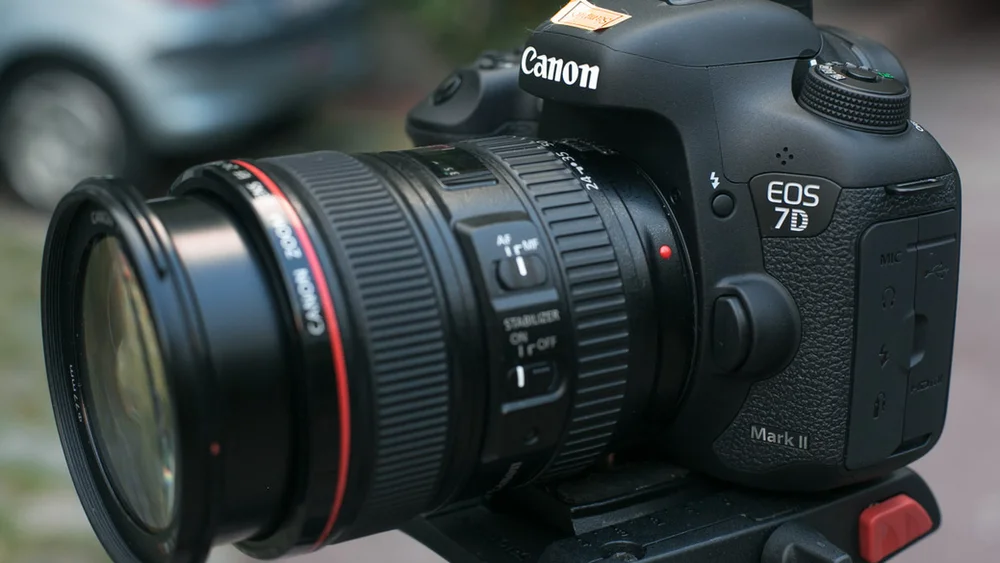
The Canon EOS 7D Mark II and EOS 5DS R show how a small difference in sensor design can shape the detail in a photograph. The 7D Mark II uses conventional low-pass filtering to reduce moiré and false color. The 5DS R cancels the softening effect of its low-pass filter, favoring finer detail. Using both has given me two distinct ways to render a scene.
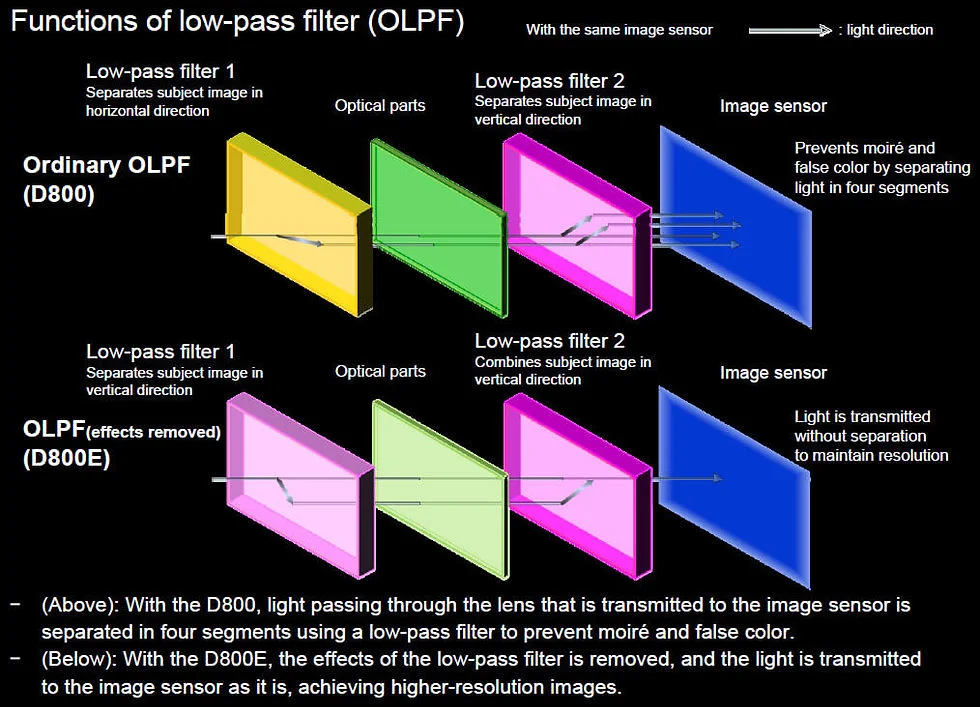
Why cameras use an optical low-pass filter
An anti-aliasing filter, also called an optical low-pass filter or OLPF, sits in front of the sensor. It slightly spreads incoming light before it reaches the pixels. That small change can help the sensor record fine, repeating patterns more predictably.
The problem it addresses is aliasing: when details in a subject are too close together for the sensor to reproduce accurately, they can appear as unexpected ripples or false colors. Woven fabric, roof tiles and fine lines are familiar examples of patterns that can produce moiré. An OLPF reduces the chance of these artifacts by softening the finest detail. The tradeoff is a slight reduction in crispness at that same fine scale.
That balance matters most when a frame contains dense, regular texture. A filter can make that texture less prone to interference patterns, while a design that preserves more fine detail can reveal more of the sensor’s resolving power. Neither approach changes the subject; each affects how the sensor records it.
The 7D Mark II favors controlled rendering
The Canon EOS 7D Mark II has a conventional, fixed low-pass filter in front of its sensor. Canon’s specifications for the 7D Mark II list the fixed filter. In my experience, I value the clean character of the images it produces. That rendering gives me a useful option when I want detail to feel controlled rather than emphasized at the finest level.

The filtering is a design choice, not a guarantee that every patterned subject will render without artifacts. The filter reduces their likelihood by gently spreading light, and its effect comes with a small softening of the finest detail. In practice, that can be a worthwhile balance when the scene contains textures likely to challenge the sensor.
The 5DS R brings out finer detail
The Canon EOS 5DS R takes the other approach. Its filter arrangement cancels the softening effect of a conventional low-pass filter, allowing more of the sensor’s resolving power to show. The filter has not simply been removed: the camera’s design neutralizes its effect. Canon describes the arrangement in its 5DS R product information, and the instruction manual notes the possibility of moiré and false color.

I enjoy the 5DS R’s fine detail and sharpness. Its rendering gives me more visible texture to work with, and I like deciding how that detail should come through in the finished image. The corresponding tradeoff is a greater chance of moiré or false color with certain subjects. When a scene includes closely spaced patterns, that possibility is part of the camera’s character.
Two tools for different results
For me, the distinction between these cameras is more than a specification. The 7D Mark II’s fixed low-pass filter and the 5DS R’s filter cancellation produce different kinds of image character. I appreciate the 7D Mark II’s cleaner rendering, and I also enjoy the additional fine detail I get from the 5DS R. Having both lets me choose the camera that suits the picture I want to make.
An OLPF is a small component with a visible role in how a camera handles detail. Its effects are most relevant when the subject’s texture approaches the limits of what the sensor can resolve: filtering can reduce interference patterns, while cancellation can preserve more of the finest detail. The practical choice depends on which rendering you prefer for the scene. For my work, carrying both cameras means I can take that choice with me.
Canon’s camera materials provide further detail: EOS 7D Mark II support and specifications, EOS 5DS R support and manuals, and Canon’s EOS 5DS R brochure.