First day cover ·
Shooting a Solo Documentary in Multan With a Pocket-Sized 8K Camera
A solo documentary shoot in Multan's tile workshops leaned on the GoPro MISSION 1 PRO for tight spaces, slow motion and discreet street work.
A filmmaker recently travelled to Multan, Pakistan, to document the last remaining family of Kashigars, the craftsmen who still hand-make the blue tiles that decorate regional mosques and historic shrines. The trip meant two long international flights, then bus journeys through extreme heat and humidity, all while working alone. Packing light was not optional. Baggage limits forced hard choices, and the kit that made the cut included two mirrorless bodies, a 24-70mm for video, a 50mm and an 85mm for stills, and a drone. The 70-200mm stayed home, and a lighter, less-preferred tripod came along instead.
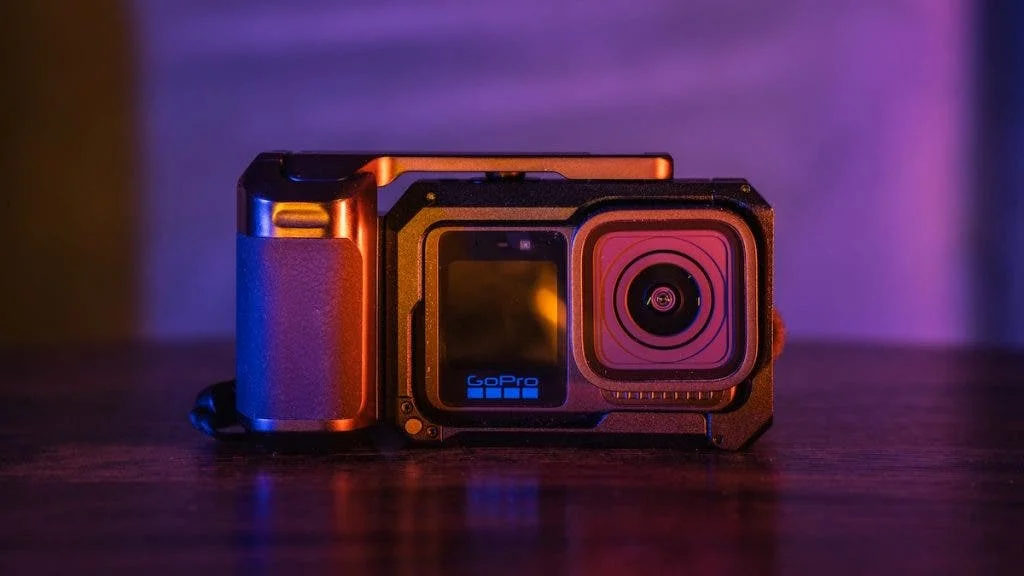
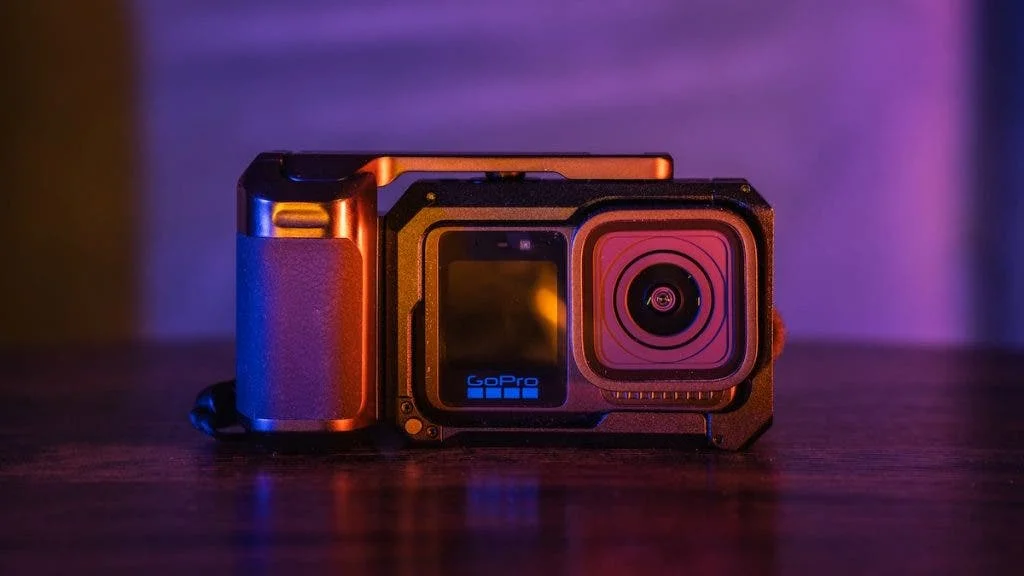
Back in Cape Town, this filmmaker works with lighting setups, tripods, an assistant and time to plan scenes in advance. Multan was different. Kashigari is a dying craft, and the film needed to show the workshops, the streets and the people who keep the tradition alive. Two smaller cameras went into the bag for the agility they offered: the GoPro MAX 2 for impossible 360-degree angles, and the GoPro MISSION 1 PRO. Both have become regular tools for local and international work in the months since they were acquired. The MISSION 1 PRO is the focus here, and it earned its place in four distinct ways.
Covering the Whole Scene in Cramped Rooms
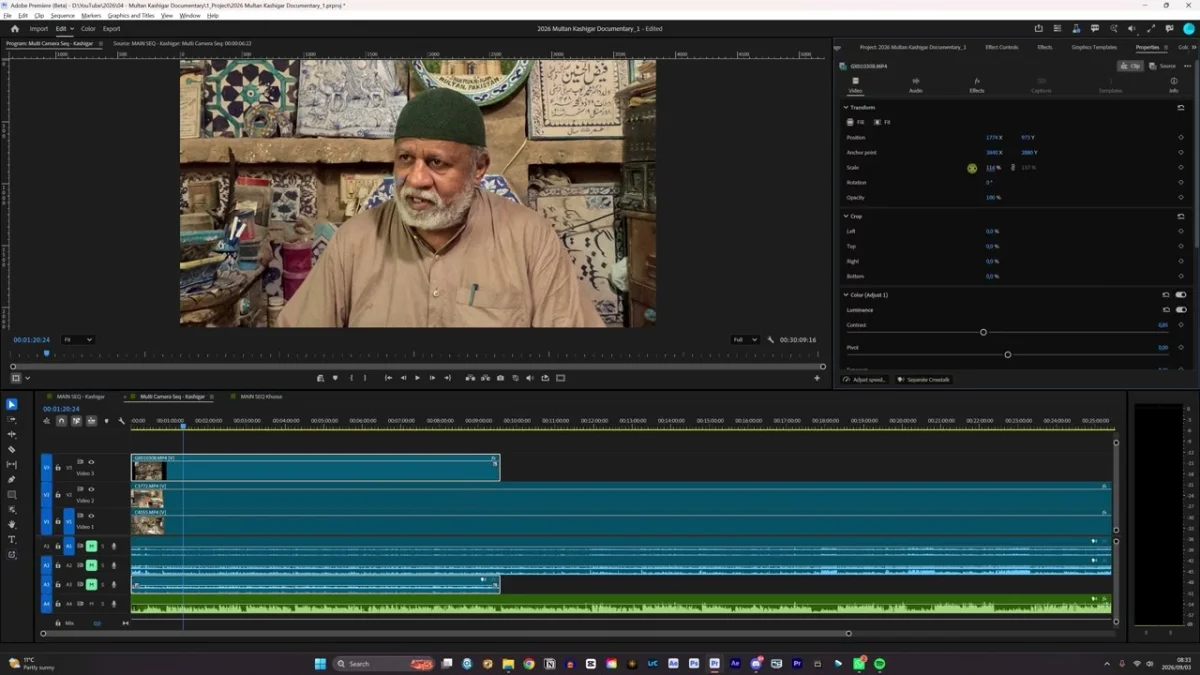
Solo shooting in small spaces demands a reliable catch-all angle. The first workshop was a clear example. The master craftsman, known locally as Ustad Ji, or "Respected Master," works seated on the floor the way his forefathers did, surrounded by sand, clay, ink and finished tiles. The filmmaker set one mirrorless body with the 24-70mm for a slightly wide view and placed the second with the 50mm on a stool for a tight shot of the artisan's face. Almost immediately, a third angle was needed. The film is as much about the workshop as the man, the place where he works with materials that have shaped the tradition. The MISSION 1 PRO was set to capture him and his surroundings from the front, a record of the space as much as the craft.
A second workshop, a traditional khussa shoe maker, posed a different problem. The room was barely a meter wide, and the artisan kept leaning forward to show off his best shoes, sliding out of the 50mm frame. Covering the full scene with the 24-70mm would have meant stepping into the middle of the street. Instead, the MISSION 1 PRO went right in front of him. Shooting in 8K gave room to recompose later, and the footage was cropped to 4K in the timeline without losing the framing the scene needed.
Slow Motion Without Stopping to Configure
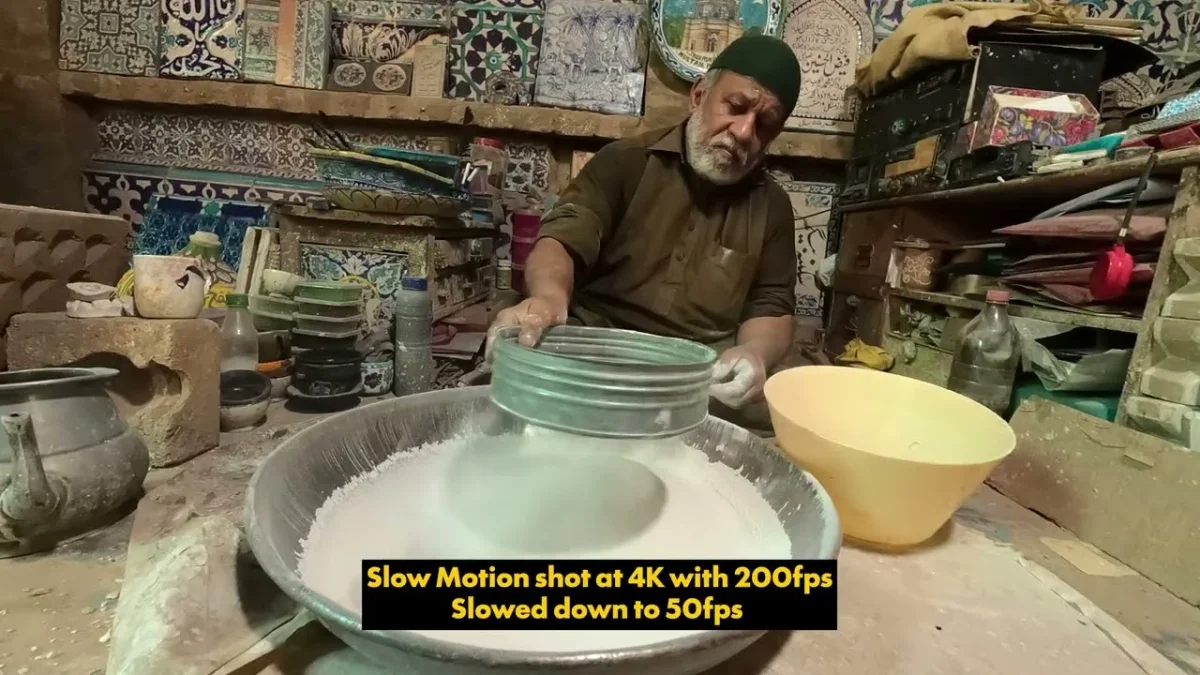
Some of the tilemaker footage was shot in slow motion in tight spaces where a wide angle was needed for either slow motion or b-roll. The approach was deliberately simple: set the frame rate and ISO range, then let the camera handle shutter speed automatically. A planned interview calls for careful attention to the 180-degree shutter rule and matching color profiles. Run-and-gun work runs on different priorities. Story comes first, then visuals that capture what needs to be shown, and clean audio.
On specs, the MISSION 1 PRO's frame rates are well beyond what the filmmaker's a7S III offers for this kind of work. It records 8K with Open Gate, which leaves room to reframe for vertical Reels later. In NTSC, that means 8K at 60fps and 4K at 120/240fps. In PAL, it's 8K at 50fps and 4K at 100/200fps. Those high frame rates produce smooth slow motion without slowing the workflow down.
Restricted Sites and Discreet Street Work
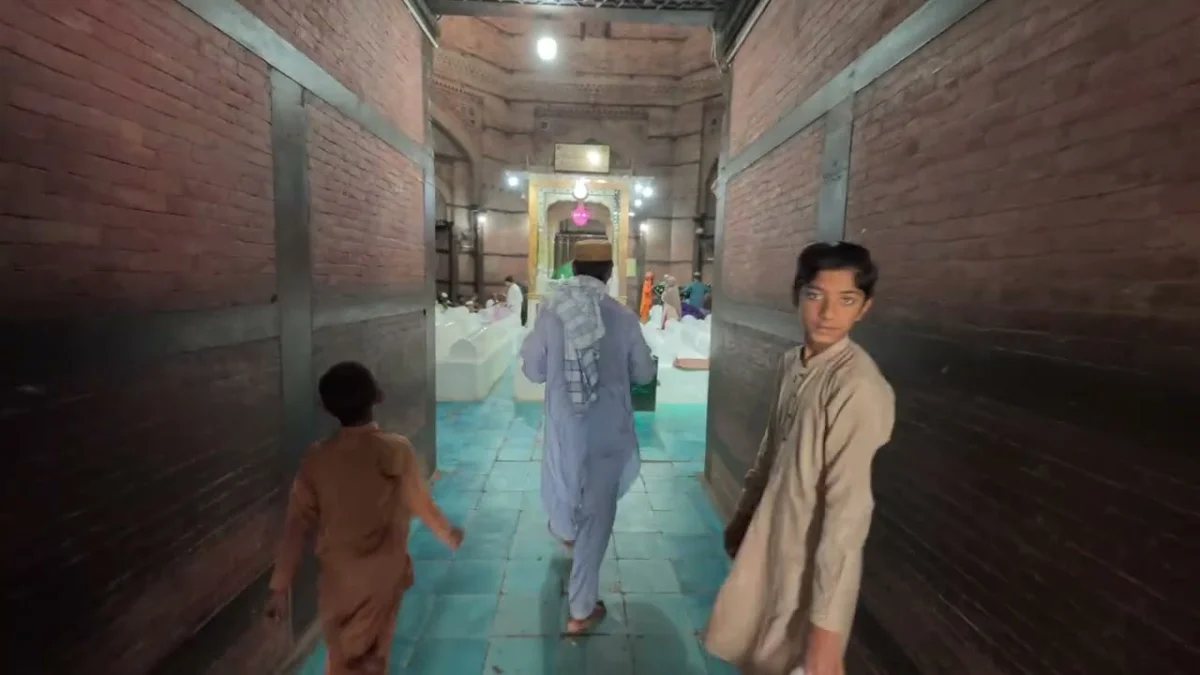
At one historic shrine, staff would not allow the main cameras or the selfie stick inside. The reason was respect for the holy site, and a concern about visitors treating the tomb as a photo set. The instruction was direct: no big cameras with big lenses. The filmmaker removed the MISSION 1 PRO from its Point-and-Shoot Grip, slipped it into a pocket and walked in.
The trade-off is clear. Without a physical zoom or manual focus, the framing has to come from moving the camera. Still, the 8K footage and the camera's in-body stabilization carried the feeling of walking into the tomb. A lightweight GoPro mic from the GoPro Wireless Mic System was clipped on and synced to the camera inside, so the Kashigar host could narrate the tile work during the walk-through.
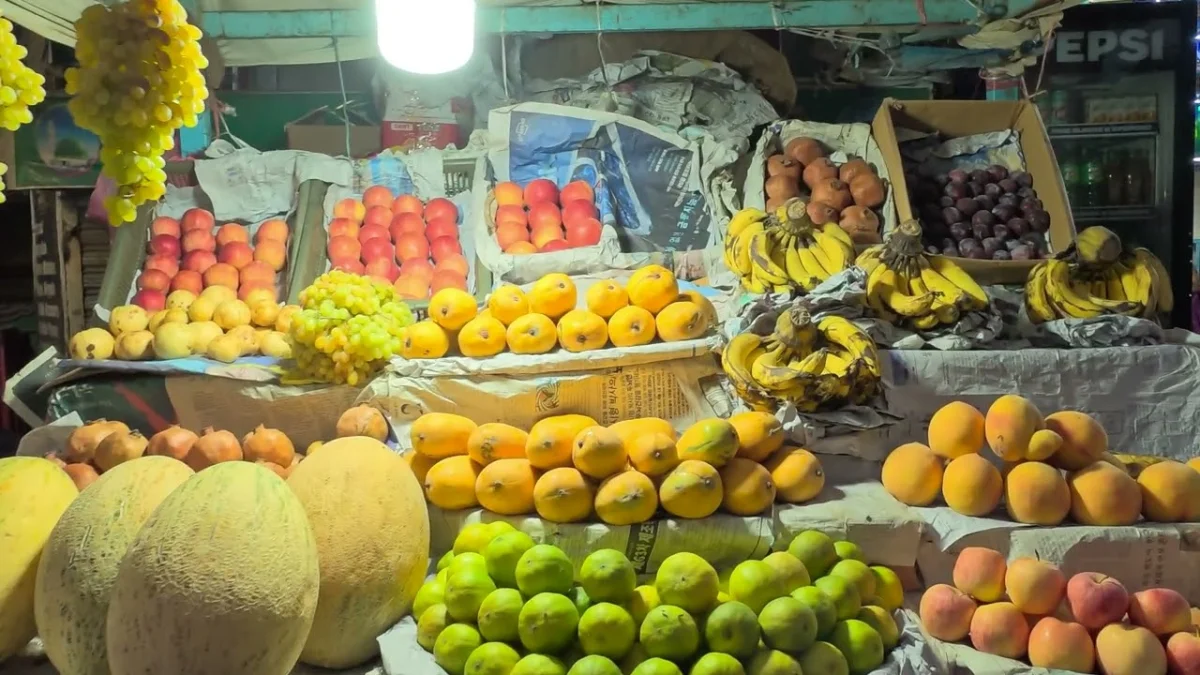
Street work in Multan brought its own challenge. People were generous, offering drinks and help, but small crowds gathered quickly, and some elders offered suggestions on which questions to ask the artisans. The goal was to show daily life, food, nightlife and busy roads without subjects performing for the lens. One evening, the filmmaker left the camera bag behind and shot only with the MISSION 1 PRO in its grip. The grip makes the camera feel like a solid object in the hand and helps with framing. From a distance, it could easily pass for a phone. Trusting a small camera after years of working with big bodies and manual focus takes some adjustment, but the filmmaker drew little attention and worked with near anonymity.
POV and Behind-the-Scenes
For a solo shooter, behind-the-scenes footage, vlogs and street photography are part of the process, not an afterthought. For this project, the MISSION 1 PRO was strapped to the chest and started with Quick Capture, where pressing the top shutter button powers on the camera and starts recording at once. That gave a continuous first-person record of the day.
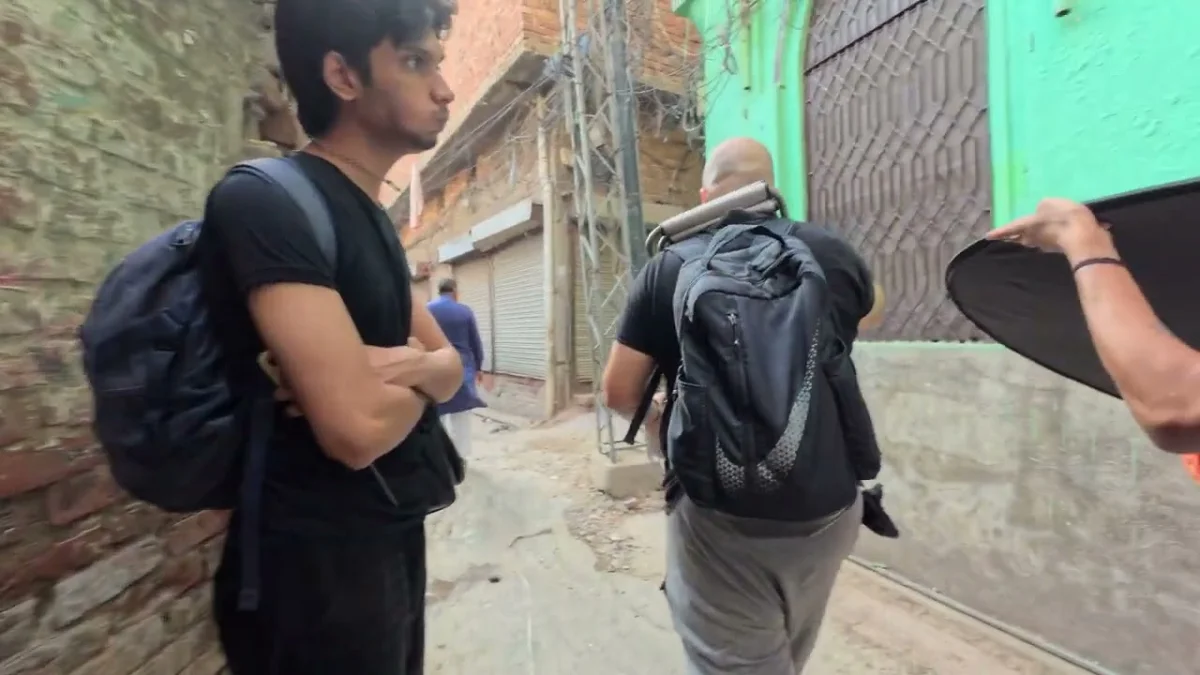
The front screen stayed off so subjects on the street would not watch themselves on a monitor and change their behavior. The camera syncs with the GoPro Wireless Mic System, so behind-the-scenes audio was captured without needing attention during the shoot. The camera can also be mounted on a subject's head or chest, which opens up perspectives a tripod or handheld rig can't reach.
Where the MISSION 1 PRO Fits
The MISSION 1 PRO is now a permanent part of this filmmaker's kit, and it has proven most useful while traveling. It is not the main camera. It plays a supporting role. Meticulous planning still has its place, covering shot lists, angles, settings, color grades and focal lengths. Other times, the priority is simply getting the shot. In those moments, the camera delivered footage the filmmaker trusted for resolution, bit depth and color. There are limitations, and those have been covered in an earlier review. Still, the results have built enough confidence that the mirrorless systems now sometimes stay in the bag, and this small camera is used for professional-level work.