First day cover ·
instax mini Evo 2 Adds Pre-Shot Video and a Wider Framing View
Fujifilm's instax mini Evo 2 adds a 4.5-inch touchscreen, Expanded View framing and four seconds of pre-shot video. Expected late November 2026 at $289.95 USD.
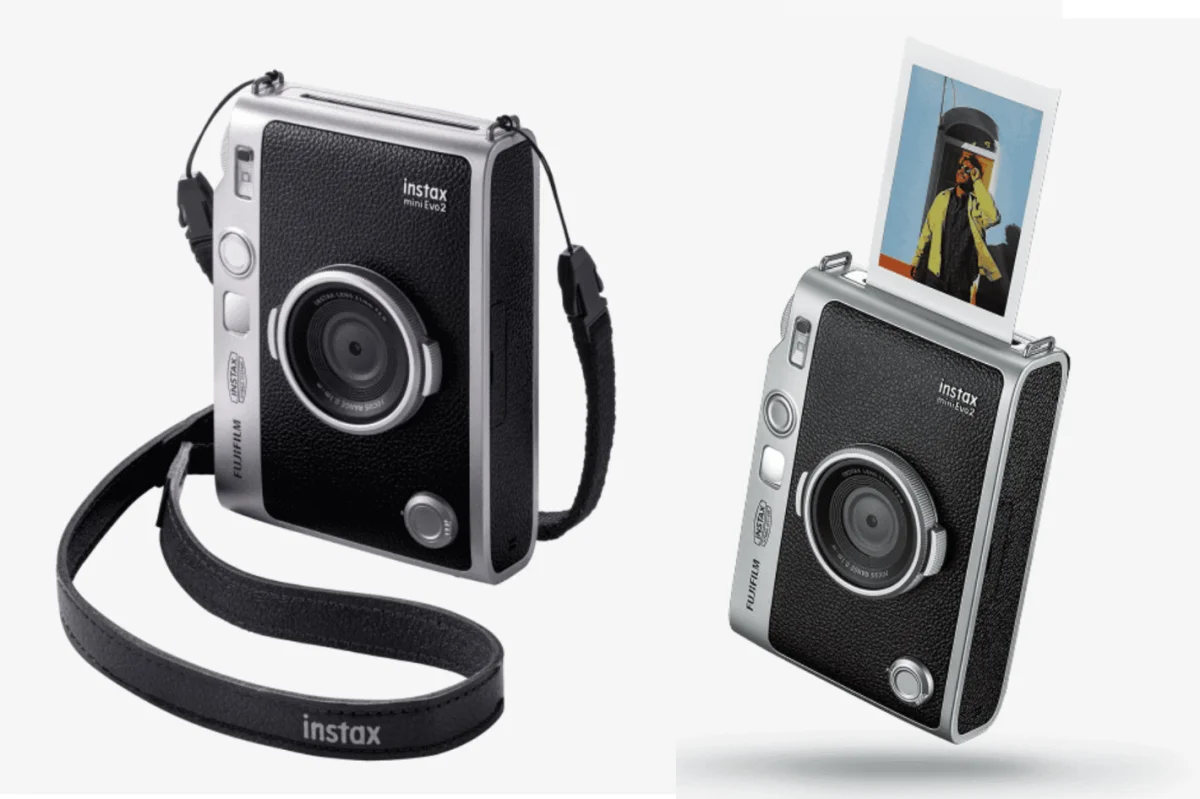
Fujifilm is pitching the instax mini Evo 2 as a step up for the Evo line, and the most interesting change isn't the screen or the print size. It's that the camera now records the moments before you press the shutter. For anyone who has missed the peak of a gesture or a gust of wind by a fraction of a second, that's a meaningful shift in how an instant camera handles timing.
The company describes the camera as built for people who care about the process as much as the print. In Fujifilm's words, every outing becomes "an opportunity to create, print and preserve moments worth reliving." That's marketing language, but the feature set does lean toward people who want to make choices on the way to a photo rather than just point and hope.
A Touchscreen and Framing That Looks Beyond the Print
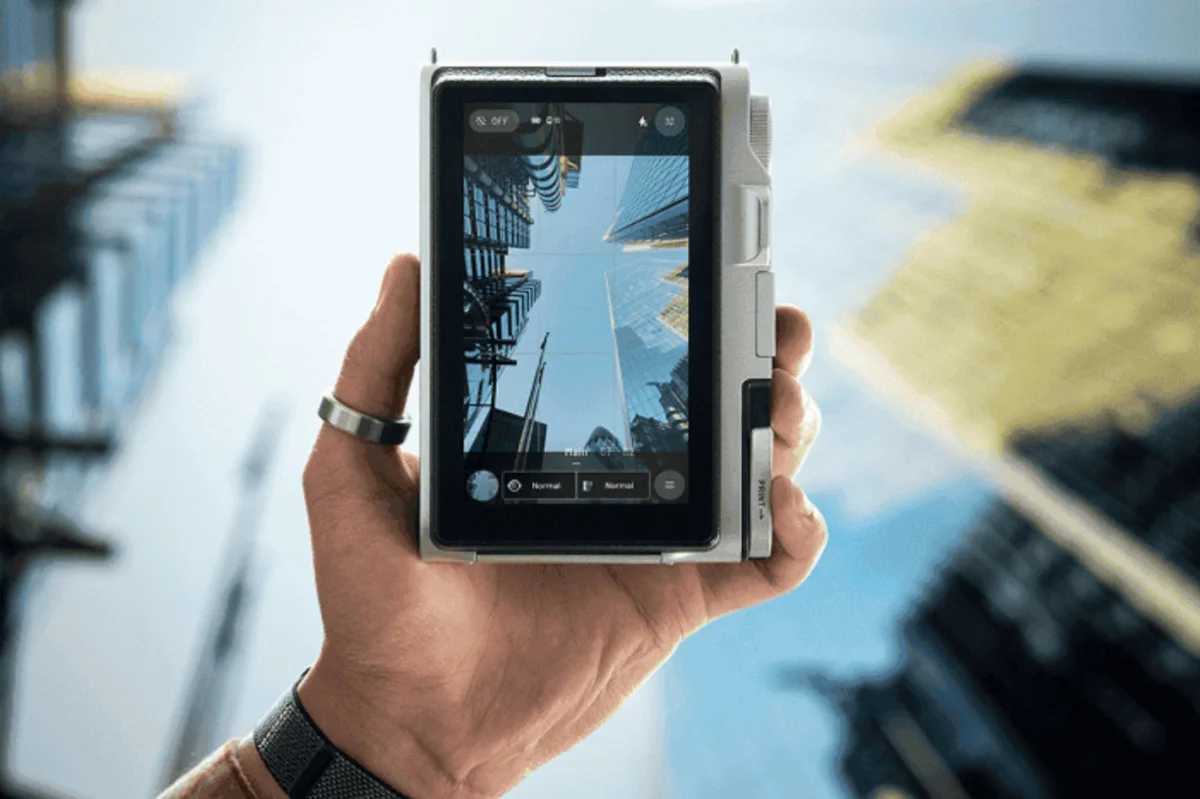
The headline hardware change is a new 4.5-inch LCD touchscreen. On a mini-format instant camera, a screen this size changes the workflow. Instead of working through buttons to find a setting, you can tap through options, check exposure and preview the frame before committing film.
The more useful addition for composition is instax Expanded View. The camera shows a wider field of view than the actual shooting area, with an on-screen framing guide. That means you can see what sits just outside the final frame, which helps when you're working tight subjects such as faces against busy backgrounds. Frame deliberately and you can cut the edges you don't want rather than discovering them on the print.
Think of it as a way to rehearse the crop. Mini film gives you a small, fixed rectangle, and Expanded View lets you judge spacing and placement inside a larger context before the shutter fires.
Four Seconds Before the Click
instax Immersive Movie is the feature that sets this model apart from earlier Evo cameras. It records the four seconds leading up to each photo, which captures the movement, atmosphere and emotion that unfold before you hit the shutter. A microSD card, sold separately, is required to use it.

The practical benefit is that you're no longer relying solely on a single instant. A dance step, a child running into frame or a pour of liquid has a before and after, and the short clip preserves that context alongside the printed still. The still still matters most for the print itself, but the clip gives you a second way to revisit the moment.
Plan the microSD card as part of the kit. If you want Immersive Movie, it's not optional, and the card is one more item to budget for.
Creative Controls and Image Look
The Evo 2 offers 10 lens effects and 10 film effects, which Fujifilm frames as 100 possible ways to customize output. The number is less important than the workflow it implies: you can build a look and stick with it across a shoot, or switch between looks for different scenes.
Fujifilm also lists analog-inspired controls, adjustable exposure, white balance and flash, and a macro mode for close-ups. Those manual adjustments matter in instant photography because the film does what it does regardless of how the scene looks on the screen, so getting exposure and flash right before you fire is what keeps prints usable.
Two rendering modes are available. instax-Rich Mode pushes toward vivid color, while instax-Natural Mode aims for a more classic look. Choose the one that suits the subject: Rich for bright, graphic scenes, Natural for portraits and muted light. Shoot a short test series with each if you're unsure, since the difference in final prints can be obvious.
For close-ups, macro mode is where careful framing pays off. Keep the subject a consistent distance from the lens, use the expanded framing guide to check edges, and watch for flash reflections on glossy surfaces.
Printing, Remote Shooting and Connectivity
The camera prints 2 x 3-inch instax mini instant photos, with instax mini film sold separately. The free instax mini Evo app, which is required, lets you print images from a smartphone. The app also enables remote shooting, so you can control the camera with a connected phone, which is useful for group shots or self-portraits where you want to be in the frame.
The Evo 2 includes a built-in selfie mirror and a microSD card slot, and it charges over USB Type-C. Smartphone itself isn't included, so you'll need one to use the app features.
Price, Availability and What to Watch
The instax mini Evo 2 is expected to be available at the end of November 2026, at a manufacturer's suggested retail price of $289.95 USD and $379.99 CAD. The instax mini Evo 2 product page is the place to confirm details as the launch approaches.
The budget picture is more than the camera. Film, a microSD card for Immersive Movie and a smartphone for the app all add to the cost, so factor them in before deciding whether the feature set fits your work.
My read is that the pre-shot clip is the feature that will decide whether this camera earns a place in a working kit. Expanded View and the touchscreen make the Evo 2 easier to compose with, but the four-second buffer is what changes what you can capture. If you already shoot instant film for editorial or personal projects, that's the capability to test first when the camera ships.