First day cover ·
Xinkhova Female Leopard Raises Two Cubs as Impala Season Begins
The four-week-old cubs arrive after a lost litter, with seasonal prey and a change in male presence offering reasons for cautious hope.
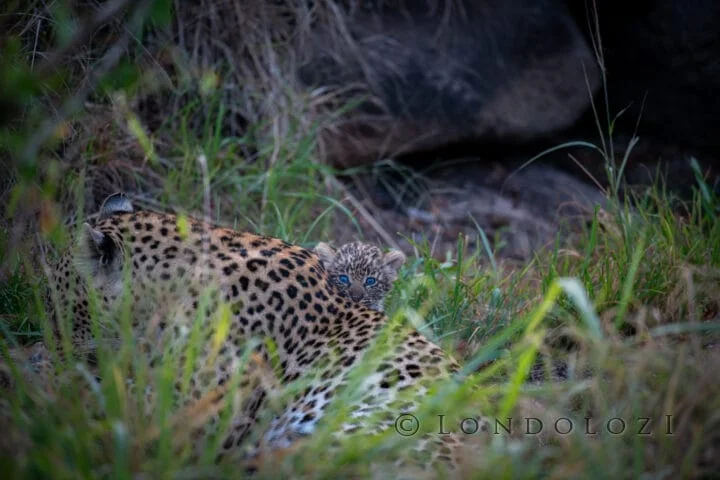
Xinkhova Female has two new cubs, now about four weeks old, after losing her previous litter only a few months ago. The young family’s prospects may be helped by the timing: impala lambing season is beginning, bringing vulnerable prey into the area where she hunts. But the cubs remain at a fragile stage, and a skittish male leopard has been moving through the territory around their den. Those conditions offer reasons to watch with interest, but they don’t settle the central question: can Xinkhova keep the cubs hidden and herself well fed while they grow?


A new litter, with paternity uncertain
Xinkhova’s previous litter was believed to have been fathered by the Xitsalala Male. Both cubs died after a new, wary male arrived in the area. Known informally as the Triangle Male, he remains difficult to see, but his tracks and calls indicate that he regularly passes through the area where Xinkhova has established her current den. The sequence of events is known; the precise causes behind the cubs’ deaths aren’t established here, so the arrival of the male shouldn’t be treated as proof of what happened.
After the earlier loss, Xinkhova was seen mating repeatedly with the Triangle Male. That makes him the presumed father of the new cubs, though paternity hasn’t been confirmed. The distinction matters: the known behavior supports the assumption, but it doesn’t establish certainty. For now, the account gives a plausible explanation rather than a verified lineage, and that’s the limit of what observers can say.

What a male’s presence can mean
Male leopards don’t raise cubs directly. Their presence can still affect a litter’s chances: a resident male may limit access for rival males, potentially reducing one source of danger. The Triangle Male’s repeated movement through the area therefore forms part of the picture, though it offers no guarantee of safety. His elusive, skittish behavior also means his movements are known more through tracks and vocalizations than frequent sightings. That leaves an incomplete view of how often he passes the den and what his presence means for Xinkhova’s day-to-day choices.
Xinkhova has also had one attempt at motherhood. Experience may help as she faces the demanding routine of hunting for herself while returning to the den to nurse and protect two young cubs. She must keep them concealed while meeting the energy demands of lactation. Each trip away from the den involves a practical trade-off: she needs food, yet the cubs are left without her immediate protection. This is more significant than it looks; successful hunting and careful denning have to happen at the same time. For now, the evidence offers reasons for cautious optimism, not a prediction about how the litter will fare.

Seasonal prey may ease the hunt
The timing could give Xinkhova a useful food supply. Impala lambing season is getting underway, and young warthogs and wildebeest calves also add potential prey. Vulnerable young animals can offer a leopardess with dependent cubs more opportunities to secure meals. Regular hunting supports her own condition and her ability to produce milk, while every trip away from the den brings the challenge of leaving the cubs hidden and protected. A seasonal increase in opportunity isn’t a guarantee of easy hunting: prey still has to be found and caught, and Xinkhova’s needs don’t pause while she’s away from the cubs.
There are local examples of leopard births around this season. Xinkhova and her sister were both born in February, when impala lambs are still relatively young. The Shingi Male was born in January. These cases don’t show that leopards time births deliberately, but they illustrate how cubs born near this period may grow up when young prey is seasonally available. The pattern is suggestive, not evidence of deliberate timing, and the circumstances of one litter won’t necessarily determine another’s prospects.


Space during the vulnerable months
Leopards across the broader Sabi Sands have faced pressure from healthy lion populations, among other risks. That wider context makes the survival of each young litter uncertain, and the hope that Xinkhova can raise these cubs especially keen. Viewing restrictions have been put in place around the den to give the female and her cubs space during their vulnerable first months. The restrictions also shape what can be observed: fewer close encounters may mean less immediate detail, but they give the family room to remain concealed.
For observers, patience is part of the story. The cubs are still very young, and brief glimpses may be all that’s possible while Xinkhova keeps them concealed. That’s a thin basis for confident predictions, and any account of their progress will necessarily depend on what can be seen without disturbing the den. The next meaningful sign of progress will be seeing them older and stronger, as the seasonal supply of young prey and their mother’s careful denning give them time to grow. Slow progress. If you’re following this family, restraint and uncertainty belong in the report alongside the hope.
What the next weeks may show
The coming weeks should make the balance of risks clearer, though they won’t provide a simple verdict. The cubs will need time to grow beyond their most vulnerable stage, while Xinkhova continues to hunt and return to the den. The Triangle Male’s presence, the availability of young prey and the pressure from other predators all form part of that picture; none alone tells us how the litter will fare. Here's the thing: a promising start is only a start.
That said, the combination of seasonal prey and a mother with prior experience gives observers concrete reasons to remain hopeful. It also calls for caution: neither the presumed paternity nor the presence of prey can be turned into certainty about survival. What this means for you as a reader is that the most useful update may be modest—evidence that the cubs are growing and that Xinkhova is still caring for them. And yet, those small signs can carry real weight when a family is still at this early stage.