First day cover ·
Norway by Sea and Road: Photographing Lofoten and Vesterålen
A coastal voyage north leads to Lofoten’s fishing villages and Vesterålen’s quieter shores, with practical notes on timing, transport and costs.
Northern Norway’s strongest photographic draw is the change of scale: fjords and coastal towns give way to mountains rising directly from the sea, fishing villages and open island scenery. On a 15-night family trip in the second half of August 2026, Lenise Calleja travelled north from Bergen aboard Hurtigruten, then explored Lofoten and Vesterålen by rental car. Lofoten delivered the iconic views; the quieter Vesterålen became the trip’s most unexpected highlight.

The party of six included two children, aged three and eight. The itinerary combined six nights in Vestland, three nights aboard the ship and six nights in Nordland. The ship arrived in Svolvær, and the journey ended with a flight from Evenes. Natural scenery, wildlife and photography shaped the route.
Northbound by coastal ship
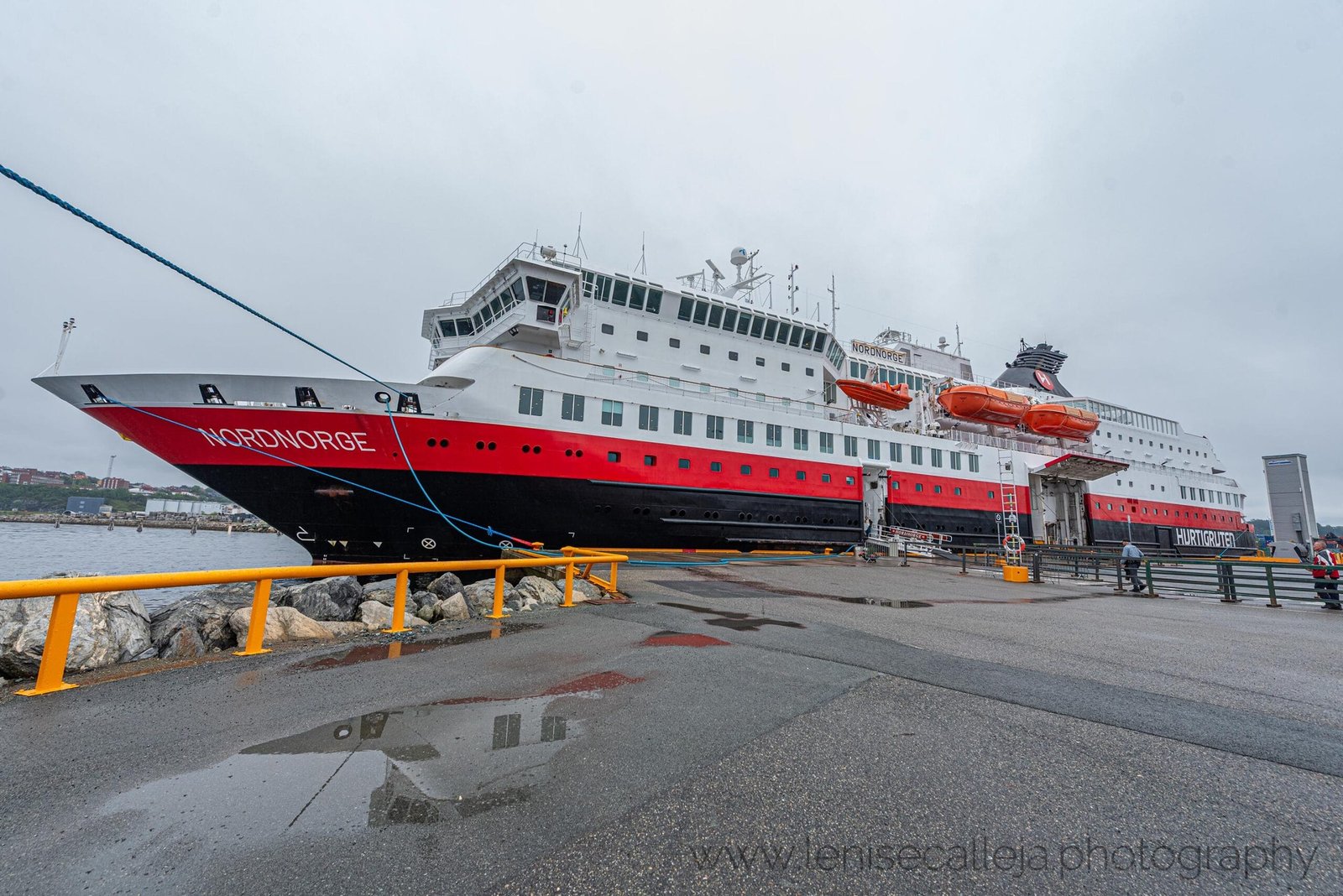
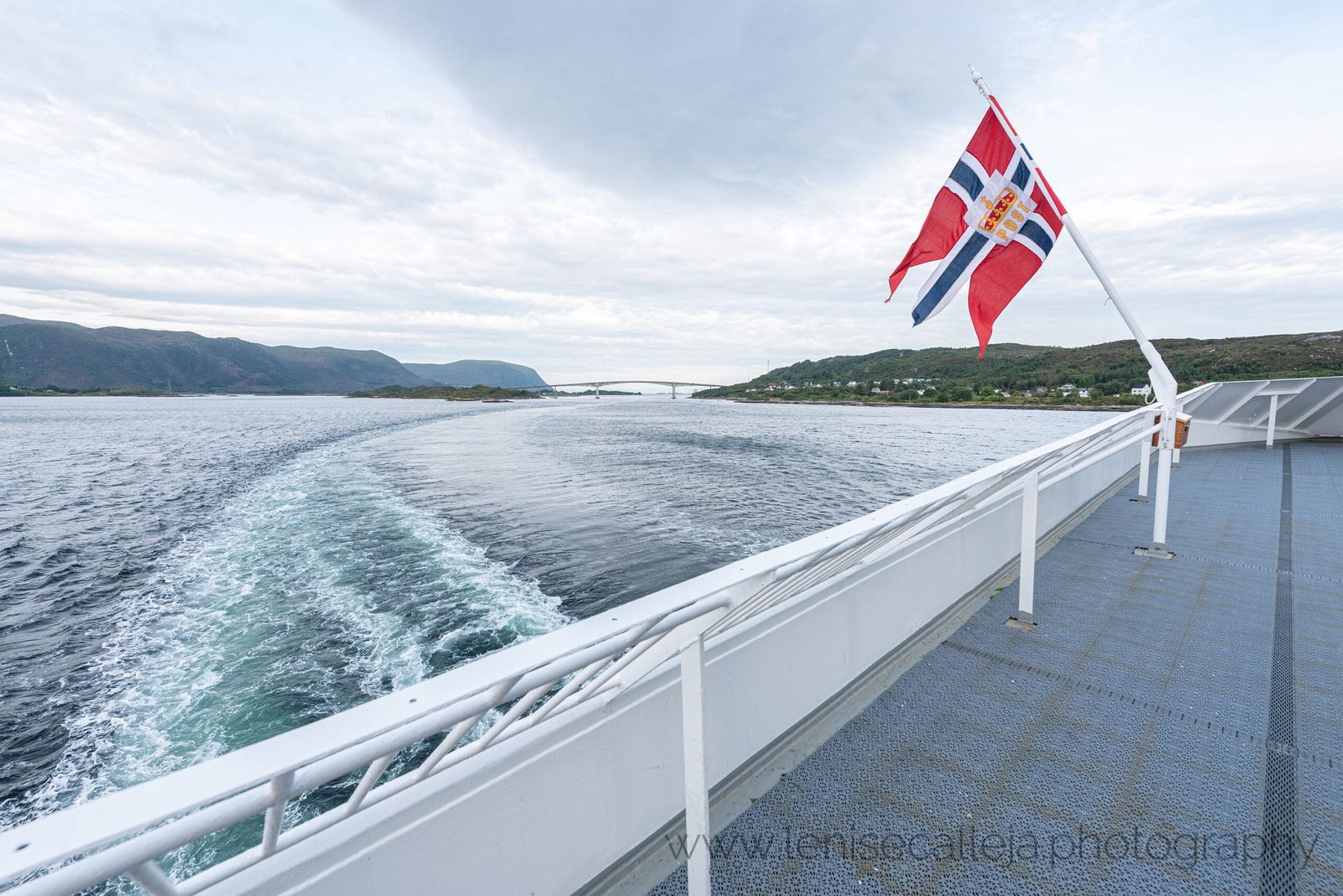
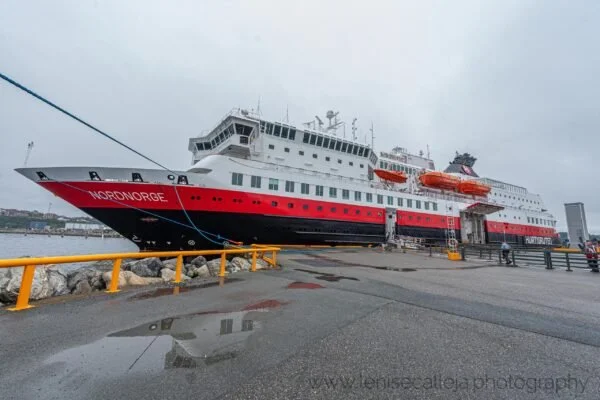
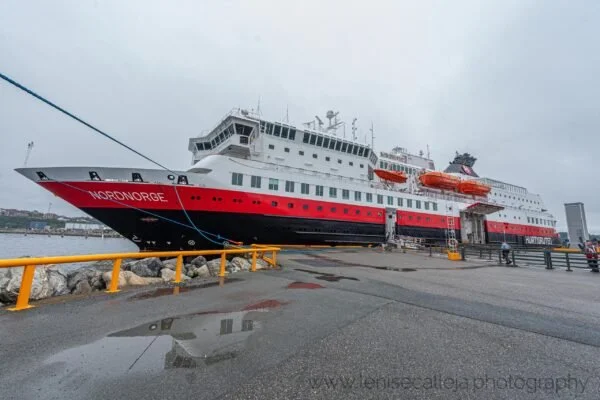
Hurtigruten made the long move from Bergen to Northern Norway part of the experience. The coastal voyage calls at several ports, with some stops brief and others long enough to explore. On board, passengers can book a cabin with a private bathroom, eat in restaurants, visit shops and arrange excursions. The appeal here, though, was the coastline outside the windows rather than a packed schedule of activities.
The ship offered a practical pause between two road-trip stretches: time to take in the changing views, rest and do laundry before collecting the car in Svolvær. Although described as three nights aboard, the travellers had roughly four days on the ship. That felt like a good fit for their family; a longer stay might have been slow going with young children.
Fjords and brief port calls
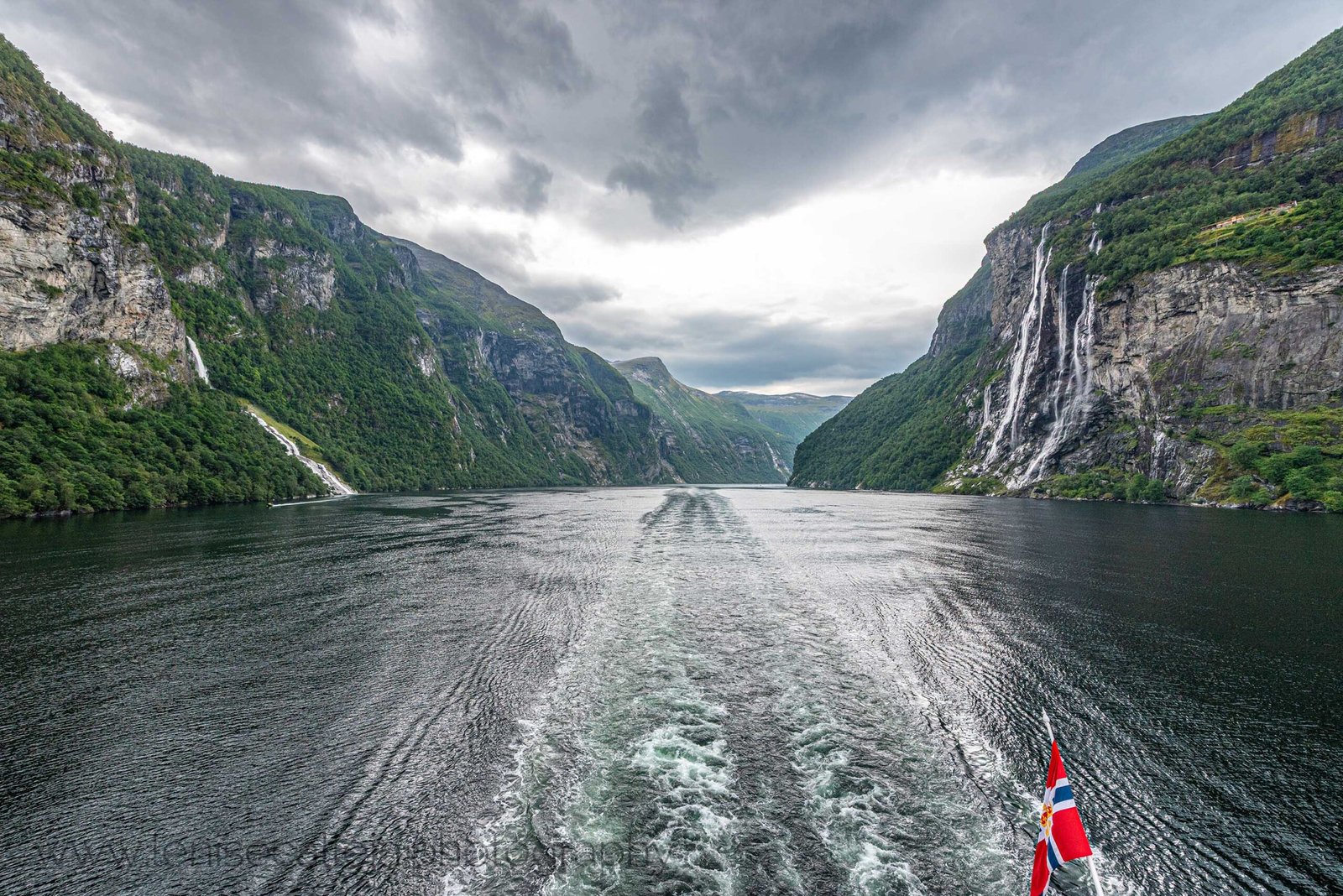
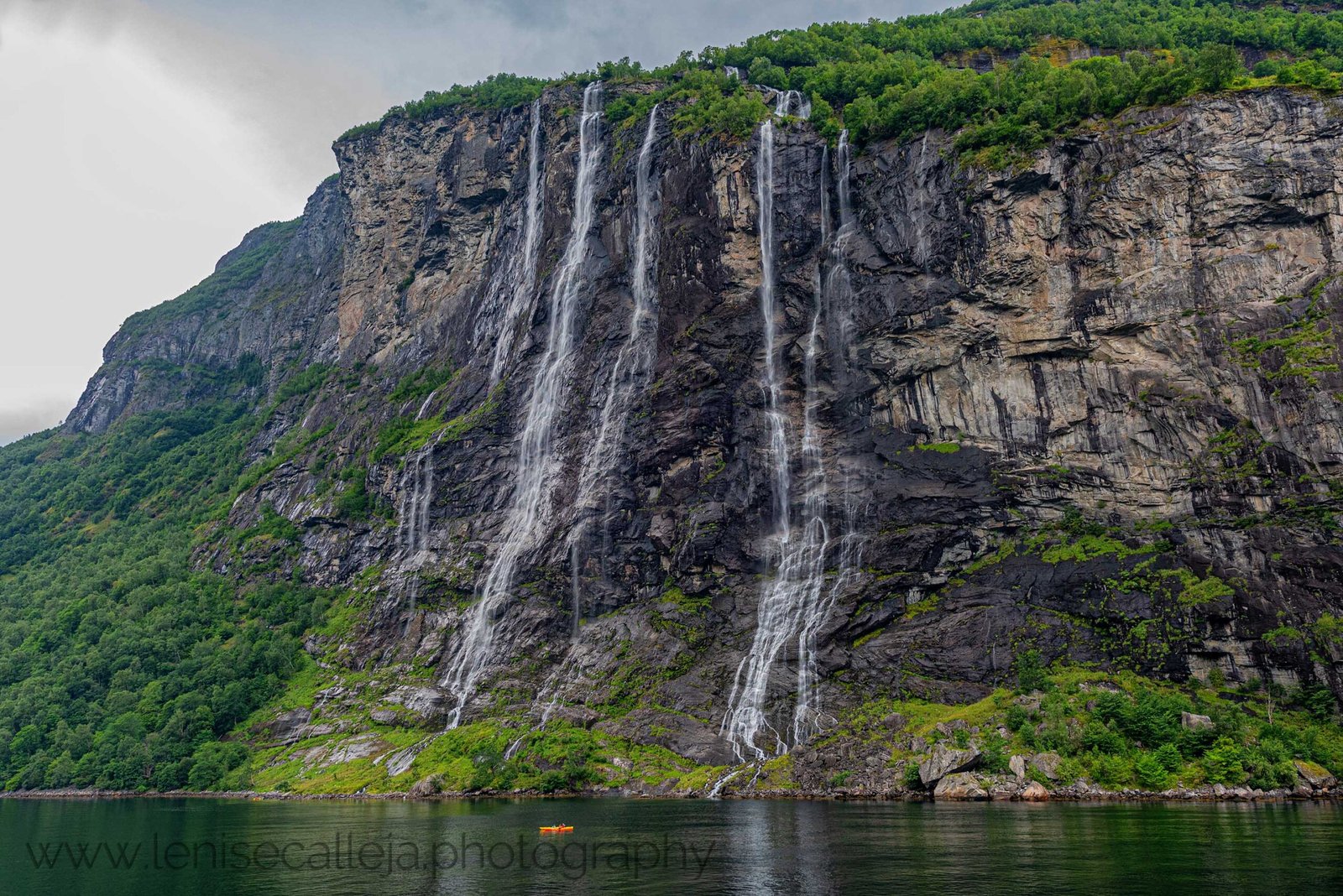
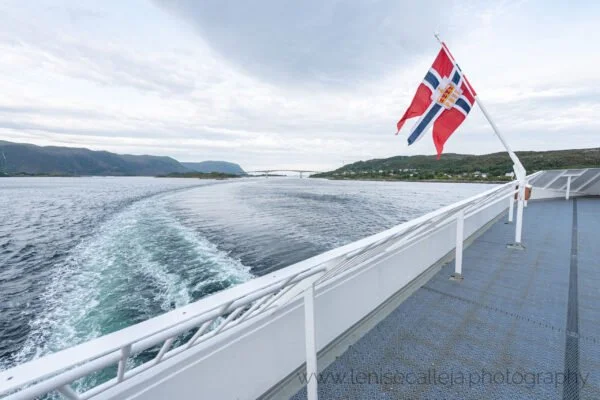
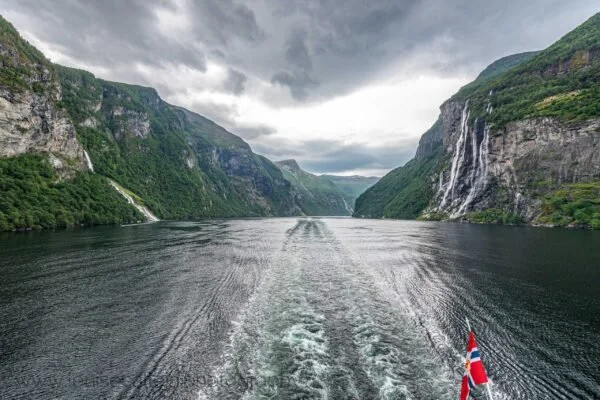
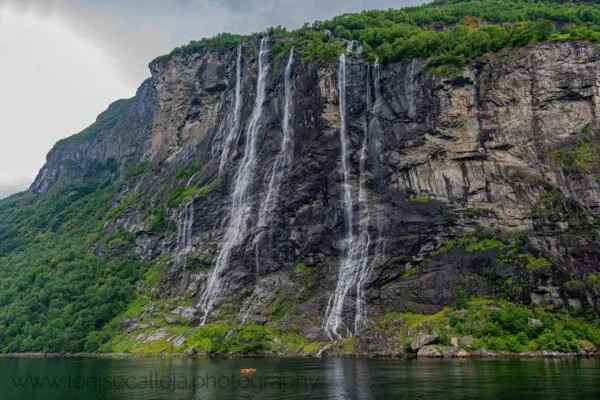
From the ship, the view kept shifting between steep mountain profiles, fjords and settlements along the water. Sailing through Geirangerfjord was a particular highlight: it’s Norway’s best-known fjord, and seeing it from sea level had long been a goal of the trip.
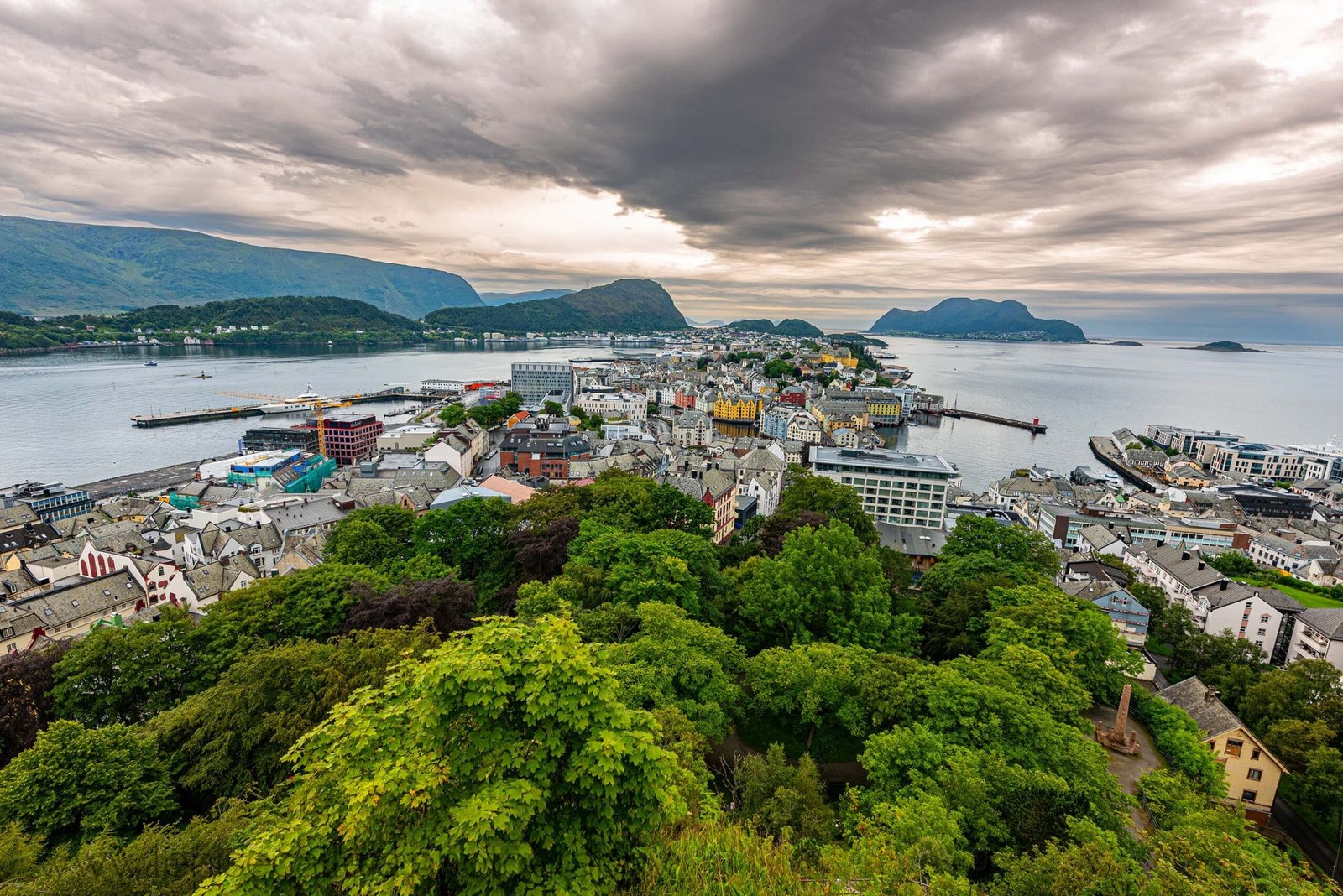
Ålesund was another anticipated stop, thanks to its architecture and setting among water and mountains. The ship allowed only an hour in port, so there was little time to wander. Calleja went straight to Byparken and climbed the steps for the familiar view across the city skyline—a useful example of choosing one clear vantage point when a stop is short.
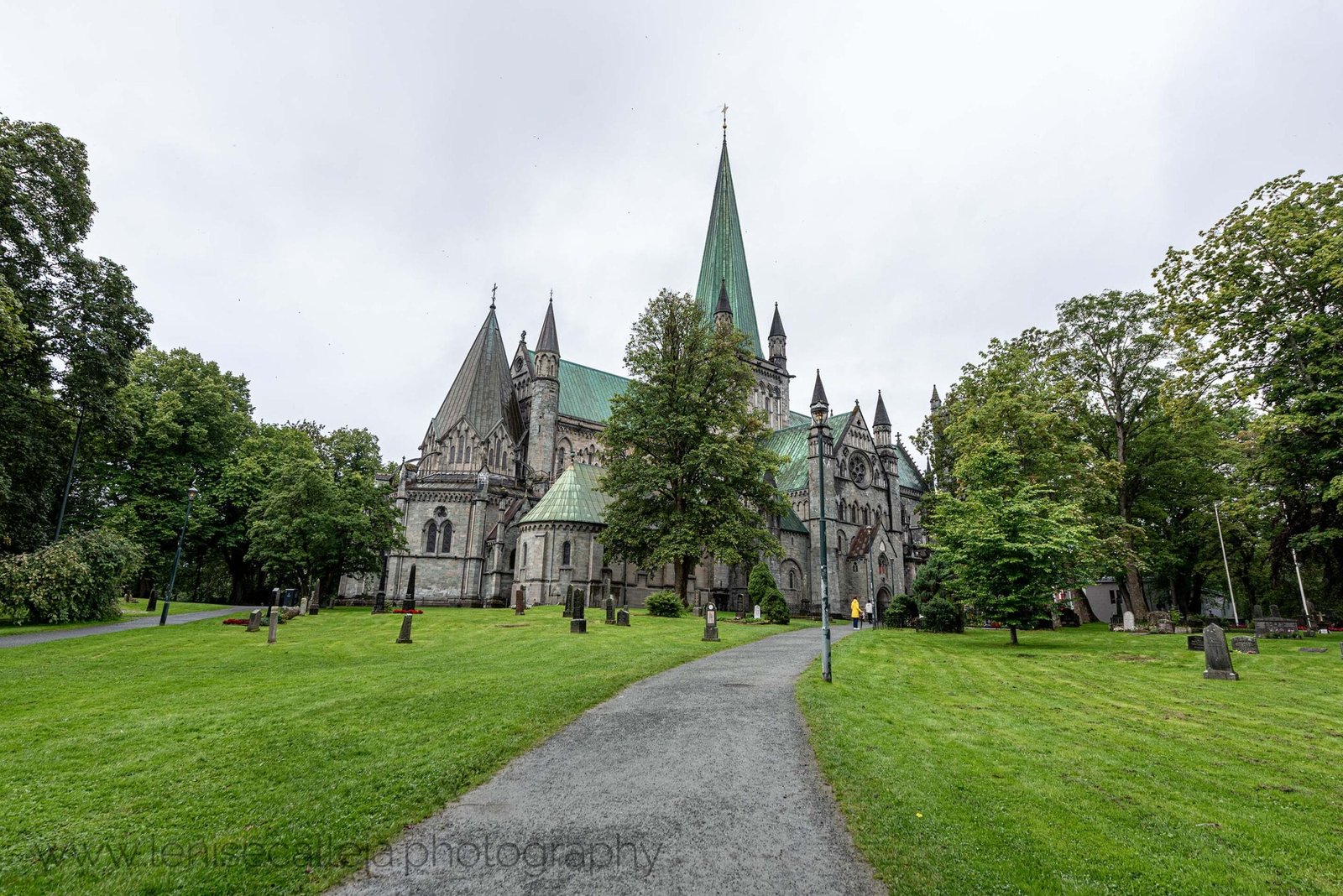
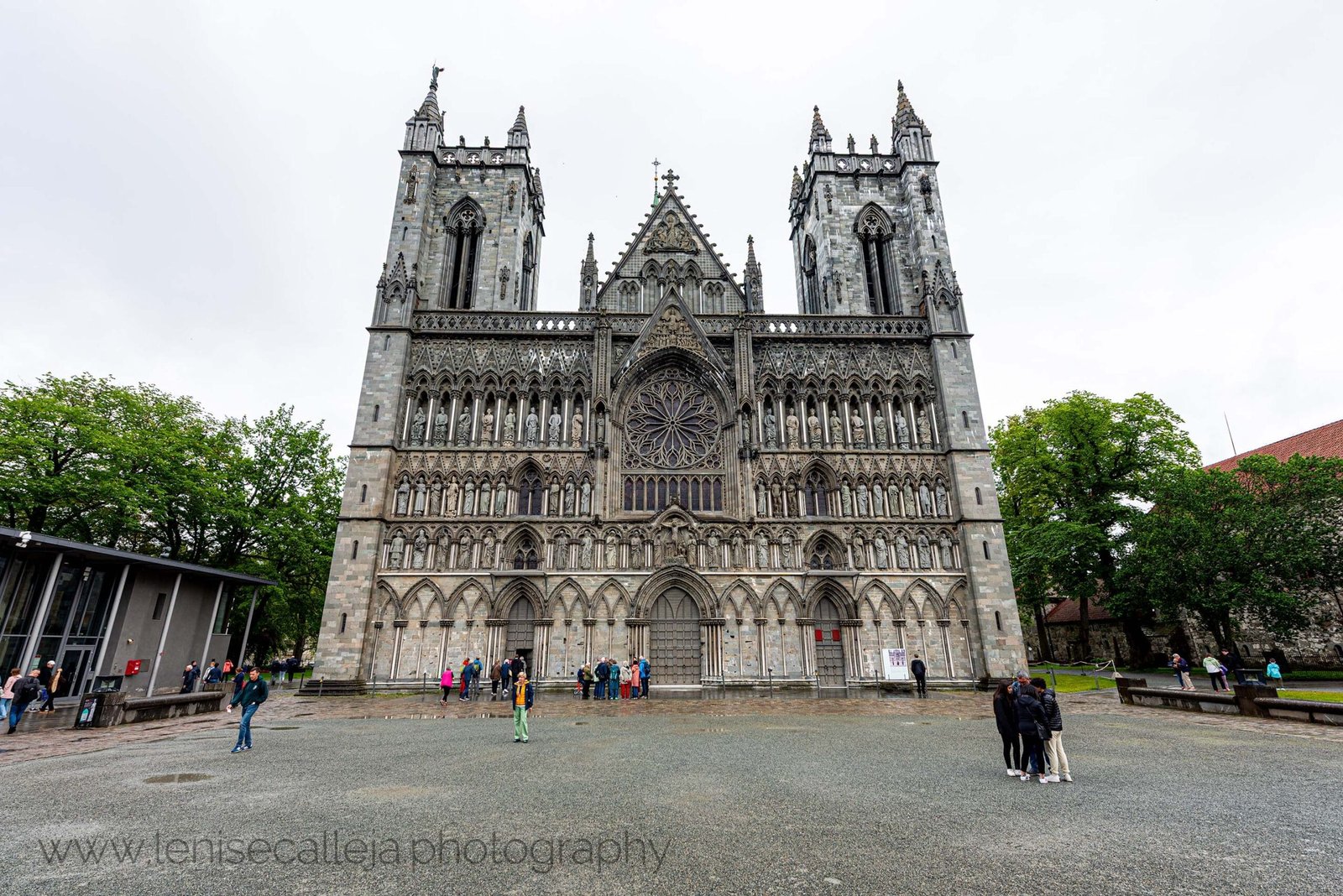
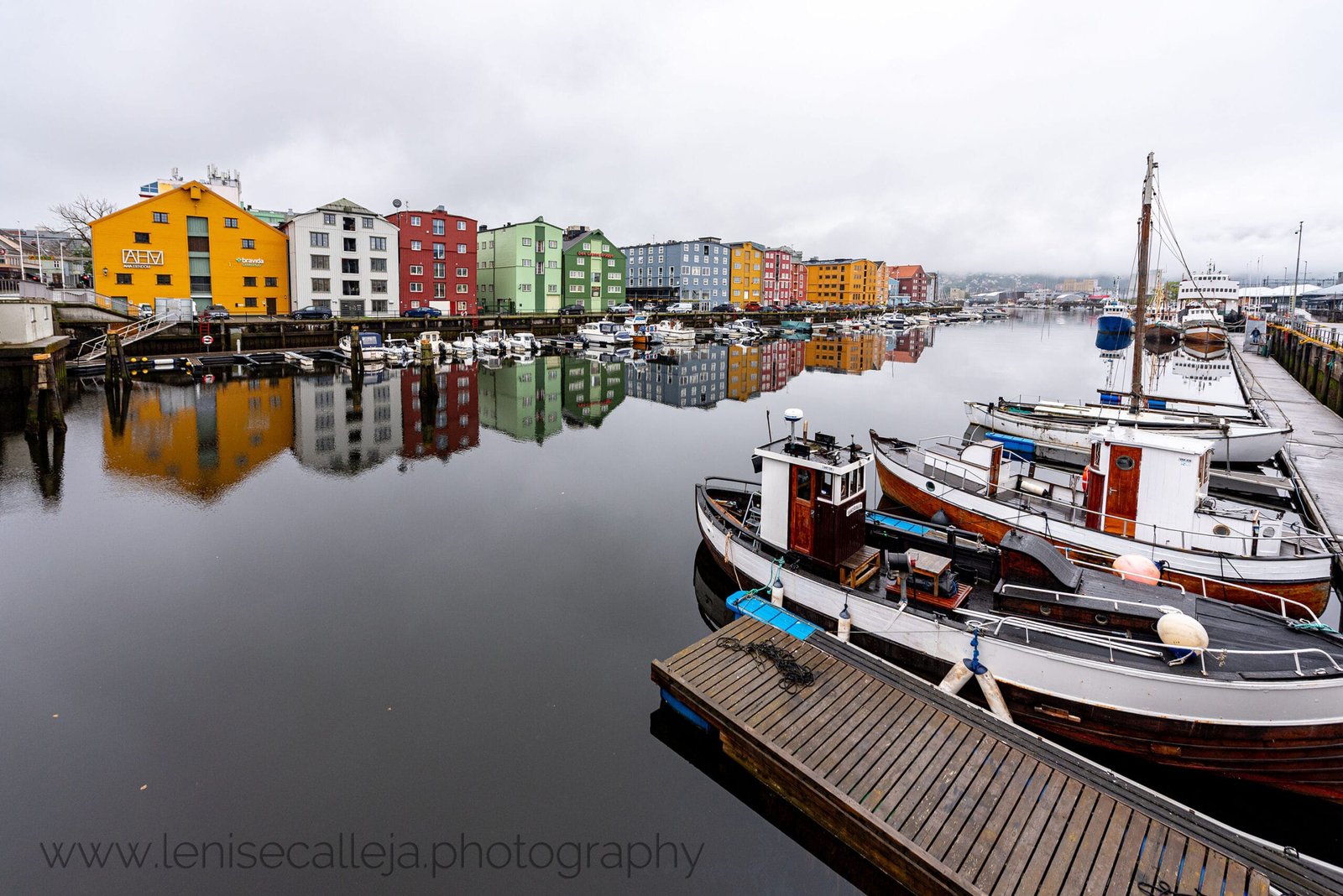
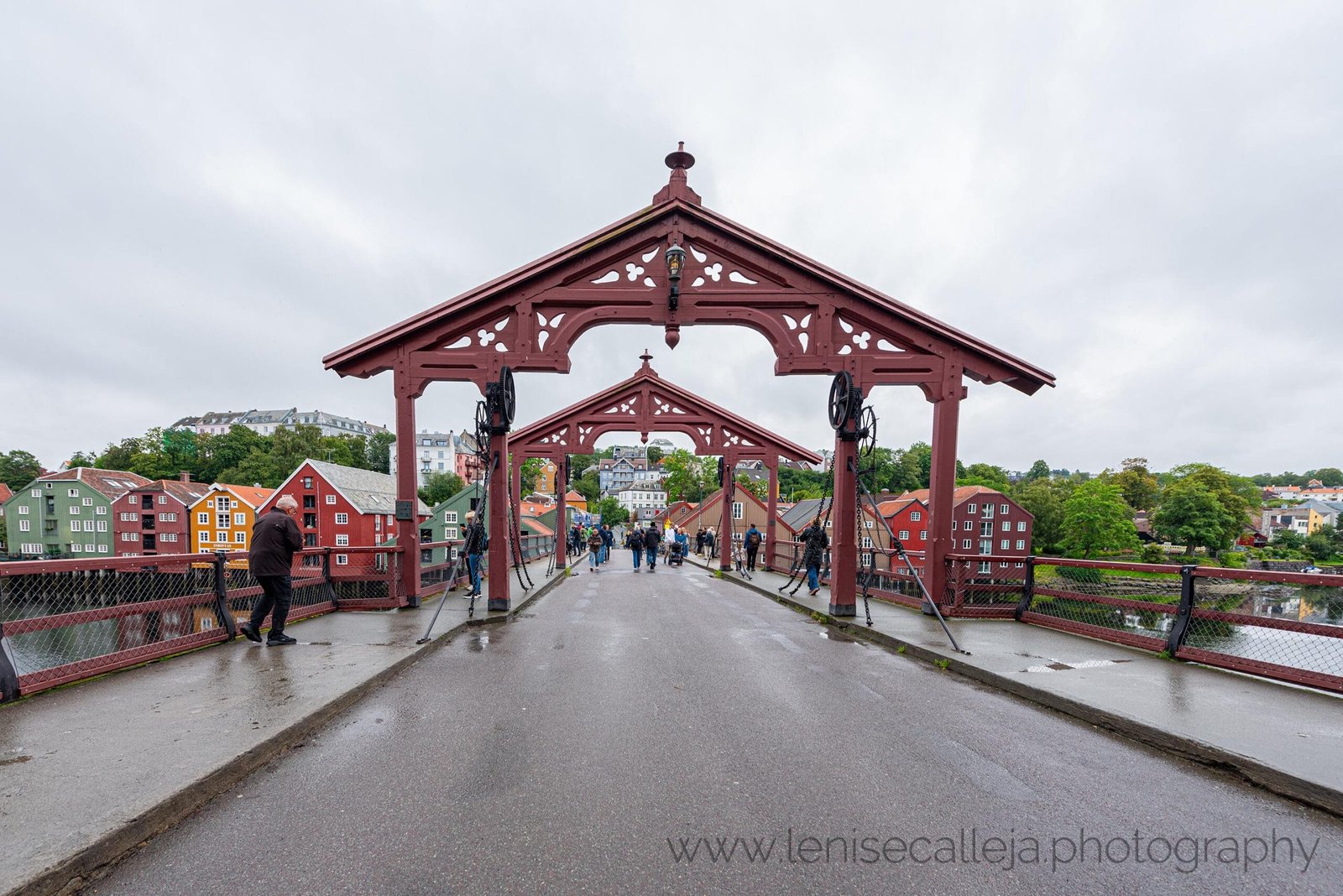
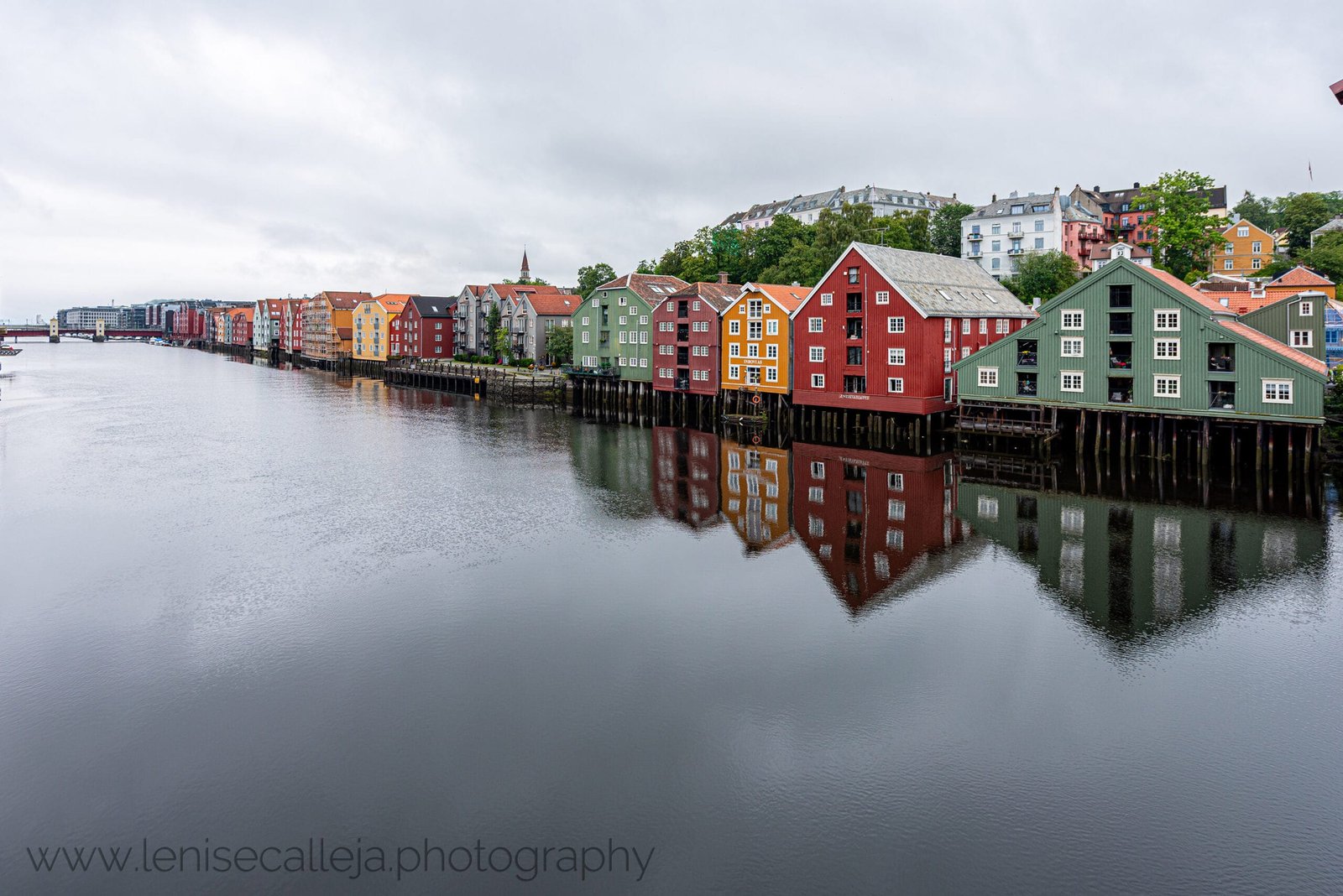
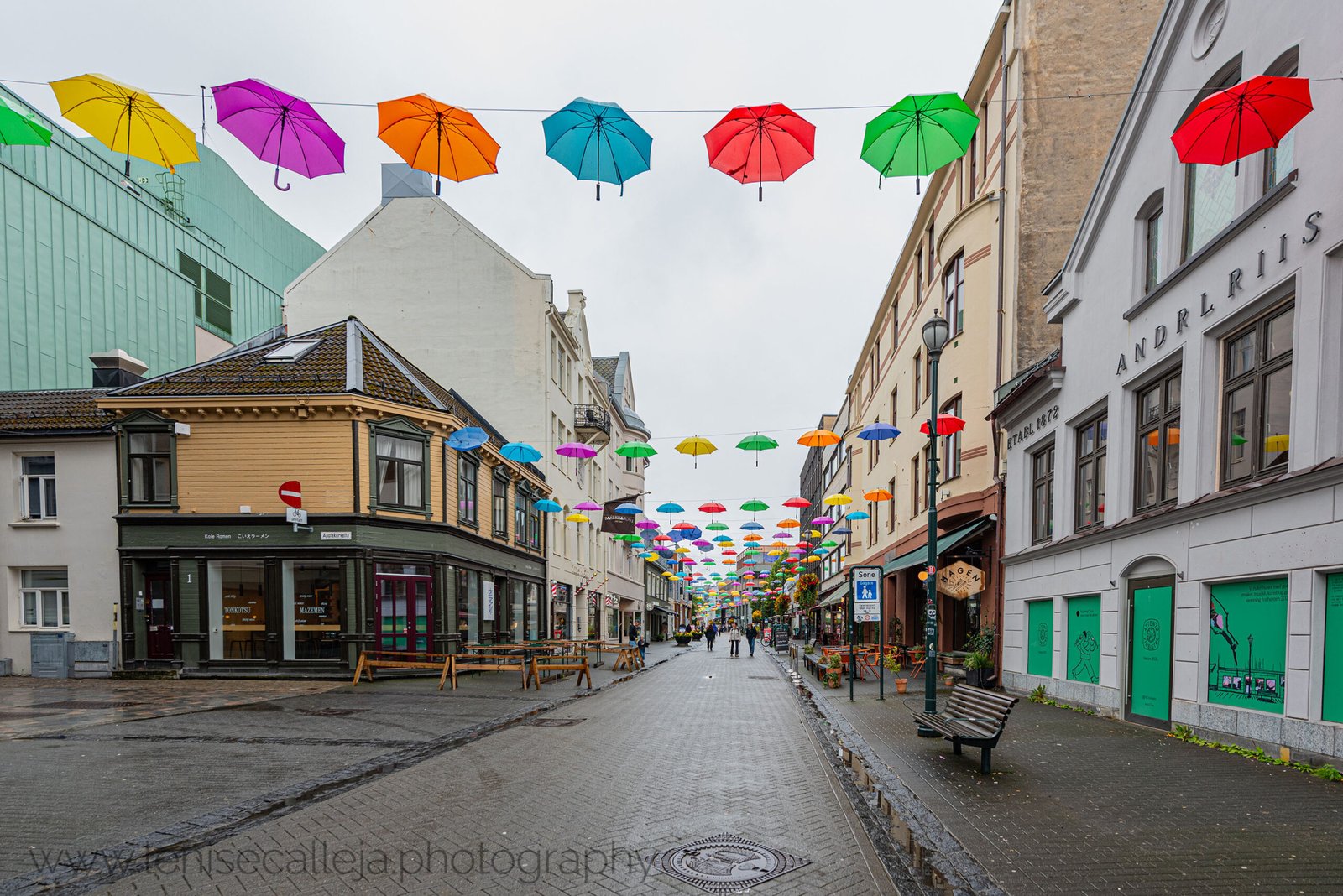
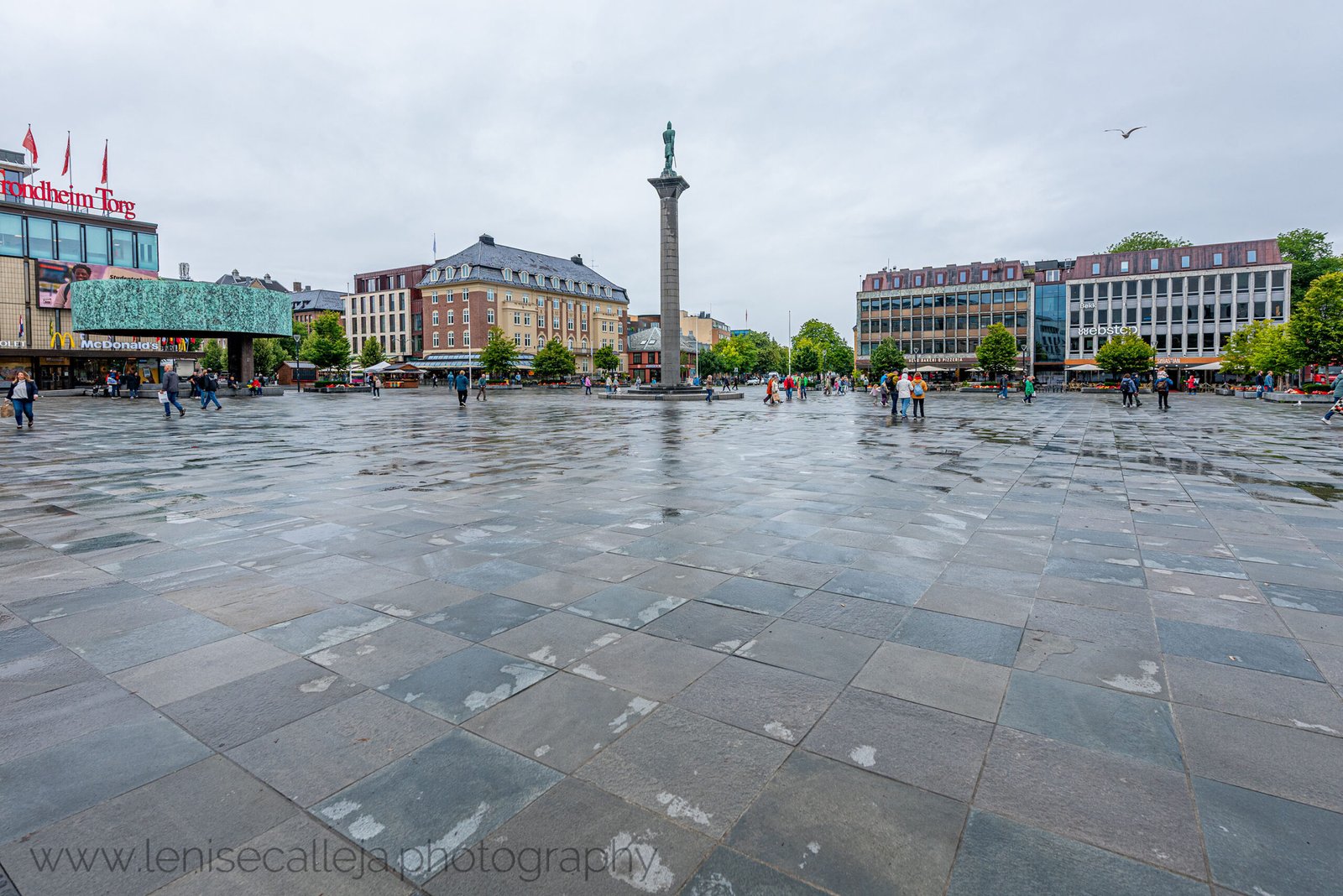
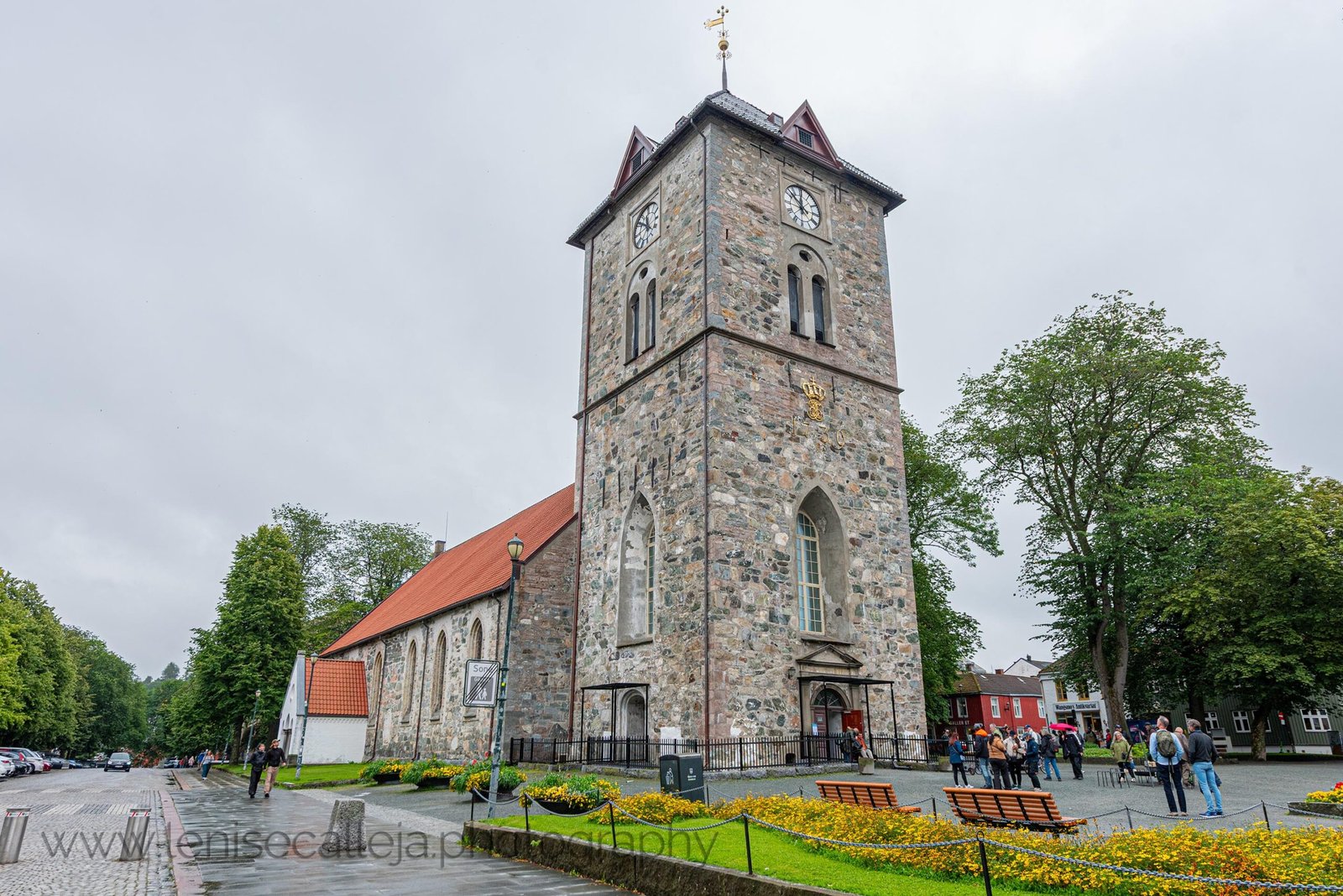
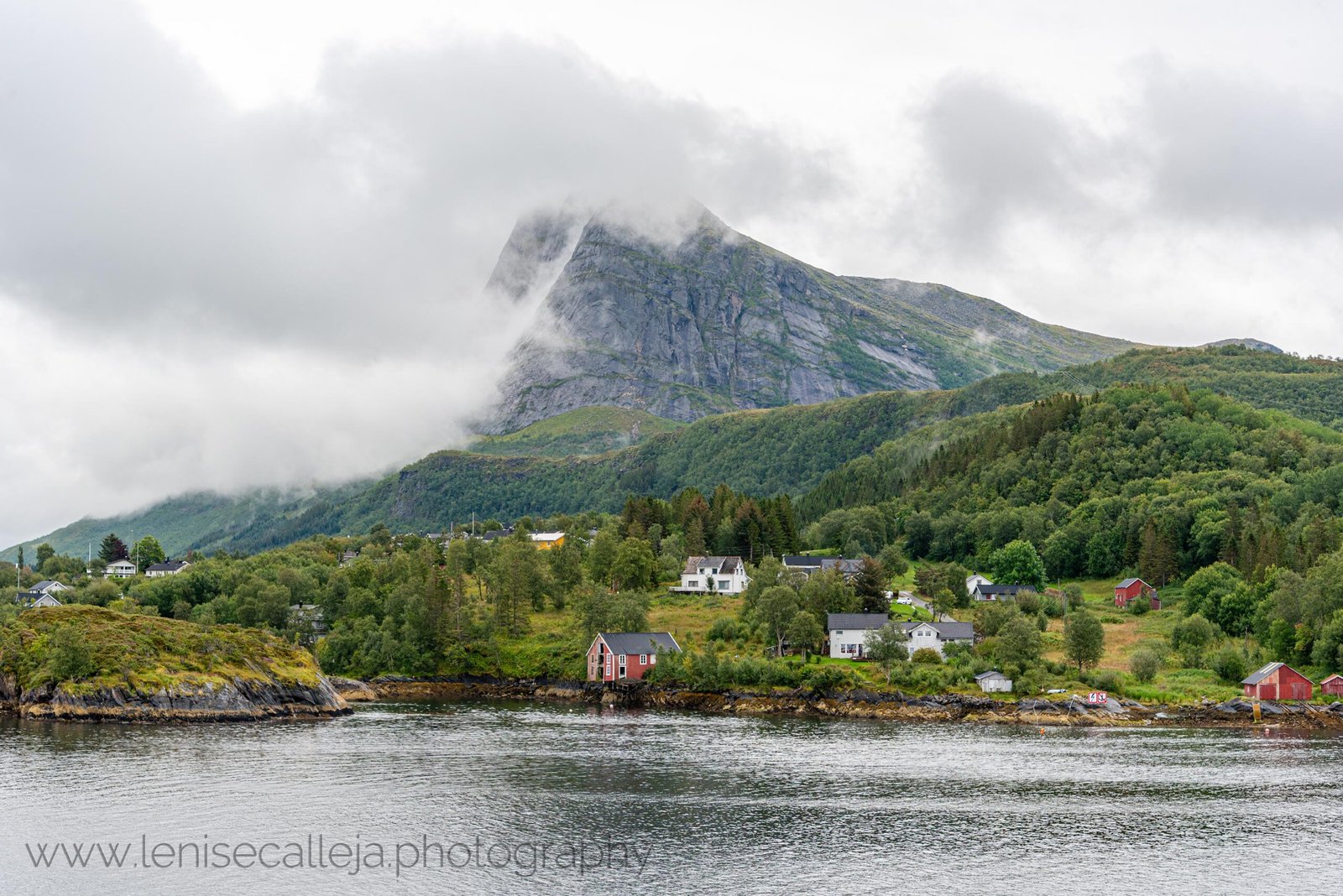
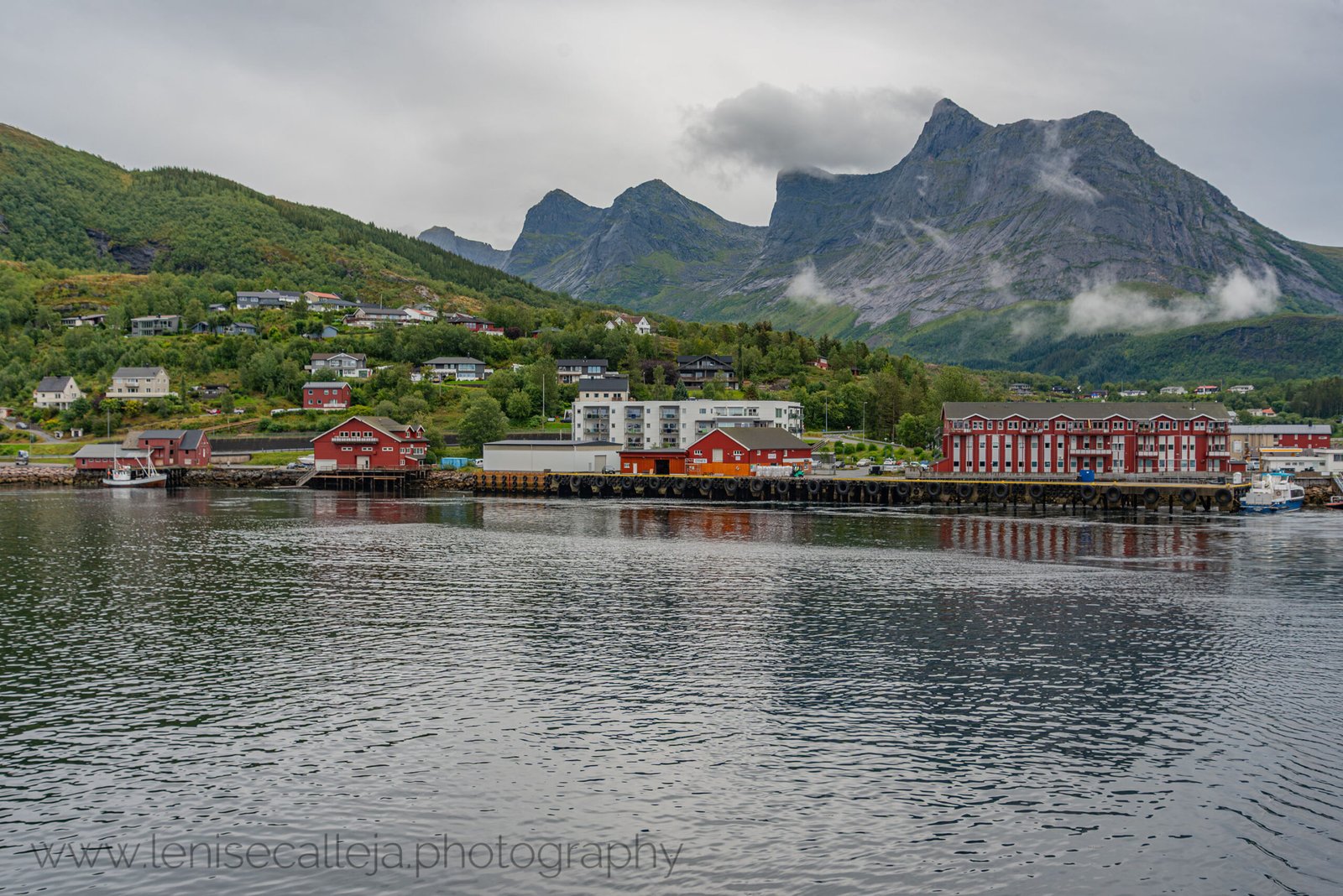
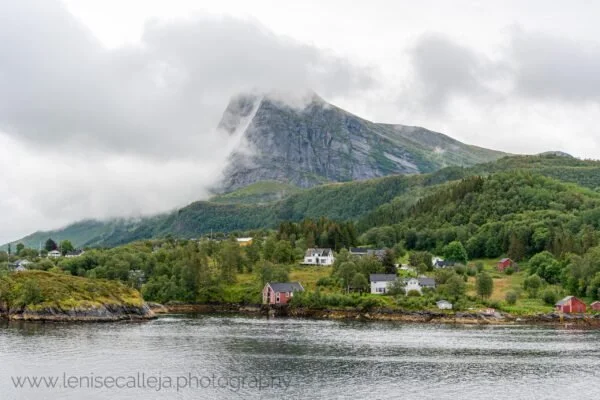
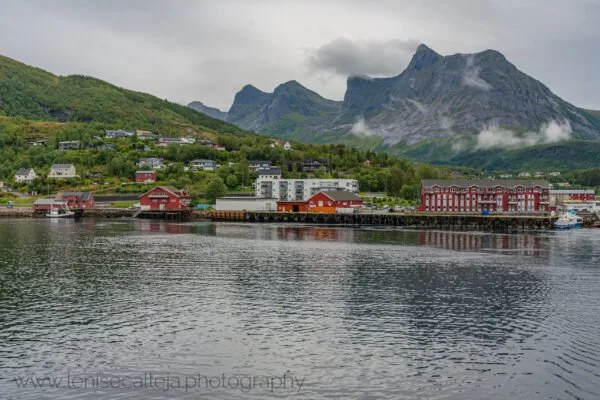
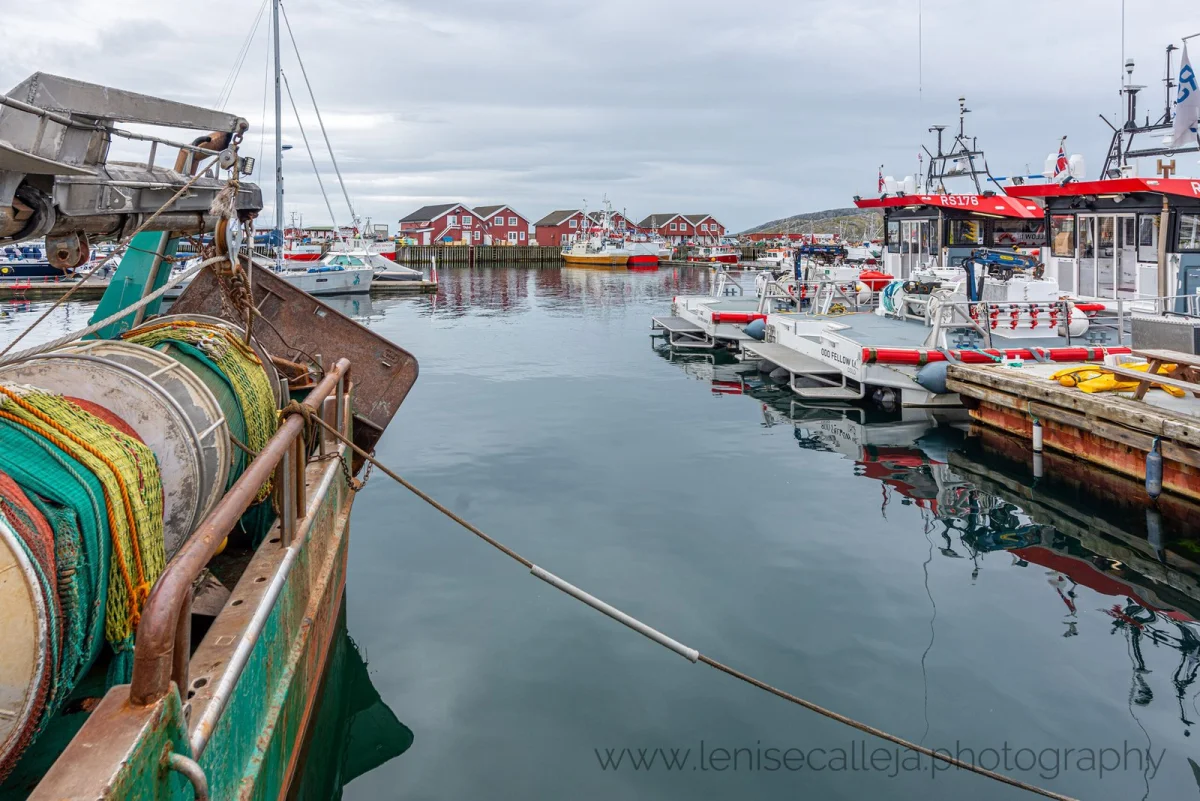
Trondheim and Ørnes also feature in the coastal photo sequence, along with Bodø. The images keep the focus on the journey itself: towns and shoreline encountered between Bergen and Svolvær.
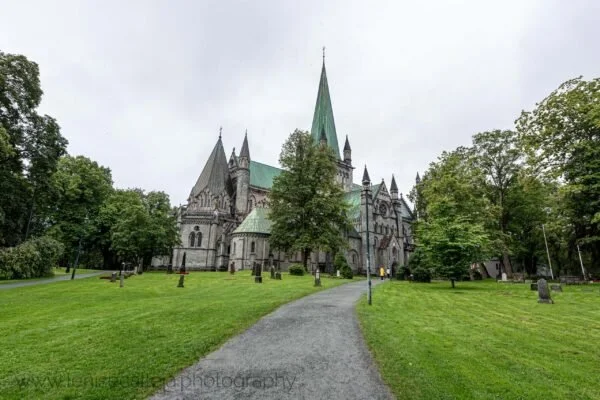
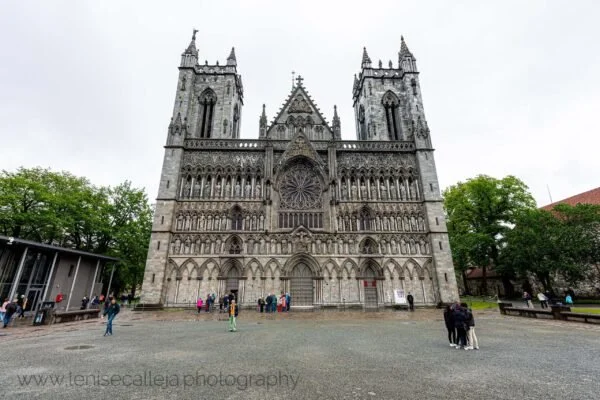
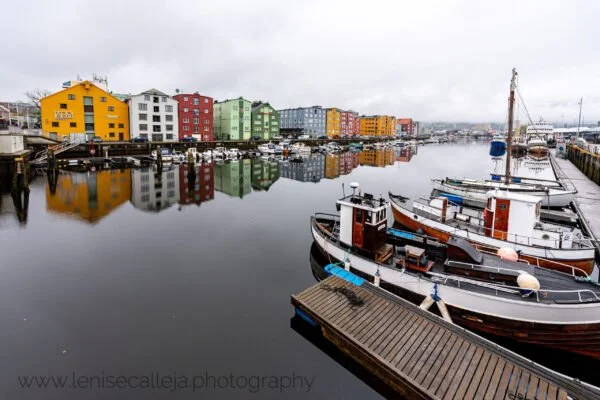
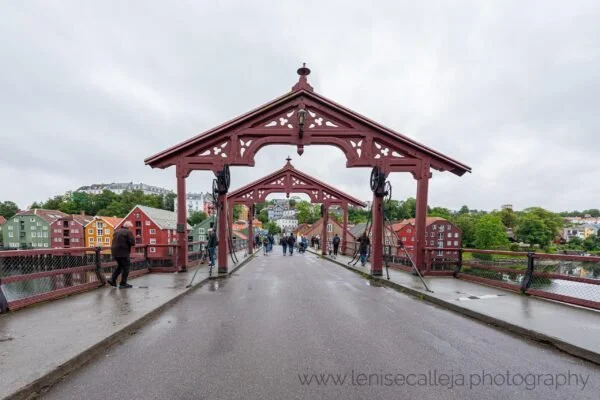
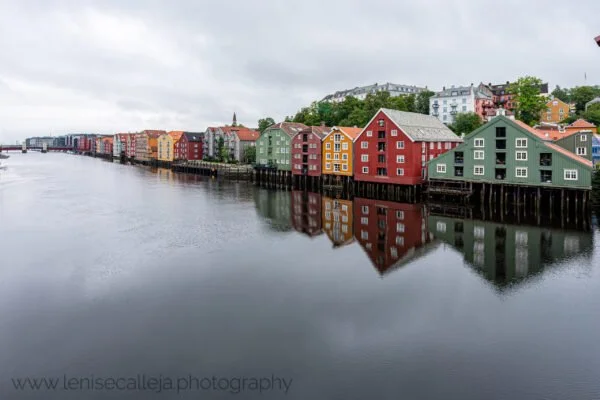
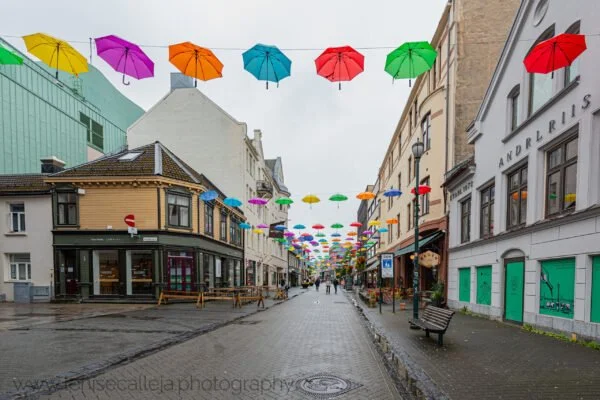
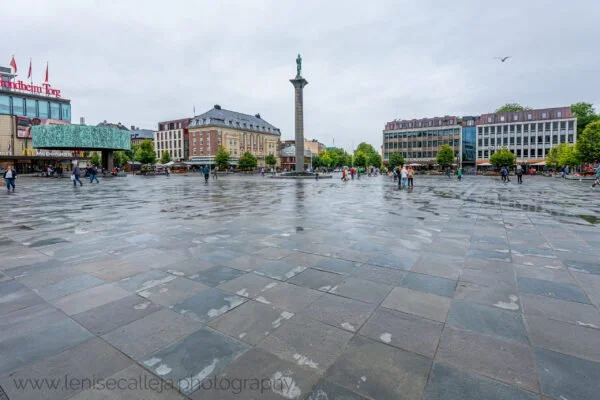
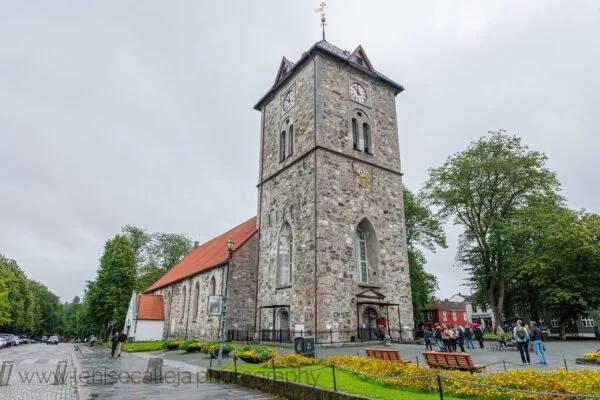
Ørnes and Bodø
Three nights among Lofoten’s mountains and villages
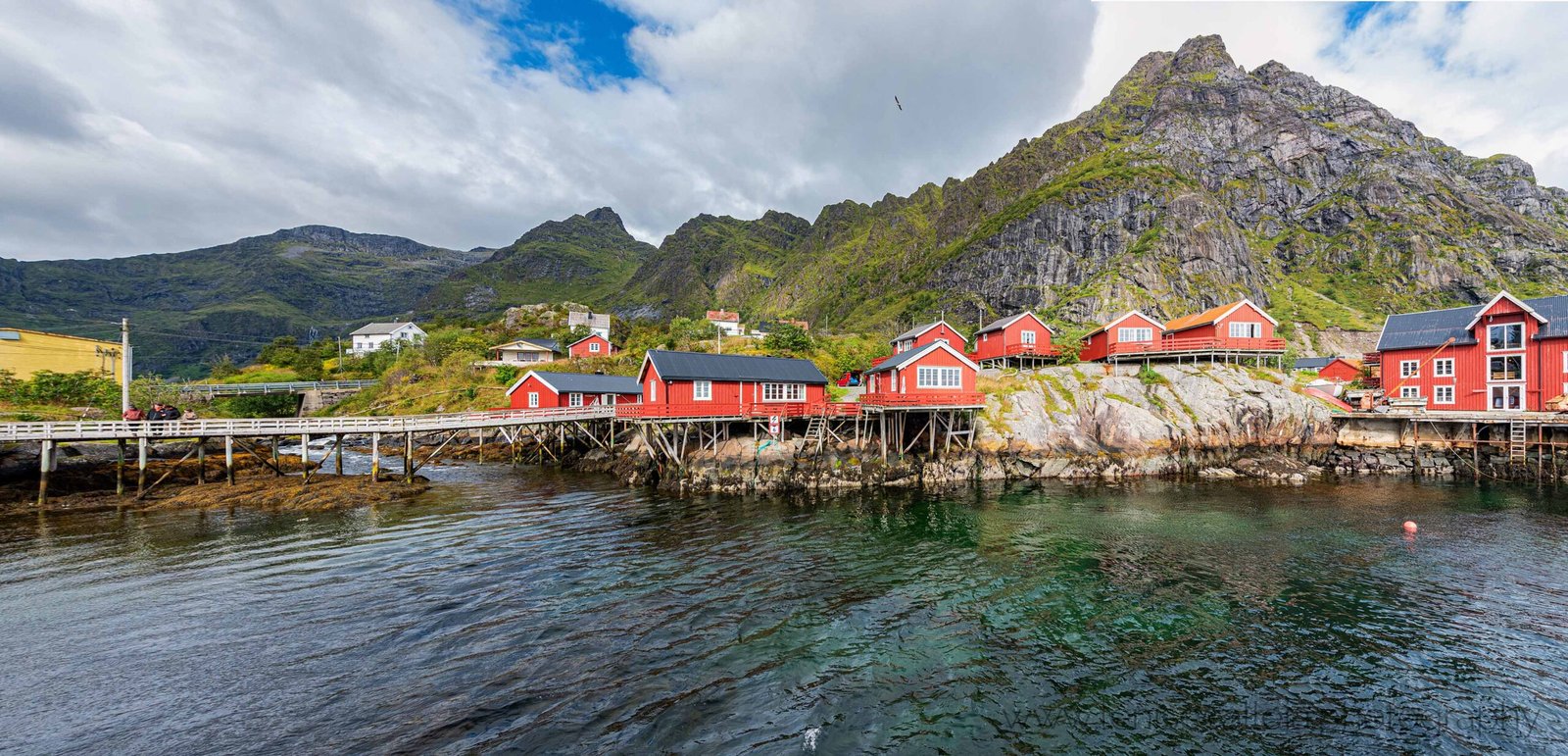
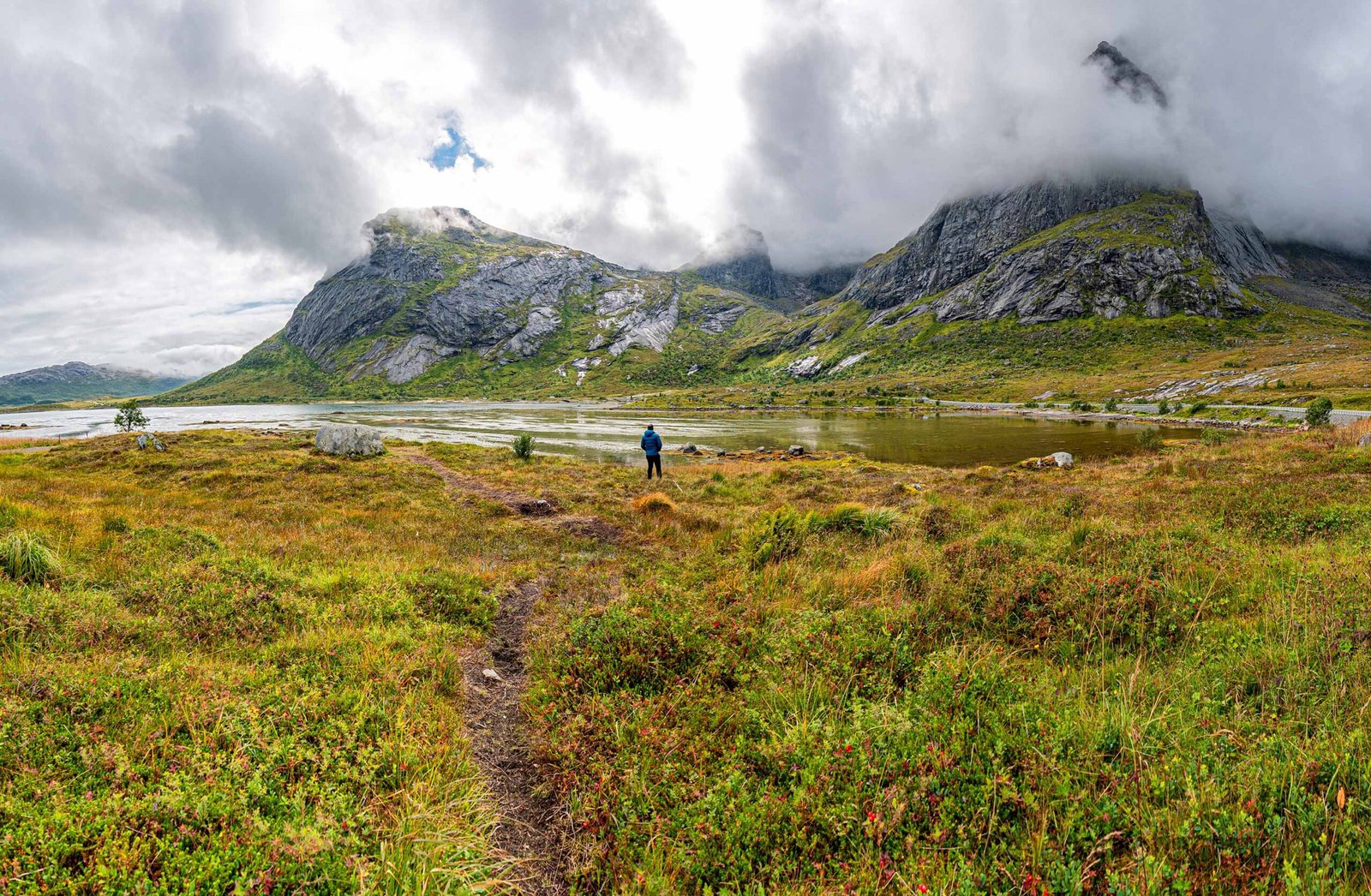
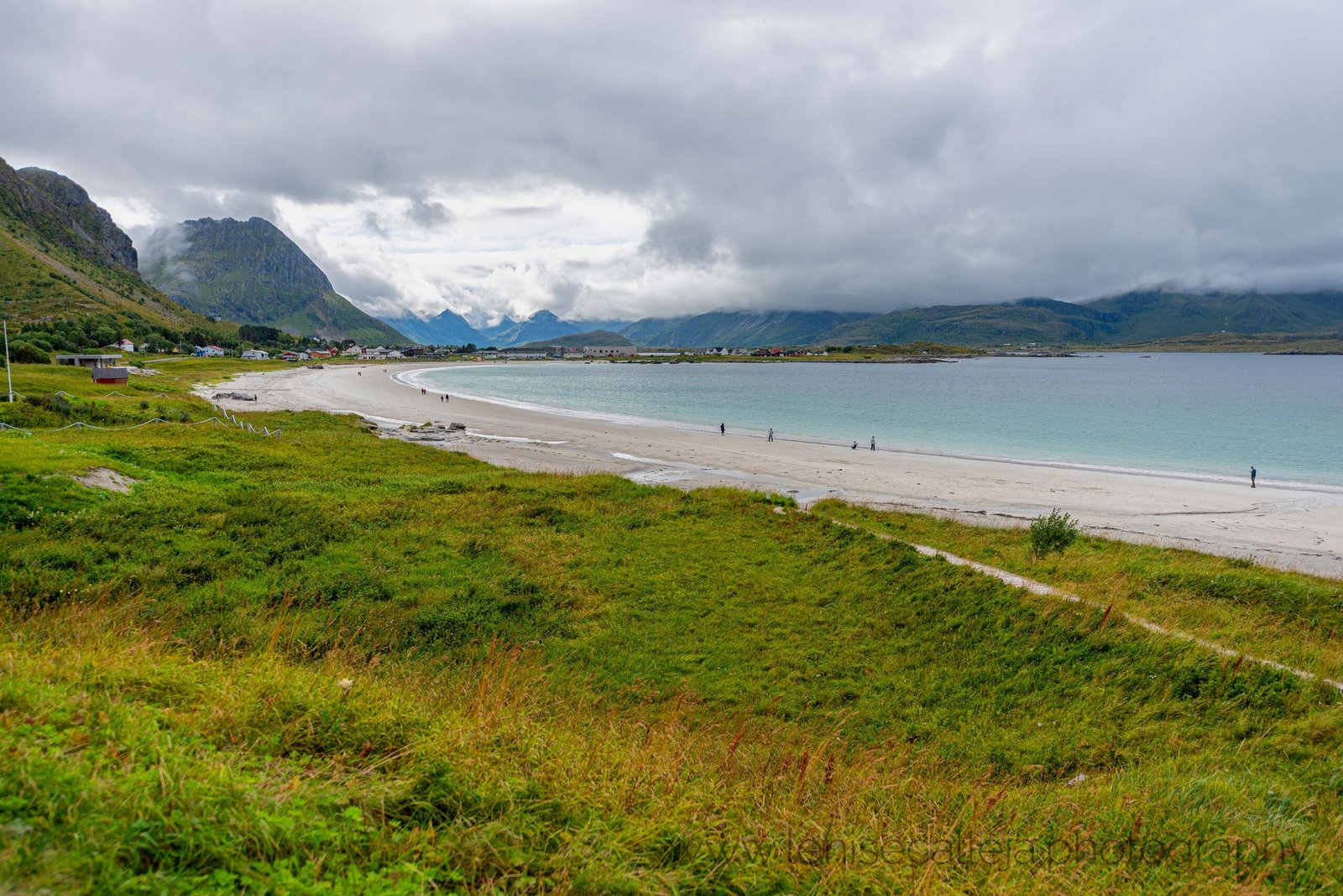
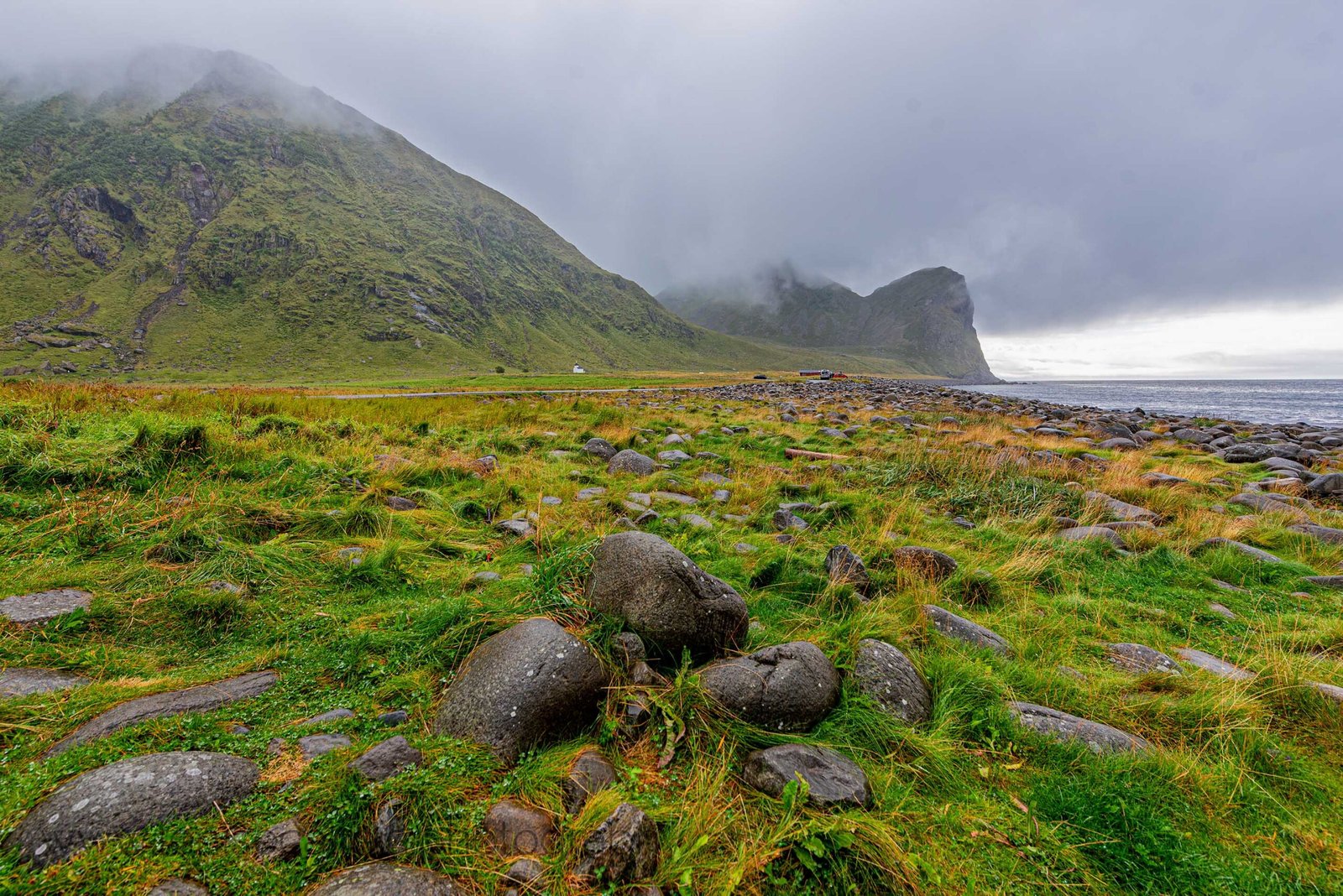
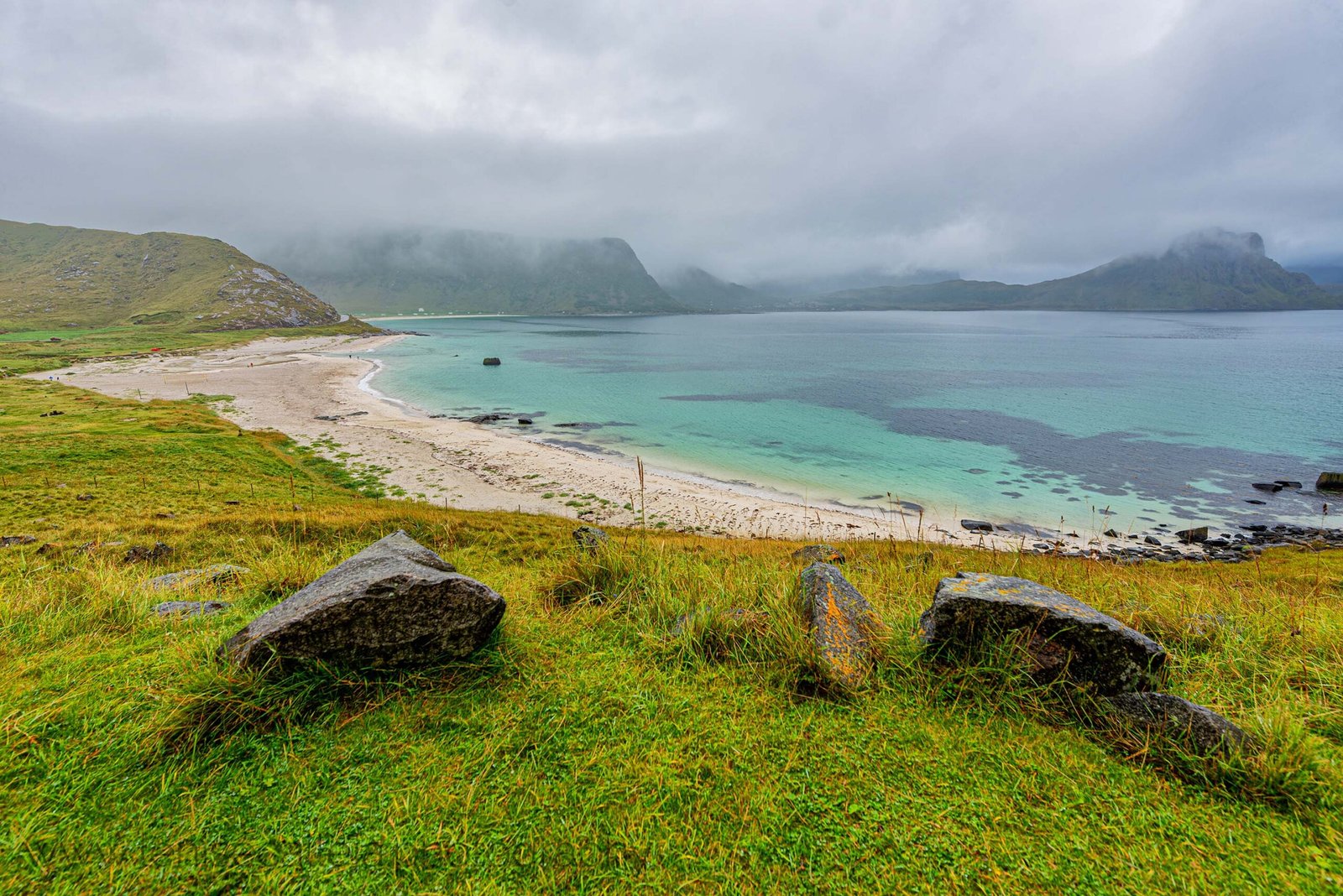
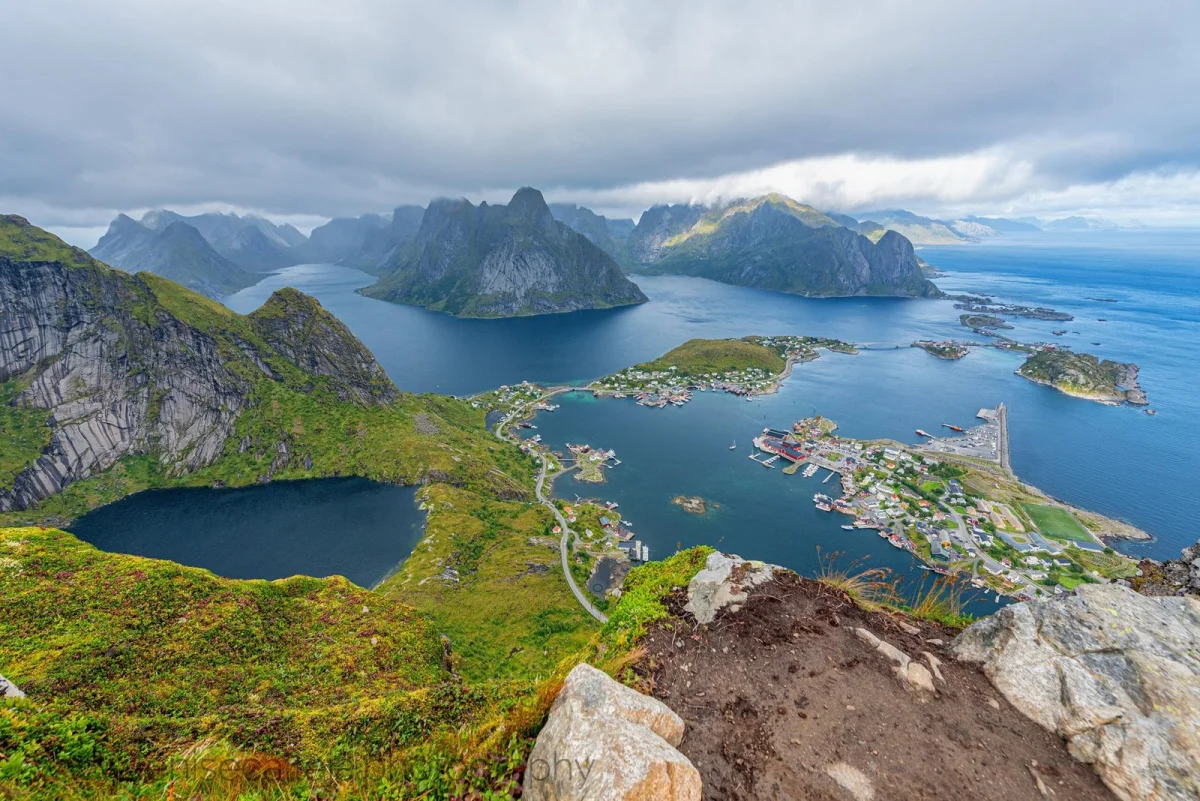
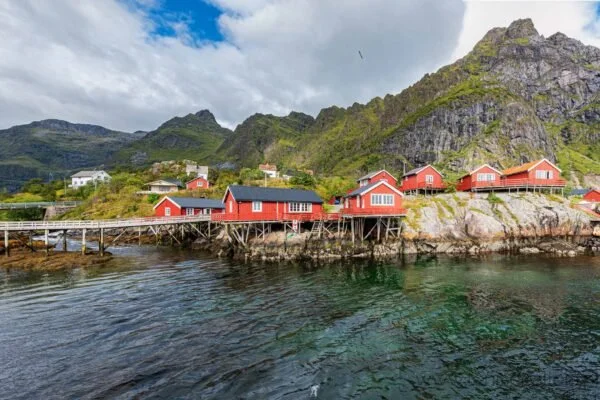
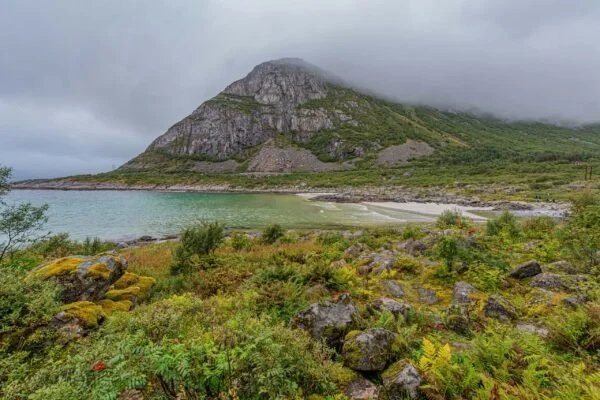
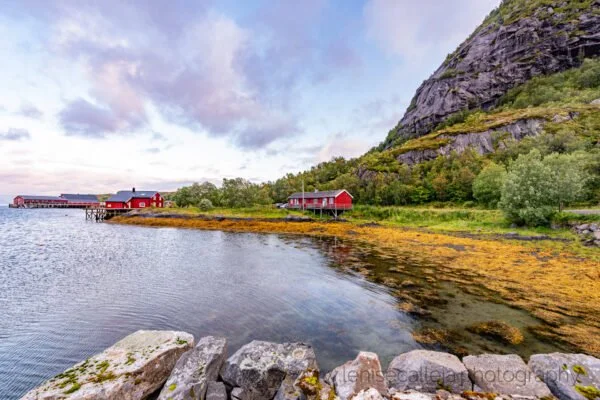
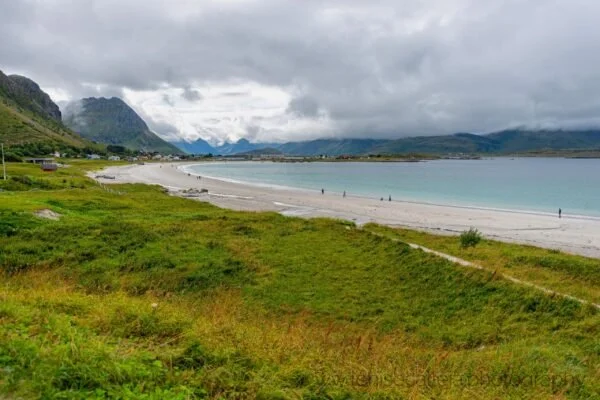
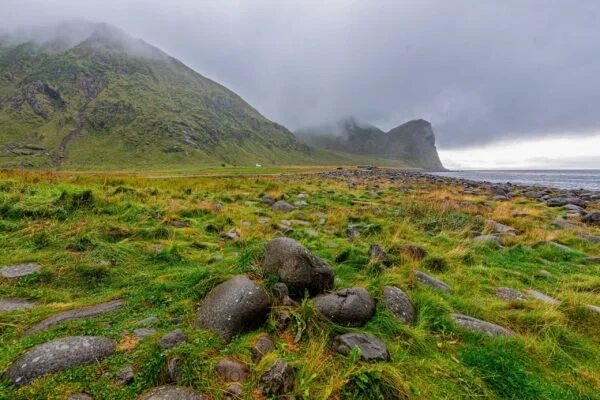
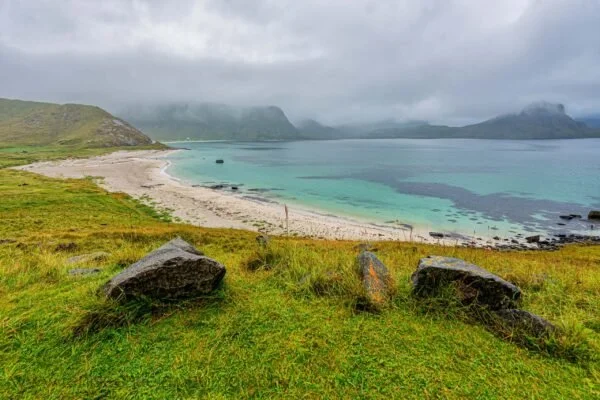
Lofoten lived up to its reputation with mountains rising from the sea, colourful fishing villages and beaches. But the islands were busier than the image of a quiet, untouched escape might suggest. The family travelled in the second half of August, after Norwegian schools had resumed, and still encountered many European visitors, including people from Italy, France and Germany.
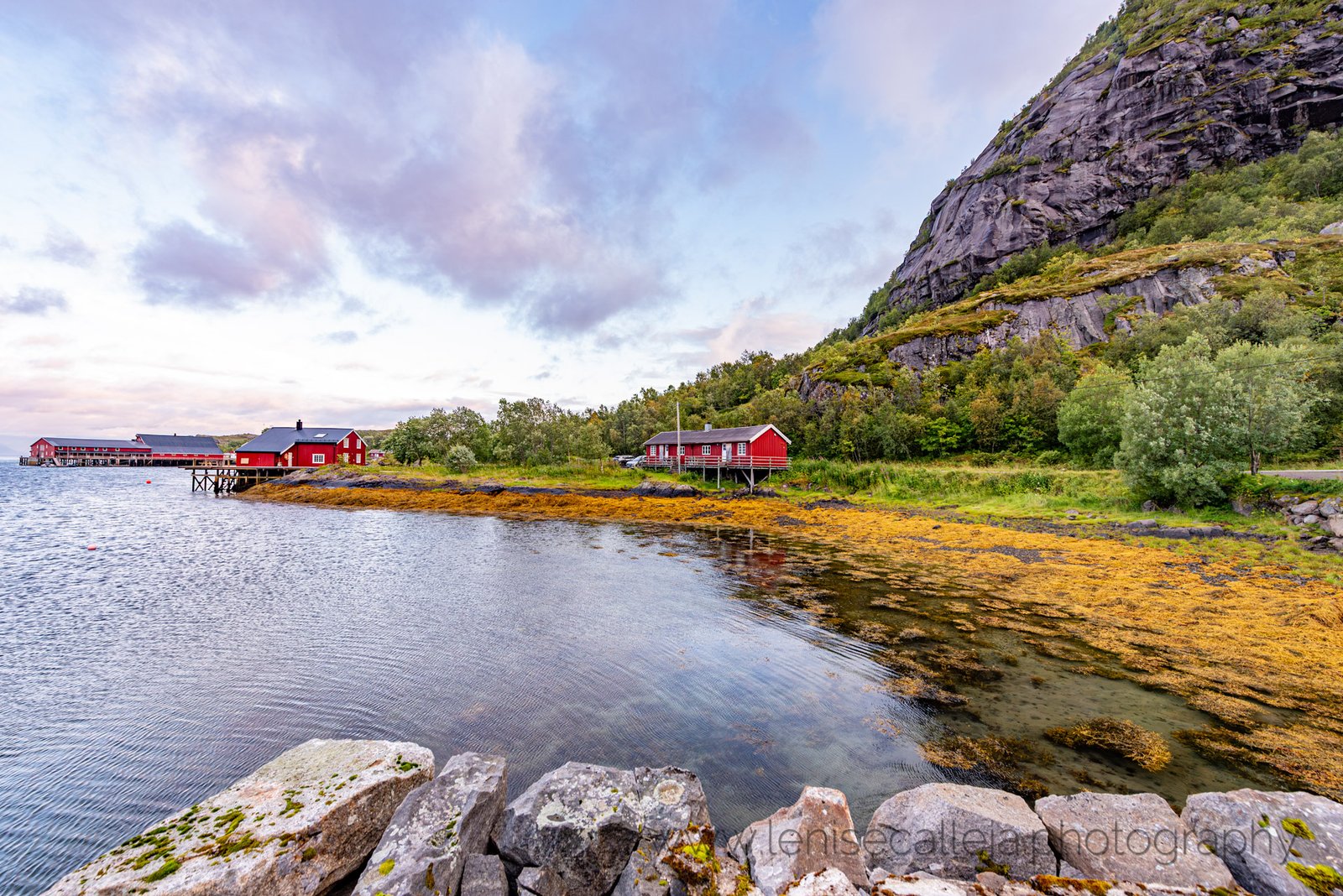
They stayed in a converted fishing village in traditional rorbu cabins. The accommodation was basic, but its position near Svolvær made sense after arriving late at night: driving several hours in darkness wasn’t appealing. The trade-off was a longer drive south to reach popular sights. For travellers focused on those locations, staying farther south could reduce time behind the wheel.
Vesterålen: quieter, wilder and worth the detour
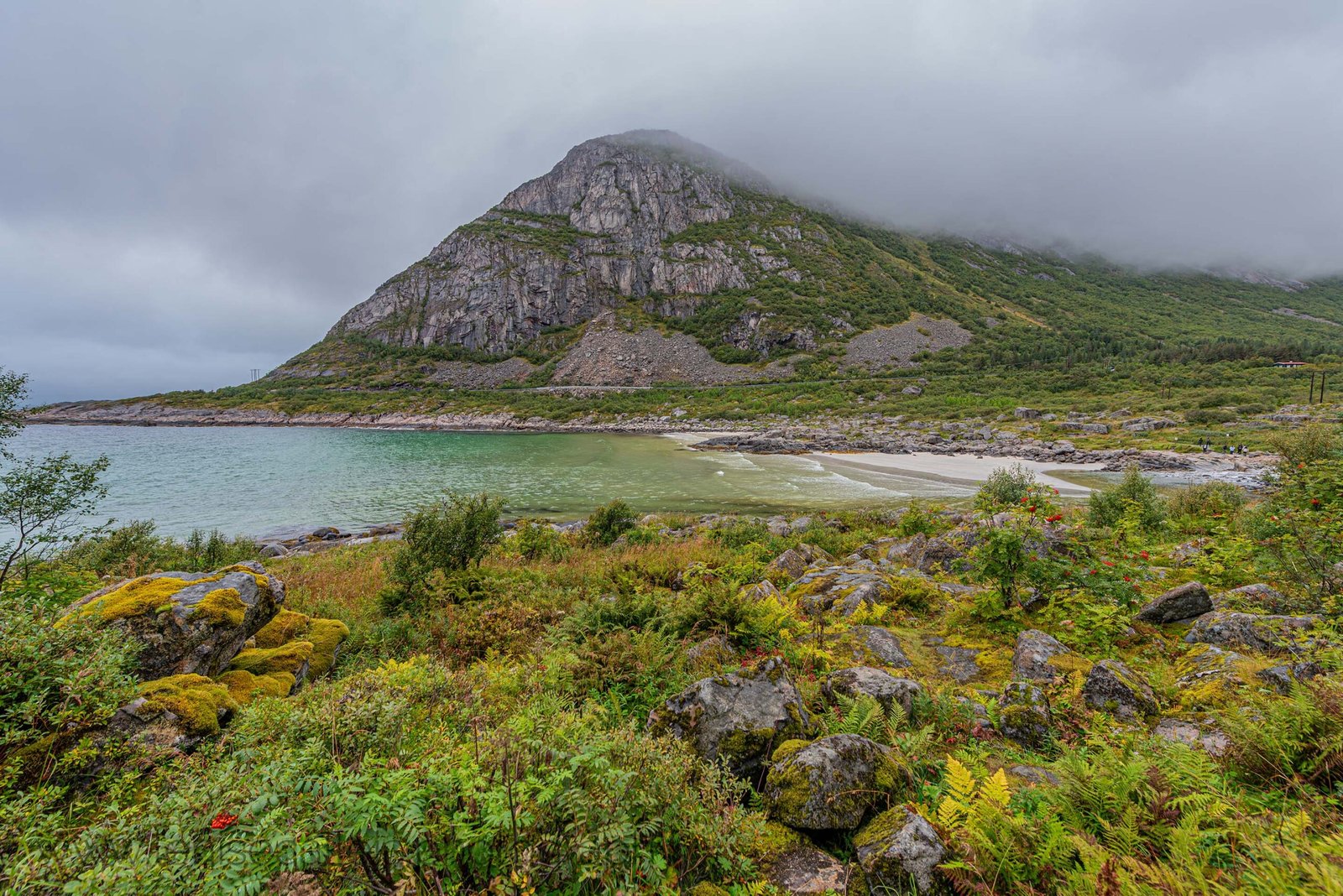
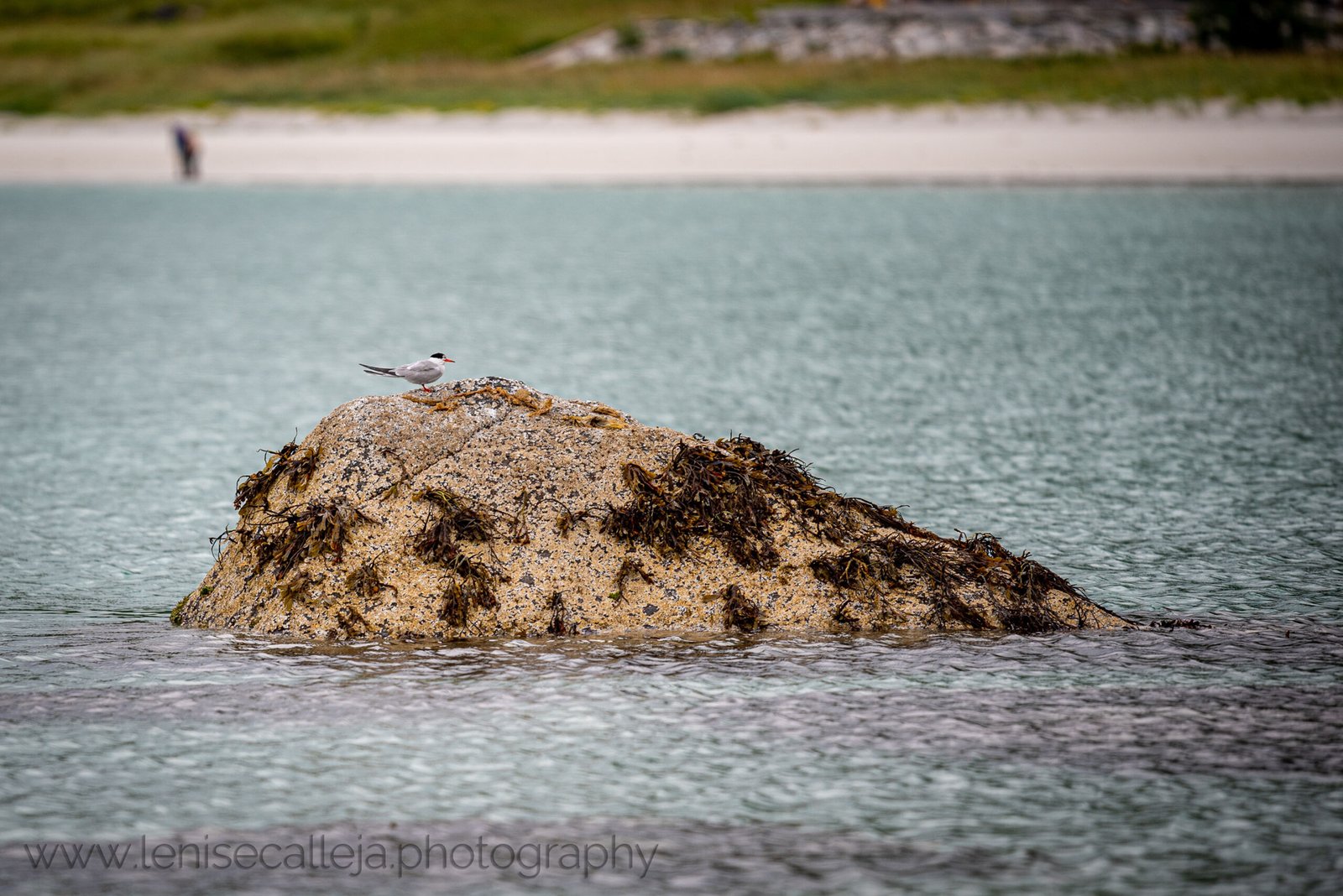
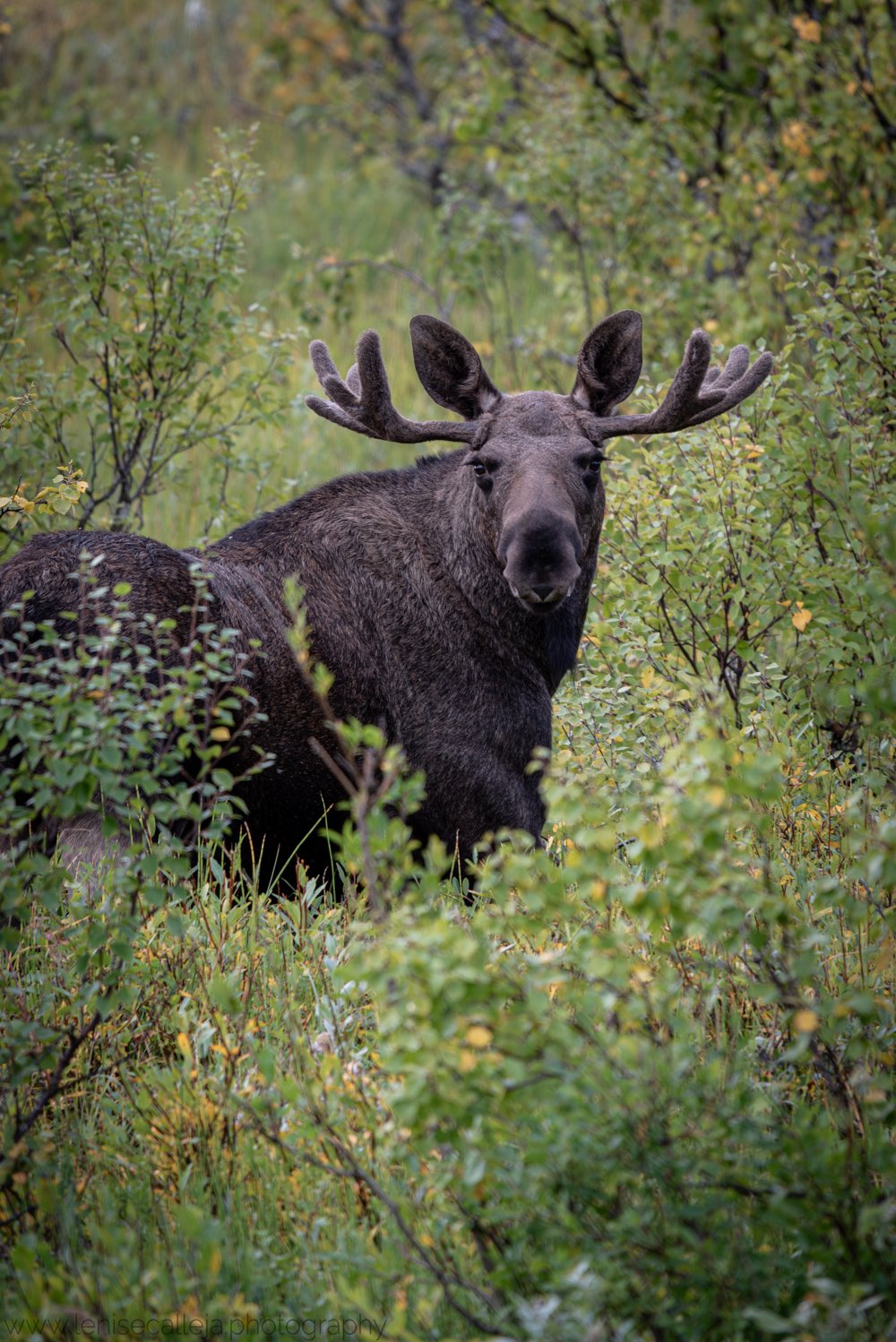
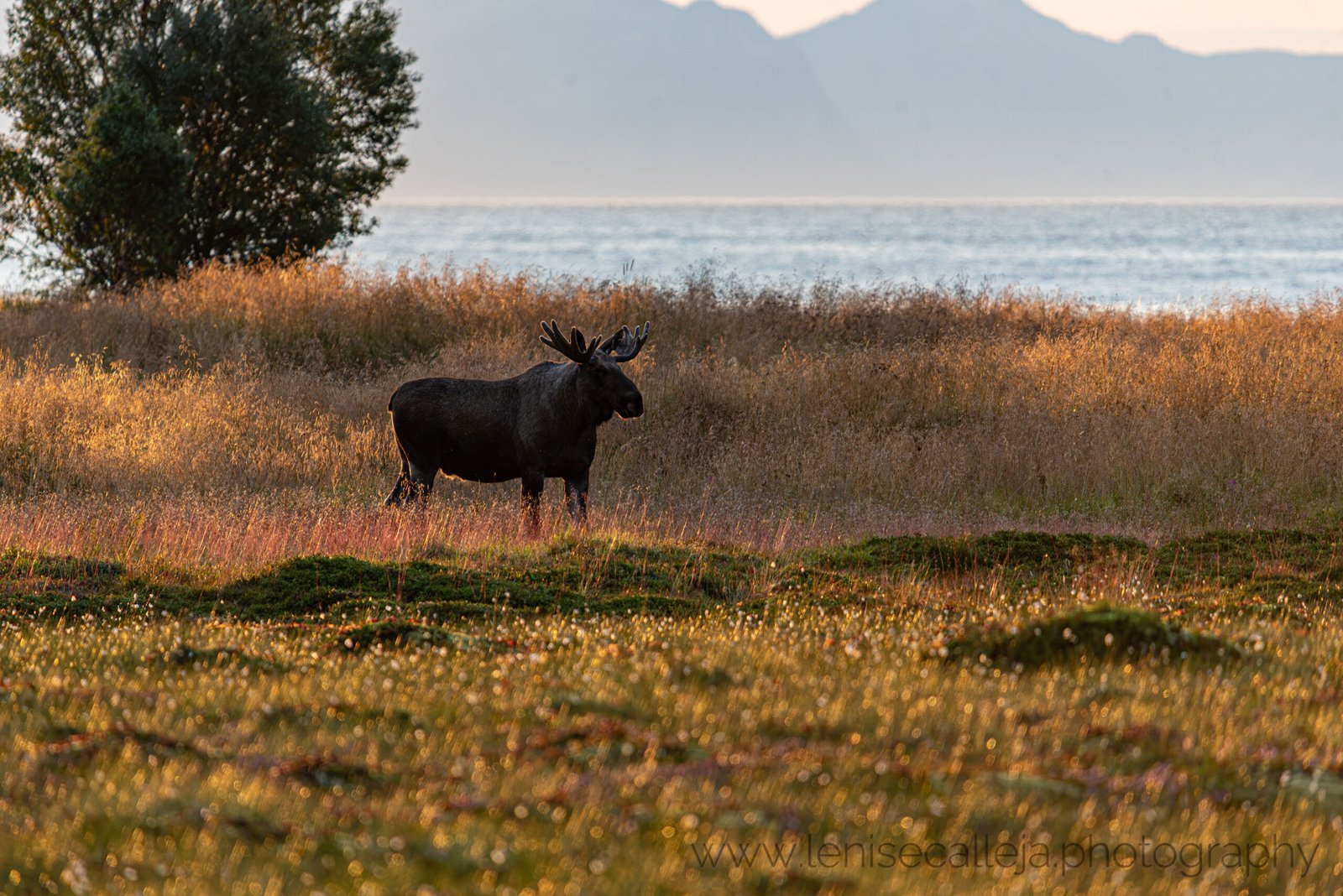
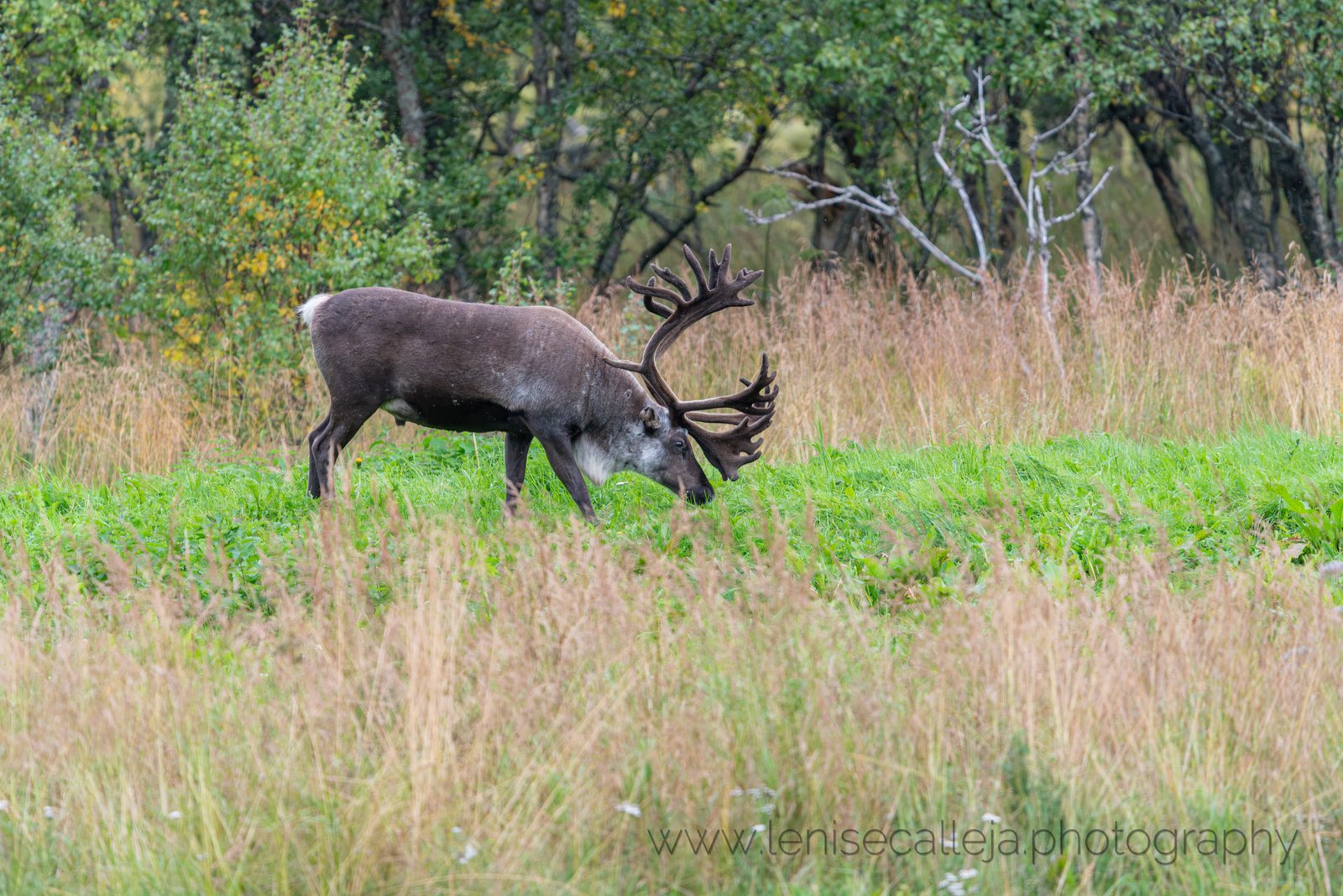
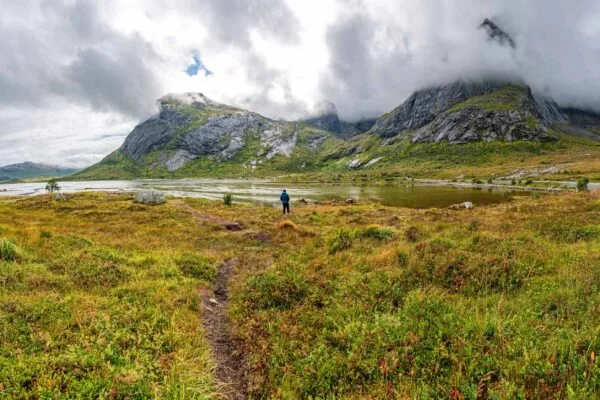
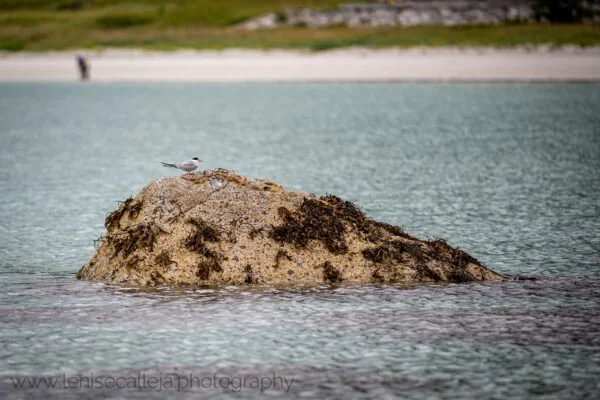
Vesterålen began as a practical stop near the departure airport. Research changed the plan: compared with Lofoten, the islands looked more remote and less visited, so the family set aside three nights to explore. The decision paid off. The region offered rugged coastline, mountain scenery and abundant wildlife, with a noticeably quieter feel and few other tourists encountered along the way.
For photographers, that contrast is the point. Lofoten’s familiar village-and-mountain scenes come with more visitors and longer drives if based near Svolvær. Vesterålen brings a different pace and a sense of space. If the schedule allows, it merits time of its own rather than serving only as a route to the airport.
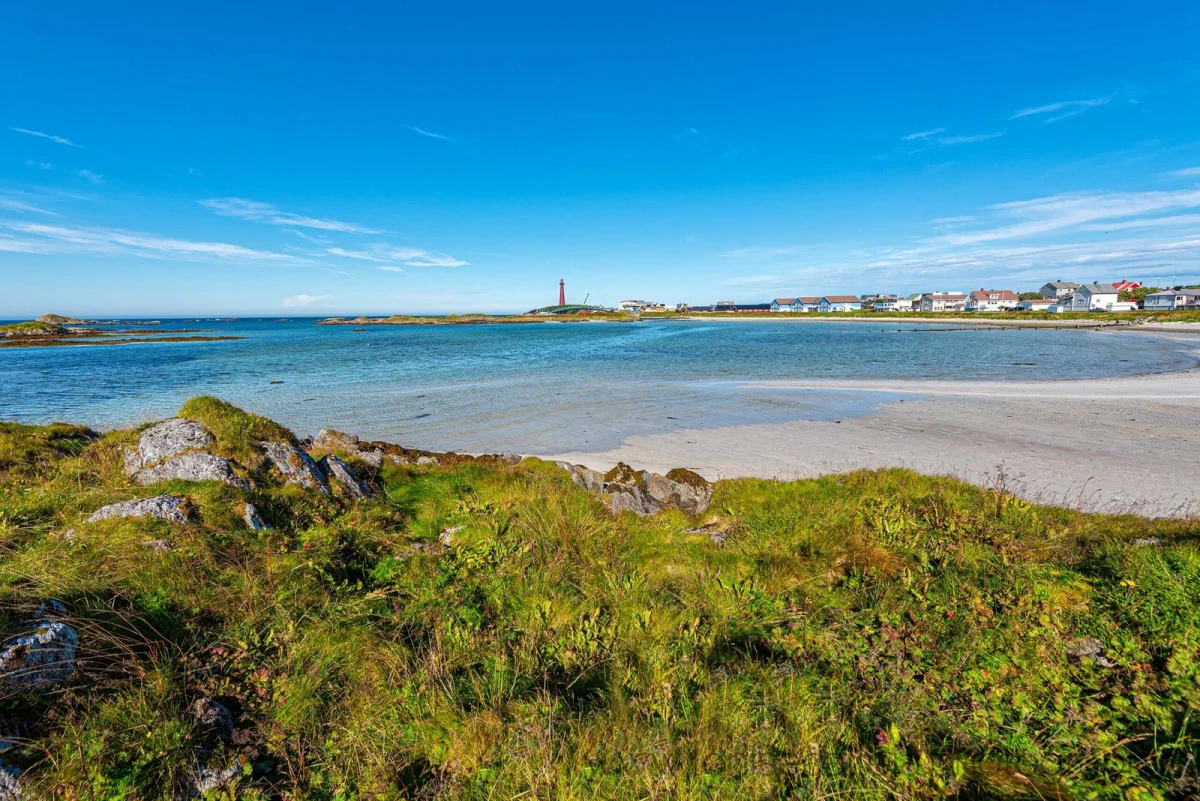

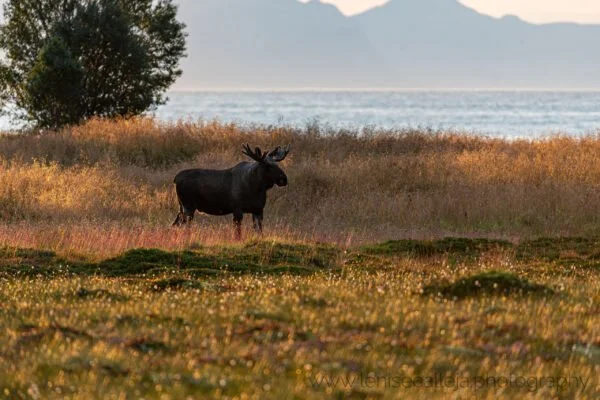
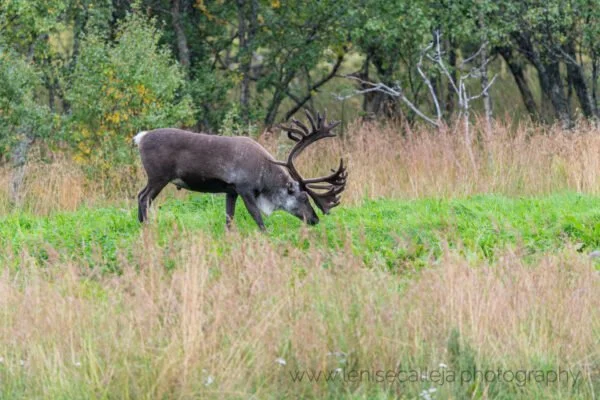
Many of Calleja’s photographed locations and viewpoints are marked on her Norway photography map.

Planning costs and August conditions
Norway was the most expensive destination the family had visited. Their examples offer a sense of where costs added up. Multi-city flights with Lufthansa, booked six months ahead, cost about €400 per person. The route was Malta–Frankfurt–Bergen outbound and Evenes–Vienna–Malta on the return. Each ticket included one cabin bag; adding one 23 kg checked bag cost €40.
For accommodation, larger apartments, houses and campsites worked better for two families than booking separate hotel rooms. A two- or three-bedroom rental averaged about €280 per night, split between the families for roughly €140 per family. Sharing the cost was a significant part of making a longer trip manageable.
Restaurant meals could add up quickly: a pizza or burger started around €25–30. The family spent about €50 a day on supermarket food for four, covering breakfast, lunch bread, snacks and dinner. Wine and higher-strength spirits were harder to buy and costly; those products were sold through Vinmonopolet shops, which had limited weekday opening hours.
Transport took a large share of the budget. Renting a larger seven- or nine-seat vehicle cost about €340 per day, or €170 per family. The travellers suggest comparing that with hiring two smaller cars when travelling as two families. Fuel was also expensive. An electric rental could reduce running costs depending on the route and rental price, but remote journeys call for planned charging stops. Fast chargers were common, yet range planning mattered away from larger centres.
August suited the family’s wish to trade Malta’s intense heat for cooler summer weather, long daylight hours and generally good conditions. Vestland brought several consecutive rainy days; Nordland later had sunshine. The trip’s lasting impression was the contrast between Lofoten’s celebrated scenery and Vesterålen’s quieter coast. Travelling north by ship, then taking the time to explore both island groups by car, made that contrast possible.