First day cover ·
Photography on a Budget: Build Skills and Find Low-Risk Ways to Earn
Use the camera you have, sharpen your shooting and editing, and explore licensing, print-on-demand sales and local exhibitions.
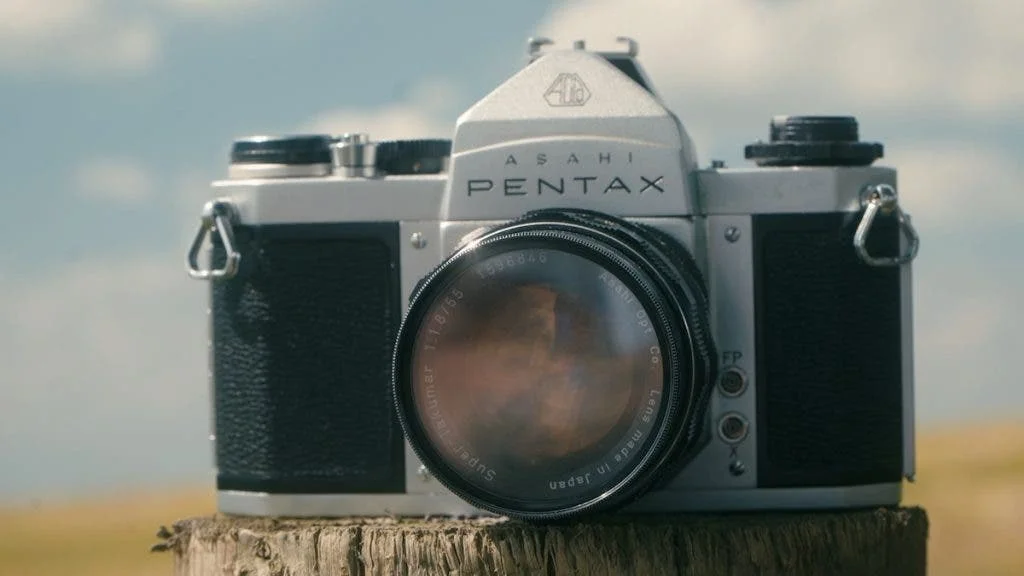
Photography can stay rewarding on a tight budget, and it doesn’t require a new camera or an immediate plan to earn a living. The practical path is to keep making pictures with the equipment you have, build skills that improve every frame, and try income opportunities that don’t require a large upfront spend.
Keep shooting with the camera you own
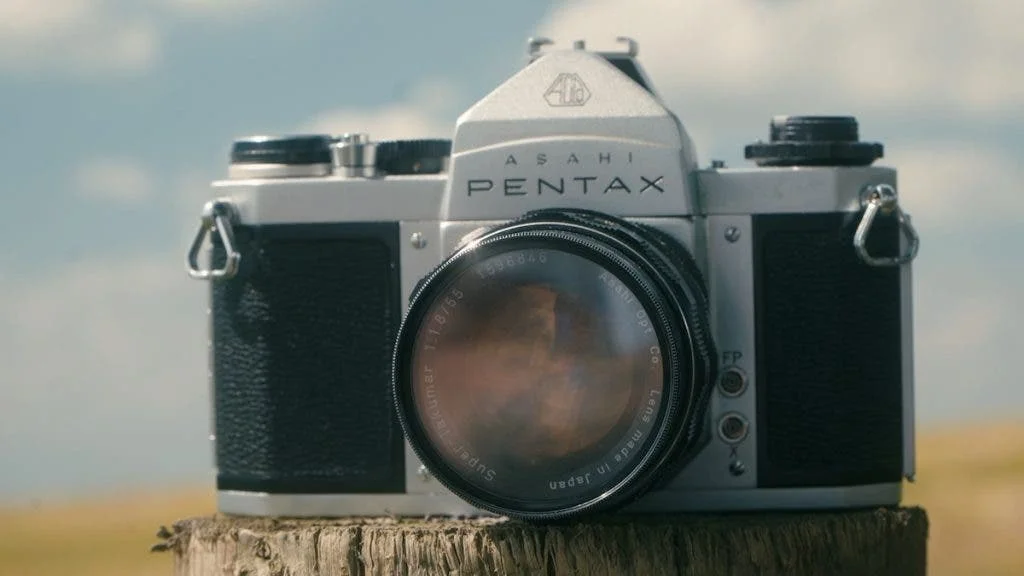
Camera makers have a reason to make each new model feel essential. New equipment does bring improvements, but those gains don’t automatically make a photographer’s work stronger. Much of the photography people still admire from just a few years ago was made with equipment that’s now available at more accessible prices.
An older DSLR and a prime lens can take you a long way. If your current kit lets you make the pictures you want, keep using it. Instead of treating a purchase as the missing ingredient, pay attention to what you can change with framing, timing, light and subject choice. That’s where an existing camera can keep teaching you.
Give a photography career room to develop
It’s easy to feel that photography should become a job, especially when social media makes client work look quick and plentiful. Trying to copy someone else’s business approach can lead to frustration when it doesn’t suit your work, circumstances or stage of development.
Making photography a hobby is a valid choice; pursuing it professionally is valid too. The risk comes from putting pressure on yourself to build a career before you’re ready. That pressure can drain the pleasure from taking pictures and may worsen financial strain. Let your interest and experience grow before you commit money or depend on photography income.
Try licensing work you already have
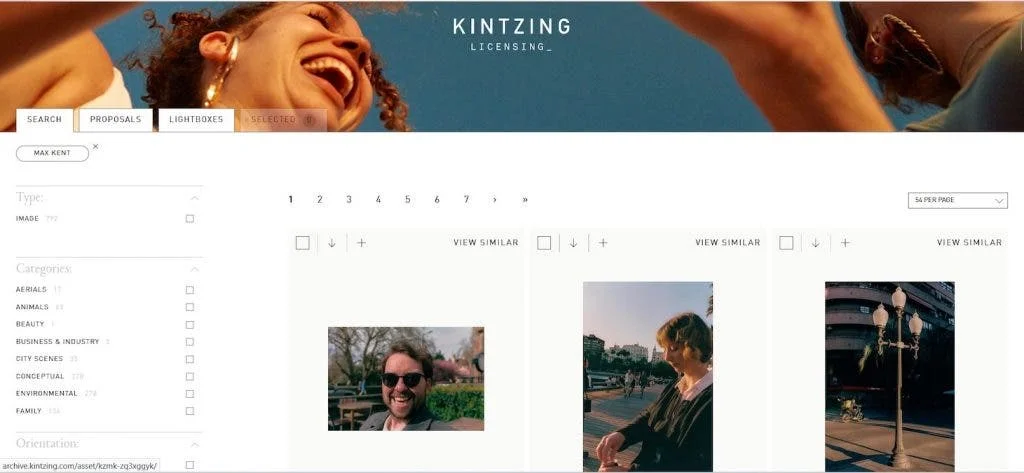
Photo licensing offers a low-cost way to test whether your pictures can earn income. The market isn’t limited to conventional stock scenes of office workers exchanging paperwork. Agencies such as Kintzing, Withstills and Stocksy seek authentic lifestyle photography, which can make the work of photographers with a personal, observational approach relevant.
There’s no guarantee that a particular image will sell. The photographer behind this advice reports individual sales worth four figures, but that’s an experience, not a promise of typical results. Treat licensing as a background opportunity: upload suitable work when you have it, then let the collection grow over time. It may bring in nothing, or a licensing request may arrive unexpectedly. Since uploading doesn’t require buying more equipment, the main investment is selecting and preparing work you’ve already made.
Put time into craft and editing
When spare cash is limited, improve the decisions behind the camera before shopping for another one. Study composition, storytelling and framing, then apply those ideas while shooting. Courses can help, but free instruction on YouTube is another option. The goal is to develop a clearer visual style and make more deliberate pictures with the equipment at hand.
Editing matters just as much. Learning Lightroom in depth can help you shape an image and give a set of photographs a more considered finish, even when the files came from an older, inexpensive DSLR. Editing won’t replace a strong photograph, but thoughtful processing can bring out the choices you made in the field and make the final work feel more polished.
Sell prints without a print run
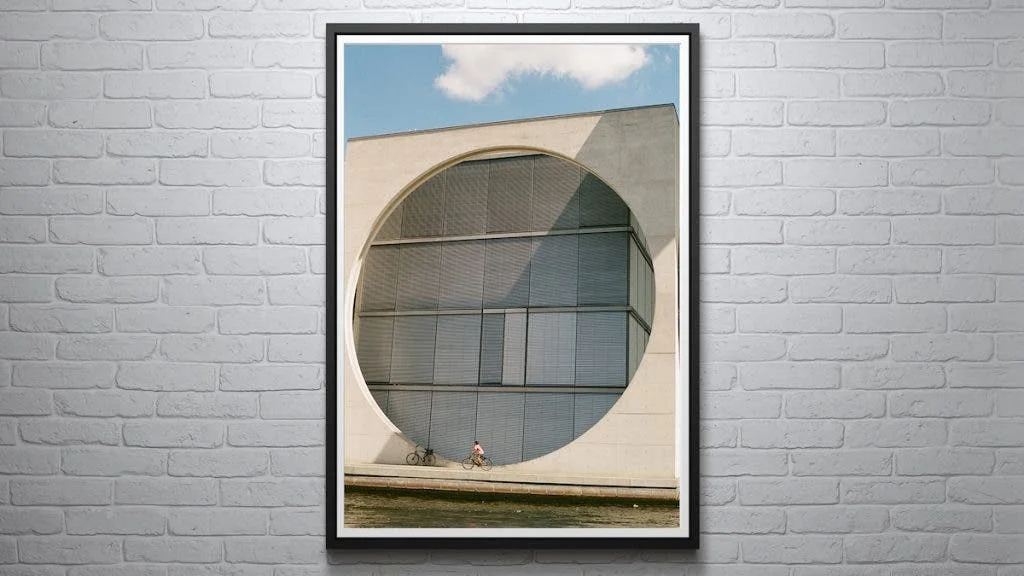
A print gives someone a physical way to live with your work, and a sale can bring in extra money for film or future equipment. The avoidable cost is ordering a batch before you know whether there’s demand. Paying for several copies of multiple images can leave you with stock you can’t sell.
For a first attempt, use a print-on-demand service such as Printique. You’ll earn less per print than you might from handling a batch yourself, but you won’t need to pay for inventory upfront. Prints are unlikely to become a large source of income for most photographers, yet this approach keeps the financial commitment low while giving buyers a way to support your work.
Show your work locally
Look for open photography exhibitions in your area. These are often free to enter and can give your work a place in a gallery, with the possibility of a sale. An exhibition can also connect a photograph with someone who sees a use for it later.
One photographer recounts selling a print at an exhibition and later selling another copy of the same photograph to a local hotel after its curator saw the work on display. That kind of follow-on opportunity is unpredictable, but it shows why exhibiting can be worthwhile even when a sale isn’t certain.
Choose opportunities with care
Paid photography competitions are generally a poor use of limited time and money. The approach here is to put those resources toward making work, submitting to local exhibitions, or trying licensing and print-on-demand instead.
A modest kit can still support ambitious photography. Keep shooting, invest in your visual judgment and editing, and test ways to share or sell work that don’t ask for substantial spending upfront. These steps won’t guarantee income, but they leave room for photography to grow on your own terms.