First day cover ·
Xinkhova Female May Be Raising a Second Leopard Litter
Signs suggest the Xinkhova Female has denned again along the Sand River. Her experience may help, but the cubs’ presence and number remain unconfirmed.
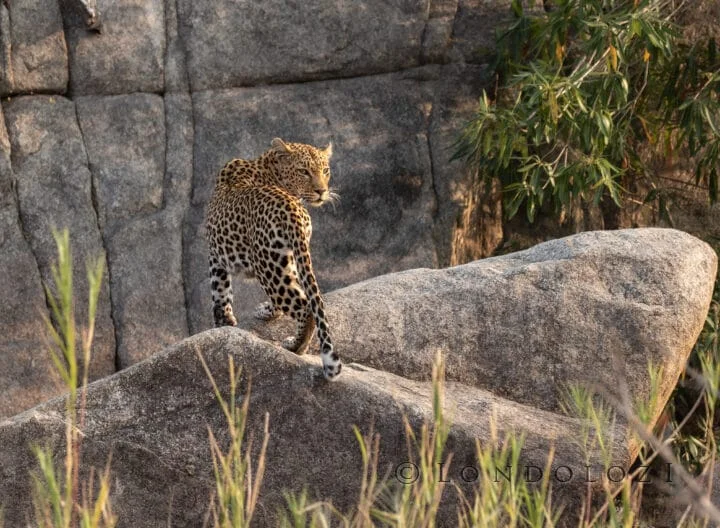
The Xinkhova Female appears to have a second litter, and this time she brings experience to the demanding first weeks of raising cubs. Her recent movements and changing body shape point to a new denning period near the Sand River. The cubs themselves remain out of sight, so their presence and number are not yet confirmed.

Her first litter, earlier this year, ended in loss after an initially hopeful sighting of the mother with two cubs. That difficult episode made the latest signs especially significant. We’ve been seeing her more often over the past month in the same area where she denned before, and a female leopard preparing to give birth typically keeps close to her chosen den site.
What her changing shape suggests
A couple of weeks ago, she looked heavily pregnant. In the most recent sighting, she appeared considerably slimmer despite being well fed. That shift, combined with her movements, fits the pattern of a female that has given birth.
The milk pouch offers another clue. This loose, swollen skin and mammary tissue along a female’s belly develops as her body prepares to feed cubs. Late in pregnancy it becomes more noticeable; after birth, it can look full and prominent while the belly itself hangs lower and appears slack. A full pouch alone can indicate late pregnancy, but a prominent pouch followed by a smaller belly is more consistent with a recent birth.
There’s still room for uncertainty. A leopard that has just eaten may look rounder than she is, and no one has seen cubs at the den. Taken together, though, her appearance and behaviour provide good reason to think she is denning again. Only a sighting of the cubs will tell us whether they are alive and how many there are.

After impala alarm calls drew us to a nearby dam one afternoon, we found two hyenas finishing the impala they had taken from the Xinkhova Female. She rested in a marula tree above the scene, within her territory.
We believe she has settled again beside the Sand River, east of the camps. The den has not been found, and we aren’t planning to search for it now. A female with young cubs already has the difficult task of keeping them safe; human activity near their hiding place could add pressure without helping us learn more.
A second attempt, with experience
Her first litter came when she was a first-time mother. We watched her carry a cub in an awkward grip and take one only a few weeks old into a tree. Those moments made for tense viewing, but they also reflected how much a young female has to manage while she learns to raise cubs.

During her first litter in May, the Xinkhova Female’s carrying technique still looked uncertain. She has had time since then to gain experience with the demands of denning and moving cubs.
Raising a litter means choosing places to hide the cubs, deciding when to move them, and judging how long they can be left alone while their mother hunts. Each choice has consequences for young animals that depend entirely on her. This time, she has been through that cycle once: from selecting a den to moving cubs between hiding spots and hunting while they remain concealed.
Experience doesn’t guarantee better outcomes, and a leopard doesn’t learn exactly as a person does. Still, her first attempt may leave her better prepared for the next one. She is also older and more settled than she was a year ago, after establishing herself around the camps. If prey is available closer to the den, shorter hunting trips could mean less time away from her young.
The Xinkhova Female is five years old, was born in 2021, and is a daughter of the Nkoveni Female. She has been actively establishing territory near the camps. One recent sighting showed her striding across the centre of the Londolozi airstrip on a territorial patrol.

The Xinkhova Female walks across the centre of the Londolozi airstrip during a territorial patrol.
Why patience matters
The dangers facing a litter remain. Hyenas, lions and other leopards move through this area, and cubs are vulnerable for months after birth. Even experienced mothers can lose young. The Nkoveni Female has raised several litters to independence at Londolozi, but she hasn’t succeeded every time.
For now, giving the Xinkhova Female space is the most useful response. It may be several weeks before there’s a chance to establish whether she has cubs, and longer before their survival becomes clearer. The earlier loss makes hope feel tentative, but her second experience of motherhood may shape what happens next. If she can draw on what she learned with her first litter, it could help her make better choices while these cubs are hidden.

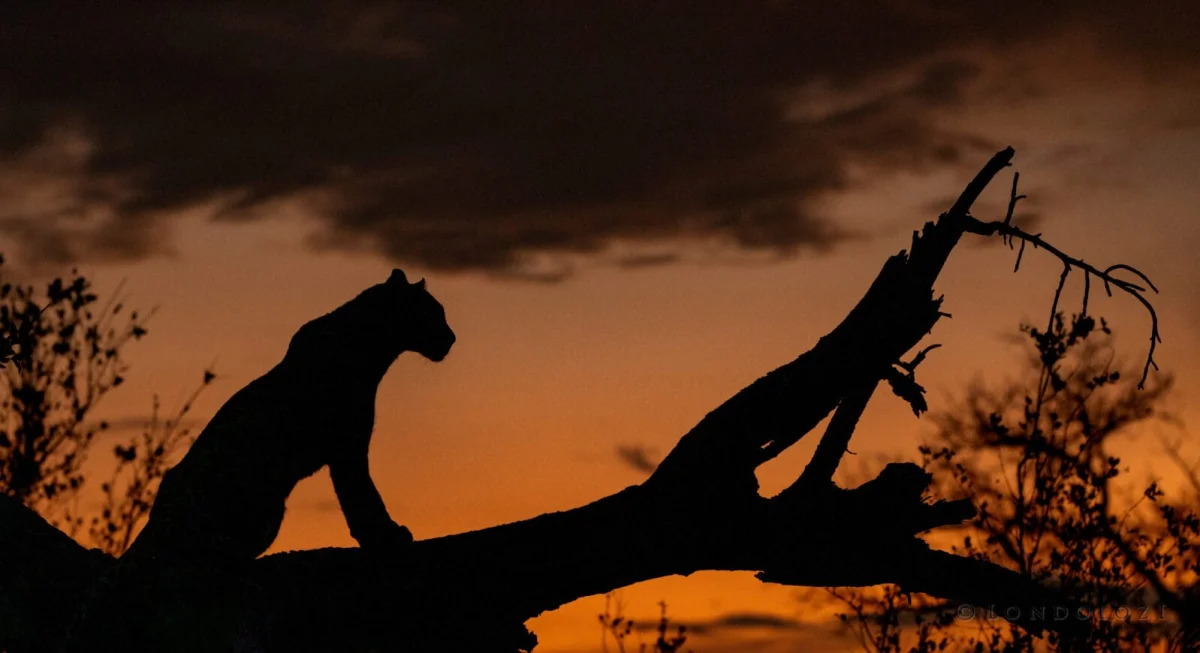

Taken earlier this year, this sighting showed the Xinkhova Female resting in soft morning light on granite boulders beside the Sand River.

Until the cubs can be seen, the signs tell only part of the story. Respecting the den’s privacy gives the mother room to care for them, while time will reveal whether this litter gets the chance to grow.